What Bear Baiters Use in Wisconsin
Wisconsin bear hunting is a truly unique challenge, and for many, especially those who prefer a more predictable encounter, baiting is a core part of a successful strategy. But let's be honest, figuring out what actually draws those elusive bruins in, and how to legally set up and maintain a successful bait site, can feel like navigating a maze of regulations and old wives' tales. This guide is here to demystify the entire process, walking you through the essential gear, the most effective baits, and the crucial regulations to help you prepare for your next bear season.
Understanding Wisconsin Bear Baiting Regulations
Before you even think about dropping a single donut, it’s absolutely critical to understand the specific rules governing bear baiting in Wisconsin. These aren't just suggestions; they're laws, and violations can lead to hefty fines and loss of hunting privileges. The Wisconsin Department of Natural Resources (DNR) takes baiting seriously, especially with concerns about disease transmission and fair chase.
One of the biggest factors to consider is the timing. Wisconsin has strict rules on when you can actually begin baiting. Typically, bait can be placed starting a few weeks before the bear season officially opens, but these dates can shift slightly year to year and vary by zone. It's not a free-for-all; you need to mark your calendar carefully for the official Wisconsin Bear Baiting Start Date. This early start allows bears to find your site and develop a routine of visiting before the hunting pressure begins. If you put bait out too early, you risk attracting other animals or having it spoil before the bears really get accustomed to it. Waiting until the legal start date ensures you're playing by the rules and maximizing your chances during the season.
Navigating Baiting and Feeding Bans
Another critical aspect of Wisconsin’s bear baiting regulations involves baiting and feeding bans, which are usually triggered by confirmed cases of Chronic Wasting Disease (CWD) in deer. While CWD primarily affects deer, the DNR implements these bans across all species in certain areas to prevent the potential congregation and spread of disease. This means that even if you're targeting bears, your baiting activities might be restricted or completely prohibited in counties that have a CWD ban in place or are adjacent to one. It’s incredibly frustrating to plan out a season only to find your chosen area is under a ban, but these rules are there for a reason.
These bans often extend for several years once triggered, and they can sometimes even impact adjacent counties. You can't just move your bait site a mile down the road if it's within a prohibited zone. Always double-check the most current regulations and maps published by the DNR before you even consider setting up a bait site. Ignorance of the law is no excuse, and wardens patrol these areas. Staying informed, perhaps by checking updates on the GoHunt website or the DNR's official page, is paramount to avoid legal trouble.
General Rules for Bait Placement and Quantity
Beyond the "when," there's also the "how much" and "where." Wisconsin has limits on the total volume of bait that can be placed at any single site. This isn't just about preventing excessive baiting; it's about managing resources and ensuring a fair chase environment. For many years, the standard has been a maximum of ten gallons of bait per site, and this bait must be contained within a bear-resistant container or scattered in a way that prevents non-target species from easily accessing it. It’s also crucial that your bait is placed on land where you have legal permission to hunt and bait. Just because public land is open to hunting doesn't automatically mean it's open to baiting.
Think about access roads, trails, and property lines. You can't just toss bait anywhere. The bait must be placed out of sight from public roads and properties, and it needs to be clearly marked with your name and customer ID number. This allows wardens to easily identify who is responsible for the site. Considering these rules will also influence your scouting; you need to find locations that offer both good bear potential and legal compliance. Many hunters find that utilizing mapping services on platforms like GoHunt can help identify property lines and potential access issues before even stepping foot on the ground.
Essential Bear Baiting Equipment
Successfully baiting bears requires more than just a sweet tooth and a truckload of pastries. You need a dedicated setup that can withstand the elements, curious non-target critters, and the sheer power of a hungry bear. Investing in the right gear from the start will save you headaches, wasted bait, and potentially ruined hunting opportunities down the line.
Durable Bait Containers
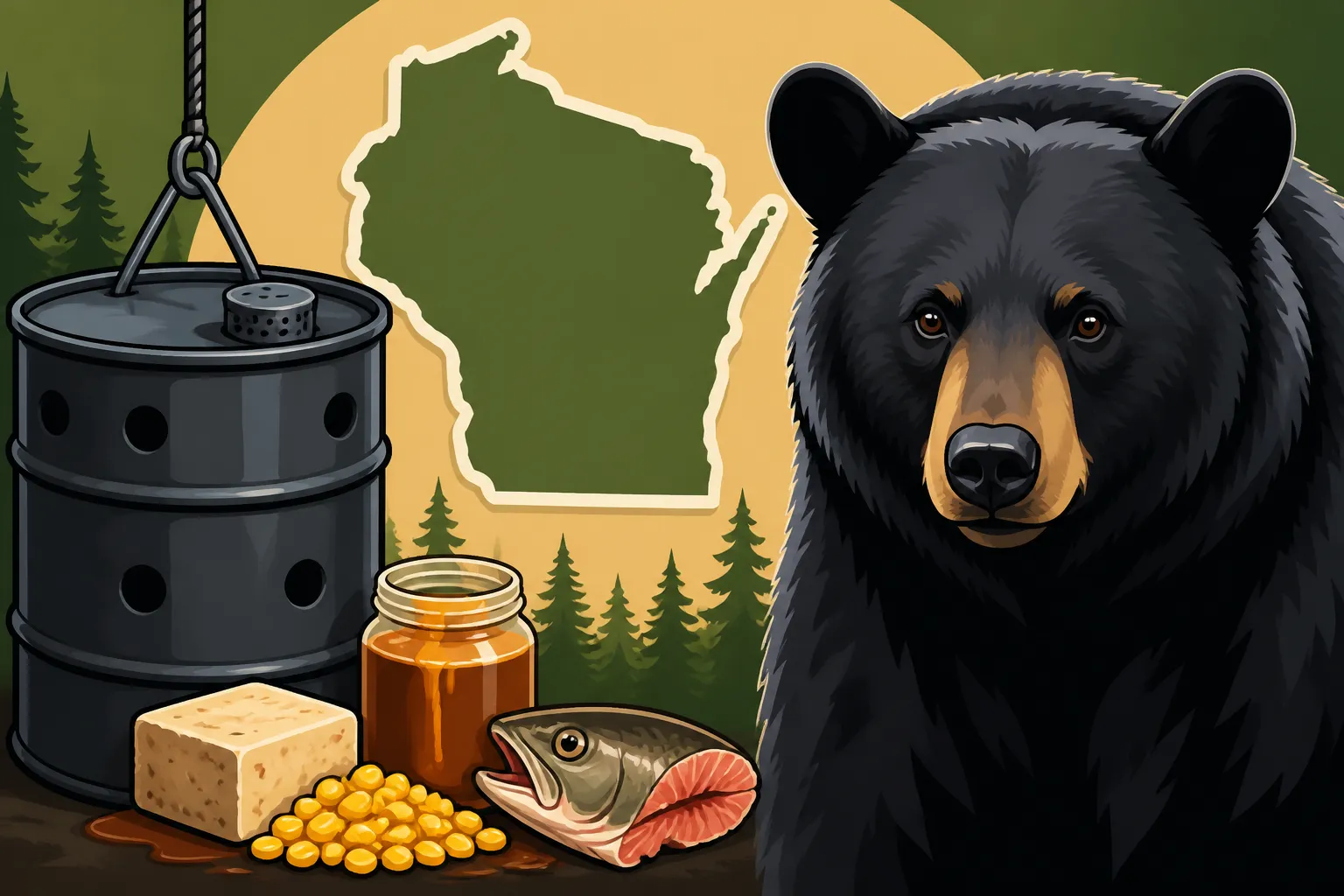
The cornerstone of any bear bait site is the container itself. You're not just putting out a bowl for a house cat; you're dealing with a powerful, intelligent animal that will absolutely tear apart anything flimsy. This is why most experienced bear baiters rely on heavy-duty steel barrels, often 55-gallon drums, that are robust enough to withstand a bear's attempts to get at the contents. These barrels need to be secured to a tree or other immovable object with heavy chains and locks to prevent bears from simply dragging them away into the thick brush.
Many hunters will cut a hole in the side or top of the barrel, or even drill multiple small holes, to allow the scent of the bait to escape and draw bears from a distance, while still making them work for the food. This 'work' factor is key; it keeps them occupied and coming back. You might also consider using smaller, very sturdy plastic buckets, again chained down, especially for "punch baits" or liquids that you want to prevent from soaking into the ground too quickly. Remember, the goal isn't to make it easy for them to clean out the barrel in one go, but to entice them to visit repeatedly. You can learn more about specific legal requirements for containers in articles like Bear Bait Barrels and Legal Containers.
Trail Cameras and Monitoring Tools
In today's bear baiting world, trail cameras are practically non-negotiable. They are your eyes and ears in the woods when you're not there, providing invaluable intelligence about bear activity, patterns, and even individual bears. Placing a few trail cameras around your bait site allows you to confirm that bears are hitting the bait, track their frequency of visits, and identify if you have multiple bears, sows with cubs, or a potential trophy-sized boar showing up.
Modern cellular trail cameras have become incredibly popular, sending images directly to your phone, which means fewer trips into the bait site and less human scent left behind. Even if you don't use cellular, a good quality SD card camera placed discreetly can tell you volumes. Position your cameras wisely – usually about 15-20 yards from the bait, angled slightly down to capture the animals without overexposing them. Checking these cameras regularly (but not too regularly, to avoid disturbing the site) allows you to adjust your baiting strategy, identify prime hunting times, and even get a peek at the specific bear you're after. These insights are crucial, especially if you're trying to figure out How Many Black Bears Wisconsin Has in your area or their general movement patterns.
Scent Dispersal and Attractants
Beyond the visual appeal of a full bait barrel, scent is arguably the most powerful attractant for bears. Their sense of smell is legendary, and you want that sweet, greasy aroma carrying far and wide through the woods. Many baiters use additional scent attractants to amplify their bait's drawing power. These can include commercial bear lures, liquid smoke, anise oil, or even old fryer grease poured around the site or on nearby trees. The idea is to create a "scent trail" that leads bears directly to your main bait.
Some hunters will hang scent wicks or even old rags soaked in potent attractants upwind of the bait, allowing the wind to carry the odor further into potential bear territories. Another common technique is to "bait a trail" leading to your main site, dropping small handfuls of potent bait or spraying attractants along known bear travel corridors. The initial discovery of these smaller treats might just be enough to pique a bear's curiosity and lead it straight to your carefully prepared buffet.
Choosing the Right Bait for Wisconsin Bears
Ask ten different bear baiters what their "secret ingredient" is, and you'll likely get ten different answers. While there's no single magic bullet, certain types of bait consistently outperform others in attracting and holding bears in Wisconsin. The key is often a combination of highly caloric, easily digestible foods that bears naturally crave.
The Sweet and Greasy Delights
Bears have an incredibly sweet tooth, and anything high in sugar and fat is usually a winner. Think about what a bear needs to pack on pounds before hibernation, and you're on the right track. Used fryer grease, often sourced from local restaurants, is a top-tier attractant. It's incredibly aromatic, especially when warmed by the sun, and packed with calories. You can pour it directly on the ground around your bait site (ensure it's not a pollutant, check local ordinances) or mix it with other dry baits to enhance their appeal.
Pastries, donuts, cookies, and candy are also incredibly effective. Bakeries often have "day-old" products they're willing to sell cheaply or even give away. Candy, particularly hard candies that dissolve slowly or fruity options, can keep bears interested for longer periods. Just be mindful of melting in direct sun and how quickly insects might swarm sugary treats. Many successful baiters dedicate time to building relationships with local businesses to secure a steady supply of these cost-effective, high-performing baits.
Protein and Grains
While sweets and grease are paramount, adding some protein and grain can round out your bait offering, especially for bears that might be seeking a more balanced diet or if your area has higher populations of other omnivores. Old dog food or cat food, often available in bulk, can be a great filler and attractant, particularly when soaked in grease or syrup to make it more appealing. The scent of pet food is surprisingly effective.
Another option is to incorporate rendering scraps or meat byproducts, if legally allowed in your zone (always check current DNR rules, as regulations on meat scraps can be very specific and sometimes change). These offer a strong, natural scent that can draw bears from a long distance. Some hunters also use stale bread or corn as a base, mixed with more potent ingredients. The goal is to provide a variety of textures and flavors that will keep bears coming back for more, ensuring your bait site remains the most attractive dining spot in their territory.
| Bait Type | Primary Appeal | Availability | Cost (approx.) | Notes |
|---|---|---|---|---|
| Fryer Grease | Scent, Calories | Restaurants, food service | Low (often free) | Extremely potent, messy, can attract other animals. Check local regs. |
| Pastries/Donuts | Sugar, Carbs, Scent | Bakeries, grocery stores | Low-Medium (day-olds) | Highly attractive, can spoil/mold quickly in wet weather. |
| Candy/Jell-O Mix | Sugar, Flavor | Bulk stores, discount shops | Low-Medium | Long-lasting scent, good for mixing, less mess than grease. |
| Dog/Cat Food | Protein, Filler | Pet stores, farm supply | Medium | Good base, enhances with grease/syrup, durable. |
| Grain (Corn, Oats) | Filler, Carbs | Farm supply, feed stores | Low | Best mixed with high-scent baits, less attractive on its own. |
| Fruit/Produce | Natural Sugar | Grocery store discards | Low | Can be good but spoils very quickly, attracts insects. |
Setting Up and Maintaining Your Bear Bait Site
Getting the bait right is only half the battle; how you set up and maintain your site is equally important. A poorly managed bait site can quickly become unproductive, or worse, attract unwanted attention from other hunters, wildlife, or even the DNR. Consistency and discretion are your best friends.
Strategic Site Placement
Choosing the right location for your bait site is paramount. You want a spot that bears frequent, but one that is also discreet and accessible for you. Look for natural travel corridors like old logging roads, game trails along ridge lines, or funnels between swamps and hardwood ridges. Areas with thick cover nearby, especially cedar swamps or dense stands of pine, offer bears security and a place to bed down after a meal. Proximity to a water source is also a major plus, as bears often drink after eating.
Avoid placing your bait directly on heavily used deer trails or open areas where it's easily visible to other hunters or people. While you want bears to find it, you don't necessarily want everyone to find it. Utilize tools like GoHunt's satellite imagery and public land layers to identify promising spots away from high-pressure zones and to verify property boundaries. Remember, bears are wary, and while they might overcome some fear for a good meal, excessive human activity or exposure will likely make them nocturnal visitors or drive them away entirely. Scouting these areas thoroughly beforehand, perhaps even weeks before Scouting Wisconsin Public Land Before Season officially begins, can make all the difference.
Consistent Bait Refreshing and Scent Control
Once your site is established, consistency in refreshing your bait is absolutely critical. Bears are creatures of habit, and they will quickly learn a pattern. If your bait runs out or isn't refreshed regularly, they'll move on to a more reliable food source. Aim for refreshing your bait every few days, especially initially. As the season progresses and you get a feel for how often bears are visiting (thanks to those trail cameras!), you can adjust your schedule.
However, every visit you make introduces human scent, which can alarm bears. Therefore, practice strict scent control. Wear clean clothes, spray down with a scent eliminator, and approach your bait site from different directions if possible to minimize leaving a consistent trail. Don't linger unnecessarily. Get in, refresh the bait, check your cameras, and get out. This minimalist approach helps maintain the natural feel of the site and keeps bears comfortable enough to visit during daylight hours. Articles like Building and Freshening a Wisconsin Bear Bait can offer more specific advice on this essential aspect.
Managing Non-Target Animals
It’s an inevitable truth that a bear bait site will attract more than just bears. Raccoons, opossums, coyotes, and even deer will try to get at your bait. While some incidental visits are unavoidable, you want to minimize non-target species from cleaning out your barrel before a bear gets a chance. This is where your heavy-duty, secured containers come into play. Make it difficult for smaller critters to access the bulk of the bait.
Sometimes, a persistent coon or coyote can be deterred by placing the bait barrel in a more open spot where they feel less secure, or by adding a repellent (if legal and safe for bears) to the outer edges of the site. Some hunters will even "cage" the bait barrel with sturdy branches or logs to create more of a barrier. While you can't eliminate every non-target visitor, reducing their impact ensures that the bulk of your valuable bait goes to the intended recipients: the bears. This careful management is part of the ongoing effort to prepare for a successful hunt, whether you're interested in Bear Hunting With Bait and Dogs in Wisconsin or planning a solo archery hunt.
Disclaimer
The information provided in this guide is for general informational purposes only and does not constitute legal advice. Hunting regulations, including those pertaining to bear baiting, are subject to change by the Wisconsin Department of Natural Resources (DNR). It is the responsibility of every hunter to consult the most current Wisconsin hunting regulations pamphlet or the official DNR website before engaging in any hunting activities. Always prioritize safety and adherence to all applicable laws.