Blood Trailing After Dark in Wisconsin
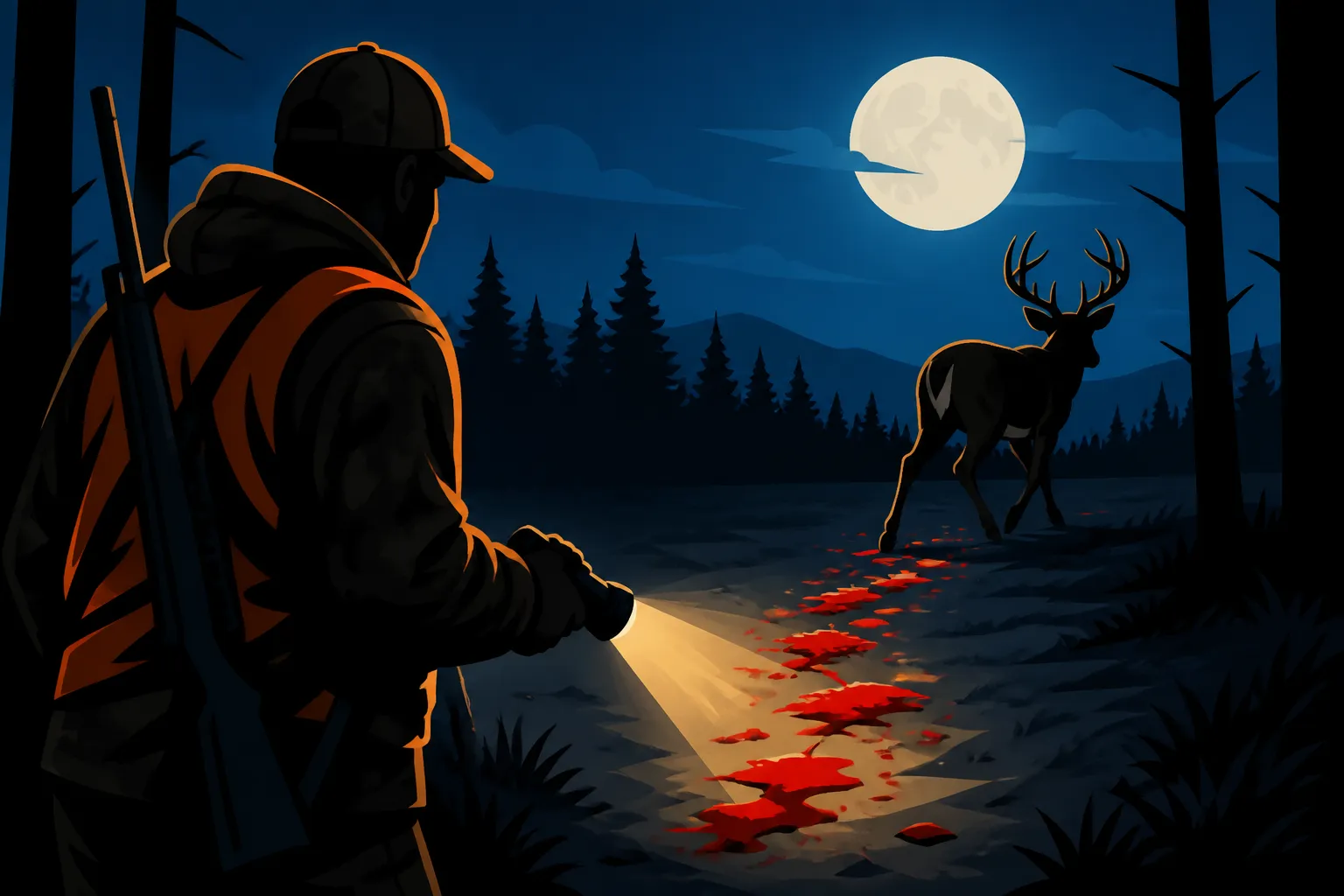
There's a special kind of dread that washes over a Wisconsin hunter when daylight fades, and you're still on the blood trail of a deer. The confidence you felt after the shot can quickly erode as the fading light turns crimson splashes into dark, elusive smudges against the forest floor or marsh grass. Recovering a deer after dark in our diverse Wisconsin landscape, from dense northern forests to sprawling farmlands, presents unique challenges. This guide is dedicated to helping you master the art of blood trailing when the sun goes down, equipping you with the knowledge and tools to bring your hard-earned game home.
The Unique Challenges of Night Trailing in Wisconsin
Blood trailing a deer is never a simple task, but doing it under the cloak of darkness in Wisconsin adds layers of complexity that demand extra preparation and skill. The familiar woods transform into a labyrinth, and natural elements become formidable obstacles. Understanding these challenges is the first step toward overcoming them and ensuring a successful recovery.
Navigating Difficult Terrain in the Dark
Wisconsin's diverse terrain, from the steep, rugged coulees of the Driftless Area to the thick conifer swamps of the Northwoods, becomes a whole different beast after dark. What was a challenging walk in daylight turns into a potential ankle-twisting, face-planting expedition in the moonless woods. I've personally spent hours crawling through thickets in the dark, wondering if that last splash of blood was even real or just my imagination playing tricks. You might be following a trail that leads you across a rushing creek you didn't even know was there, or into a dense cedar swamp where every tree looks identical. This is where pre-hunt scouting and understanding the topography of your hunting area, perhaps by using tools like the Wisconsin Hunt Wild App or reviewing Reading Aerial Photos for Coulee Deer, becomes absolutely invaluable. Knowing the general lay of the land, where the ridges run, where the water flows, and where the thickest cover is, can prevent you from getting completely disoriented when visibility drops to zero.
Imagine you're hunting near the Kettle Moraine State Forest, and you've shot a deer just before dusk. The trail initially seems clear, but as the last sliver of light disappears, you find yourself at the edge of a deep kettle, surrounded by tangled undergrowth. Without the aid of natural light, even a familiar trail can become a maze. The subtle changes in elevation, fallen logs, and dense brush that you easily navigated during the day now conspire against you, making every step a cautious, slow endeavor. The sheer effort required to move through such terrain, compounded by the mental strain of searching for a tiny crimson clue, can quickly lead to fatigue and frustration, making it harder to spot what little sign might be there.
Furthermore, public lands in Wisconsin often mean you're venturing into less maintained areas. You might encounter hidden stumps, deep ruts, or overgrown trails that are trip hazards. The sound of rustling leaves or snapping twigs can easily be misinterpreted as a deer moving, adding to the psychological pressure. It's not just about finding the deer; it's about doing so safely. A twisted ankle deep in the woods at night, far from any road, can turn a simple recovery into a serious emergency. Therefore, having a strong understanding of your environment and moving deliberately is paramount to success and safety.
The Impact of Wisconsin's Weather on Blood Trails
Wisconsin weather is notoriously unpredictable, and it can throw a wrench into even the best-laid trailing plans, especially after dark. A light rain that barely registered during the day can completely wash away a delicate blood trail by nightfall, leaving you with nothing but wet leaves. Conversely, a sudden drop in temperature can crust over blood, making it less visible or causing it to blend in with the surrounding debris. I've seen fresh, bright blood almost disappear after a quick, unexpected drizzle, turning a promising trail into a maddening game of "where's Waldo." This is where the initial hours after the shot are crucial, as every minute counts before Mother Nature reclaims the evidence.
Consider a typical late archery season evening in November. You've made a good shot on a deer, but it’s close to last light. You decide to wait the recommended few hours before taking up the trail, a wise choice to ensure the deer has expired. However, during that wait, a cold front rolls in, bringing a light dusting of snow. Now, what might have been a visible blood trail on dry leaves is obscured by a fresh layer of white, or the blood itself freezes and darkens, making it indistinguishable from dark spots on the snow. In situations like this, you might need to shift your focus from blood to other signs, like Tracking a Deer in Wisconsin Snow by looking for disturbed leaves, broken twigs, or even the distinct tracks themselves, which the snow might actually highlight.
Heavy fog, common in low-lying areas or near bodies of water like the Mississippi River, can also drastically reduce visibility, even with powerful lights. The moisture in the air reflects your light back at you, creating a blinding halo effect that makes seeing small details on the ground nearly impossible. And let's not forget the sheer cold. Sitting for hours on a stand in December, even with the best Cold Weather Sitting Strategy, can leave you numb, making the precision needed for a careful blood search incredibly difficult. Protecting yourself from the elements becomes part of ensuring you can effectively recover your game.
Wildlife and Scavenger Activity
As night falls, the forest truly comes alive, and not always in a way that benefits a hunter on a blood trail. Wisconsin is home to numerous scavengers and predators that are highly efficient at finding wounded or deceased animals. Coyotes are a primary concern; their keen sense of smell can lead them to a deer quickly, especially if it's bedded down injured. I've heard too many stories of hunters finding their deer partially consumed by coyotes after leaving it overnight. Understanding Coyote Calling in Wisconsin Winter can give you an appreciation for just how common and effective these animals are at locating prey. Their presence adds a sense of urgency to night trailing efforts, reinforcing the need for quick, but careful, action.
Besides coyotes, other critters like raccoons, opossums, and even bears (especially in the northern parts of the state where Wisconsin's Black Bear Population is significant) can discover a deer carcass. While these animals might not consume as much or as quickly as a pack of coyotes, any disturbance to the deer or the immediate area around the blood trail can make your job exponentially harder. They can scatter evidence, drag the deer a short distance, or simply make the recovery site less pleasant to deal with. This pressure from wildlife is a significant factor in deciding whether to push a trail immediately after dark or to wait until morning.
This isn't just about preventing meat spoilage or loss; it's also about ethics. As hunters, we have a responsibility to recover the animals we shoot. Leaving a wounded animal to suffer, or for scavengers to find first, goes against that ethos. The knowledge that other animals are out there, potentially closing in on your game, can fuel determination but also add immense stress to an already difficult task. It reinforces the need for proper shot placement and thorough trailing efforts to minimize suffering and maximize recovery.
Essential Gear and Preparations for a Night Trail
Attempting to blood trail a deer after dark without the right gear is a recipe for frustration and likely failure. Just as you wouldn't head into the woods without your weapon, you shouldn't embark on a night recovery without a well-thought-out kit. Being prepared can make all the difference in turning a potentially lost deer into a successful harvest.
Lighting the Way: Headlamps and Flashlights
When the sun dips below the horizon, your most critical tools become your light sources. You absolutely cannot rely on a single, flimsy flashlight. I always recommend carrying at least two, preferably three, reliable lights: a powerful headlamp and one or two handheld flashlights. A good headlamp keeps your hands free for navigating tricky terrain, pushing brush aside, or marking the trail. Look for one with multiple brightness settings and a red light option to preserve your night vision when you need to pause and scan. Brands like Fenix, Zebralight, or Petzl offer excellent options known for their durability and long battery life.
The handheld flashlight serves as your primary blood-finding tool. It allows you to direct a concentrated beam at various angles, which is key to making blood "pop" against the natural background. A powerful, focused beam can cut through darkness and help you spot even the faintest specs of blood on leaves, grass, or bark. Some hunters even swear by lights with a green or blue filter, claiming these wavelengths make blood more visible by creating a stronger contrast, although personal preference and conditions often dictate effectiveness. Whatever you choose, ensure it has fresh batteries and spares. Nothing kills a night trail faster than a dead light.
Beyond personal lights, some hunters even use portable floodlights or lantern-style lights that can illuminate a wider area once a deer is found or when conducting a grid search in a localized area. While not practical for an active trail, they can be invaluable once you've narrowed down the search zone. The key takeaway is redundancy and variety in your lighting strategy. Different lights serve different purposes, and having backups ensures you're never left literally in the dark, especially when you're far from the truck trying to find a deer in the depths of the Northern Forest Deer Density in Wisconsin country.
Mapping and Navigation Tools
Getting lost while blood trailing at night is a serious concern, especially if you've wandered off familiar paths. Your phone, loaded with a reliable hunting app, is your best friend here. Apps like GoHunt or the Wisconsin Hunt Wild App offer detailed satellite imagery and property boundaries, allowing you to track your exact path as you trail. This breadcrumb feature is invaluable for retracing your steps if the trail goes cold or for simply knowing precisely where you are in relation to roads, property lines, or your starting point. I can't stress enough how important it is to download offline maps for your hunting area before you head out, as cell service can be spotty in many parts of Wisconsin.
While phone apps are fantastic, a dedicated GPS unit is a worthwhile backup. It doesn't rely on cell service and often has a more robust battery life than a phone. Devices like those from Garmin are rugged and designed for outdoor use, providing an extra layer of security. Use your GPS or app to mark your starting point, the last known blood, and any significant finds along the way. This meticulous marking creates a digital breadcrumb trail that can literally save you hours of confusion and potentially help you identify patterns in the deer's movement.
Beyond digital tools, don't underestimate the power of physical markers. Carrying a roll of bright, biodegradable flagging tape is crucial. Every time you find a significant piece of blood or a clear track, tie a piece of tape at that spot, pointing in the direction of travel. This creates a visible trail that you or others can follow, even if your digital devices fail or if you need to come back in the morning. These markers, combined with Finding Ground Others Walk Past strategies and careful navigation, greatly increase your chances of a successful and safe recovery.
Blood Enhancers and Other Aids
Sometimes, even with the best lights, blood on certain terrains or in certain lighting conditions just won't "pop." This is where blood enhancers can come in handy. These sprays typically contain hydrogen peroxide, which reacts with the iron in blood, causing it to foam or bubble. A popular choice among some hunters is Tarsus Bloodhound Blood Trail Spray, but a simple bottle of 3% hydrogen peroxide from the drug store can work just as well. When sprayed lightly on suspected areas, it can reveal faint or nearly invisible blood sign. However, use these sparingly; they can contaminate the meat if overused and are best for difficult-to-see spots rather than broad application.
Beyond chemical aids, carrying a small, retractable measuring tape can be surprisingly useful. It helps you quantify the distance between blood drops, giving you an idea of how fast the deer might have been moving and the severity of the wound. Tight, consistent drops might indicate a fast-moving, lightly wounded animal, whereas large pools and short intervals often signal a mortally wounded animal that is slowing down. Also, consider bringing a small, clear plastic bag for collecting samples, like hair or tissue, which can offer clues about shot placement and aid in confirming the type of animal, especially if you're Hunting Deer Without Bait in Wisconsin and want to be sure of your shot.
Finally, think about bringing a second person, if possible. An extra set of eyes, especially fresh ones, can make a huge difference. Two people can cover a wider area, and sometimes, a different perspective is all it takes to spot that one crucial piece of evidence. If you're hunting alone, consider having someone on standby who you can call if you need assistance or a morale boost. Even a phone call to talk through your strategy can help calm nerves and refocus your efforts, preventing you from making hasty, unproductive moves. This is where a reliable communication plan, including Two-Way Radios on a Deer Drive for larger groups, can come into play.
Mental Preparation and Strategy
Successfully trailing a deer after dark isn't just about gear; it's a mental game. Frustration, exhaustion, and doubt can quickly set in, especially after hours of slow, meticulous searching. Before you even head out to trail, take a deep breath. Acknowledge the difficulty of the task ahead. Remind yourself that patience and persistence are your greatest allies. A hasty, unorganized search will often lead to a lost deer. Instead, commit to a slow, methodical approach. It’s better to take an extra hour to ensure you're on the right track than to rush and blow past a critical piece of evidence.
Develop a strategy before you start. If you're with a partner, designate roles. One person might focus on the immediate ground, while the other scans slightly further ahead or to the sides. Establish clear communication signals. Agree on what constitutes "blood" and what might just be environmental staining. Regularly check in with each other to maintain morale and avoid burnout. This collaborative approach significantly improves efficiency and reduces the chance of overlooking important clues.
Finally, always have a plan B. What happens if the blood trail disappears completely? What's your fallback strategy? Will you expand your search in a grid pattern? Will you return in the morning with fresh eyes? Will you call someone with a tracking dog? Knowing your options ahead of time, including the Legal Shooting Hours and Retrieving Game From Private Land rules for Wisconsin, can reduce panic if things go sideways. The mental fortitude to stay calm, focused, and methodical is arguably the most important "tool" you can bring on a night trail.
Step-by-Step Guide to Effective Night Trailing
Once you've made a shot and decided to take up the trail after dark, a systematic approach is crucial. Haphazard searching only wastes time and energy and increases the likelihood of losing the deer. By following a structured process, you can maximize your chances of a successful recovery, even when the odds feel stacked against you.
Marking the Last Known Blood
The very first step, even before you officially begin trailing, is to mark the precise spot of the last confirmed blood. This cannot be overstated. As soon as you decide to take up the trail, place a piece of bright flagging tape, a glove, or a bright bandana directly at the last visible blood sign. This serves as your anchor point. If you lose the trail, you can always return to this exact spot and restart your search, radiating out in different directions. Without a clear last-blood marker, you risk wasting valuable time circling aimlessly, unsure of your starting point. I've personally seen hunters get so excited or flustered that they push forward without marking, only to find themselves utterly lost when the trail peters out.
Once you've marked the last blood, take a moment to assess the area. Look around for any obvious exit paths or obstacles the deer might have encountered. Did it jump a fence? Enter a thick patch of pines? Note the direction of travel from this spot. This initial observation, though brief, can inform your immediate search strategy. Think of it as establishing a baseline before diving into the unknown. If you use onX Layers for Wisconsin Land Status, mark this spot on your app immediately. This digital marker, coupled with your physical one, creates redundancy and peace of mind. Other services, like GoHunt, also integrate similar mapping features that can be vital.
As you find more blood, continue to mark each significant discovery. You don't need to mark every single drop, but certainly mark every few yards or whenever the direction of travel changes significantly. This creates a visible breadcrumb trail. If you're trailing with a partner, one person can focus on marking while the other continues the search. This systematic marking not only helps you track your progress but also gives you a visual representation of the deer's path and how far it has traveled, providing crucial information about the shot and the animal's condition.
Grid Searches and Systematic Progression
When the blood trail becomes sparse or disappears entirely, it’s time to shift from linear trailing to a systematic search. The most effective method is a grid search or, at the very least, a series of expanding circles around the last known blood. Start by marking your last confirmed blood sign. Then, slowly walk in an expanding circle, or in parallel lines, scanning every inch of the ground with your powerful flashlight. The key is slow and methodical. Don't just sweep your light wildly; take your time, looking for the smallest speck of crimson or disturbed vegetation.
If working with a partner, you can walk parallel to each other, maintaining a consistent distance, and slowly advance. This "side-by-side" method ensures thorough coverage of the area. One person might be 5-10 yards to the left of the last blood, the other 5-10 yards to the right, slowly moving forward and inward. Once you find new blood, reset your search from that point. If you're alone, you might try walking in zig-zag patterns or slowly expanding spirals around the last sign, always returning to your marked starting point if nothing is found within a reasonable distance.
The temptation to push forward quickly is strong, especially when adrenaline is high, but resist it. A lost deer often means a rushed search. Dedicate yourself to examining every leaf, every patch of grass. Sometimes, the blood might not be on the ground but on a low-hanging branch, a piece of bark, or even higher up if the deer was jumping or running through thick brush. Raise your light periodically to check eye-level and above. It's often the subtle, overlooked details that lead to a breakthrough, especially when you are Hunting the Wisconsin Rut in November and deer are moving constantly.
Interpreting Different Blood Signs at Night
Understanding what the blood is telling you is just as important as finding it. After dark, every drop of blood can offer a clue. Bright red, frothy blood often indicates a lung shot. This is good news, as lung-shot deer typically don't travel far. You might find chunks of lung tissue, which is a strong indicator of a fatal shot. Darker, thicker blood with little to no froth often suggests a liver or muscle hit. This usually means a longer trail, and sometimes it's best to back out and wait until morning, especially if you suspect a gut shot.
If you find watery blood with stomach contents or green matter, you've got a gut shot on your hands. This is the hardest trail and usually requires a minimum of 6-8 hours, or even longer, before taking it up. Pushing a gut-shot deer will only push it further, making recovery nearly impossible. In these cases, mark the spot, quietly back out, and return at first light. It's a tough call to make, but it's often the most ethical and effective strategy. You'll thank yourself when you find the deer bedded close by in the morning, rather than having pushed it for miles.
Pay attention to the shape and size of the blood drops. Small, sparse drops might mean a minor wound or a deer that is slowing down. Larger, more consistent splashes often indicate heavier bleeding and a more severe wound. Also, look for two distinct blood trails if the deer was shot through and through, exiting on both sides. In Wisconsin's dense timber, such as when Still-Hunting Wisconsin Cedar Swamps, even small clues like hair (brown, black, or white) can point to shot placement. Hair from the brisket or chest often means a low shot, while dark hair from the back could indicate a high hit. Combine all these clues to form a clearer picture of the deer's condition and direction of travel.
Following Tracks and Other Non-Blood Sign
Blood isn't always the only, or even the best, indicator, especially after dark or in difficult conditions. When the blood trail dries up, you need to become a detective of the forest floor. Start looking for disturbed leaves, scuffed earth, or broken twigs. A deer moving quickly through dense cover will often leave subtle signs that are easily missed if you're only focused on blood. Pay attention to how leaves are turned over – usually, the lighter underside is exposed, indicating recent disturbance. Look for mud on exposed roots or rocks where the deer might have slipped.
Tracks themselves, even faint ones, can be incredibly helpful. Use your flashlight to cast shadows across the ground, which can highlight depressions that are otherwise invisible. A low-angle light beam can reveal the subtle contours of a hoof print. In soft earth or wet leaves, you might even see the dewclaw marks. If you're in an area with a lot of Hunting Pressure on Wisconsin Public Land, deer can be extra skittish, making these subtle signs even more crucial as they try to avoid detection.
Don't forget about other environmental clues. Is there a fresh deer rub on a small sapling that wasn't there before? Did the deer knock over a small plant? Listen carefully. A wounded deer, especially one that has bedded down, might let out a soft groan or make slight movements you can hear in the stillness of the night. Occasionally, you might even smell the distinct musky odor of a deer. These non-blood signs often become your primary clues when the crimson trail vanishes, requiring a keen eye, patient ear, and an understanding of how deer move through their environment, particularly when they are trying to evade pursuit.
When to Call for Help and What to Do Next
Even the most experienced hunter can find themselves in a situation where they've lost a blood trail after dark. It's not a sign of failure, but rather an ethical responsibility to know when to seek assistance and how to proceed legally and responsibly. Knowing your options can prevent further frustration and ensure the best possible outcome.
Recognizing When to Pause or Get Assistance
There comes a point in every difficult night trail where you have to make a tough call: do you keep pushing, or do you back out and reassess? This decision often hinges on several factors: the perceived shot placement, the dwindling blood trail, increasing fatigue, and declining confidence. If you've been trailing for hours, the blood has become minimal or nonexistent, and you're feeling utterly drained, it's often best to pause. Pushing blindly when exhausted can lead to mistakes, like pushing an injured deer further or walking past your target. There's no shame in admitting you need a break or assistance.
If you suspect a gut shot (watery blood, stomach contents), backing out immediately is not just advised, it's almost mandatory. Give the deer 6-12 hours, ideally overnight, to expire and stiffen up. Mark the last blood, note the time, and leave the area as quietly and quickly as possible to avoid pushing the deer further. Returning at first light with fresh eyes and renewed energy significantly increases your chances of recovery. This is a crucial lesson in patience and responsible hunting.
Sometimes, assistance might mean calling a friend, or even using a professional tracking service. Wisconsin has a growing network of certified tracking dog handlers who specialize in deer recovery. If you've exhausted your options and the trail is cold, contacting a local tracking dog service could be your best bet. These dogs, usually breeds like Bavarian Mountain Hounds or Teckels, are trained specifically to follow cold blood trails and can often find deer that human eyes would never locate. GoHunt is a great resource to locate such services or connect with experienced trackers in your area.
Utilizing Trailing Dogs in Wisconsin
The use of leashed tracking dogs for deer recovery is a legal and highly effective method in Wisconsin. These dogs are specifically bred and trained for scent work, capable of following trails that are hours, or even a day, old and virtually invisible to humans. If you've exhausted all your personal trailing efforts, or if you know you have a marginal hit (like a leg or paunch shot), contacting a certified tracking dog handler should be a top priority. Many professional trackers offer their services for a fee, and it's an investment well worth it for an ethical recovery.
When you call a tracker, be prepared to give them all the details: type of weapon, shot placement, time of shot, last known blood, and the terrain. Avoid walking all over the area where you last saw blood, as this can contaminate the scent. Mark the last known blood clearly and then back out. The less human scent on the trail, the better the dog's chances. It's often recommended to contact a tracker before you even start trailing if you have doubts about the shot, to preserve the freshest possible scent.
Wisconsin's DNR website and local hunting forums often have lists of certified tracking dog handlers. Don't wait until morning to make the call if you know you need help; many trackers prefer to start as early as possible. Their dogs are often equipped with GPS collars, making the recovery process efficient and safe, even in thick cover or after dark. Remember, using a dog isn't a sign of failure; it's a testament to your commitment to ethical hunting and ensuring a humane end for the animal.
Legalities of Night Trailing and Recovery
Navigating the legalities of night trailing in Wisconsin is crucial. Generally, Wisconsin law allows for the recovery of legally harvested game after legal shooting hours. This means you can be in the woods with a firearm or bow to track and recover a deer even after sunset, as long as it was legally shot during the proper season and within legal shooting hours. However, this is only for recovery, not for continued hunting. Your weapon must be unloaded and encased, or your bow unstrung or in a case, as if you were heading home. The primary purpose must be clearly game recovery.
It's important to differentiate between tracking and hunting. Carrying a loaded firearm after shooting hours, or without proper blaze orange/pink during gun seasons, while not actively engaged in recovery, can lead to legal issues. Always check the most current Wisconsin DNR regulations, as rules can occasionally change. If you're on private land, you must have Retrieving Game From Private Land permission from the landowner to enter their property, even if your deer runs onto it. Attempting recovery without permission could constitute trespass.
If you manage to locate your deer and it's still alive, the situation becomes more complex. You cannot legally dispatch a wounded animal after shooting hours with a firearm or bow unless specific exceptions apply (e.g., a conservation warden grants permission). This is a difficult scenario, but it emphasizes the importance of good shot placement. If you encounter such a situation, contact a conservation warden immediately for guidance. They are often very helpful and understanding in these ethical dilemmas, and can guide you through the next steps, including potentially dispatching the animal or advising on how to proceed.
Essential Light Sources for Night Trailing
| Light Source | Pros | Cons | Best Use Case |
|---|---|---|---|
| Headlamp | Hands-free operation, wide beam for general navigation, often has red light setting to preserve night vision. | Less focused beam for pinpointing faint blood, battery life varies with brightness. | Primary navigation, marking the trail, general scanning of surroundings. |
| High-Lumen Flashlight | Powerful, focused beam can make blood "pop" distinctly, excellent contrast on different surfaces. | Occupies one hand, can be heavy or bulky, requires active aiming. | Pinpointing faint blood, detailed ground scans, examining specific clues. |
| UV/Blood Trailing Light | Claimed to make blood glow or "pop" uniquely under specific light spectrums. | Effectiveness is often debated and highly dependent on conditions, can be expensive. | As a supplemental tool for extremely faint or washed-out trails. |
| Portable Floodlight/Lantern | Illuminates a wide area, leaves hands free once set up, good for localized work. | Not practical for active trailing, heavy to carry, needs flat ground. | Once deer is found, for field dressing, or localized grid searches in a small area. |
Disclaimer
Please note that hunting regulations and laws in Wisconsin can change. Always consult the official Wisconsin Department of Natural Resources (DNR) website and current hunting regulations pamphlet for the most up-to-date and accurate information before heading afield.