Hunting the Pre-Rut in Late October
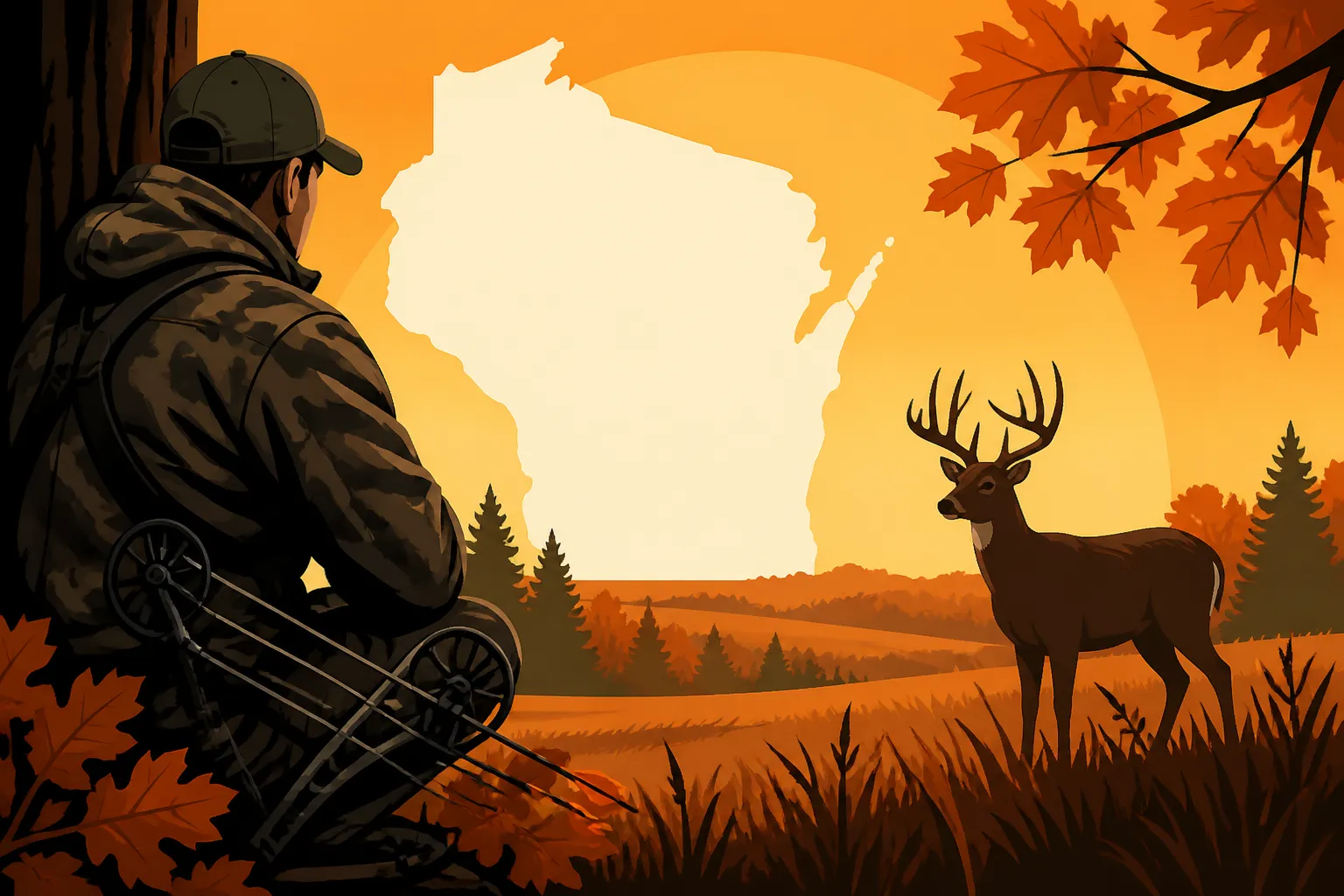
Ah, late October in Wisconsin. It's that frustrating yet utterly captivating time when the woods start to change, the air gets crisp, and deer behavior shifts from predictable patterns to something a little more erratic and exciting. Many of us find ourselves scratching our heads, wondering why that big buck disappeared from his summer routine, only to resurface with a new sense of urgency. This guide is all about demystifying the pre-rut, helping you understand what's really happening in the whitetail world right now, and equipping you with the tactics to capitalize on this often overlooked period before the chaos of the peak rut descends.
Understanding the Pre-Rut Phase in Wisconsin
The pre-rut, specifically in late October here in Wisconsin, is a dynamic and pivotal period in the whitetail deer season. It's that fascinating bridge between the early season's food-focused patterns and the full-blown, does-in-estrus chase phase of November. Many hunters get impatient, waiting for the "switch" to flip, but the truth is, the pre-rut is where the first real action begins, even if it feels a bit uncoordinated at times.
During this phase, testosterone levels in bucks are surging. They're no longer just thinking about filling their bellies; their minds are increasingly focused on breeding. This doesn't mean does are receptive yet – far from it – but bucks are getting antsy. They're beginning to move more, expanding their home ranges, and actively searching for the first hot does. This shift in behavior makes them more susceptible to certain tactics, but also makes them less predictable than they were just weeks prior. You might see a buck cruising through an area he never visited in September, driven by an instinct to scent-check every nook and cranny for any sign of impending estrus.
For us hunters, this can be incredibly frustrating. One day, you might see a flurry of activity, fresh rubs popping up like mushrooms, and the next, it's dead quiet. That's the pre-rut in a nutshell – bursts of intense activity interspersed with periods of almost eerie stillness. But it's precisely this unpredictability that holds opportunity. The deer are covering more ground, exploring new areas, and leaving more sign. It's a time when a patient and observant hunter can really start to piece together the puzzle of buck movement, often leading to encounters with mature deer that were entirely nocturnal just a few weeks earlier.
Scouting and Locating Pre-Rut Hotspots
Successful pre-rut hunting hinges heavily on diligent and intelligent scouting. The patterns that worked in early fall are likely changing, so you need to be out there, boots on the ground, reading the new "story" the deer are telling. This isn't just about finding tracks; it's about understanding the narrative of increased buck activity and where it's concentrated.
Identifying Funnel Points and Travel Corridors
As bucks start to roam more widely, looking for does, they naturally gravitate towards areas that restrict movement and force deer through narrow pathways. These are your funnels and travel corridors, and they become absolute hotspots during the pre-rut. Think about those natural pinches in the landscape: a narrow strip of woods between two large agricultural fields, a saddle on a ridge top connecting two bedding areas, or a dense thicket separating open hardwoods. These are the places where a cruising buck is most likely to pass through in daylight as he expands his search. You might have seen deer using these spots earlier in the season, but during the pre-rut, the frequency and urgency of movement through them increases dramatically. Understanding the topography and vegetation changes that create these funnels is crucial, whether you're hunting the steep ravines of the Driftless Area Deer Hunting in Wisconsin or the dense cover of the Hunting the Wisconsin Northern Forest for Deer.
Reading Fresh Sign: Rub Lines and Scrape Activity
Late October is when signpost communication really ramps up. Bucks are making their presence known, signaling their availability and dominance. You'll start to see fresh rub lines – not just isolated rubs, but a series of them, often on saplings and small trees, leading from bedding to feeding areas or along those critical travel corridors. These rub lines are like breadcrumbs, telling you a buck's preferred path. Pay close attention to the size of the rubs; larger rubs often indicate a more mature buck.
Even more exciting are the scrapes. While scrapes might have been around since late summer, during the pre-rut, they become active communication hubs. Bucks will paw out a patch of bare earth, urinate over their tarsal glands, and then chew on an overhead branch, depositing scent. These "community scrapes" are revisited by multiple deer and are essentially a social media platform for whitetails. Look for fresh, damp earth and a "worked" overhead branch. A cluster of active scrapes, especially along a logging road or field edge, is a powerful indicator that bucks are actively patrolling that area. If you find a primary scrape line, you've found a buck's highway. To really understand these areas, checking out a guide on Scrape Lines Along a Logging Road can provide even deeper insights into what to look for and how to interpret them.
Leveraging Technology for Scouting and Planning
In today's hunting world, technology is your best friend for efficient scouting. Mapping applications, like GoHunt, are invaluable during the pre-rut. They allow you to overlay aerial imagery with topographic maps, identifying potential funnels, bedding areas, and water sources without even setting foot in the woods initially. You can mark specific rub lines, scrape areas, and bedding locations right on the map. This virtual scouting helps you narrow down your search, making your time in the field much more productive.
For public land hunters, GoHunt's ability to clearly delineate property boundaries is a game-changer, ensuring you're always on legal hunting ground and helping you find those less-pressured pockets. Furthermore, utilizing these apps to study historical weather patterns and prevailing winds for your chosen spots can inform your entry and exit strategies, ensuring you don't spook deer before you even get settled. Understanding the landscape via these tools, particularly when combined with knowledge from resources like Reading Aerial Photos for Coulee Deer, can give you a significant advantage in finding those elusive pre-rut bucks.
Effective Hunting Strategies for Late October Pre-Rut
Now that you've done your scouting and have a good idea of where bucks are moving, it's time to put a strategy into action. The pre-rut demands a blend of patience, aggression, and adaptability. What works one day might not the next, but having a solid game plan and the right tools in your arsenal will greatly increase your odds.
Strategic Stand Placement
Your stand setup is paramount during the pre-rut. Since bucks are cruising and covering ground, you want to be positioned in a way that intercepts them without being detected. This means focusing on those funnels, pinch points, and active scrape lines you identified during scouting. Consider how the prevailing wind will affect your scent cone and how thermals might carry your scent, especially in varied terrain like the Wind and Thermals in a Coulee. You'll want to set up downwind of anticipated travel routes, often slightly off to the side, allowing you to observe movement without being in the direct line of sight of an approaching buck.
Visibility is important, but concealment is key. Utilize natural cover, whether it's the dense branches of a pine or the gnarly limbs of an oak. If you're using a ground blind, ensure it's brushed in thoroughly. For treestand hunters, a detailed look at Treestand Setups in Wisconsin Hardwoods can offer crucial insights into optimal placement and concealment. Remember, bucks are on the move and cautious, so your entry and exit routes should be planned to minimize disturbance, even if it means taking a longer, more circuitous path to your stand.
Mastering Calling Techniques
The pre-rut is arguably one of the best times to use deer calls, as bucks are responsive and eager to locate potential mates or rivals. Grunt tubes are incredibly effective. A series of short, aggressive grunts can pique a buck's curiosity, often making him stop, look, and sometimes even come investigate. Don't be afraid to mix it up – a deeper, longer grunt can mimic a dominant buck, while shorter grunts can sound like a searching deer. Rattling antlers, or a synthetic rattling bag, can also be dynamite. Crashing antlers together, followed by some light grunts, imitates a buck fight, and can draw in curious, testosterone-fueled bucks looking to assert dominance or steal a doe.
Patience is key with calling. Don't call too frequently or too loudly initially. Start soft, listen, and if you don't get a response, gradually increase the volume and intensity. Sometimes, a subtle fawn bleat can also work wonders, making a buck think a lost fawn is looking for its mother, and potentially leading him to a doe. A deeper dive into Rattling and Grunting in Wisconsin can give you more nuanced strategies for different scenarios. Remember, the goal isn't to make the deer come running straight to you, but to draw their attention, make them hesitate, and perhaps change their travel direction just enough for a shot opportunity.
Still-Hunting and Spot-and-Stalk Opportunities
While sitting in a stand is a classic tactic, the pre-rut's expanded buck movement also opens up opportunities for more active hunting methods like still-hunting and spot-and-stalk, especially if you're hunting larger tracts of public land. Still-hunting involves moving incredibly slowly and deliberately through the woods, taking a few steps, then pausing for several minutes to observe your surroundings. This method is particularly effective in areas with varied terrain or dense cover, where deer might be bedded just out of sight.
In areas with good visibility, like the open ridges and coulees of the Driftless Area, spot-and-stalk can be thrilling. Using high-quality binoculars or a spotting scope, you might be able to pick out a buck cruising a distant ridge or feeding in a secluded pocket. Once spotted, the challenge is to use the terrain and cover to close the distance without being detected. This takes skill, patience, and a keen understanding of wind direction and deer behavior. Both still-hunting and spot-and-stalk demand extreme stealth and constant vigilance, but they can pay off with an unforgettable encounter with a pre-rut buck actively on the move.
Adapting to Changing Conditions
The pre-rut isn't a static period; it's constantly evolving, influenced by weather, food availability, and hunting pressure. Being able to adapt your strategies to these changing conditions is what separates consistent hunters from those who struggle.
Weather's Influence on Pre-Rut Behavior
Weather plays a huge role in deer movement, and the pre-rut is no exception. A cold front sweeping through Wisconsin in late October often means increased deer activity. The sudden drop in temperature invigorates bucks, spurring them to move more aggressively in search of does. Days immediately following a cold front, especially if they are crisp and clear, are prime hunting days. Conversely, warm, sunny days can put deer movement back into a more nocturnal pattern, making midday sits less productive. Overcast days, or those with a light, steady rain, can also be excellent, as deer often feel more secure moving in less direct sunlight or when the sound of their movement is muffled. Keeping your muzzleloader dry in wet snow is also a critical consideration if you're out that late in the season, something a guide on Keeping a Muzzleloader Dry in Wet Snow can help with.
Wind is another critical factor. While a steady, moderate breeze can be your friend, masking your scent and movement, strong, gusty winds often make deer wary and reduce daytime activity. They'll often bed down in thick cover, waiting for the winds to subside. Always hunt with the wind in your favor, positioning yourself so your scent is blowing away from where you expect deer to approach.
Shifting Food Sources
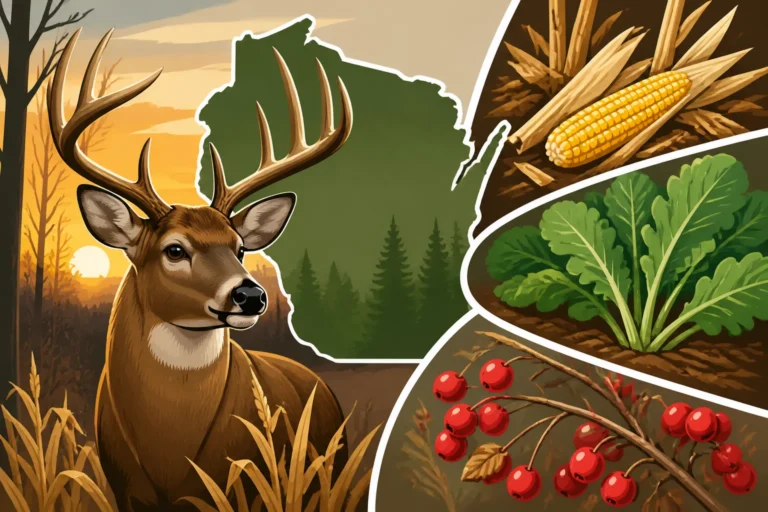
As October progresses, the primary food sources for deer begin to change. While acorns might have been the main draw earlier in the fall, by late October, many oak varieties have dropped the majority of their mast. Deer will start shifting their focus to other reliable caloric sources, particularly in agricultural areas. Cut cornfields, standing soybeans, and winter wheat plots become magnets for deer, especially does. Bucks will follow the does, often cruising the edges of these fields, scent-checking for any sign of estrus.
In northern forest regions or areas without extensive agriculture, deer will key in on other browse, remaining acorn crops, or even late-season soft mast if available. Identifying these current preferred food sources is critical. A quick scouting trip to check what deer are currently browsing or feeding on can tell you where to concentrate your efforts. Understanding Late-Season Food Sources for Whitetails can give you a better grasp of these shifts and where to find the deer. Don't get stuck on where the deer were feeding; find out where they are feeding now.
Navigating Hunting Pressure
Unfortunately, by late October, hunting pressure often starts to build, especially on public lands, as more hunters get out in anticipation of the rut and the gun season. This increased pressure can push deer into more secluded, thicker cover, making them more nocturnal or causing them to entirely abandon certain areas. It's a common frustration, but it doesn't mean your hunt is over.
This is where GoHunt and similar mapping tools become even more valuable. They can help you identify remote pockets of public land, areas that are difficult to access, or those farther off the beaten path where other hunters might not venture. Sometimes, simply walking an extra half-mile or navigating through a swamp can put you into deer habitat that sees significantly less pressure. Consider hunting areas that offer different challenges, like thick cedar swamps or brushy clearcuts, where deer feel more secure. Exploring strategies to find Finding Ground Others Walk Past can be a real game-changer when pressure is high. Remember, pressured deer still need to eat, drink, and breed, but they'll do it in safer, often overlooked spots.
| Pre-Rut Indicator | Deer Behavior | Optimal Hunting Tactic | Best Time to Hunt | Considerations |
|---|---|---|---|---|
| Increased Rubs | Bucks marking territory, expanding range. | Set up along rub lines, especially fresh ones. | Morning/Evening, after cold fronts. | Look for large, fresh rubs indicating mature bucks. |
| Active Scrapes | Bucks checking for does, leaving scent. | Hunt downwind of primary scrape lines. | Morning/Evening, after cold fronts. | Combine with calling for increased effectiveness. |
| Cruising Bucks | Bucks actively searching for estrus does. | Target funnels, pinch points, travel corridors. | All day, especially midday on overcast days. | Focus on areas connecting bedding to feeding. |
| Expanded Home Ranges | Bucks moving into new, previously unused areas. | Scout new areas, adapt to shifting patterns. | Any time, but early morning and late afternoon. | Use mapping apps like GoHunt to identify these. |
| Doe Group Stability | Does still in groups, not yet receptive. | Hunt near doe bedding/feeding areas (bucks follow). | Morning/Evening. | Bucks will be checking these groups. |
| Cold Front Arrival | Increased movement and aggression. | Hunt immediately after a significant temperature drop. | All day, capitalize on increased activity. | Prepare for colder conditions. |
| Food Source Shifts | Moving from acorns to agricultural fields/browse. | Re-scout food sources, hunt edges of new ones. | Evening, as deer move to feed. | Observe what deer are actively eating. |
Disclaimer
Hunting is an inherently dangerous activity. Always prioritize safety, follow all local and state regulations, and obtain proper licenses and permits. The information provided here is for educational and entertainment purposes only and should not replace professional guidance or personal judgment. Be aware of changing conditions and hunt responsibly.