Woodcock Hunting Wisconsin Alder Runs
For many upland hunters in Wisconsin, the ruffed grouse often steals the spotlight, leaving another fantastic game bird, the American woodcock, a bit overlooked. It's a shame, really, because these "timberdoodles" offer some of the most challenging and rewarding hunting opportunities, especially when you know where to look. This comprehensive guide is all about peeling back the layers on how to effectively pursue woodcock specifically within the dense, wet, and often frustrating, but ultimately productive, alder runs scattered across our beautiful state.
Understanding the Woodcock and Its Wisconsin Habitat Needs
The American woodcock is a fascinating bird, a true woodland shorebird that often catches hunters by surprise with its unique appearance and flight patterns. If you've ever walked into a thick patch of alders and had a bird spring up like a fuzzy rocket, you know exactly what I'm talking about. But understanding their specific needs is the first step to consistently finding them.
The Elusive Timberdoodle's Life Cycle and Preferences
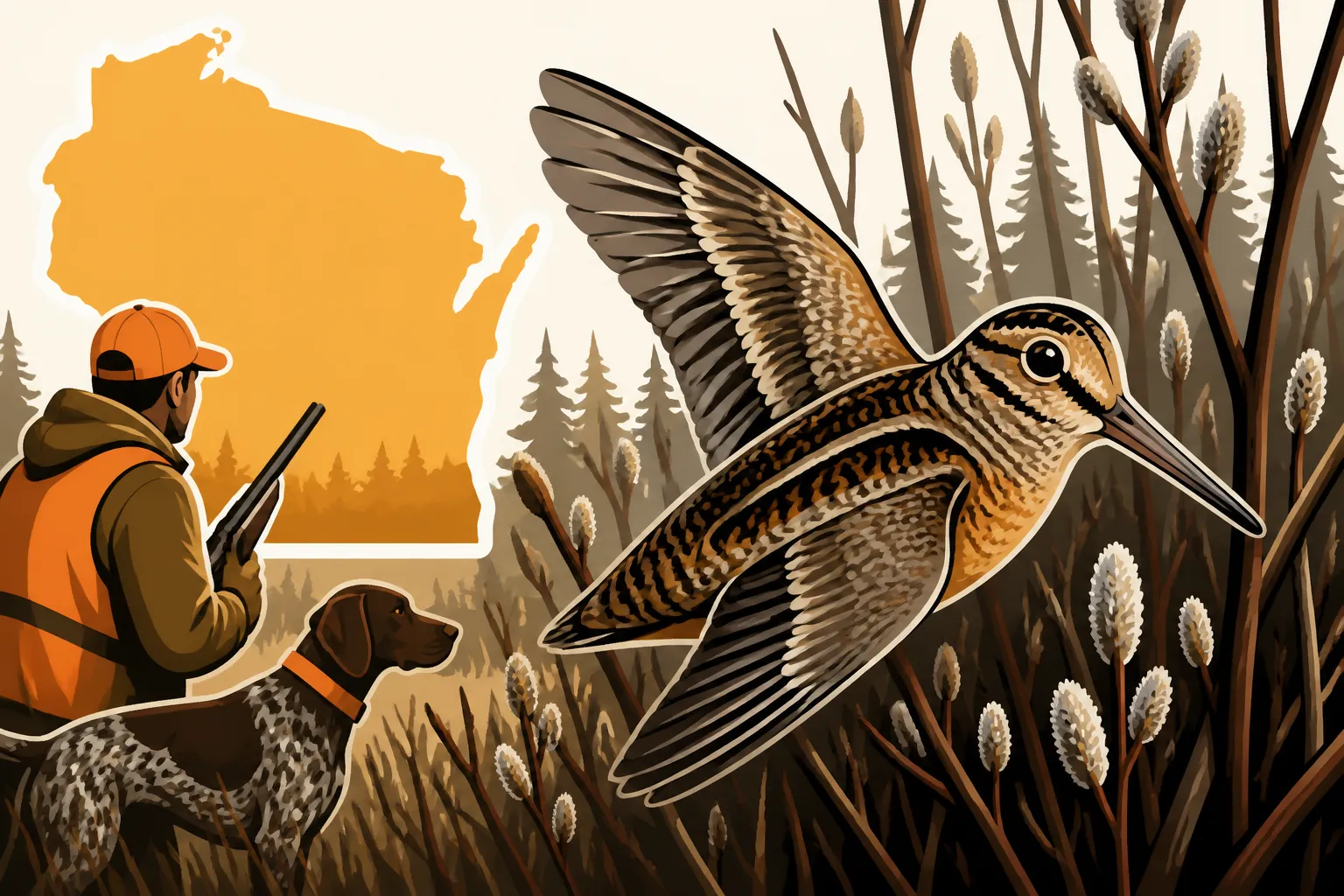
Woodcock are primarily insectivores, with a diet heavily dependent on earthworms. This single dietary preference dictates much of their behavior and habitat selection. They possess a long, flexible bill perfectly adapted for probing soft, moist soil, which is why you'll rarely find them in dry, upland hardwoods. Their cryptically patterned plumage allows them to blend almost perfectly into the leaf litter, making them incredibly difficult to spot until they flush. In Wisconsin, we see both local breeding populations and a significant influx of migratory birds moving south from Canada and northern states, especially as colder weather pushes them out of frozen grounds. This migratory pattern is key to understanding when and where to hunt them, as it can dramatically increase the number of birds present in suitable cover.
Why Alder Runs Are Woodcock Magnets in Wisconsin
Alder runs, those dense, often boggy thickets of alder shrubs that typically grow along streams, low-lying areas, or wetland edges, are absolute havens for woodcock. What makes them so special? It boils down to a few critical factors. First, the soil in these areas is consistently moist, even during drier spells, which keeps the earthworms active and accessible. Second, the dense, twiggy cover of young alders provides excellent overhead protection from avian predators like hawks and owls, as well as ground predators. This cover is thick enough to make a safe hiding spot, yet open enough at ground level for the woodcock to move around and probe for food. Finally, these areas often lie adjacent to slightly higher ground or mixed forest, offering the birds a diverse habitat mosaic for roosting or other activities, while still providing that critical feeding ground. Without these specific conditions, woodcock simply won't stick around.
Identifying Prime Alder Coverts
Not all alder patches are created equal, and knowing what to look for can save you a lot of fruitless walking. Prime woodcock coverts are typically characterized by young, vigorous alder growth, usually less than 15-20 years old, forming a dense canopy that casts considerable shade on the forest floor. You want to see moist, soft earth underfoot, sometimes even muddy. The most definitive signs of woodcock presence are their "borings" – small, pencil-sized holes in the soil where they've probed for worms – and their "splash" – distinctive white, chalky droppings, often about the size of a quarter. If you find these signs, you're in the right place. Don't be afraid to poke around a bit with a stick; if the soil is easy to penetrate, it's worm country. I find that using mapping apps like GoHunt is invaluable for pinpointing these low-lying, wet areas, especially when combined with satellite imagery to identify the characteristic dense, dark green of alder thickets.
Timing Your Hunt: The Wisconsin Woodcock Migration Window
Unlike grouse, which are resident birds, woodcock are migratory, and their presence in Wisconsin ebbs and flows with the seasons. Understanding these movements is paramount to a successful hunt. The true magic for woodcock hunting often lies in hitting that sweet spot during the migration.
Early Season Opportunities September
When Wisconsin's hunting seasons kick off in September, you'll find primarily local, resident woodcock populations. These birds hatched earlier in the spring and have spent the summer fattening up. While there might not be the sheer numbers you'll see later, early season can be quite good for finding pockets of birds that haven't faced much hunting pressure yet. The challenge here can be the weather; early September can still be quite warm, which makes hunting with a dog more strenuous and can affect how long birds hold. Focus on the coolest, shadiest parts of the alder runs, especially those closest to a steady water source. If you're out early for grouse, keep an eye out, because you might just stumble into some timberdoodles before the big push.
The Peak Migration Flight October
October is, without a doubt, the prime time for woodcock hunting in Wisconsin. This is when the northern flights begin to push through our state, dramatically increasing bird numbers. It's truly a migratory spectacle, and if you're looking to hit the jackpot, this is your window. The timing of this peak can vary slightly year to year, largely influenced by weather patterns and cold fronts to our north. A strong cold front pushing down from Canada often signals an imminent increase in woodcock activity. Keep an eye on weather forecasts for areas north of Wisconsin; when they get their first hard freezes, you can bet birds will be on the move. Many a veteran hunter has found themselves in an alder run during a crisp October day, witnessing a seemingly endless stream of birds flushing ahead of their dog. This phenomenon, which you can learn more about by checking out When Woodcock Migrate Through Wisconsin, is what every timberdoodle enthusiast dreams of.
Late Season Challenges and Rewards November
As November rolls in and winter truly starts to assert itself, woodcock numbers in Wisconsin will begin to dwindle. The ground starts to freeze, making it harder for them to probe for worms, forcing the remaining birds further south. Hunting in late November can be challenging. You might encounter colder temperatures, occasional snow, and fewer birds overall. However, there are still rewards to be found. The remaining birds, often tucked into the thickest cover or areas with seeping springs that keep the ground soft, can offer less pressured opportunities. Plus, the often-bare branches of the alders can provide slightly better visibility for those quick shots. You'll need to work harder, and cover more ground, but finding a few straggler woodcock in the quiet solitude of a late fall woods can be incredibly satisfying. Just be prepared for the chill, and make sure your gear is up to snuff for the colder, wetter conditions.
Essential Gear for Wisconsin Alder Run Woodcock Hunting
Hunting woodcock in alder runs presents its own unique set of challenges, and having the right gear can make all the difference between a frustrating day and a successful one. We're talking about dense cover, wet ground, and fast-flushing birds, so your equipment needs to be up to the task.
Shotguns and Ammunition for Close Quarters
When you're hunting in alders, shots are almost always close and quick. You need a shotgun that's light, fast-handling, and points instinctively. Many seasoned woodcock hunters favor a 20-gauge or even a 28-gauge side-by-side or over/under for their balance and quick swing, though a nimble semi-automatic or pump can work too. The key is an open choke; cylinder or improved cylinder are typically ideal for the short distances you'll be shooting. Anything tighter, and you'll often be blowing holes in the air around the bird, or worse, making a mess of a close-range flush. As for ammunition, small shot sizes are the rule. Number 7.5 or 8 shot offers a dense pattern suitable for these smaller birds without overkill. If you're looking for specifics on pellet sizes, Shot Size for Grouse and Woodcock is a great resource. Remember, a lighter load will also be easier on your shoulder after a day of carrying your gun through the brush.
Clothing and Footwear for Wet, Thick Cover
Wisconsin alder runs are often wet, muddy, and full of snags and thorns. Your clothing needs to offer protection from the elements and the environment. Durable, waterproof brush pants are non-negotiable. Look for materials like briar-proof canvas or tough synthetic blends that will shed water and stand up to constant abuse from alder branches, thorns, and fallen logs. For detailed options, consider reading Brush Pants for Wisconsin Alder. When it comes to footwear, rubber boots are often the best choice for consistently wet conditions, providing full waterproofing and good traction in mud. Look for models that offer good ankle support if you're traversing uneven terrain. Layering is also crucial. You'll be walking through thick cover, which can generate a lot of heat, but then you might stand still for a moment or encounter a brisk breeze. Moisture-wicking base layers, a warm mid-layer, and a waterproof outer shell will allow you to adapt to changing conditions. And, of course, don't forget your blaze orange vest or hat to meet Wisconsin's safety requirements, ensuring you're visible to other hunters.
Navigational Tools and Dog Gear
Navigating dense alder runs can be disorienting, even for experienced hunters. A reliable GPS unit or a mapping app on your phone, like GoHunt, is essential. These tools allow you to track your path, mark bird flushes, and ensure you can find your way back to your vehicle. Many hunters use the GoHunt app to pre-scout potential woodcock coverts from aerial imagery, identifying those tell-tale dark green, low-lying areas. If you're hunting with a dog, a GPS collar is an absolute game-changer. Not only does it help you keep track of your dog in thick cover, but many modern systems also show you exactly where your dog is pointing or where it last flushed a bird. This can save you countless hours of searching for a lost dog or a downed bird. Additionally, a bell on your dog's collar is a classic and effective way to know where they are even when out of sight, helping you anticipate flushes. For more insights on canine equipment, check out Bird Dog Gear for Wisconsin Cover.
Tactics for Flushing and Bagging Woodcock in Alders
Hunting woodcock is a unique dance between hunter, habitat, and bird. Their explosive flush and often erratic flight demand quick reflexes and a keen understanding of their behavior. It's a game of patience, persistence, and sometimes, pure luck.
Working the Cover: Strategies for Solo Hunters and Small Groups
When you step into a dense alder run, the sheer thickness can feel overwhelming. The key is to adopt a slow, methodical approach. Woodcock often hold incredibly tight, preferring to let you walk right past them before flushing. A zig-zag pattern through the cover, rather than a straight line, helps you cover ground thoroughly and increase your chances of flushing a bird. Pause frequently, listen for subtle sounds in the brush, and pay attention to areas that look particularly "birdy" – maybe a patch of extra-soft ground or a slight opening in the canopy. If hunting with a partner, spread out just enough to cover a wider swath, but stay within shouting distance and always know where your hunting companions are. Communication is vital in such dense cover to ensure safety and coordinate efforts. Remember, patience is your best friend; rushing through will often lead to missed opportunities.
The Role of a Good Bird Dog
For many, hunting woodcock (and grouse) without a dog is almost unthinkable. A well-trained bird dog is not just an asset; it's practically a necessity in dense alder runs. Whether you prefer a pointing breed like a Setter or Pointer, or a flushing breed like a Springer Spaniel or Labrador, a dog's keen nose is invaluable for locating these cryptically hidden birds. Pointing dogs excel at locking up on a bird, allowing the hunter to move in for the flush and prepare for the shot. Flushing dogs, on the other hand, cover ground quickly and push birds into the air, requiring the hunter to be constantly ready. Regardless of breed, a dog significantly increases your chances of finding birds you would undoubtedly walk past and, critically, helps you locate downed birds in the near-impenetrable cover. This is especially important for a bird as small and camouflaged as a woodcock. A lost bird is a wasted bird, and a good retriever drastically reduces that possibility. If you're fortunate enough to hunt with both grouse and woodcock in the same areas, your dog will appreciate the variety, and you might even consider Hunting Grouse and Woodcock Together.
Shot Placement and Handling the Fast Flush
The woodcock's flush is legendary: a sudden, often vertical explosion from the leaves, accompanied by a distinctive twittering sound from its wings. This can be startling, and it's easy to rush the shot. The key is to stay calm, let the bird clear the immediate canopy, and pick a clean line of flight. Many birds will climb quickly, then level off, offering a brief window for a shot. Because they typically flush at close range, you don't need to lead them excessively. A quick, instinctive swing through the bird's flight path and a tap of the trigger is often all that's required. Practice your swing and mounting your gun quickly. Once you've made the shot, mark where the bird falls precisely. In dense alder, a downed bird can disappear instantly. If you have a dog, let them do their work. If hunting solo, take a mental note of a specific tree or landmark, and walk directly to that spot. It might take some searching, but perseverance is key to recovering your prize.
Locating and Accessing Wisconsin's Best Alder Habitats
Wisconsin is blessed with a significant amount of public land, and within these vast areas, you can find excellent woodcock habitat. The trick is knowing where to focus your scouting efforts to maximize your chances of success.
Public Land Gems with Prime Alder Runs
When you're looking for woodcock, focus your search on areas with abundant water and mixed forest types. Northern Wisconsin's extensive public lands, like the Chequamegon-Nicolet National Forest and the Northern Highland-American Legion Forest, are prime examples. These regions often feature numerous small streams, low-lying bogs, and areas managed for young forest growth that create ideal alder run habitat. State Wildlife Areas, particularly those managed for upland birds or waterfowl, can also be excellent choices. Look for areas described as "wetlands" or "shrub swamps" adjacent to young hardwoods. Using the Wisconsin DNR's public access maps or an app like GoHunt can help you identify these specific parcels of public land and even allow you to scout them virtually from home before you ever set foot in the field. Remember, woodcock aren't just in the big forests; they can also be found in smaller, overlooked pockets of suitable cover across the state. Even some sections of the Mississippi River Public Hunting areas that feature low-lying river bottomlands can hold migratory woodcock.
Scouting Before the Season and During the Hunt
Effective woodcock hunting often begins long before opening day. Pre-season scouting, even just a walk in late summer, can reveal active coverts by the presence of borings and splash. Look for areas with a mix of young alders, dogwood, and willow. You might also identify nearby upland areas with young aspen or birch, which can be good How Old a Cut Should Be for Grouse, and these often adjoin the wetter alder patches where woodcock like to feed. During the hunt itself, pay attention to where you're finding birds. Are they concentrating in particular density patches? Near specific water features? Are they using openings or edge habitats? Woodcock tend to be creatures of habit, and understanding their preferences on a micro-level can help you predict where to find more birds. Remember to make notes or drop pins on your GoHunt app when you find productive spots; this data becomes incredibly valuable for future hunts.
Respecting Habitat and Other Hunters
Hunting in public land alder runs means sharing the resource, and practicing good etiquette is crucial. Be mindful of other hunters, especially during the peak migration when Hunting Pressure on Wisconsin Public Land can be higher. Give other parties ample space, and if you encounter someone, a friendly wave or quick chat goes a long way. Always be aware of private land boundaries, which can often be intermingled with public parcels. Respect posted signs and landowner wishes. When moving through fragile wetland habitats, try to minimize your impact. Avoid trampling sensitive vegetation unnecessarily. The health of these alder ecosystems is vital not only for woodcock but for a host of other wildlife. By being a responsible and respectful hunter, you help ensure that these fantastic opportunities remain available for years to come.
Wisconsin Woodcock Hunting Snapshot
| Aspect | Early Season (Sept) | Peak Migration (Oct) | Late Season (Nov) |
|---|---|---|---|
| Bird Numbers | Moderate (local birds) | High (migratory influx) | Low (migratory exodus) |
| Weather | Mild to warm | Cool, crisp, potential cold fronts | Cold, potential snow, freezing ground |
| Cover Density | Very thick, green leaves | Thick, leaves often turning/falling | Thicker at base, bare branches above |
| Soil Conditions | Moist, soft | Moist, soft, may start to firm up | Often firming/freezing, seeps crucial |
| Dog Comfort | Can be hot, hydration needed | Ideal temps for working dogs | Cold can be tough, paw protection |
| Hunter Traffic | Moderate, often mixed with grouse hunters | High during peak flights | Low |
| Key Advantage | Less pressured birds | Sheer numbers, active birds | Solitude, potentially easier spotting |
| Primary Challenge | Heat for dogs, dense foliage | Crowds, hitting the exact timing | Low numbers, cold, frozen ground |
Disclaimer
The information provided in this article is for general guidance and informational purposes only. Hunting regulations, seasons, and bag limits in Wisconsin are subject to change. Always consult the most current Wisconsin Department of Natural Resources (DNR) hunting regulations and official publications before planning and undertaking any hunting activities. It is the hunter's responsibility to know and obey all applicable laws and regulations. Engaging in outdoor activities carries inherent risks; always prioritize safety and hunt responsibly.