Baiting Bears in Wisconsin
The thrill of chasing a black bear through Wisconsin's vast wilderness is truly an experience, but let's be honest, it often starts long before you even step foot in the woods with your bow or rifle. For many, the journey begins with baiting, a method that can be incredibly effective yet also incredibly frustrating if you don't understand the nuances. This guide aims to pull back the curtain on bear baiting in Wisconsin, helping you navigate the regulations, understand the strategies, and ultimately improve your chances of a successful hunt.
Understanding Wisconsin's Bear Baiting Regulations
Wisconsin has a rich tradition of bear hunting, but with that tradition comes a strict set of rules, especially when it comes to baiting. It’s not just about throwing out some goodies and hoping for the best; there are legal timeframes, specific bait types, and even rules about where you can place your bait. Ignoring these can land you in serious trouble, so let's break down what you absolutely need to know.
Key Dates and Legal Timeframes for Baiting
One of the most critical aspects of bear baiting in Wisconsin is adhering to the calendar. You can't just start throwing out bait whenever you feel like it. The Wisconsin Department of Natural Resources (DNR) sets specific dates when baiting is allowed to begin, and these dates are ironclad. Generally, bear baiting begins a few weeks before the bear hunting season itself, which gives the bears time to find your site and get comfortable with visiting it regularly. For instance, if the bear season opens in early September, you might find that the Wisconsin Bear Baiting Start Date is sometime in August. This window allows hunters to establish their sites, condition bears to visit, and gather crucial scouting information.
It’s easy to get excited and want to jump the gun, but patience here is paramount. Starting too early not only violates regulations but can also lead to your bait site being "burned out" before the season even begins, as bears might get spooked or simply move on once hunting pressure starts. Always double-check the current year's regulations on the official Wisconsin DNR website, as these dates can sometimes shift slightly. Knowing these dates, and sticking to them, is the first step in a successful and legal baiting operation.
Permitted Bait Types and Prohibited Substances
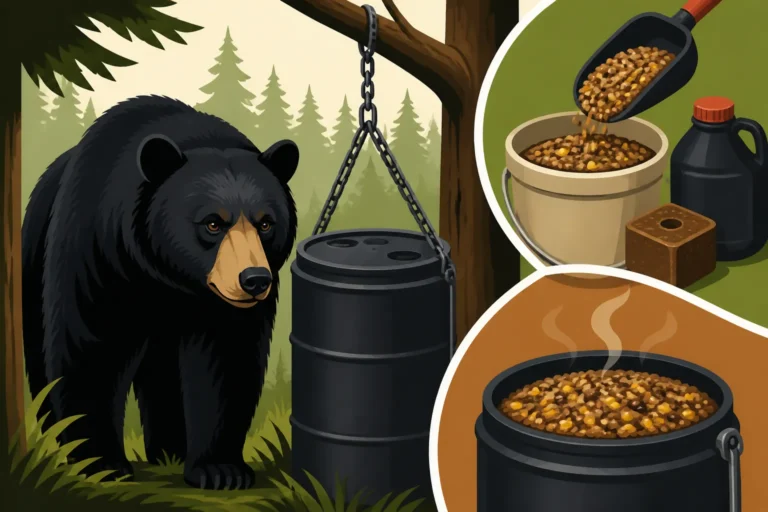
When it comes to what you can actually use as bait, Wisconsin has clear guidelines designed to protect wildlife and prevent the spread of disease. You can't just use anything and everything; there's a definite "do's and don'ts" list. Generally, common bear bait items include things like stale bakery goods, candy, nuts, fruit, and even some types of meat scraps, often mixed with an attractant like molasses or fruit flavors. The goal is a high-calorie, high-scent mix that will grab a bear's attention from a distance and keep them coming back for more. Many successful hunters have specific recipes they swear by, often a blend of sweet, oily, and pungent ingredients. For a deeper dive into the specifics, check out What Bear Baiters Use in Wisconsin.
However, just as important as knowing what you can use is knowing what is strictly prohibited. Any meat or animal parts that are considered "carcasses" are typically forbidden due to disease transmission concerns. This means no whole deer carcasses, no animal entrails, and generally no raw meat that hasn't been specifically processed for bait. Additionally, any bait containing human food waste that could attract bears to populated areas is also a no-go. The regulations are largely aimed at preventing the spread of diseases like Chronic Wasting Disease (CWD) to other species, as well as minimizing human-bear conflicts. Always ensure your bait choices align with current regulations to avoid hefty fines and protect Wisconsin's wildlife.
Site Selection and Distance Requirements
Picking the perfect spot for your bear bait is a delicate balance of accessibility, bear habitat, and regulatory compliance. You can't just set up a bait site anywhere. Wisconsin law dictates specific distance requirements from public roads, buildings, and often from property lines. These rules are in place to ensure public safety and minimize conflicts with landowners. For instance, you might need to ensure your bait site is at least 50 yards from the center of a public road or 100 yards from any dwelling. Again, these specific distances can vary and are worth verifying with the most current DNR regulations.
Beyond legal requirements, strategic site selection is about understanding bear behavior and the landscape. Bears typically prefer secluded areas with dense cover, often near water sources. Look for areas with good natural travel corridors, like old logging roads, creek bottoms, or natural funnels. While you want it remote enough for bears to feel comfortable, you also need it accessible enough for you to replenish bait regularly without making too much noise or leaving excessive human scent. Utilizing tools like the Wisconsin Hunt Wild App or GoHunt's mapping features can be invaluable here. These platforms allow you to scout remotely, identify potential travel routes, assess cover, and even measure distances to ensure compliance before you ever step into the woods. A well-chosen site, combining legal compliance with optimal bear habitat, sets the stage for success.
Essential Gear and Preparation for Baiting
Once you've got the regulations down and a location in mind, it's time to gather your tools and get to work. Baiting bears isn't just about dumping food; it requires specific gear to keep your bait fresh, monitor activity, and manage your presence at the site. This preparation phase is crucial for establishing an attractive and effective bait station.
Choosing the Right Bait Containers and Dispersal Methods
The way you present your bait can make a huge difference in its effectiveness and longevity. Simply scattering food on the ground is often a recipe for quick consumption by smaller critters and rapid spoilage. Most successful bear baiters utilize some form of robust container to hold their bait. This could be a repurposed steel drum, a heavy-duty plastic barrel, or a purpose-built bear feeder. These containers typically have small openings or a mechanism that allows bears to work for the bait, dispensing it slowly. This not only makes the bait last longer but also keeps the bear engaged, encouraging repeat visits. You'll often see these barrels chained to a tree or stake in the ground to prevent bears from dragging them off into the brush.
The goal is controlled access. You want the bear to expend some effort, which simulates a natural foraging experience and extends the "life" of your bait site between refills. Many hunters like to use a mixture of dry, appealing scents (like anise oil or vanilla extract soaked in rags) hung near the site, combined with heavier, calorie-dense foods in the barrel. The scent draws them in, and the contained food keeps them there. Remember, Building and Freshening a Wisconsin Bear Bait is a continuous process, and the right container is central to that strategy.
Trail Cameras and Scouting Tools for Bait Sites
In today's hunting world, trail cameras are practically indispensable for bear baiting. They are your eyes in the woods, giving you a detailed look at what's visiting your site, when they're visiting, and even how many different bears are coming in. Positioning your cameras strategically is key; you want a clear shot of the bait container, but also a broader view of the approach to help identify new visitors. Cellular trail cameras, while an investment, can save you countless trips to the woods, allowing you to monitor activity from afar. Being able to see real-time photos of a large boar showing up at 2 AM is invaluable for planning your hunt.
Beyond the cameras themselves, using a robust mapping app like GoHunt or other digital scouting tools is a game-changer. These platforms allow you to mark your bait site, record camera locations, track bear activity patterns, and even chart potential stand locations based on prevailing winds and approach routes. You can overlay aerial imagery, topo maps, and even public/private land boundaries. This level of detail helps you scout more efficiently, even from your couch, and minimizes disturbance at the actual bait site. This diligent monitoring helps you gauge the effectiveness of your bait and learn the specific bears that are frequenting your area, giving you an edge come season.
Managing Scent and Human Intrusion at Your Site
Bears, with their incredible sense of smell, are highly sensitive to human presence. Every time you visit your bait site, you're leaving a calling card of human scent, which can make a bear wary. Minimizing your intrusion is paramount. This means being mindful of the wind direction when you approach, wearing clean clothes, and perhaps even using scent-eliminating sprays or rubber boots that don't pick up human odor as easily. Plan your bait refills efficiently; go in, get the job done, and get out quickly.
Beyond your physical scent, avoid leaving trash, cigarette butts, or anything else that screams "human was here" around the site. Some hunters even take circuitous routes to and from their bait sites to avoid creating a predictable path that bears might associate with danger. The goal is for the bear to associate the site only with food and safety, not with human disturbance. A consistent, low-impact approach to maintaining your bait can build a bear's confidence in the site and ensure they continue to visit, especially as the season draws closer.
Strategies for Effective Bear Baiting
Now that you've got your site set up and your gear in order, it's time to talk tactics. Bear baiting isn't a "set it and forget it" endeavor; it requires ongoing effort, observation, and adaptability. Understanding how to draw bears in, keep them interested, and interpret their behavior will significantly increase your odds of success.
Attracting Bears to a New Bait Site
Establishing a new bait site is like launching a new restaurant in the wilderness – you need to get the word out! The initial pull is all about powerful, long-range attractants. Bears are incredibly curious and have an exceptional sense of smell, so pungent, sweet, and oily scents are your best friends. Think about things like anise oil, concentrated vanilla, cherry, or even bacon grease. Many hunters will "burn" some of these strong-smelling attractants to carry the scent further on the wind, essentially creating a massive scent cone. You can also hang scent wicks or rags soaked in attractants from nearby trees.
Once bears are drawn into the vicinity, you need to entice them to the actual bait. This is where a trail of enticing treats comes in. Some hunters will lay a "bait trail" leading from obvious bear travel corridors directly to their barrel. This could be a sprinkle of highly aromatic dog food, a few pieces of candy, or a drizzle of molasses. The idea is to trigger their natural foraging instincts and guide them right to your main cache of food. Patience is key during this initial phase; it might take several days, or even a week or two, for bears to discover and commit to a new site, especially in areas with lower bear density or abundant natural food sources.
Maintaining and Freshening Your Bait Site
Once a bear starts hitting your bait, the real work of maintenance begins. Consistency is vital. Bears are creatures of habit, and they will quickly learn to rely on your site as a food source if it’s regularly replenished. This means frequent visits, usually every 2-3 days, to add fresh bait. The amount of bait needed will depend on the number of bears visiting, the size of those bears, and the time of year. As the season progresses and bears get closer to hibernation, their caloric intake can increase dramatically. For more on this, consider reading Building and Freshening a Wisconsin Bear Bait.
Beyond just adding more food, "freshening" the site involves renewing those powerful attractant scents. Reapply oils, replace scent wicks, and perhaps even add a new "dump" of high-value, highly aromatic food to the top of your barrel. If you notice the bait isn't being hit as hard, or smaller critters are cleaning it out, you might need to adjust your strategy. This could mean changing the type of bait, modifying your container, or even moving the site a short distance if something is making bears wary. The art of baiting lies in observing, adapting, and continuously making your site the most irresistible spot in the woods.
Reading Bear Sign and Patterns at the Bait
Your trail cameras will give you pictures, but a keen eye on the ground can tell you even more. Bears leave a wealth of information at a bait site. Look for tracks in the mud or soft ground around the barrel – their size and freshness can tell you a lot about the bear and how recently it visited. Scat (bear droppings) can indicate what they've been eating, confirming they're hitting your bait. Rubs on nearby trees, where bears scratch their backs or mark their territory, are also important indicators of activity. You might even find claw marks on trees near the barrel, showing where they climbed to get a better vantage point or access.
Beyond physical sign, interpreting your trail camera photos for patterns is crucial. Pay attention to the time of day bears are visiting. Are they primarily nocturnal, or are they showing up in daylight? A mature boar, especially an older, wiser one, might only come in under the cover of darkness. Are multiple bears visiting, and if so, how do they interact? Do they come alone or in small groups (often sows with cubs)? Understanding these patterns allows you to predict when the specific bear you're targeting is most likely to show up, helping you plan your stand times. This intricate knowledge, gathered through careful observation, is what truly separates a casual baiter from a consistently successful bear hunter. GoHunt's analysis tools can even help you track these patterns and gain deeper insights.
| Bait Type | Primary Attractant | Pros | Cons | Regulatory Status (WI) |
|---|---|---|---|---|
| Bakery Goods (Stale) | Sweet, Carb-rich | Highly attractive, affordable | Can spoil quickly in heat, attracts small critters | Permitted |
| Candy/Gummy Bears | Sweet, Sugary | High energy, strong scent | Can melt, expensive in bulk, attracts insects | Permitted |
| Molasses/Syrup | Sweet, Sticky | Long-range attractant, binder | Messy, can attract bees/wasps | Permitted |
| Dog Food (Dry) | Savory, Oily | Economical, good base, easy to store | Less attractive than sweet baits initially | Permitted |
| Peanut Butter | Oily, High-fat | Sticky, long-lasting scent | Expensive, hard to apply neatly | Permitted |
| Anise Oil | Pungent, Distinct | Very strong, long-range attractant | Not a food source, just a lure | Permitted |
| Meat Scraps (Processed) | Savory, Fatty | High value, strong draw | Strict rules on type, can spoil very fast | Check specific DNR rules (e.g., no carcasses) |
Ethical Considerations and Best Practices
As hunters, we have a responsibility to not only follow the law but also uphold a high standard of ethics. Bear baiting, like any hunting method, comes with its own set of ethical considerations. Approaching these with respect for the animal and the environment ensures we're not just taking, but also contributing to responsible wildlife management.
Minimizing Impact on Non-Target Wildlife
While your bait is intended for bears, you can bet that other critters will find it too. Raccoons, skunks, squirrels, deer, and even coyotes will happily partake in a free meal. While it's impossible to completely prevent non-target species from visiting, you can take steps to minimize their impact and ensure your bait isn't causing unintended problems. Using a robust, bear-specific feeder or barrel with smaller openings can help deter some smaller animals, forcing them to work harder or giving the bear a chance to dominate the site.
Additionally, consider the type of bait you’re using. Excessive amounts of highly sugary baits might attract large numbers of raccoons, which can quickly deplete your bait supply before a bear even gets a chance. Varying your bait mixture and using more substantial, less accessible containers can help manage this. Furthermore, be mindful of your disposal practices. Any spoiled bait or packaging should be removed from the woods; never leave it behind. We want to draw bears to a specific location for a short period, not create an artificial feeding ground that disrupts the natural ecosystem or habituates other wildlife to human food sources.
Dealing with Competing Bears or Other Animals
It's a common scenario: you've got a fantastic bait site, and suddenly, two or three different bears are showing up, or a sow with cubs has taken over. Or maybe, an overly bold raccoon colony is making your life miserable. How you manage these situations can define your hunt. If you're targeting a specific large boar, and a sow with cubs starts dominating the site, you have a few choices. You might decide to temporarily back off the site, or even establish a second, satellite bait location nearby to draw off the sow and cubs. This allows your target bear to regain confidence in the primary site. Remember, sows with cubs are typically not legal to harvest, and it's always best to avoid any situation that could separate a sow from her young.
Dealing with smaller "nuisance" animals like raccoons can be frustrating, as they can empty a barrel faster than you'd believe. Some hunters use more secure bait dispensers or add larger, tougher items (like whole pumpkins or watermelons) that raccoons struggle with but bears can easily smash. Others might even set live traps for raccoons and relocate them (check local regulations on this first!). The key is to keep your target bear in mind and adapt your baiting strategy to ensure your site remains appealing and accessible to them, without causing undue stress or competition from other wildlife.
Responsible Harvest and Post-Hunt Practices
The ultimate goal of baiting is to create a safe, ethical opportunity for harvest. Once you have a bear coming in regularly during legal shooting hours, and you've identified the specific animal you wish to pursue, ensure you are prepared for the shot. Shot Placement on a Black Bear is critical; bears are incredibly tough animals, and a well-placed shot is essential for a quick, humane kill and efficient recovery. Always aim for the vital organs – the lungs and heart – to ensure a clean harvest.
After the shot, responsible practices continue. Track the animal diligently and recover it as quickly as possible. If you lose the blood trail or darkness falls, mark the spot and return with ample help and light. Handling a Bear After the Shot involves not just recovery but also proper field dressing to cool the meat rapidly, especially in warmer early season temperatures. Always adhere to Wisconsin's Wisconsin Bear Registration Rules and report your harvest as required. Lastly, dismantle your bait site after the season or once you've harvested your bear. Remove all containers, uneaten bait, and any trash. Leaving an active bait site after the hunt concludes can attract bears to an area where they might be at risk, or cause issues for other hunters or landowners. Our responsibility extends beyond the shot, encompassing the entire cycle of the hunt.
Common Challenges and Troubleshooting
Baiting bears isn't always smooth sailing. There will be days of frustration, head-scratching moments, and unexpected curveballs. Knowing how to troubleshoot common problems can save you time, effort, and maintain your motivation.
Bears Not Visiting or Avoiding the Bait
You've put in the work, set up a great site, and replenished the bait, but the trail camera shows nothing but raccoons and maybe a deer or two. Or worse, a bear visited once and then vanished. This is incredibly frustrating, but it's a common hurdle. First, reconsider your location. Is it truly in bear country? Check Where Wisconsin Bears Range and consult historical harvest data for your The Six Wisconsin Bear Zones. Perhaps natural food sources (like acorns or berries) are abundant elsewhere, making your bait less appealing. Bears are opportunistic and will often prefer natural foods if they are plentiful.
If you suspect bears are in the area but not hitting your bait, perhaps your scent control needs improvement. Bears are wary of human scent. Try changing your approach route, being quieter, or using more scent-eliminating sprays. Another factor could be the bait itself. Is it fresh? Is it appealing? Sometimes a change in bait type or an increase in strong attractants (like a new flavor of oil or a dump of very sweet pastries) can kickstart interest. It's also possible a dominant bear, or even a wolf, has run off the smaller bears. Sometimes, a full reset, meaning moving the bait site a few hundred yards to a new, fresh area, is the best solution. Don't be afraid to experiment and adjust.
Managing Racoon, Skunk, and Small Critter Raids
Ah, the "trash pandas" and their striped friends. These opportunistic feeders can quickly become the bane of a bear baiter's existence, emptying barrels and leaving little for your target bruins. They are incredibly persistent and can chew through many materials. To combat this, your primary defense is robust, critter-proof bait containers. Steel barrels or extremely thick plastic barrels with small, bear-sized openings are usually more effective than open buckets or weak containers. Reinforce lids and latches.
Some hunters have success with "bear pipes" – a vertical pipe cemented into the ground with a cap, where bait is dropped in, and bears have to reach down to retrieve it. This makes it harder for smaller, less powerful animals to access. You can also try to deter them with strong, unpleasant smells that bears tolerate better, though this is often a trial-and-error approach. For example, some swear by sprinkling cayenne pepper around the base, which raccoons dislike but doesn't bother bears. Regular clean-up of spilled bait around the site also helps, as it removes easy pickings for the smaller critters and forces them to work for the reward in the barrel.
Handling Human Interference or Poaching Concerns
Sadly, not all interference at a bait site comes from animals. You might occasionally encounter signs of human interference, whether it's stolen trail cameras, vandalized bait barrels, or even evidence of poaching. This is disheartening and illegal. If you suspect your site has been tampered with by other people, document everything. Take photos of any damage, note what's missing, and if possible, note any vehicle tracks or footprints.
The most important step is to contact the Wisconsin DNR hotline or a local conservation warden immediately. Do not confront individuals directly, as this can escalate into dangerous situations. The DNR has dedicated officers to investigate these kinds of incidents, and providing them with detailed information is crucial. While preventative measures are difficult, choosing more remote locations for your bait site and marking your gear with identifying information can sometimes act as deterrents. Investing in cellular trail cameras can also help you monitor your site from afar and potentially catch illicit activity as it happens. We all share the woods, and mutual respect, along with adherence to the law, is essential for everyone to enjoy their outdoor pursuits.
Disclaimer
Please note that hunting regulations, seasons, and baiting rules are subject to change. Always consult the official Wisconsin Department of Natural Resources (DNR) website or their current hunting regulations pamphlet for the most up-to-date and accurate information before planning any hunting activities. This guide is for informational purposes only and does not supersede official state regulations.