Bear Bait Barrels and Legal Containers
It's incredibly frustrating when you're trying to do everything right for your Wisconsin bear hunt, but the rules around baiting, especially what you can actually put that bait in, feel like they're written in riddles. You want to attract those bears responsibly and legally, but getting a clear answer on "legal containers" can be a real headache. This guide is going to walk you through exactly what Wisconsin's Department of Natural Resources (DNR) expects when it comes to bear bait barrels and other legal containers, helping you set up your site with confidence.
The Basics of Bear Baiting in Wisconsin
Before we even get to the nitty-gritty of containers, let's lay down the groundwork for bear baiting in Wisconsin. It's a method steeped in tradition for many hunters here, and it's recognized as a valid management tool to help distribute harvest and provide opportunities. However, it comes with a strict set of rules to ensure fair chase, minimize negative impacts on non-target wildlife, and maintain public perception.
Understanding Wisconsin's Baiting Philosophy
Wisconsin's approach to bear baiting isn't just about luring in a bear; it's part of a broader management strategy. By allowing baiting, the DNR provides hunters with a consistent way to attract bears, which can be particularly challenging to locate and hunt in the dense forests of northern Wisconsin. It also allows for careful observation, helping hunters select a bear and ensure an ethical shot. This differs significantly from running hounds, which is another popular method, where the chase itself is a key component. Whether you're planning on Bear Hunting With Bait and Dogs in Wisconsin or just using a bait site, understanding the overarching philosophy helps make sense of the specific rules. The core idea is to create a predictable feeding location that allows for a controlled hunting scenario, rather than a free-for-all.
General Regulations for Setting a Bear Bait Site
Setting up a bear bait site isn't as simple as tossing some donuts in the woods. There are critical regulations you absolutely must adhere to. First off, you need to possess a valid bear harvest authorization (tag) for the zone you're baiting in, or be part of a mentored hunt. You can't just set up a bait site on a whim. The timing of when you can start baiting is also highly regulated; typically, it's several weeks before the season opener, but always double-check the Wisconsin Bear Baiting Start Date to ensure you're in compliance.
Location is key: your bait site must be a certain distance from roads, residential areas, and other established bait sites. This is to prevent conflicts, ensure public safety, and spread out hunting pressure. You also need to prominently display your customer ID number at the bait site, clearly visible to anyone who might encounter it, including DNR wardens. This is crucial for accountability. Lastly, be aware of specific local restrictions, as some counties might have baiting bans due to disease concerns like CWD, though this is primarily a deer-related concern it's wise to be informed about Wisconsin Baiting and Feeding Bans in general.
What Constitutes a Legal Bear Bait Container?
This is where many hunters get tripped up, and it's a critical detail for anyone serious about a legal Wisconsin bear hunt. The DNR's regulations are designed to prevent the uncontrolled spread of bait, minimize consumption by non-target species, and ensure the site doesn't become a permanent fixture that harms the environment.
The "Retention" Principle: Why it Matters
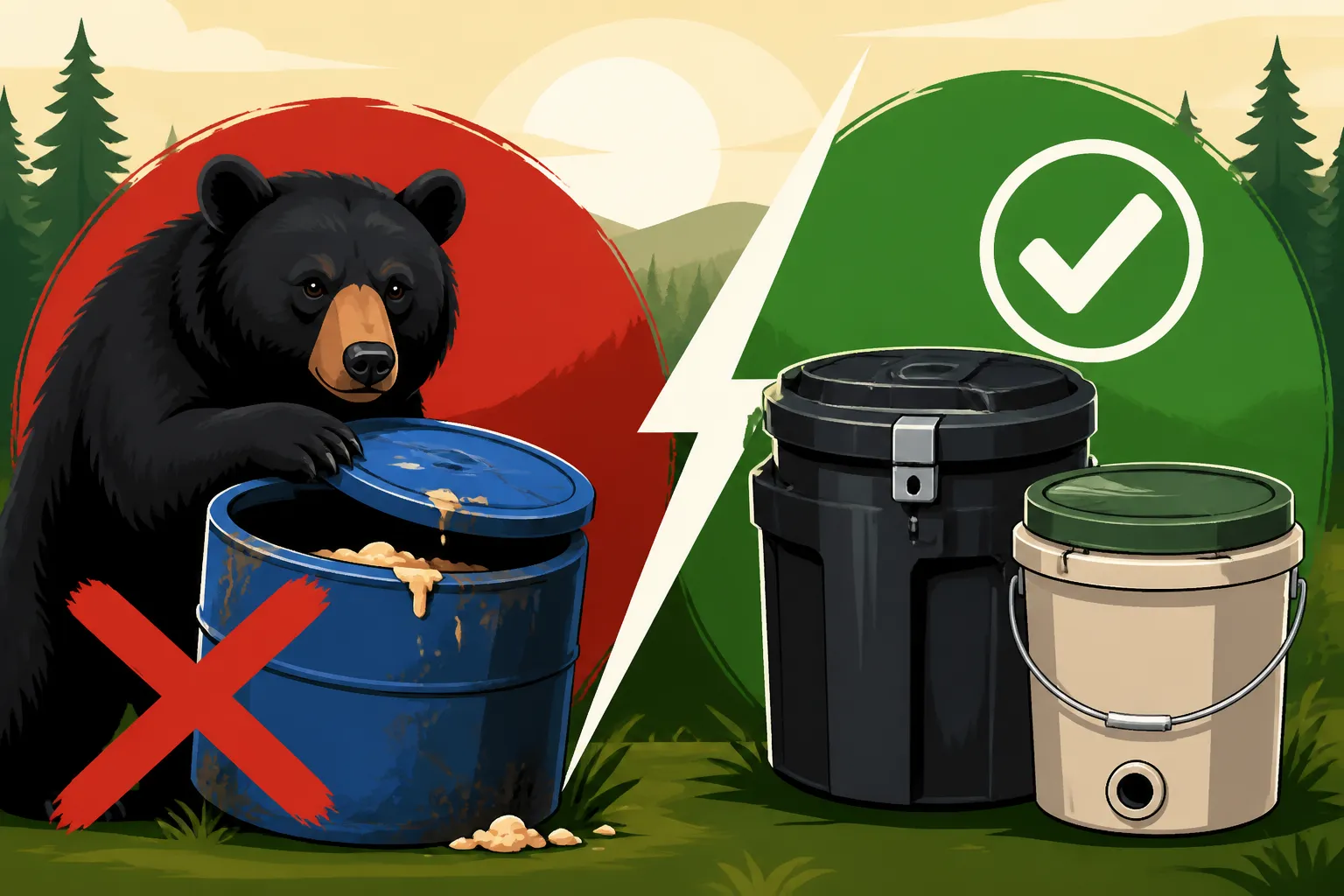
The DNR's primary concern with bear bait containers revolves around the "retention" principle. Simply put, the bait needs to be contained. You can't just scatter a pile of bakery goods or dog food directly on the ground. The intent behind this is multifaceted:
- Preventing Waste and Environmental Impact: Uncontained bait can spoil rapidly, attract unwanted pests (like raccoons, skunks, or even smaller predators), and leave a mess. A container helps manage this.
- Minimizing Non-Target Animal Access: While other animals will inevitably visit a bait site, a properly designed and secured container can deter smaller critters from depleting the bait before a bear even gets a chance, and it can reduce the likelihood of spreading disease among non-target species.
- Ensuring Controlled Consumption: The bait is intended for the bear you are hunting, and containing it helps control how much is consumed at once, encouraging repeat visits rather than a single gorging session.
Imagine simply dumping a large bag of corn on the forest floor. Rain would quickly make it soggy and potentially moldy, animals like squirrels would carry it off piece by piece, and the scent would dissipate quickly. A container aims to mitigate these issues, keeping the bait fresher, more potent, and concentrated for the target animal.
Approved and Common Container Types
So, what actually works? The regulations don't list specific brands or models, but they describe the characteristics of legal containers. They generally need to be durable, designed to hold bait, and capable of being secured.
Here are some common and approved types:
- Steel Drums (Barrels): These are perhaps the most classic choice. A 55-gallon steel drum is robust, heavy, and can be easily modified. Often, hunters will cut a hole in the side or top, or even lay it on its side with a partially open end. The weight makes it difficult for a bear to move far, and they can withstand a lot of abuse.
- Plastic Barrels: Lighter than steel, but still very effective. They come in various sizes and are often used for food-grade storage, making them suitable for bait. They can be easier to transport and modify.
- Sturdy Wooden Boxes/Crates: Custom-built wooden boxes, often reinforced, can work well. The key here is strength; a flimsy wooden box will be quickly demolished. They are often built with a hinged lid that can be secured with a chain or cable.
- Concrete Culverts/Pipes: Less common due to their weight and transport difficulty, but a section of concrete culvert laid on its side makes an incredibly durable and legal container.
- Rock Piles/Natural Depressions: While not strictly "containers" in the manufactured sense, if you can create a natural depression or fortify a small area with rocks to effectively contain the bait, it might pass muster. However, this is far more challenging to do effectively and legally than using a manufactured barrel. For this reason, most hunters stick to barrels.
The key across all these is that the bait cannot simply fall out or be easily scattered. It must be held within the confines of the container. Some hunters get creative, but always lean towards obvious containment.
Modifying Containers for Effectiveness and Legality
Just having a barrel isn't enough; you'll likely need to modify it. These modifications serve two purposes: making it more attractive and accessible to bears, and making it compliant with DNR rules.
- Scent Holes: Many hunters drill small holes (1-2 inches) around the sides or top of plastic or metal barrels. These allow the scent of the bait to waft out more effectively, drawing bears from a greater distance without allowing the actual bait to spill.
- Accessibility Points: For a steel drum laid on its side, you might partially block the opening with a log or rebar to make bears work for it, prolonging their visit and keeping smaller animals out. For an upright barrel, a lid that can be partially secured or has a small opening is common. You want the bear to be able to get at the bait, but not easily carry the entire contents away.
- Securing the Container: This is vital. A bear can easily roll or drag an unsecured barrel away. You'll want to chain or cable your container to a sturdy tree. This prevents the bear from "running off" with your bait source and ensures the site remains where you intended it to be for ethical hunting. Heavy-duty chains and lag bolts are often employed for this.
- Weather Protection: While not strictly a legal requirement for the container itself, covering the opening of your barrel or creating a small lean-to over a wooden box can help protect your bait from rain and snow, keeping it fresher longer and preventing rapid spoilage. This is a best practice for Building and Freshening a Wisconsin Bear Bait.
| Container Type | Pros | Cons | Key Legal Compliance Points |
|---|---|---|---|
| Steel Drum | Very durable, heavy, resists bear damage | Heavy to transport, noisy, can rust | Must contain bait; secure to prevent removal; access for bear. |
| Plastic Barrel | Lighter, easier to transport, quieter | Can be chewed/damaged by persistent bears, less durable | Must contain bait; secure to prevent removal; access for bear. |
| Wooden Box/Crate | Can be custom-built, natural aesthetic | Requires sturdy construction, may rot/break down | Must contain bait; secure to prevent removal; access for bear; durable enough to last. |
| Concrete Culvert | Extremely durable, heavy, permanent | Very difficult to transport/place, expensive | Must contain bait; secure to prevent removal; access for bear. |
Bait Materials and Placement Considerations
Beyond the container itself, what you put inside and how you arrange your site also fall under legal and ethical considerations for a successful and compliant bear hunt.
Legal Bait Attractants and What to Avoid
Wisconsin has specific guidelines on what you can and cannot use as bait. Generally, bears are opportunistic omnivores, and sweet, caloric foods are highly effective.
-
Common Legal Attractants:
- Bakery Goods: Donuts, stale bread, cookies, cakes are incredibly popular. Their high sugar and fat content make them irresistible to bears.
- Corn and Grain: Often mixed with other items to add bulk and provide a base.
- Sweets: Candies, molasses, syrup, jellies can be used to add a powerful scent and flavor.
- Meat Scraps (with caveats): Some hunters use meat trimmings, but be extremely cautious. Any meat from deer, elk, or other cervids harvested in a CWD-affected county cannot be used. Furthermore, meat cannot contain parts of the spinal column or brain material. It's often safer to stick to non-cervid meat or bakery goods to avoid potential violations.
- Commercial Attractants: Many companies sell specialized bear attractants, ranging from potent liquid scents to solid blocks. Just ensure they don't contain any illegal ingredients.
-
What to Absolutely Avoid (Illegal):
- Cervid parts from CWD zones: This is a big one. Never use bones, meat, or organs from deer or elk harvested in a county with CWD. Check the latest CWD maps from the DNR.
- Human Waste/Garbage: You cannot use general household garbage.
- Parts of protected species: Obviously, using parts of protected animals is illegal.
- Harmful substances: Anything toxic or designed to harm animals.
Always refer to the most current DNR regulations on What Bear Baiters Use in Wisconsin as these rules can occasionally be updated based on disease management or other factors.
Maximizing Scent and Accessibility
Once you have your legal bait and container, strategic placement and maintenance are crucial for success. Bears are driven by their incredible sense of smell, so making your bait site a beacon of enticing aromas is paramount.
- Creating a Scent Corridor: Don't just rely on the bait in the barrel. Consider setting up a "scent trail" leading to your site. This could involve dragging a bag of particularly smelly bait (like a greasy donut mix) through the woods, or hanging scent wicks saturated with commercial attractants on branches leading towards your barrel.
- Elevating Scent: Placing your barrel on a slight rise, or even using a small platform, can help the scent travel further on air currents. Remember, bears are often moving through drainages and low areas, so placing scent sources where they can easily pick them up is key.
- Bait "Presentation": While the bait must be contained, you can make it accessible and appealing. For example, if using an upright barrel with a small opening, you might put some of the "smelliest" attractants (like molasses-soaked bread) on top or near the opening to get the bear's attention quickly. You want the bear to find it easily, but then have to work a little to get the bulk of the treat, encouraging them to spend more time at your site.
- Strategic Placement for Hunting: Think about your shot. Position the barrel so that a bear approaching and feeding will offer a broadside shot from your planned stand location. Consider prevailing winds and natural cover for your approach and escape routes.
Security and Maintenance of Your Bait Site
Maintaining your bait site regularly is just as important as the initial setup. A neglected site is a wasted effort and could lead to issues.
- Regular Refreshing: Bears learn quickly where food is. Consistent bait availability encourages repeat visits. You'll need to refresh your bait every few days, especially early in the season when bears are actively feeding. As the season progresses, you might spread out visits slightly. This also allows you to check for bear activity via tracks, scat, and trail camera photos.
- Protecting from Critters: Raccoons, squirrels, and other small game can deplete a bait site surprisingly fast. While a good container helps, sometimes bears themselves can be culprits, trying to drag the entire barrel away. Reinforce chains, use heavier barrels, and consider putting a heavy log or large rocks on top of plastic barrels to deter smaller, less powerful bears from making off with it.
- Scent Control for Hunters: Every time you visit your bait site, you leave human scent. Minimizing this is crucial. Wear clean clothes, spray down with a scent eliminator, and take the most direct route to your barrel. Avoid unnecessary touching of surrounding vegetation. Consider wearing rubber boots to reduce scent transfer. You're trying to attract bears, not alert them to your presence.
Common Pitfalls and Best Practices for Baiting Success
Even experienced bear hunters can make mistakes. Understanding common pitfalls and adopting best practices will not only increase your chances of success but also ensure you stay legal and ethical.
Avoiding Accidental Violations
It's easy to accidentally cross a line if you're not meticulous about the rules.
- Shared Responsibility: If you're baiting with friends or family, ensure everyone understands the rules. An accidental violation by one person can affect the entire group's hunting season. Communication is key to staying legal.
- Public vs. Private Land: Rules can sometimes differ slightly, and boundary lines can be confusing. Always know exactly whether you are on public or private land. If on private land, ensure you have explicit permission. For public land, resources like the GoHunt app or the DNR's Scouting With the Wisconsin Hunt Wild App are indispensable for verifying land ownership and regulations specific to that parcel. Never assume!
- Proper Signage: As mentioned, your customer ID number needs to be clearly displayed at your bait site. This isn't just a suggestion; it's a legal requirement. Without it, your site could be deemed illegal, leading to fines and potential loss of hunting privileges.
- Staying Updated: DNR regulations are subject to change. What was legal last year might have been tweaked this year. Always review the current regulations before you start baiting, especially any specific county-level advisories for Wisconsin Baiting and Feeding Bans.
Ethical Considerations and Site Cleanup
As hunters, we are stewards of the land and wildlife. Our actions reflect on the entire hunting community.
- Leaving a Clean Site: After the season closes or you've filled your tag, it's your responsibility to remove all non-biodegradable materials from your bait site. This means your barrel, chains, ropes, and any other man-made objects. Leaving trash in the woods reflects poorly on hunters and can harm wildlife. Don't be "that guy."
- Minimizing Environmental Impact: While baiting, try to minimize disturbance to the surrounding area. Stick to established trails, avoid cutting live trees unnecessarily, and leave the area as natural as possible.
- Respecting Other Hunters: Good bait site etiquette means not setting up too close to another hunter's site and respecting their space. Part of the DNR's spacing requirements is to help with this, but common courtesy goes a long way in the woods.
Using Technology for Bait Site Management
Modern technology can be a huge asset in managing your bear bait sites effectively and efficiently.
- Trail Cameras: These are invaluable. Placing Trail Cameras on a Wisconsin Bait Site allows you to monitor bear activity without constant human presence, minimizing scent disturbance. You can identify specific bears, track their patterns, and determine optimal hunting times. Ensure your cameras are placed legally on public land (no screws or nails into trees).
- GPS and Mapping Apps: Apps like GoHunt, onX Hunt, or the DNR's Hunt Wild app are game-changers. They allow you to pinpoint your bait site, mark trails, identify property boundaries (crucial for distinguishing public from private land), and understand terrain features that bears might use. This information helps you plan your approach and exit routes silently and efficiently.
- Weather Apps: Keeping an eye on the weather forecast is important for bait preservation (e.g., refreshing bait before a big rain) and for planning your hunting sits. Cold, wet weather requires different gear and tactics than warm, dry days.
By adhering to these guidelines for legal containers and adopting best practices for baiting, you'll be well on your way to a successful and responsible Wisconsin bear hunting experience. Always remember that knowledge and preparation are your best tools in the woods, even more so when it comes to the specific details of baiting.
Disclaimer
This article is for general informational purposes only and does not constitute professional advice. Laws, prices and regulations vary by location and change over time. Consult a qualified professional for guidance on your specific situation.