Best Wisconsin Ground for Public Land Bears
Trying to locate productive ground for bear hunting on public land in Wisconsin can feel like searching for a needle in a vast, wild haystack, especially when you're navigating dense forests and ever-changing regulations. Many hunters struggle to pinpoint areas that hold good numbers of bears while also offering reasonable access and less pressure. This guide is designed to cut through that confusion, helping you identify the best public lands for bear hunting in Wisconsin and offering practical strategies to increase your chances of success.
Understanding Wisconsin's Bear Zones and Public Land
Wisconsin's black bear population is a conservation success story, and the state offers incredible hunting opportunities, particularly on its vast public lands. However, bears aren't evenly distributed, and neither is the type of public land available. Understanding the state's bear management zones and how they align with public access is your first step to finding that prime hunting spot.
Bear Zones and Population Distribution
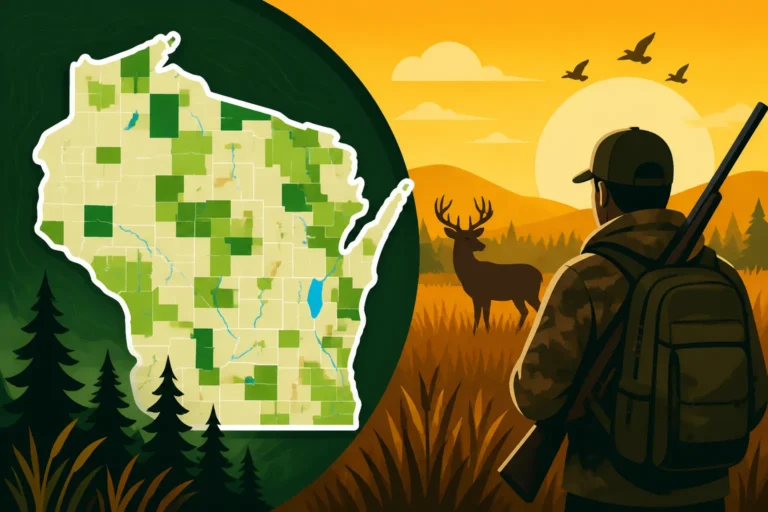
Wisconsin is divided into several bear management zones, each with its own quota and application process. Zones A, B, and D, located primarily in the northern and central parts of the state, generally hold the highest concentrations of bears. Zone C, in the far northern reaches, also has a healthy population. These zones are where you'll find the densest timber, large tracts of undeveloped land, and the kinds of habitat bears thrive in—think mixed hardwood and conifer forests, swampy lowlands, and areas with abundant berry-producing shrubs and oak stands. Bears are incredibly adaptable, though, and while the highest numbers are up north, populations are expanding southward, with sightings and even harvests occurring in counties previously thought to be bear-free. It's truly a testament to how robust the state's bear management has become. To truly grasp the distribution, it's worth checking out the How Many Black Bears Wisconsin Has article.
Understanding these zones is critical because they dictate not only where you can apply for a permit but also the specific regulations regarding hunting methods, which we'll delve into later. For instance, some zones allow the use of dogs and bait, which are popular and effective bear hunting methods, while others might have restrictions. Therefore, knowing your zone and its characteristics is paramount before you even start scouting.
Overlap with Major Public Land Types
Wisconsin is blessed with an abundance of public land, much of it located within these prime bear zones. We're talking about millions of acres managed by federal, state, and county governments, all offering potential bear habitat. The key is to understand which types of public land are most prevalent in the high-density bear areas and what characteristics they offer. For example, the massive Chequamegon-Nicolet National Forest covers a huge portion of northern Wisconsin and is a known bear stronghold. Similarly, many northern counties have extensive county forests that provide excellent, often less-pressured, bear hunting opportunities. State forests and wildlife areas also contribute significantly to the public land footprint, especially in the central forest region. These lands offer diverse terrain, from dense swamps and conifer thickets to rolling hardwood ridges, all providing the cover, food, and denning sites that bears need to survive and thrive. When you're thinking about Scouting Wisconsin Public Land Before Season, having a grasp on these land types is invaluable.
The beauty of Wisconsin's public land system is its variety. You can find everything from easily accessible areas with established trail systems to remote, roadless parcels that require significant effort to reach. This variety means that no matter your hunting style or physical capability, there's likely a public land option that fits your needs. However, this also means you need to do your homework. Simply driving to the nearest public land sign isn't enough; you need to dig deeper into maps and local knowledge to find those truly productive bear spots.
Key Public Land Types for Bear Hunting
When you’re setting your sights on a Wisconsin bear, certain types of public land consistently stand out as prime real estate. These areas offer the habitat, size, and often the remoteness that bears prefer, making them excellent choices for hunters willing to put in the effort.
Chequamegon-Nicolet National Forest
The Chequamegon-Nicolet National Forest is an absolute titan of public land, sprawling across over 1.5 million acres in northern Wisconsin. This vast forest is synonymous with wilderness and holds some of the state's healthiest bear populations. You'll find a mosaic of habitat types here: dense conifer swamps, extensive tracts of aspen and northern hardwoods, vast berry patches, and scattered oak stands that are critical during fall when bears are gorging on acorns. The sheer size of the National Forest means there are countless areas where bears can roam undisturbed, particularly in parcels away from main roads.
Hunting here often means immersing yourself in true wilderness. Expect to walk long distances, navigate dense cover, and potentially encounter other hunters, especially closer to access points. However, for those who are willing to penetrate deeper, the rewards can be significant. The forest's management aims to provide diverse habitats, which benefits bears by offering a constant supply of food and cover throughout their life cycle. Don't forget to study How Big Chequamegon-Nicolet Is to truly appreciate the scale of your hunting grounds.
Wisconsin County Forests
Often overlooked in favor of the more famous National Forest, Wisconsin's County Forests are hidden gems for bear hunting. These lands total well over 2 million acres and are managed by individual counties, often with a strong focus on timber production, recreation, and wildlife. Counties like Marinette, Forest, Bayfield, and Douglas, all located in prime bear country, boast hundreds of thousands of acres of public forest. The varied timber harvests on these lands create a patchwork of different age classes of forest, leading to abundant food sources like new growth, berries, and browse that bears absolutely love.
County Forests can sometimes offer better road access than remote National Forest tracts, while still providing expansive, wild hunting grounds. They also tend to see a little less overall hunting pressure compared to certain spots in the National Forest, depending on the specific area. Each county manages its forest slightly differently, so it's always wise to check with the individual county's forestry department for specific rules or maps. Using mapping tools like onX Hunt can be invaluable for identifying these parcels and understanding the access points. For more detail, check out How County Forests Work in Wisconsin.
State Forests and Wildlife Areas
Wisconsin's state forests and wildlife areas also offer excellent bear hunting opportunities, though they tend to be smaller and more dispersed than the National or County Forests. Areas like the Northern Highland-American Legion State Forest, Flambeau River State Forest, and the Black River State Forest are particularly notable for their bear populations and extensive public access. These lands are managed by the Wisconsin Department of Natural Resources (DNR) with a focus on a broader range of recreational and conservation goals.
State wildlife areas, while sometimes smaller, can be incredibly productive, especially if they encompass large tracts of wetland, swamp, or dense cover that bears frequent. They are often managed to provide prime habitat for various species, including bears, and can offer a more varied landscape than purely timber-focused forests. However, these areas might see higher recreational use from hikers, birdwatchers, or other hunters, so choosing your timing and approach carefully is key. Always consult the DNR's specific regulations for each state property, as rules can vary, particularly regarding baiting or dog use.
| Public Land Type | Typical Size (Acres) | Bear Population Density | Habitat Characteristics | General Pressure | Common Hunting Methods |
|---|---|---|---|---|---|
| Chequamegon-Nicolet National Forest | 1.5 million+ | High | Mixed hardwoods, conifers, swamps, berry patches, oak | Moderate to High | Baiting, Dogs, Still-hunting |
| Wisconsin County Forests | 2 million+ (total) | High | Managed timber cuts, mixed forest, swamps, food plots (sometimes) | Low to Moderate | Baiting, Dogs, Still-hunting |
| Wisconsin State Forests | 50,000 – 200,000+ | Moderate to High | Diverse forest, wetlands, managed openings | Moderate | Baiting, Dogs, Still-hunting |
| Wisconsin State Wildlife Areas | 5,000 – 50,000 | Moderate | Wetlands, grasslands, forest fragments, dense cover | Moderate | Still-hunting, Spot/Stalk |
Tactics for Finding Bears on Public Land
Finding a bear on public land in Wisconsin, especially when you're not using bait or dogs, demands keen observation skills and strategic planning. It's about thinking like a bear and understanding their daily patterns and seasonal needs.
Scouting for Sign and Bear Activity
Effective scouting is the bedrock of successful public land bear hunting. You're looking for undeniable evidence of bear activity, which goes beyond just a blurry trail camera photo. Start by focusing on areas with known food sources. In early season, this means berry patches—raspberries, blueberries, blackberries—and wild apple trees. As fall approaches, shift your focus to oak ridges, looking for fresh acorn cuttings. Bear droppings are also a huge indicator; their content will tell you what bears are eating and how recently they've been in the area. Pay attention to scat filled with berry seeds or acorn fragments.
Look for rubbed trees, especially along trails or near water sources. Bears will rub their backs on trees to scratch, leave scent, and mark their territory. Torn-up logs and overturned rocks are signs of bears digging for grubs and insects. Also, keep an eye out for distinct bear tracks in soft soil around water holes or muddy trails. Remember, fresh sign is key. A track from last week tells you a bear was there, but a fresh track with dirt still moist around it tells you a bear is still using that area. A great resource for digging into specific locations is Finding Ground That Sees Fewer Hunters.
Considering Access and Pressure
Public land, by its very nature, is open to everyone, which means hunting pressure can be a significant factor. Bears are intelligent and will quickly move to areas with less human disturbance. When scouting, consider how accessible an area is. Is it right off a main road with easy parking? If so, expect more pressure, especially during the gun deer season overlap. Instead, look for areas that require a longer walk, navigating dense cover, or crossing less obvious terrain. These harder-to-reach spots are often where the bears feel safest.
Think about the time of year as well. Early archery season might see less overall pressure than the peak of the rut or the gun season. If hunting during the gun season, focus on areas that are less appealing to deer hunters, such as dense, swampy thickets that offer poor visibility but excellent cover for bears. Sometimes, just walking an extra half-mile into a remote block of public land can make all the difference, putting you in an area where bears are more likely to be active during daylight hours. This is where a good mapping tool becomes indispensable.
Utilizing Mapping Tools for Success
In today's hunting world, digital mapping tools are an absolute game-changer, especially on large tracts of public land. Brands like onX Hunt and GoHunt provide detailed satellite imagery, property line overlays (crucial for ensuring you stay on public land!), and topographic maps. These features allow you to scout from your couch, identifying potential bear habitat, access points, and remote pockets before you ever set foot in the woods.
Use these apps to:
- Identify potential food sources: Look for oak ridges, clearcuts with new growth, or areas with dense berry bushes. Satellite imagery can help pinpoint these.
- Locate water sources: Bears need water daily. Ponds, creeks, and swampy areas are natural travel corridors and congregation points.
- Pinpoint bedding areas: Dense cover, cedar swamps, or thick conifer stands offer ideal bedding. Identify these and plan your approach with the wind in mind.
- Plan entry and exit routes: Choose routes that minimize disturbance and keep you downwind of likely bear activity.
- Mark sign: When you're in the field, use the app to drop pins on fresh tracks, droppings, rubs, or potential stand sites. This builds a valuable history of bear activity over time.
These tools are not just for finding property lines; they are strategic planning instruments that can give you a significant advantage in locating and patterning bears on public land. Using the Wisconsin Hunt Wild App is another excellent resource that integrates with the DNR's official data for public land.
Important Regulations and Considerations for Public Land Bear Hunting
Hunting bears on Wisconsin's public lands comes with specific rules and ethical responsibilities that every hunter must understand and adhere to. Failing to do so can result in penalties and negatively impact the perception of hunting.
Baiting and Dog Use Regulations
One of the most critical aspects of Wisconsin bear hunting is understanding the regulations surrounding baiting and the use of dogs, as these vary by zone. Broadly, Zones A, B, and D permit both baiting and the use of dogs. Zone C, the far northern zone, generally allows baiting but prohibits dog use. These distinctions are not arbitrary; they are based on bear population densities, harvest objectives, and local habitat characteristics. It is absolutely imperative that you consult the current Wisconsin DNR bear hunting regulations pamphlet each year, as rules can change.
If you plan to use bait, understand the legal requirements for bait site registration, bait quantity limits, and acceptable bait materials. Baiting requires considerable time and effort, as sites need to be regularly refreshed and monitored. Similarly, if you plan to hunt with dogs, you must be aware of specific training regulations, dog collar requirements, and how to manage your dogs ethically on public land. Remember, even in zones where it's permitted, baiting can be an additional challenge on public land due to potential competition from other hunters or bears, as well as the need to minimize disturbance. You can learn more about What Bear Baiters Use in Wisconsin to help with your planning.
Carcass Movement and Safety
Once you've successfully harvested a bear, managing the carcass ethically and legally is your next big responsibility. Wisconsin has specific rules regarding the transportation of carcasses, particularly concerning Chronic Wasting Disease (CWD) if you're traveling through CWD-affected counties, though CWD in bears is not the same concern as with deer. The primary concern with bear carcasses is often related to disease surveillance and ensuring proper registration.
Always register your bear within the specified timeframe and method (often online or by phone). For smaller bears, a whole-carcass drag might be feasible, but for larger bears, especially those harvested in remote public land areas, boning out the animal in the field is often the most practical approach. Ensure you have the proper tools, such as a sharp knife and game bags, and understand how to properly tag and transport the meat and hide. Safety is also paramount during retrieval. Bears are heavy, and rough terrain combined with exhaustion can lead to accidents. Hunt with a partner if possible, and always let someone know your plans and expected return time, especially when venturing deep into large public land tracts. Handling Bear Meat Safely is a critical step for any successful bear hunt.
Respecting Public Land and Other Users
Hunting on public land is a privilege, and maintaining that privilege requires showing respect for the land itself and for other recreational users. This means packing out everything you pack in, leaving no trash, and minimizing your impact on the environment. If you're baiting, ensure your bait sites are clean and all unnatural materials are removed once the season concludes. Be mindful of noise, especially if you're using dogs, and avoid disturbing other hunters, hikers, or campers.
Understanding and adhering to the legal shooting hours, trespass laws (even on public land, respect posted boundaries or private inholdings), and safe hunting practices are non-negotiable. Public land is a shared resource, and the more we treat it with care and respect, the more likely it is to remain available and productive for future generations of hunters.
Disclaimer
This article is for general informational purposes only and does not constitute professional advice. Laws, prices and regulations vary by location and change over time. Consult a qualified professional for guidance on your specific situation.