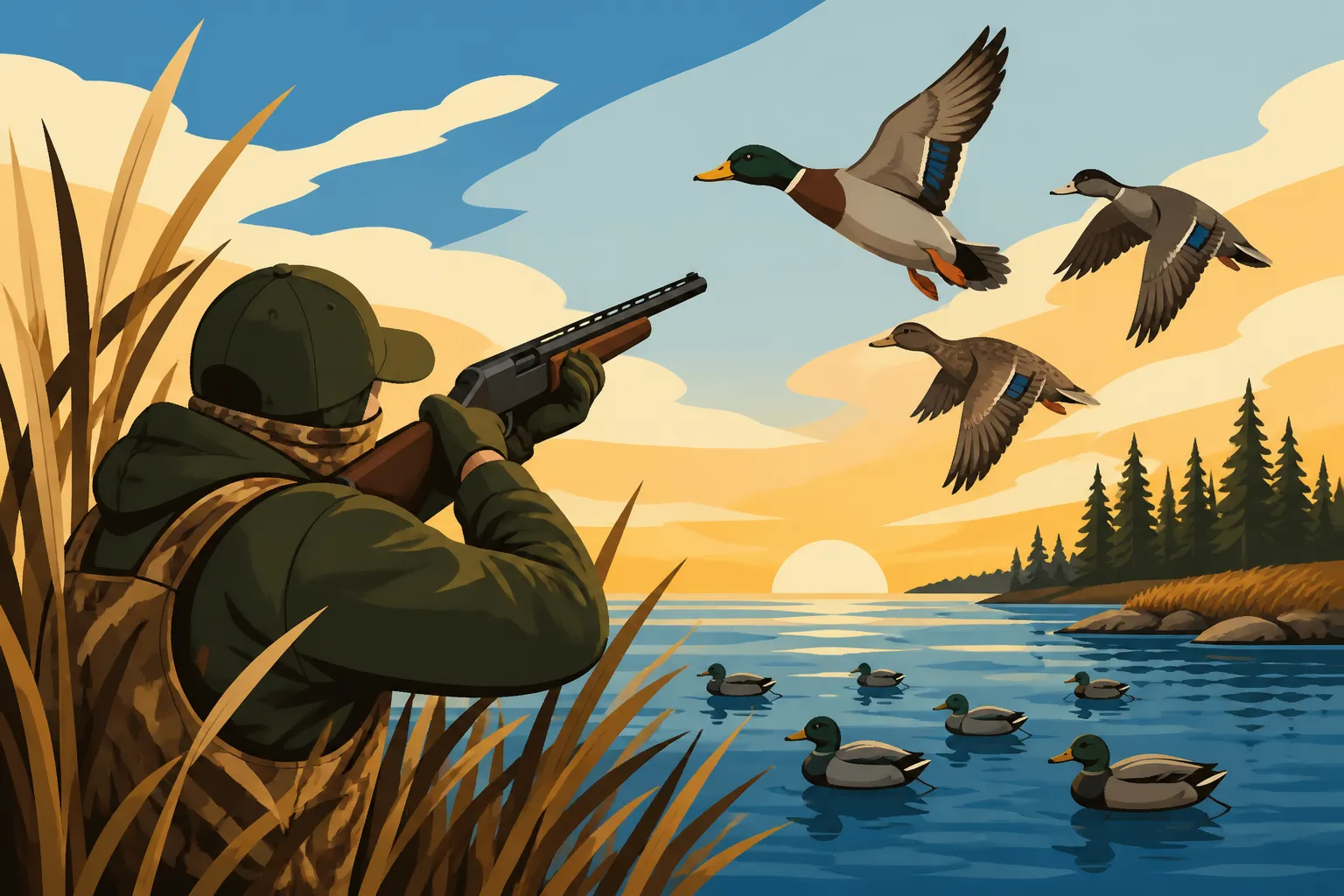
Green Bay Shoreline Waterfowl Hunting
Hunting waterfowl along the sprawling, often windswept shoreline of Green Bay presents a unique set of challenges and incredibly rewarding opportunities that can feel overwhelming to even seasoned hunters. The sheer scale, diverse habitats ranging from shallow cattail marshes to vast open water, and the constantly changing weather patterns demand a specific approach. This comprehensive guide is designed to peel back the layers of Green Bay waterfowling, offering insights into its unique environment, navigating public access, understanding the resident and migratory bird populations, and tailoring your strategies and gear for success on this iconic Wisconsin waterway.
The Unique Waterfowl World of Green Bay
Green Bay isn't just a big lake; it's an expansive, freshwater estuary system that acts as a critical migration corridor and breeding ground for an incredible variety of waterfowl. The bay itself is diverse, with significant portions being shallow and marshy, especially along the western shore, which slowly transitions to deeper, more open water towards the east and south. This varied topography creates a mosaic of habitats, drawing in dabbling ducks, diving ducks, and geese throughout the season. Understanding this dynamic environment is your first step to unlocking its secrets.
The Influence of Shallow Water and Marsh Edges
Much of Green Bay's western and southern shoreline is characterized by extensive shallow flats and dense cattail marshes. These areas are ecological goldmines for dabbling ducks like mallards, teal, and wood ducks. The shallow water provides abundant submerged aquatic vegetation, insects, and seeds—all prime food sources. Think about the myriad bays, inlets, and river mouths that feed into Green Bay, like the Lower Fox River or the Oconto River. These riverine influences bring nutrients and create ideal conditions for marsh growth. Hunters who focus on these areas often find success by targeting protected pockets, points, and island edges where ducks can feed and rest away from strong winds and heavy boat traffic. The key here is to observe, scout, and understand how the wind and water levels influence duck movement within these intricate marsh systems. A slight change in wind direction can completely shift where birds choose to loaf or feed.
Open Water and Diver Duck Opportunities
As you move further out into the main body of Green Bay, especially towards the deeper eastern side and the more central portions, the habitat shifts dramatically. Here, you'll find expansive stretches of open water, which become a magnet for diving ducks. Species like canvasbacks, redheads, bluebills, and goldeneyes thrive in these deeper environments, feeding on clams, mussels, and other aquatic invertebrates found on the bay's bottom. Hunting these open water areas requires specialized tactics and equipment, often involving layout blinds, large decoy spreads, and robust boats capable of handling choppy conditions. The vastness can be intimidating, but scouting becomes even more critical here. Look for rafts of ducks far out on the water, pay attention to flight lines, and use tools like onX Hunt to identify subtle bottom contours or underwater structures that might hold food. These deeper zones offer incredible, fast-paced shooting when the divers are flying, but they also demand a higher level of safety awareness due to the exposure to weather.
Navigating Green Bay's Public Access Points
Accessing the vast hunting grounds of Green Bay can be a puzzle if you don't know where to start. Thankfully, Wisconsin offers a variety of public lands and water access points that provide excellent opportunities for waterfowlers. Understanding these options is crucial for planning your hunt and ensuring you stay on the right side of regulations.
State Wildlife Areas and Boat Launches
Along the Green Bay shoreline, several state wildlife areas and public boat launches provide critical access. These areas are often managed specifically for waterfowl, featuring shallow water impoundments, managed marshes, and designated hunting zones. Locations like the Sensiba Wildlife Area, Peshtigo Harbor Wildlife Area, and Charles Pond Wildlife Area are prime examples. These spots typically offer boat ramps, parking, and sometimes even designated canoe or kayak launches, making them ideal for hunters with small boats, canoes, or layout blinds. When considering these areas, it's wise to consult the Wisconsin DNR website for specific rules, as some may have special draw hunts, refuge areas, or restricted access times. Getting familiar with maps, perhaps even using a service like GoHunt for overlay data, to understand boundaries and potential hunting spots is incredibly beneficial before you even leave home. This pre-scouting effort can save you a lot of time and frustration on hunt day. Many state wildlife areas are subject to Wisconsin Managed Waterfowl Hunt Draws, so checking those specific rules is paramount.
Utilizing River Mouths and Protected Bays
Beyond dedicated wildlife areas, the numerous river mouths and protected bays feeding into Green Bay offer excellent, often less pressured, public access. Rivers like the Oconto, Peshtigo, and Suamico all flow into the bay, creating estuaries rich in waterfowl habitat. Public boat launches are often available near these river mouths, allowing access to both the river channels and the adjacent bay waters. These areas can be fantastic for early-season teal and wood ducks, and later for mallards and geese. They often provide more sheltered conditions compared to the main bay, which can be a huge advantage on windy days. Remember that while the waters might be public, the adjacent shoreline could be private, so always be mindful of property lines. Checking local ordinances for shooting distances from occupied dwellings or roads is also a smart move.
Considerations for Open Water Access
For those targeting diver ducks in the larger, more open expanses of Green Bay, robust boat launches capable of handling larger vessels are essential. Cities and towns along the bay, such as Green Bay, Marinette, and Sturgeon Bay, often have municipal launches designed for bigger boats. However, accessibility in these deeper water areas also means greater exposure to weather. A beautiful, calm morning can quickly turn into a white-capping nightmare, so having a boat that is seaworthy and equipped with proper safety gear is non-negotiable. Always check marine weather forecasts before venturing far out. Even if you're targeting closer to shore, understanding the bay's vastness and quickly changing conditions is vital. When planning, consider how much public hunting land exists in the area by reviewing How Many Acres of Public Land Wisconsin Has.
| Access Type | Best For | Typical Gear Needed | Considerations |
|---|---|---|---|
| State Wildlife Areas | Dabblers, Geese, Marsh Hunting | Small boat, canoe, kayak, waders, decoys, layout blind (some areas) | Special regulations, refuge areas, draw hunts possible, check DNR maps. |
| River Mouths/Bays | Dabblers, Geese, Early Season Divers | Small to medium boat, decoys, waders, sometimes ground blinds | Often more sheltered, be aware of private shoreline, currents. |
| Open Water Launches | Divers, Large Scaup Rigs, Sea Ducks (rare) | Large, seaworthy boat, large diver decoy spreads, layout blinds, robust safety gear | Exposed to weather, dangerous in high winds, strong currents. |
| Shoreline Wading | Marsh Edges, Small Ponds (if accessible) | Waders, float tube, marsh seat, limited decoys | Limited to very shallow areas, requires specific public land access, hard work. |
Species and Strategies for Green Bay Waterfowlers
Green Bay's diverse ecosystem supports a wide array of waterfowl species, presenting different challenges and rewards throughout the hunting season. Adapting your strategy to the specific birds you're targeting and the conditions of the bay is key to consistent success.
Targeting Dabbling Ducks in the Shallows
The shallow, marshy areas and protected bays of Green Bay are prime real estate for dabbling ducks like mallards, green-winged teal, blue-winged teal, wood ducks, and gadwalls. These birds primarily feed in shallow water by tipping up or dabbling at the surface, sifting through mud for seeds and invertebrates. Your strategy here should revolve around concealment, effective decoy spreads, and understanding duck behavior in these sheltered environments.
For mallards and other puddle ducks, look for areas with emergent vegetation, flooded timber (if available near shore), or subtle points that create pinch points in their flight paths. A spread of 1-2 dozen mallard decoys, often mixed with a few teal or pintail decoys for variety, can be very effective. Motion decoys, like spinning wing models, can be absolute game-changers, especially on calm days. Concealment is paramount; a well-brushed boat blind or a carefully chosen spot in the cattails makes all the difference. Early in the season, particularly during the Wisconsin Teal Season Dates, these shallow areas can offer incredible action. As the season progresses and colder weather sets in, mallards often seek out cornfields adjacent to the bay or small pockets of open water that remain unfrozen. Knowledge of Hunting Cattail Marsh for Ducks will serve you well here.
Hunting Diving Ducks in Open Water
Diving ducks, including canvasbacks, redheads, scaup (bluebills), goldeneyes, and buffleheads, are the true open-water specialists of Green Bay. They feed by diving to the bottom to retrieve mussels, clams, and aquatic vegetation. Hunting these birds requires a different mindset and setup than dabblers. You'll often be hunting from a layout blind in a larger boat, anchored far from shore in significant depths, or from a substantial boat blind positioned along a deeper edge.
Diver spreads tend to be much larger, sometimes 50 to 100 decoys or more, arranged in long lines or J-hooks to simulate a large raft of feeding birds. The goal is to create a visual beacon that draws passing diver flocks. Pay close attention to wind direction; divers often land into the wind, so position your spread to allow them to finish comfortably within shooting range of your blind. Setting up on known feeding flats or along major migration routes can lead to fantastic shoots. However, the conditions can be brutal; strong winds can quickly turn the bay into a washing machine, so safety always comes first. This style of hunting is often covered in topics like Diver Hunting on Wisconsin Open Water.
Geese: From Early Season to Late Season
Green Bay and its surrounding agricultural lands are also home to a healthy population of Canada geese, offering hunting opportunities throughout the season. Early September sees the Wisconsin's September Early Goose Hunt, often focusing on resident geese feeding in cut agricultural fields near the bay. Later in the season, migratory geese will descend upon the bay, often using large open water areas for loafing and nearby fields for feeding.
Field hunting for geese typically involves large decoy spreads, often using full-body decoys or silhouettes, paired with well-camouflaged layout blinds. Scouting becomes incredibly important for field hunting, as geese are creatures of habit, often using the same fields day after day. For water-based goose hunting, you might integrate goose decoys into your duck spread, especially along marsh edges or in larger bays where geese may raft up. Geese are wary birds, so meticulous concealment and realistic calling are essential. Understanding the specific Wisconsin Goose Zones and Seasons is also critical before you head out.
Essential Gear and Regulations for the Bay
Waterfowling on Green Bay demands specific gear and a keen understanding of regulations to ensure a safe, legal, and successful hunt. The environment can be unforgiving, so being prepared is not just about comfort, but about safety.
Crucial Gear for Green Bay Waterfowlers
Your gear choices can make or break a Green Bay waterfowl hunt. Here’s a breakdown of what you'll need:
- Boat: For anything beyond very shallow shoreline wading, a sturdy boat is essential. For marsh hunting, a stable jon boat, canoe, or kayak might suffice. For open water diver hunting, a larger, seaworthy boat (16+ feet with a reliable motor) is a must, equipped with all required safety gear including PFDs, throwable devices, navigation lights, and a marine radio or fully charged cell phone.
- Waders and Layering: The water can be frigid, even in early fall. Quality neoprene or breathable waders are non-negotiable. Layering your clothing, starting with moisture-wicking base layers and adding insulating mid-layers like fleece or wool, is critical for staying warm in exposed conditions. Waders for Wisconsin Marsh Hunting are different from casual wading boots; invest wisely.
- Decoys: As discussed, dabbler spreads are typically 1-2 dozen, while diver spreads can be significantly larger. Consider specialized decoys for specific species you're targeting, and don't forget weights and tangle-free lines.
- Blinds: Whether it’s a well-camouflaged boat blind, a layout blind for open water or field hunting, or a simple marsh seat tucked into cattails, concealment is paramount.
- Optics: Binoculars are vital for scouting and identifying ducks at a distance, especially on large bodies of water. A rangefinder can also be useful for judging distances to decoys or landmarks.
- Navigation: A reliable GPS unit or a smartphone app like onX Hunt with downloaded maps is essential, especially in expansive areas where landmarks can be scarce or fog can roll in quickly. Knowing Using Hunt Wild Without Cell Service is a critical skill for remote areas.
- Safety Gear: Beyond standard boat safety equipment, consider a whistle, signaling mirror, and a waterproof bag for essentials. Always let someone know your hunting plans and expected return time.
Navigating Wisconsin's Waterfowl Regulations
Wisconsin has specific regulations for waterfowl hunting, and Green Bay hunters must be especially diligent. Here are some key areas to focus on:
- Licenses and Stamps: You'll need a Wisconsin small game license, a Wisconsin waterfowl stamp, and a federal duck stamp. You also must be HIP (Harvest Information Program) certified. You can learn more about Wisconsin Federal Duck Stamp Rules and Wisconsin HIP Certification for Bird Hunters to make sure you're fully compliant.
- Seasons and Zones: Green Bay falls within specific waterfowl hunting zones, and season dates can vary. Always consult the current Wisconsin DNR waterfowl regulations for precise dates, bag limits, and shooting hours. This includes knowing your Wisconsin Duck Zone Boundaries.
- Nontoxic Shot: By law, all waterfowl hunting in Wisconsin (and federally) requires the use of nontoxic shot. This includes steel, bismuth, tungsten-iron, or other approved alternatives. Lead shot is strictly prohibited for waterfowl. Understanding Where Nontoxic Shot Is Required in Wisconsin is not optional, it's mandatory.
- Baiting and Feeding: Waterfowl hunting over baited areas is illegal. Be absolutely sure that any area you hunt has not been illegally baited.
- Blaze Orange/Pink: While not generally required for waterfowl hunting when concealed in a blind, it's always wise to have blaze orange or pink clothing available for walking to and from your blind, especially during overlapping deer seasons. This is especially true if you are hunting adjacent to public lands that also allow deer hunting, such as during Wisconsin's Nine-Day Gun Deer Season.
- Carcass Tags: Ensure you understand any tagging requirements for harvested birds, especially for species like geese, which might have additional state or federal tags depending on the specific hunt.
The Green Bay shoreline offers some of the most diverse and exciting waterfowl hunting in Wisconsin. It demands respect, preparation, and adaptability, but the rewards—witnessing massive migrations and experiencing incredible hunting action—are well worth the effort. By understanding its unique habitats, knowing how to access its public waters, tailoring your strategies to the different bird species, and diligently adhering to regulations, you'll be well on your way to a memorable season on the bay.
Disclaimer
This article is for general informational purposes only and does not constitute professional advice. Laws, prices and regulations vary by location and change over time. Consult a qualified professional for guidance on your specific situation.