Navarino Wildlife Area Access
For many Wisconsin hunters, finding accessible public land that truly offers a diverse hunting experience can feel like an endless quest. We’ve all been there: staring at maps, hoping to uncover that gem where we can pursue deer, turkey, or waterfowl without constantly bumping into other folks. This guide is here to shed light on Navarino Wildlife Area, a substantial piece of public land that, despite its popularity, offers immense opportunities if you know how to approach it. We'll dive into its unique features, how to get around, and strategies to make your hunt successful.
Understanding Navarino Wildlife Area's Unique Landscape
Navarino Wildlife Area, located in Shawano County, is a prime example of Wisconsin's commitment to public land for hunting and outdoor recreation. It's not just a block of woods; it's a dynamic ecosystem that supports a wide array of game animals, making it a truly versatile destination for hunters. Knowing this landscape intimately is the first step toward a successful hunt.
A Blend of Habitats for Diverse Hunting
What makes Navarino so special is its incredible variety of habitats, all compressed into one manageable area. You'll find expansive cattail marshes and flowages that are a magnet for waterfowl, especially during the migration. These wet areas often give way to dense tag alder thickets and willow swamps, which are notoriously difficult to traverse but offer fantastic cover for deer and other small game. Imagine slowly still-hunting the edge of a vast marsh, knowing that a mature buck could be bedded just out of sight in the cattails, or a flock of wood ducks might suddenly erupt from a hidden slough.
Interspersed with these wetlands are significant blocks of timber, ranging from mature hardwoods like oak and maple to dense stands of pine and spruce. These forest types provide crucial bedding and feeding areas for deer and turkey. The oak ridges, in particular, can be hot spots during acorn drops, drawing deer from surrounding areas. Then, there are the open grasslands and agricultural fields, often managed for wildlife, which can hold pheasants, small game, and even provide crucial foraging for deer. A hunter might start their morning concealed in an oak flat, hoping for a cruising buck, then move towards a marsh edge in the afternoon for ducks, demonstrating the area's versatility. This mix means you need to be prepared for anything, from slogging through ankle-deep water to quiet walks through crunchy leaves.
Its Location and Geographic Significance
Navarino Wildlife Area is strategically located roughly equidistant between Green Bay and Appleton, making it easily accessible for a large portion of Wisconsin's population. This proximity to urban centers is both a blessing and a challenge. On one hand, it means a relatively short drive for many hunters looking for quality public land. On the other, it can lead to higher hunter pressure, especially during opening weekends of popular seasons like gun deer or early goose. You won't find the solitude of the deep Northern Forest Deer Density in Wisconsin here, but you will find robust game populations.
Geographically, the area sits within a region characterized by a mix of agricultural land and wetland complexes, feeding into the Wolf River system. This extensive wetland network, combined with the managed uplands, provides ideal conditions for diverse wildlife. The low-lying, often flat terrain, interspersed with subtle rises, creates natural funnels and bedding areas that become apparent once you spend time exploring. Understanding the lay of the land, even the subtle contours, can be the difference between seeing plenty of game and wondering where everyone else is finding it.
Navigating Access Points and Interior Trails
Getting into and around a large public hunting area like Navarino can be daunting if you're unfamiliar with it. It’s not always as simple as pulling off the highway and walking into the woods. Knowing where to park, where to walk, and what types of trails you'll encounter is vital for a productive and safe hunt.
Primary Entrances and Parking Considerations
Navarino Wildlife Area has numerous designated parking lots and roadside pull-offs strategically placed around its perimeter. These are your primary access points. However, especially during peak seasons like the Wisconsin Gun Deer Season Dates or opening day of waterfowl, these lots can fill up quickly. Arriving well before legal shooting hours is often necessary to secure a spot, particularly at popular waterfowl impoundment access points. I've been there on a chilly November morning, coffee in hand, only to find my preferred lot already overflowing, forcing a quick recalculation of my hunting plan.
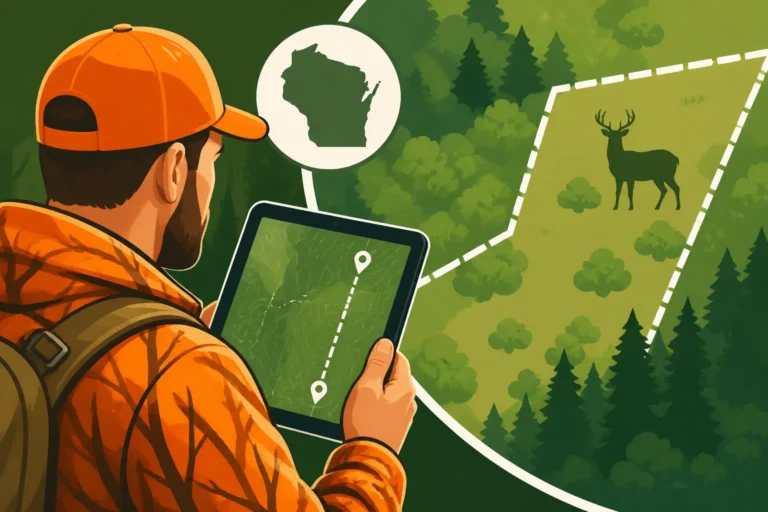
It's crucial to consult a detailed map, such as those available on apps like onX Hunt or even the official Using the Wisconsin Hunt Wild App. These tools will show you all marked parking areas, and more importantly, they'll show you the property boundaries so you don't inadvertently park on private land. Some smaller, less obvious pull-offs might exist along lesser-traveled roads, offering a bit more solitude, but always ensure you're legally parked and not blocking any access. Remember, vehicle access within the interior of the wildlife area is generally restricted to maintenance vehicles, so once you park, it's foot traffic only into the main hunting zones.
Utilizing Interior Roads and Trail Systems
Once you've parked, Navarino offers a network of interior roads, dikes, and walking trails that can help you penetrate deeper into the property. Many of these are old logging roads, maintenance access routes for dike systems, or simply well-worn game trails that hunters and hikers have established over time. These paths are invaluable for covering ground efficiently, especially if you're trying to reach a less-pressured area or get away from the immediate road noise.
The dikes, in particular, are important. They often run along the edges of marshes and flowages, providing relatively dry walking paths through otherwise wet terrain. These dikes also serve as excellent vantage points and natural funnels for wildlife movement. Deer will often travel along these raised paths, and hunters can use them to set up ambushes or to quietly still-hunt. However, be aware that these main travel arteries can also be popular with other hunters. For true solitude, you’ll eventually need to leave the defined trails and push into the thicker cover. Always keep your bearings, especially in dense marsh or timber, as it's surprisingly easy to get disoriented once you're off the main paths. Using a GPS-enabled app on your phone, like onX Hunt, can be a lifesaver for navigating these interior zones and marking your treestand locations or preferred travel routes.
Rules, Regulations, and Hunter Responsibilities
Hunting at Navarino, or any public land, isn't just about finding the right spot; it's about adhering to the rules that protect both the wildlife and the hunting experience for everyone. Ignorance of regulations is no excuse, and area-specific rules can sometimes differ from general statewide guidelines, making it essential for every hunter to do their homework.
Specific Hunting Regulations for Navarino
While Navarino Wildlife Area falls under general Wisconsin hunting regulations, there might be specific nuances or special provisions, especially concerning waterfowl hunting and baiting. For instance, some managed waterfowl impoundments might have specific blind regulations, designated shooting hours different from statewide legal shooting hours, or even a managed draw system for access during certain periods. It’s crucial to check the current Wisconsin Waterfowl Seasons and Zones and the DNR’s specific information for Navarino before heading out.
Similarly, general baiting and feeding bans in Wisconsin can be complicated. Counties can be subject to bans based on CWD detections or proximity to affected areas. While this varies, it's vital to know the status of Shawano County and Navarino Wildlife Area regarding Wisconsin Baiting and Feeding Bans. Always consult the official Wisconsin DNR website or the most recent hunting regulations pamphlet for any area-specific rules on baiting, tree stand placement, or vehicle access that might apply to Navarino. These regulations are in place to ensure fair chase, manage wildlife populations, and maintain the quality of the hunting experience for all users.
Blaze Orange, Tree Stands, and Ethical Conduct
Beyond area-specific rules, all hunters must adhere to fundamental Wisconsin hunting regulations. This includes wearing the appropriate amount of How Much Blaze Orange Wisconsin Requires or blaze pink during certain seasons, such as the gun deer hunt. This is a non-negotiable safety measure designed to prevent accidents, and it's something every hunter takes seriously. Even if you're just walking to your stand during the gun season, that orange or pink is your best friend.
When it comes to tree stands, remember the rules for Treestand Rules on Wisconsin Public Land. Generally, portable stands are allowed, but leaving them unattended for extended periods, especially outside the active hunting season, is often prohibited or requires specific identification tags. Nails, screws, or any device that damages the tree are almost universally forbidden. Ethical conduct extends beyond the letter of the law. It means respecting other hunters by not crowding their space, properly disposing of all your trash (pack it in, pack it out!), and retrieving all game animals shot, even if it means putting in extra effort. It also involves being aware of other users, like hikers, birdwatchers, or photographers, who share these public lands. A courteous nod or a friendly greeting goes a long way in fostering a positive image of hunters.
| Hunting Type | Primary Habitat | Typical Game Species | Access Considerations | Challenges |
|---|---|---|---|---|
| Waterfowl | Marshes, Flowages | Ducks, Geese | Dikes, designated blinds, boat launches | Pressure, specific rules, weather |
| Deer | Forest, Swamps | Whitetails | Interior trails, dikes, off-trail access | Pressure, thick cover, retrieving game |
| Turkey | Forest, Field Edges | Wild Turkey | Wooded areas near fields, roosting sites | Calling, finding less-pressured birds |
| Small Game | Fields, Thickets | Squirrels, Rabbits, Pheasants | Open areas, brushy edges, managed grasslands | Dense cover, early season heat, dog access |
| Upland Birds | Alders, Aspen | Grouse, Woodcock | Wet thickets, young forest growth (less common than true northwoods) | Finding specific cover, migratory patterns (woodcock) |
Maximizing Your Hunt at Navarino Wildlife Area
Navigating a complex public hunting area like Navarino takes more than just showing up. It requires strategy, preparation, and an understanding of how wildlife interacts with the environment and, crucially, with human pressure.
Pre-Season Scouting and Digital Tools
The key to unlocking Navarino's potential often lies in diligent pre-season scouting. This doesn't just mean driving around the perimeter; it means getting boots on the ground long before the season opens. Walk the property lines, explore the transition zones between different habitat types, and look for natural funnels where deer might move. Focus on areas where mature timber meets marsh, or where a dense thicket provides bedding cover adjacent to a feeding area. Look for rubs, scrapes, and well-used game trails. In a place like Navarino, with its mix of cover types, finding those subtle pinch points is vital.
This is where modern digital tools become indispensable. Apps like onX Hunt or GoHunt allow you to overlay property boundaries, topographic maps, and aerial imagery, giving you an eagle-eye view of the terrain. You can identify potential bedding areas, hidden water sources, and strategic stand locations from the comfort of your home. Marking these waypoints on your phone before you even step foot on the property can save you countless hours of wandering aimlessly. For example, by studying an aerial map, you might spot a small oak island tucked away deep within a marsh, a place few other hunters would bother to reach, potentially holding a mature buck. Scouting Wisconsin Public Land Before Season with these tools can give you a significant advantage.
Adapting to Pressure and Seasonal Changes
As mentioned earlier, Navarino can see significant hunter pressure due to its accessibility. This pressure can push game animals into the densest, most overlooked pockets of cover. Simply walking the main trails and hoping for the best often leads to frustration. To succeed, you need to adapt. This might mean walking an extra mile or two farther than most hunters, focusing your efforts in those incredibly thick swamps or dense conifer stands that others avoid. These "nasty" areas, while challenging to hunt, often hold the biggest bucks and most elusive turkeys once the season is underway. Finding Ground Others Walk Past is a constant pursuit for public land hunters.
Additionally, understanding how game patterns change throughout the hunting season is critical. During When Wisconsin's Archery Season Opens in early fall, deer might still be on predictable food sources. As the season progresses into the rut in November, their patterns become more focused on breeding, and bucks will be on the move covering ground. During the Muzzleloader Tactics in December Cold or late archery season, deer will be heavily focused on remaining food sources and dense thermal cover to escape the cold. Waterfowl movements are entirely dictated by migration and weather patterns. Being flexible in your approach and constantly adjusting to current conditions, hunter pressure, and the specific season you're hunting will greatly increase your chances of success at Navarino Wildlife Area.
Disclaimer
This article is for general informational purposes only and does not constitute professional advice. Laws, prices and regulations vary by location and change over time. Consult a qualified professional for guidance on your specific situation.