Trail Camera Rules on Wisconsin Public Land
It can be incredibly frustrating to try and decipher all the rules and regulations that come with hunting on Wisconsin's vast public lands, especially when it comes to technology like trail cameras. Many of us want to leverage these amazing scouting tools to gain an edge, but the last thing anyone wants is to unknowingly break a rule or, worse, interfere with another hunter's experience. This guide is here to untangle the complexities of trail camera rules on Wisconsin public land, so you can scout smart and stay within the lines, letting you focus on the hunt itself.
The Basics of Trail Camera Use on Wisconsin Public Land
Let's get down to brass tacks about what you can and can't do with trail cameras when you're out on Wisconsin's public hunting grounds. The general guidelines are in place to ensure fair chase, protect public resources, and maintain a respectful environment for all users. It's not always as straightforward as you'd hope, but understanding the core principles will set you straight.
Understanding the "No Permanent Structure" Rule
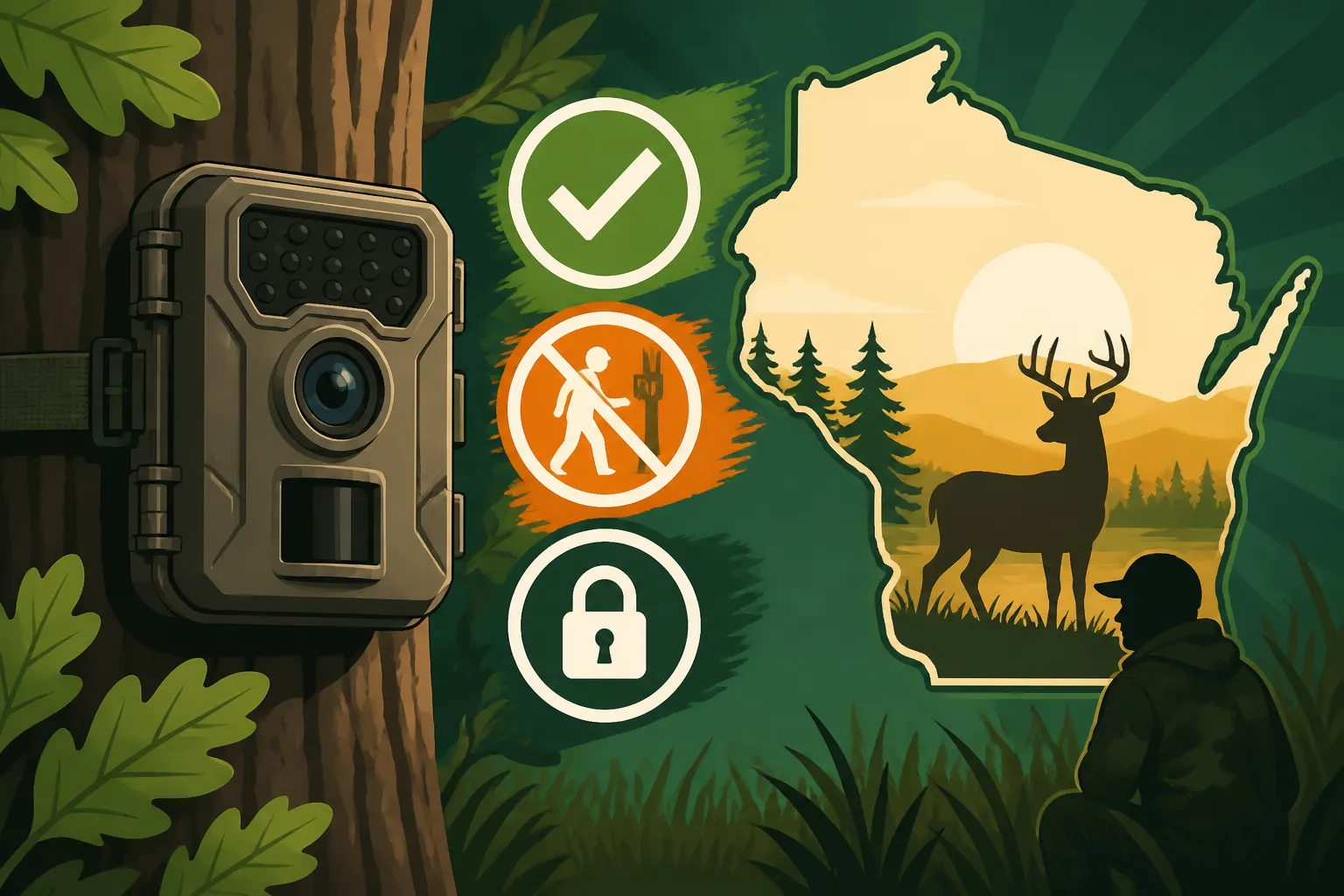
One of the most foundational rules to grasp is the prohibition against leaving "permanent" structures on public land. This rule extends beyond your beloved treestand or ground blind; it applies to anything that could be considered abandoned or semi-permanent, impacting the land or other users long-term. For trail cameras, this means they need to be treated as temporary fixtures. You can't bolt them to a tree, use lag bolts, or leave them out year-round to rot into the environment. They should be secured in a way that doesn't damage the tree and are removable. Think of it like this: if you left it there and never came back, would it become a permanent fixture or litter? We're guests on public land, and part of that stewardship means leaving no trace.
This rule is a big one, and it's designed to prevent clutter, environmental damage, and the impression that a spot is "owned" by an individual. While a trail camera is generally considered temporary, especially compared to a nailed-up ladder stand, the way it's attached and the duration it's left out can push it into that "permanent" grey area. It's always best to use straps that don't girdle or grow into a tree, and to retrieve your cameras regularly. Many hunters will rotate cameras in and out, or only deploy them for specific scouting missions, rather than leaving them indefinitely. The spirit of the law is about responsible use and minimizing impact.
Ownership and Identification Requirements
While it might seem like a hassle, clearly marking your trail camera is more than just a good idea – it's often a requirement. Most public land management entities, including the Wisconsin Department of Natural Resources (DNR), stipulate that any personal property left on public land must be conspicuously marked with the owner's name and address or DNR customer ID number. This isn't just for enforcement; it's also a practical measure. If your camera is found after a storm, or if there's a question about its placement, identification ensures it can be returned or addressed appropriately.
Imagine you've got a fantastic spot dialled in, a Scouting Wisconsin Public Land Before Season technique paying off, and you've got a camera clicking away, capturing deer movement. If it's not marked, and a warden finds it, they have no way of knowing who it belongs to. This can lead to the camera being confiscated as abandoned property. Use a permanent marker on the casing, or better yet, engrave a small metal tag and attach it securely. This simple step protects your investment and demonstrates your compliance with regulations. It also helps if another hunter encounters your camera and has questions or concerns; they know who to reach out to.
Placement and Impact on Other Hunters
When you're hanging a trail camera, you're not just thinking about getting the perfect deer picture; you're also thinking about other people who use that same piece of public land. Ethical placement means considering not only the deer but also fellow hunters, hikers, and even mushroom foragers. Placing a camera directly overlooking a well-used trail where non-hunters frequently pass might raise privacy concerns, even if you're only targeting wildlife. While regulations primarily focus on what you can leave, common courtesy and respect for others' experiences are just as important.
Beyond privacy, consider the impact on other hunters' opportunities. A camera visible from a distance or pointed directly at a popular crossing might tip off other hunters to a promising area. The goal isn't to be secretive, but to avoid actively "claiming" a spot or making other users feel unwelcome. Discreet placement, often camouflaged and out of direct sight from main trails, is always a good practice. Remember, everyone has the right to access and enjoy public land. Finding Ground Others Walk Past is a key public land hunting skill, and your camera placement should reflect that ethos of discovery and respect.
Specific Public Land Types and Their Nuances
Wisconsin is blessed with a diverse array of public lands, from vast national forests to smaller state wildlife areas and county-managed timber. While general trail camera rules largely apply across the board, there can be subtle differences depending on the specific land manager. Understanding these distinctions is crucial for staying compliant and avoiding headaches.
State Forests and Wildlife Areas
Wisconsin State Forests and Wildlife Areas are managed by the DNR, and they generally adhere to the broad rules outlined above: temporary placement, no permanent structures, and clear identification. These areas are specifically designated for public recreation, including hunting, so trail camera use is typically permitted. However, certain areas within these larger tracts might have specific restrictions. For instance, some wildlife areas have specific habitat management zones or research plots where certain activities, including camera placement, might be limited or prohibited to avoid disturbance.
It's always a good idea to check the specific regulations for the particular State Forest or Wildlife Area you plan to hunt. You can often find this information on the DNR website, or by contacting the property manager directly. A quick search for the property name will usually bring up a dedicated page with rules and contact info. For example, popular spots like Mead Wildlife Area or Navarino Wildlife Area might have particular considerations due to heavy use or sensitive habitats. Don't assume that what's okay in one state property is identical in another; always double-check.
County Forests and National Forests
County Forests, managed by individual counties, and the federal Chequamegon-Nicolet National Forest, offer vast expanses of hunting land, often with slightly different oversight. For County Forests, the overarching state rules apply, but individual counties might have their own specific ordinances or interpretations regarding property left on their lands. It's less common for these to contradict state law directly, but variations in enforcement or additional local requirements aren't unheard of. Your best bet is to check the county forest department's website or call their office if you're unsure about a specific county's rules. Wisconsin County Forest Hunting provides a great overview of these lands.
The Chequamegon-Nicolet National Forest, being a federal entity, also follows the general state rules regarding trail cameras. However, federal lands sometimes have additional layers of regulation related to wilderness areas, special management units, or archaeological sites where even temporary structures might be restricted. Generally, trail cameras are allowed in areas open to hunting, but it's worth reviewing the Forest Service's specific guidelines or contacting the relevant ranger district if you're targeting a sensitive or less-traveled part of the forest. Understanding Chequamegon-Nicolet National Forest Hunting can certainly help you plan your scouting trips.
Voluntary Public Access VPA and MFL Lands
Wisconsin's Voluntary Public Access (VPA) program and Managed Forest Law (MFL) lands offer fantastic hunting opportunities on private property that landowners open to public use. This is where things can get a little trickier, though typically, the general state rules for trail cameras still apply. When a landowner enrolls their property in the VPA or MFL program, they agree to allow public access for certain activities, often including hunting. However, the land is still privately owned, and while state rules apply to the activity of hunting, there can be subtle implications for personal property.
For example, while the state might allow temporary trail cameras, a specific VPA or MFL landowner could request additional restrictions or simply prefer that cameras aren't left for extended periods, even if it's not strictly a legal prohibition. You're a guest on someone's private property, even if it's publicly accessible. While most programs don't prohibit cameras outright, exercising extra courtesy and discretion is wise. If in doubt, and if contact information for the landowner is available through the program, a quick call to confirm can prevent misunderstandings. Mapping tools like onX Layers for Wisconsin Land Status or even the Wisconsin Hunt Wild App can help you distinguish these land types and understand their regulations.
| Public Land Type | Trail Camera Allowed? | Identification Required? | Permanent Structure Rule? | Recommended Action |
|---|---|---|---|---|
| State Forests/Wildlife Areas | Yes | Yes | No | Check DNR website for specific property rules. |
| County Forests | Yes | Yes | No | Verify with county forest department for local ordinances. |
| National Forests | Yes | Yes | No | Review Forest Service guidelines for specific district; avoid sensitive areas. |
| VPA/MFL Open | Yes (generally) | Yes | No | Exercise extra courtesy; landowner preferences may apply (though not legally binding). |
Ethical Considerations and Best Practices
Beyond the written rules, there are unwritten codes of conduct that every responsible hunter should adhere to when using trail cameras on public land. These aren't about avoiding fines but about fostering a respectful hunting community and ensuring the long-term health of our shared resources.
Respecting Privacy and Property
When you set up a trail camera, you're essentially installing a surveillance device in a public space. While your intent is to capture images of deer, there's always a chance you might capture images of other people. Wisconsin law is clear about intent regarding surveillance, but it's always best practice to point your cameras away from obvious human traffic, such as main hiking trails, parking areas, or adjacent private residences. Finding Wisconsin Property Lines is crucial not just for hunting, but also for ensuring your camera isn't inadvertently pointing into someone's backyard.
Think about how you'd feel if you were walking through the woods and discovered a camera pointed directly at you. Most people don't appreciate feeling like they're being watched. Aim your cameras at game trails, pinch points, or food sources that are away from heavily trafficked human routes. This helps maintain the privacy of other public land users and ensures that your scouting activity doesn't create an uncomfortable situation for anyone. The goal is to scout deer, not people.
Minimizing Disturbance and "Spot-Burning"
Trail cameras are fantastic tools for remote scouting, but their use still requires human activity. Every time you check a camera, you're walking into an area, leaving scent, and potentially disturbing wildlife. While this is part of hunting, excessive checking or careless approaches can negate the very advantage the camera provides. Plan your camera checks strategically, perhaps coinciding with a still-hunt through the area or when winds are favorable. Some hunters even use the "hit and run" method: get in, swap cards quickly, and get out, minimizing their presence.
Another ethical consideration is "spot-burning." In the age of social media, it's tempting to share those incredible trail camera photos of a monster buck. However, if that photo clearly shows a recognizable landmark or specific habitat on public land, you could inadvertently draw a lot of attention to your honey hole. This can lead to increased Hunting Pressure on Wisconsin Public Land, diminishing your own experience and that of others who might have been quietly hunting that area for years. Be mindful of what you share and how it might impact the hunting opportunities for yourself and others. Using a mapping tool like GoHunt can help you find less pressured areas, but you still need to be careful not to reveal too much.
Protecting Your Investment from Theft
Let's face it, theft is an unfortunate reality on public land. A good trail camera can be a significant investment, and leaving it unsecured on public property makes it a target. While there's no foolproof method to prevent theft, you can take steps to deter it.
Firstly, camouflage your camera well. Don't just strap it to the first tree you see at eye level. Look for a tree that offers some natural cover, perhaps a denser clump of evergreens or a less obvious location off a main trail. Angle it downward slightly to make it less conspicuous. Secondly, use a security cable or a locking mechanism. These won't stop a determined thief with bolt cutters, but they will deter opportunistic grab-and-run types. Some cameras even have specific security boxes you can purchase. Thirdly, consider using cellular cameras if you can afford them, as they send images directly to your phone, reducing the need for frequent trips and making it easier to track if stolen. Lastly, and perhaps most importantly, avoid putting cameras in super obvious, high-traffic areas. The deeper you go, the less likely you are to encounter casual thieves.
Navigating Regulations and Staying Informed
Wisconsin's hunting regulations, including those for trail cameras, can change. What was perfectly acceptable last year might have a new nuance this season. Staying on top of these changes is part of being a responsible hunter.
The Wisconsin DNR as Your Primary Resource
The absolute best place to find the most current and accurate information on trail camera rules, or any hunting regulation in Wisconsin, is the Wisconsin DNR website or their official publications. They release annual hunting regulations pamphlets that detail all legal requirements. Don't rely solely on word-of-mouth or old forum posts. Regulations are often updated, sometimes subtly, sometimes significantly, in response to wildlife management needs, public feedback, or legislative changes.
If you have a very specific question about a particular property or a unique situation, don't hesitate to call your local DNR warden or the relevant property manager. Their contact information is usually available on the DNR website. They are there to help hunters understand and comply with the rules, and a quick phone call can save you a lot of grief down the line. Remember, ignorance of the law is generally not considered a valid excuse.
Tools for Land Identification
Understanding where you are and what type of public land you're on is paramount for following trail camera rules. There are excellent digital tools available today that make this easier than ever. The Wisconsin DNR offers its own mobile app, Using the Wisconsin Hunt Wild App, which includes public land boundaries and regulations specific to those areas. This app is a fantastic resource, especially when you're in the field.
Beyond the official DNR app, commercial mapping applications like onX Hunt have become indispensable for public land hunters. onX Hunt layers allow you to instantly see property boundaries, identify land ownership (public vs. private), and even tell you what kind of public land it is (state, county, federal). This is invaluable for ensuring your camera is legally placed and that you aren't inadvertently trespassing or violating specific rules for a particular land type. It also helps you identify if you're on an MFL-Open property versus outright state land, which can subtly influence best practices. Knowing How Many Acres of Public Land Wisconsin Has is great, but knowing exactly where those acres begin and end is even better.
Changes to Regulations and Local Ordinances
As mentioned, hunting regulations are not static. Trail camera technology is constantly evolving, and so are the discussions around its ethical and legal use in hunting. The DNR and various county boards regularly review rules and sometimes implement new ones or modify existing ones. For instance, discussions around real-time cellular data transmission, or issues of fair chase, could lead to future adjustments.
Stay informed by subscribing to DNR updates, checking their website before each season, and reviewing any new regulations published. Some counties might also have specific local ordinances that apply to their county forests or parks, so it's always worth a quick check on the county's official website if you plan to hunt extensively there. By taking a proactive approach to understanding and adhering to these regulations, you ensure that you're hunting legally, ethically, and responsibly, contributing positively to Wisconsin's rich hunting tradition.
Disclaimer
This article is for general informational purposes only and does not constitute professional advice. Laws, prices and regulations vary by location and change over time. Consult a qualified professional for guidance on your specific situation.