Muzzleloader Deer Hunting in Wisconsin
Stepping into the Wisconsin woods in early December, after the roar of the gun season has quieted and before the late archery season really ramps up, offers a uniquely quiet and challenging experience for deer hunters. This guide is all about embracing that challenge with a muzzleloader, diving deep into the regulations, gear, strategies, and the sheer satisfaction that comes with this traditional hunting method in the Badger State.
The Allure of Muzzleloader Hunting in Wisconsin
Muzzleloader hunting in Wisconsin isn't just about extending your time in the woods; it's a profound connection to hunting heritage, a test of skill, and an opportunity to experience the late season in a way few other methods allow. Many hunters, myself included, find a deep satisfaction in the deliberate, single-shot nature of black powder hunting. It forces you to slow down, to be more precise, and to truly understand the deer you're pursuing.
Why Choose a Muzzleloader?
For many, the draw of a muzzleloader lies in its simplicity and the historical echoes it carries. There's something undeniably special about loading a firearm from the muzzle, feeling the distinct smell of black powder, and knowing that you have one, well-aimed shot. This isn't your grandfather's lever-action; it's a return to a more fundamental style of hunting that predates modern cartridges. It cultivates a different kind of patience and attention to detail.
Beyond the nostalgia, choosing a muzzleloader adds an extra layer of challenge that many seasoned hunters crave. With only one shot at your disposal, shot placement becomes paramount, and the approach to your target needs to be meticulously planned. It's a method that often weeds out the impatient and rewards those who are willing to put in the extra effort to get closer to their game.
Furthermore, the muzzleloader season often coincides with some of the best late-season conditions, including fresh snow. This opens up incredible opportunities for tracking and still-hunting, making for a very interactive and engaging hunt. The quiet of the woods, often blanketed in white, amplifies the experience, allowing you to hear every rustle and snap of a twig, making you feel more immersed in the deer's world.
A Bridge Between Seasons
The muzzleloader season in Wisconsin typically bridges the gap between the chaotic general gun deer season and the often frigid, sparsely attended late archery season. This unique timing presents a distinct advantage: deer have generally settled back into their patterns after the pressure of the gun season, but they haven't yet been hammered by a continuous stream of late-season archery hunters. They might still be a bit skittish, but the woods are significantly quieter.
During this period, deer are primarily focused on two things: finding food and conserving energy. The rut is largely over, and the colder temperatures mean deer need to constantly fuel their bodies to maintain warmth. This shift in behavior allows for different hunting strategies compared to earlier in the year. You'll often find deer concentrated around prime food sources or tucked into thick thermal cover during the day.
The weather during Wisconsin's muzzleloader season can be a mixed bag, from crisp, clear days to heavy snowfall. While challenging, snow can be a hunter's best friend, revealing fresh tracks, indicating travel corridors, and highlighting feeding areas. It also quiets the woods, allowing you to move more silently. This transitional period truly offers a unique snapshot of the whitetail's world, different from any other time of the year.
Understanding Wisconsin's Muzzleloader Regulations
Navigating hunting regulations can sometimes feel like deciphering ancient texts, but understanding Wisconsin's specific rules for muzzleloader deer hunting is crucial for a safe and legal hunt. These rules ensure fair chase, promote safety, and help manage the deer population effectively. It's always a good idea to check the most current Wisconsin DNR hunting regulations pamphlet before heading out.
Season Dates and Zones
Wisconsin's muzzleloader season typically opens in early December, right after the nine-day gun deer season concludes. This timing is consistent statewide, offering a solid chunk of time for hunters to pursue deer with their traditional firearms. While the exact dates can shift slightly year to year, you can usually count on it running for about ten days, sometimes extending right up to Christmas for antlerless opportunities in certain areas.
It's important to be aware of any specific zone restrictions or antlerless permit requirements that might apply. For the most part, the muzzleloader season is considered a statewide season for deer, meaning both antlered and antlerless deer can be pursued, depending on your tags and the unit's quotas. However, rules about earning or purchasing additional antlerless permits can vary by county or management zone. Always consult the official Wisconsin Deer Seasons and Zones information from the DNR to confirm current dates and any specific area rules.
Beyond the main muzzleloader season, some units may offer extended antlerless opportunities later in December. These hunts are specifically designed to help meet harvest quotas for antlerless deer, often in areas with higher deer populations. Knowing when and where these opportunities exist can significantly enhance your chances of filling your freezer. Remember, even during these late hunts, blaze orange or pink requirements still apply, and your muzzleloader must adhere to all state specifications.
Legal Muzzleloader Specifications
Wisconsin has specific requirements for what constitutes a legal muzzleloader for deer hunting. These aren't just arbitrary rules; they're designed to maintain a consistent hunting experience and ensure safety. First and foremost, any muzzleloader used for deer must be at least .45 caliber. This minimum caliber ensures sufficient kinetic energy for a humane harvest.
When it comes to projectiles, both conical bullets and sabots are generally permitted. Conical bullets are often heavier and offer deep penetration, while sabots typically allow for a smaller, faster projectile to be fired from a larger bore, increasing accuracy at longer ranges. The choice often comes down to personal preference and what performs best in your specific firearm. You'll want to ensure you're using only a single projectile loaded from the muzzle, as multi-projectile loads are generally illegal for deer hunting.
Ignition types are also important. Most modern muzzleloaders are "in-line" designs, using a 209 shotshell primer for reliable ignition. Traditional percussion cap and flintlock rifles are also legal, appealing to those who want a truly authentic experience. As for optics, scopes are absolutely allowed during the muzzleloader season, which is a big advantage for accuracy, especially in low-light conditions often encountered in December. For a detailed breakdown of what's permitted, refer to resources like Muzzleloaders Under Wisconsin Rules.
Ammunition and Loading Rules
Understanding the specifics of ammunition and loading for muzzleloaders in Wisconsin goes beyond just caliber. The type of powder you use is critical. Only black powder or approved black powder substitutes (like Hodgdon Triple Seven or Pyrodex) are legal for use during the muzzleloader season. Modern smokeless powder, even in small charges, is strictly forbidden and can be extremely dangerous in a muzzleloader not designed for it. Always use the recommended powder type and charge weights specified by your firearm's manufacturer.
Loading procedures are also strictly defined. Your muzzleloader must be loaded from the muzzle. This means no pre-loaded charges or cartridges that can be quickly inserted into the breech. The entire process of pouring powder, seating the projectile, and capping the primer must be done in the field. This slow, deliberate loading process is part of the challenge and appeal of muzzleloader hunting, forcing a mindful approach to each shot.
Crucially, you can only have one projectile loaded in your muzzleloader at a time. This reinforces the single-shot nature of the hunt. While you can carry extra pre-measured powder charges and projectiles in speed loaders or tubes for quicker reloading after a shot, your firearm itself must only ever hold one charge and one projectile when in the field, ready to fire. Getting to know these nuances ensures a safe and legal hunt, allowing you to focus on the deer, not the regulations.
Gear Essentials for Wisconsin Muzzleloader Hunters
Success in the late season with a muzzleloader hinges just as much on your gear as it does on your hunting skill. The cold, potential snow, and unique firearm demands mean you need to be prepared. From the firearm itself to the layers that keep you warm, every piece of equipment plays a vital role in your comfort and effectiveness in the Wisconsin woods.
Choosing Your Muzzleloader and Optics
When selecting a muzzleloader for Wisconsin's deer season, you generally have a choice between traditional flintlock/percussion rifles and modern in-line designs. Traditionalists might lean towards a beautiful Thompson/Center Hawken or a Lyman Great Plains Rifle, savoring the historical connection and the challenge of a slower ignition. These require a deeper understanding of black powder and cap management, but offer immense satisfaction.
However, for most hunters looking for performance and reliability in potentially harsh conditions, an in-line muzzleloader is the way to go. Brands like CVA, Traditions, and Thompson/Center offer a wide range of reliable in-lines that are easier to clean, often more accurate, and more resistant to moisture. These typically use 209 shotshell primers, which provide hot, consistent ignition. When making your choice, think about how much maintenance you're willing to do and what level of traditional experience you desire. Many find excellent options that balance tradition with modern convenience, as explored in Muzzleloaders for a Wisconsin December.
As for optics, don't skimp on a good scope. The late season often brings low light conditions – dawn, dusk, and overcast days. A quality scope with good light-gathering capabilities and clarity, even at lower magnifications, is invaluable. A 3-9×40 or 2-7×32 scope is often perfect for typical muzzleloader ranges, which are usually under 150 yards. Ensure your scope is parallax-free at appropriate ranges and can handle the recoil of a stout black powder load. Good glass helps you make out details in the dim woods, giving you confidence in your shot, which is a common topic in discussions about Rifle Scopes for Low-Light Timber.
Powder, Primers, and Projectiles
The heart of your muzzleloader's performance lies in its "load" – the combination of powder, primer, and projectile. For powder, stick to true black powder (like Goex) or approved substitutes. Hodgdon Triple Seven and Pyrodex are popular choices, as they burn cleaner and are less corrosive than traditional black powder. Experiment with different granularities (FFG for rifles, FFFG for smaller calibers) and charge weights to find what your specific rifle shoots best. Consistency is key, so use a reliable powder measure.
Primers are the spark that ignites your powder charge. For modern in-lines, 209 shotshell primers are the standard. They're reliable and deliver a hot spark. For traditional percussion rifles, you'll need percussion caps (typically #11). Make sure they fit snugly on your nipple. Keeping primers and caps dry is paramount, especially in damp or snowy Wisconsin weather. A small, waterproof container for your extras is a must-have.
Projectiles come in two main categories: conicals and sabots. Conical bullets are solid lead, often heavy, and provide excellent knockdown power and deep penetration. Examples include PowerBelt bullets. Sabots, on the other hand, are plastic sleeves that allow you to shoot a smaller, jacketed bullet (like a .40 or .429 pistol bullet) through a larger bore (.50 caliber). Sabots often offer flatter trajectories and better accuracy, especially at longer ranges. Many hunters debate the merits of Sabot Versus Conical for Deer, and the best choice ultimately depends on your rifle's preferences and your hunting style. Practice with both to see which gives you the tightest groups.
Cold Weather Clothing and Comfort
December in Wisconsin can be brutally cold, and nothing ruins a hunt faster than being unprepared for the elements. Layering is your best friend. Start with a moisture-wicking base layer (merino wool or synthetic) to pull sweat away from your skin. Add an insulating mid-layer (fleece or down) for warmth, and top it off with a waterproof, windproof outer layer in blaze orange or pink. Remember, while the general gun season has strict blaze orange rules, muzzleloader season also requires visible outer garments.
Your extremities are critical to keep warm. A good quality, insulated hat that covers your ears is non-negotiable. Invest in heavy-duty, insulated, waterproof boots, preferably with rubber bottoms for silent walking and swamp crossing. Merino wool socks, or a layering system of thin wicking socks under thick wool socks, will keep your feet toasty. Don't forget insulated gloves or mittens, ideally with a fingerless option or a flip-back thumb for shooting. Hand warmers are a gift from above on long, cold sits; tuck them into gloves or pockets.
Staying warm isn't just about comfort; it's about focus and safety. Shivering violently makes it impossible to hold a steady aim, and prolonged exposure to cold can lead to hypothermia. A warm hunter is a patient, alert, and effective hunter. Pack extra layers in your backpack, along with hot drinks in a thermos. Preparing for Cold Weather Sitting Strategy ensures you can stay on stand longer, increasing your odds of encountering a deer.
Scouting and Strategy for December Deer
By the time Wisconsin's muzzleloader season rolls around, deer patterns have often shifted dramatically from the early season and even the rut. Understanding these changes and adapting your scouting and hunting strategies is paramount. The deer are thinking about survival, and so should you.
Late Season Food Sources
In early December, the primary driver for deer movement is food. The abundant natural forage of summer and fall has dwindled, and deer are actively seeking out the most calorie-dense options available. Standing cornfields, if present and accessible, become absolute magnets. Deer will often bed in the thick cover these fields provide and feed there throughout the day and night. Identifying entry and exit points into these fields is crucial.
Oak ridges, particularly those with white oaks, can still hold deer if there's an acorn crop that wasn't completely consumed or buried under snow. Deer will work tirelessly to paw through snow to access acorns. Another key food source is persistent green browse in sheltered areas, or the tender new growth in recent timber cuts. Don't overlook food plots planted with late-season brassicas, clover, or winter rye – if available on private lands, these can be phenomenal ambush points. The focus should be on finding where deer go to eat when little else is available. For more details on this, you can check out resources on Late-Season Food Sources for Whitetails.
As you scout, look for heavy trails leading to and from these food sources. Pay attention to how deer are accessing them – are they cutting across open fields, or are they using wooded edges and cover to approach? The path of least resistance, combined with security cover, will be their preferred route. Finding these late-season cafeterias and understanding the deer's approach and departure routes is half the battle won.
Reading Sign in Snow and Cold
Snow, when present, transforms the late-season woods into an open book. Fresh tracks become your most valuable scouting tool. You can determine the size of the deer, the direction of travel, and, with a bit of practice, even get a sense of how recently the deer passed. Look for tracks leading from bedding areas (often thick conifer stands, south-facing slopes soaking up the sun, or dense swamps) directly to food sources.
Beyond tracks, keep an eye out for pawed-up areas in the snow, indicating where deer have dug for acorns or persistent browse. While fresh rubs and scrapes are less common after the rut, you might still find older sign that indicates historic travel corridors. More importantly, look for "day beds" in sunny, sheltered spots where deer might lie during the warmer parts of the day. These are often in thick cover, providing warmth and security. The ability to read these cold-weather clues is what separates successful late-season hunters from those who struggle.
Still-hunting after a fresh snowfall is a classic and highly effective muzzleloader tactic. The snow muffles your footsteps, allowing for silent movement, and deer stand out against the white backdrop. By slowly covering ground, constantly scanning, and using the wind to your advantage, you can often intercept deer moving between bedding and feeding areas. This method is particularly rewarding, allowing you to immerse yourself in the tracking process, as outlined in articles like Still-Hunting After a Wisconsin Snow.
Utilizing Public and Private Land
Wisconsin offers a vast array of public hunting opportunities, even in December. County Forests, State Forests, and the Chequamegon-Nicolet National Forest provide expansive tracts where you can escape pressure. While these areas can be challenging due to thick cover and often lower deer densities, they offer the chance for a truly wild hunting experience. Focus on overlooked pockets, areas far from roads, or difficult-to-access terrain where other hunters might not venture. Online mapping tools, including the Wisconsin DNR's Hunt Wild app or commercial platforms like GoHunt, are invaluable for identifying these potential hotspots and understanding land ownership. For comprehensive information, resources like Public Hunting Land in Wisconsin are a great starting point.
Gaining access to private land can also dramatically improve your late-season success, especially in agricultural areas where standing corn and food plots are more common. Farmers are often more willing to grant permission after their crops are harvested and the main gun season has passed. Be respectful, always ask in person, and offer to help with chores or share venison in return. Remember that private land often comes with its own set of rules, so clarify boundaries and any specific restrictions with the landowner.
Whether on public or private ground, effective scouting and intelligent use of mapping resources are key. Use GoHunt to overlay property lines, topo maps, and aerial photography to pinpoint potential travel corridors, bedding thickets, and remote food sources. Mark these waypoints on your device and use them to plan your approach and stand locations. The more you know about the terrain and deer movement within it, the better your chances of encountering a deer within muzzleloader range.
Muzzleloader Hunting Tactics in the Field
With your gear dialed in and your scouting complete, it's time to put boots on the ground. Muzzleloader hunting often demands a more deliberate and patient approach than other methods, emphasizing close encounters and precise shot placement.
Still-Hunting and Tracking
Still-hunting is a particularly effective tactic during Wisconsin's muzzleloader season, especially after a fresh snow. The muffled crunch of snow underfoot makes silent movement possible, and the tracks left behind by deer tell a story. The key is to move incredibly slowly, taking only a few steps, then pausing for several minutes to scan the woods in every direction. Use your binoculars constantly to pick apart cover.
When you find fresh tracks, deciding whether to follow them or to set up an ambush is a critical choice. If the tracks indicate a leisurely travel, perhaps a deer browsing, following slowly and carefully can lead you to its bedding area or current feeding location. Always move into the wind, staying alert for sudden movements or the flick of an ear. If the tracks show a more deliberate, purposeful pace, the deer might be heading to a known bedding area for the day, in which case setting up ahead of its probable destination could be a better option.
The single-shot nature of a muzzleloader truly shines in still-hunting. It forces you to be stealthy, to close the distance, and to ensure you have a clear, ethical shot opportunity. This method demands patience and a keen eye, turning the hunt into an interactive chess match between you and the deer. It's a deeply satisfying way to hunt, especially when the landscape is painted white and the woods are quiet.
Stand Hunting and Ambush Points
Even with a muzzleloader, stand hunting remains a highly effective tactic, especially if you've identified key travel corridors, pinch points, or late-season food sources. The goal is to set up where you anticipate a deer will pass within your effective muzzleloader range – typically 75-125 yards, although modern in-lines can extend this. Focus on areas where deer transition from bedding to feeding, or along funnels that constrict movement, such as between two swamps or a ridge top and a field edge.
Thermal cover, like dense conifer stands or south-facing slopes that catch the sun, can be excellent stand locations during the cold muzzleloader season. Deer will often bed in these areas during the day, moving out to feed in the late afternoon. Setting up downwind of these bedding areas, where they transition to more open feeding grounds, offers a prime ambush point. You might consider using a sturdy ladder stand or a comfortable hang-on stand in hardwoods. Exploring various options for Treestand Setups in Wisconsin Hardwoods can help you determine the best approach for different terrains.
Consider the prevailing wind and sun angle when setting up. A late-season sun can be low and blinding at certain times, so position yourself to have the sun at your back if possible, allowing you to see deer approaching without glare. Also, ensure your shooting lanes are clear for that one critical shot. Take the time to trim branches that might deflect your bullet. A thoughtful stand placement can be the difference between seeing deer and harvesting one.
Dealing with Inclement Weather
Wisconsin's December weather can be unpredictable, ranging from crisp, clear days to heavy wet snow, freezing rain, or dense fog. Hunting in these conditions requires special attention to your muzzleloader. The biggest concern is keeping your powder charge dry. Even a small amount of moisture can lead to a misfire or, worse, a hangfire, where the primer ignites but the powder doesn't, causing a dangerous delay.
To prevent moisture intrusion, many hunters use a piece of electrical tape or a balloon over the muzzle. Some in-line muzzleloaders come with a hinged breech plug cover. When on stand or moving, keep your muzzle pointed downward to prevent snow or rain from entering. After a shot, especially in wet conditions, make sure to clean and dry your barrel thoroughly to prevent corrosion. Resources like Keeping a Muzzleloader Dry in Wet Snow offer excellent tips for maintaining your firearm's readiness in challenging conditions.
Beyond firearm care, prepare yourself for the elements. Layers are crucial, as discussed, but also consider a waterproof outer shell that allows for quiet movement. A thermos of hot coffee or soup can be a morale booster. Fog can severely limit visibility, making long shots impossible, so be prepared to adjust your strategy for closer encounters. Hunting in the snow can be magical, but it demands diligence in keeping your gear, and yourself, in top working order.
After the Shot: Recovery and Processing
The moments after the shot are arguably the most critical and often the most nerve-wracking part of muzzleloader hunting. With a single-shot firearm, confidence in your shot placement and a disciplined approach to recovery are paramount.
Tracking a Muzzleloader-Hit Deer
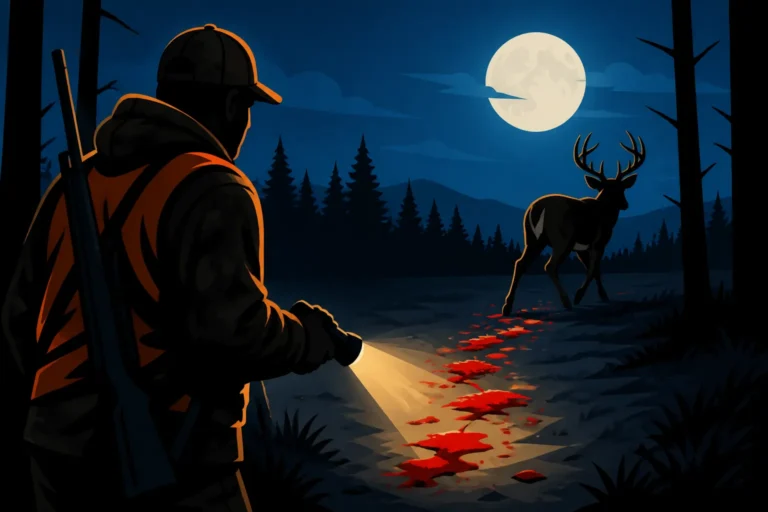
Unlike modern rifles with rapid follow-up shots, a muzzleloader demands patience after the shot. If you're confident in your hit, resist the urge to immediately pursue. Give the deer ample time – at least 30 minutes to an hour, or even longer for a questionable hit – to bed down and expire. Pushing a wounded deer too quickly can send it on a long run, making recovery much harder. Mark the exact spot where the deer was standing when you shot and where you last saw it.
Begin your blood trailing systematically. Look for blood, hair, bone fragments, or disturbed earth at the shot site. Blood on both sides of the trail usually indicates a pass-through. Bright red, frothy blood suggests a lung hit; darker blood with gut contents indicates a gut shot. If the blood trail is sparse or disappears, expand your search in a grid pattern. Snow, again, is your ally here, as it makes Tracking a Deer in Wisconsin Snow significantly easier, highlighting every drop of blood and every disturbed patch of ground.
If you hit the deer later in the evening, and the shot wasn't immediately lethal (e.g., a gut shot), it's often best to back out and return in the morning. The cold temperatures will help preserve the meat, and the deer will likely have expired nearby. Returning in daylight with fresh eyes and perhaps an extra set of hands can dramatically improve your chances of recovery. Always follow up on every shot, regardless of how you feel about the hit.
Field Dressing and Meat Care
Once you've recovered your deer, rapid field dressing is essential, even in cold December weather. While the cold will help preserve the meat, removing the entrails quickly allows the carcass to cool down internally, preventing spoilage. Work efficiently, using a sharp knife and clean game bags if you plan to quarter the deer for a long haul out.
If you're hunting in remote Northern Wisconsin, a deer sled or a game cart can be invaluable for getting your deer out of the woods. For larger bucks, especially in steep terrain like the Driftless Area, consider the gutless method to lighten the load, breaking the deer down into manageable quarters to pack out. Articles detailing Field Dressing a Deer in Cold Weather emphasize proper technique to ensure quality meat.
Once out of the woods, hang your deer in a cool, sheltered place (a garage, barn, or processing shed) to continue cooling. If you're not taking it to a professional processor, be sure to skin and butcher it promptly. The cold temperatures of December are ideal for aging venison for a few days if you have a suitable space, which can improve tenderness and flavor.
Registration and Reporting
Wisconsin law requires that all harvested deer be registered. This is a critical step for game management and ensuring compliance. You can register your deer online, via phone, or at a designated registration station, typically within 24 hours of harvest. Have your customer ID number and the deer tag information ready. You’ll be asked for the deer management unit where it was harvested, whether it was antlered or antlerless, and the date of kill. For specific instructions, refer to the Wisconsin Deer Registration Rules.
It's also important to be aware of Chronic Wasting Disease (CWD) surveillance areas. If you harvest a deer in a CWD-affected county, you may be required or strongly encouraged to submit the head for CWD testing. Be mindful of carcass movement restrictions, which are in place to prevent the spread of CWD. You might not be able to transport certain parts of a deer out of a CWD zone.
Before your hunt, use a tool like GoHunt or the Wisconsin DNR website to check the latest CWD regulations and locate nearby testing kiosks or stations. Being informed about these details contributes to responsible hunting practices and helps the state manage its deer herd.
Challenges and Rewards of the Muzzleloader Season
Muzzleloader hunting in Wisconsin's December woods is not without its unique hurdles, but for those who embrace them, the rewards are often far richer than a simple filled tag. It's an experience that deepens your connection to the hunt and the land.
Overcoming the Limitations
The most apparent limitation of a muzzleloader is its single-shot nature. There's no quick follow-up if you miss or if the first shot isn't lethal. This demands extreme precision, a calm demeanor, and careful shot placement. It means you might pass on marginal shots you'd attempt with a modern repeater. This limitation, however, sharpens your skills and forces you to become a more disciplined hunter.
Reloading a muzzleloader in the field, especially in cold, gloved hands or under the adrenaline of a missed shot, is a slow and cumbersome process. You need to carry pre-measured powder charges and projectiles, and fumbling with them can cost you a second opportunity. Practice reloading at home, even blindfolded, so it becomes muscle memory. Hangfires or misfires due to damp powder or faulty primers are also a possibility, adding another layer of challenge. Proper gear maintenance and attention to detail are crucial to minimizing these risks.
Finally, the effective range of a muzzleloader, while extended by modern in-lines, is still generally shorter than many modern centerfire rifles. This means getting closer to your game is paramount. It requires superior stealth, a deeper understanding of deer movement, and often more rigorous scouting. These aren't just limitations; they're opportunities to become a more skilled and patient hunter.
The Unforgettable Experience
Despite (or perhaps because of) these challenges, the satisfaction of harvesting a deer with a muzzleloader is immense. There's a profound sense of accomplishment in connecting with an animal using a method that echoes centuries of hunting tradition. The deliberate preparation, the patient stalk, and the single, well-placed shot create a memorable experience that few other forms of hunting can match.
The Wisconsin muzzleloader season often occurs during some of the most beautiful times of the year, with snow-covered landscapes and crisp, quiet air. The absence of heavy hunting pressure from the general gun season allows for a more peaceful and immersive time in the woods. You often feel more connected to the wilderness, hearing every rustle, seeing every track, and appreciating the stillness. This is where you might find yourself reflecting on the history of hunting and your place within it.
This unique season also offers expanded hunting opportunities. If you missed out during archery or gun season, muzzleloader season gives you another chance to fill your freezer or pursue a specific deer. For hunters who truly love the chase, having an additional season to be out in the woods, experiencing the unique conditions of early winter, is a reward in itself. For specific regional information or hunting tips, resources on platforms like GoHunt can often provide additional insights from fellow hunters who cherish this time of year.
Muzzleloader Tips for Success
To truly excel in Wisconsin's muzzleloader season, consistent practice is key. Don't just sight in your rifle; practice shooting in cold weather, with your hunting gloves on, and from various field positions. Get to know your firearm inside and out, understanding its nuances and capabilities. The more comfortable and proficient you are with your muzzleloader, the more confident you'll be when that big buck steps out.
Attention to detail is paramount, especially regarding powder and primers. Keep them dry, keep them fresh, and always use consistent measures. A single granule of moisture or a slightly corroded primer can ruin your hunt. After every outing, even if you didn't fire a shot, thoroughly clean your muzzleloader. Black powder and its substitutes are corrosive, and neglect can quickly damage your barrel.
Finally, patience and persistence are your greatest allies. Deer in December are wary and smart. They've been hunted for months. Be willing to sit longer, walk further, and pass on marginal shots. Embrace the challenge, enjoy the quiet beauty of the late-season woods, and the satisfaction of a hunt well earned.
| Feature | Traditional Muzzleloader (Flintlock/Percussion) | Modern Inline Muzzleloader |
|---|---|---|
| Ignition | Flint and frizzen / Percussion cap | 209 Shotshell Primer |
| Loading | Muzzle loaded, separate powder, patch, ball | Muzzle loaded, separate powder, sabot/bullet |
| Maintenance | More intricate cleaning, prone to rust | Easier cleaning, less prone to rust |
| Reliability | Can be affected by moisture/cold (flintlock) | Very reliable ignition |
| Accuracy | Good, but often more challenging to master | Generally higher, easier to achieve |
| Optics | Often open sights, some accept scopes | Scopes commonly used |
| Aesthetics | Classic, historical appearance | Modern, tactical appearance |
| Cost | Varies widely, can be very affordable or high-end custom | Wide range, generally accessible |
| Typical Range | <100 yards (percussion), <75 yards (flintlock) | 75-150 yards (can extend with practice) |
Disclaimer
Please note that hunting regulations, season dates, and specific rules are subject to change. Always consult the official Wisconsin Department of Natural Resources (DNR) website or the current hunting regulations pamphlet for the most accurate and up-to-date information before planning your hunt. This guide is for informational purposes only and should not be considered a substitute for official DNR publications.