Thermal and Night Vision Rules in Wisconsin
Wisconsin regulations regarding thermal and night vision devices for hunting, including artificial light bans and specific furbearer exceptions.
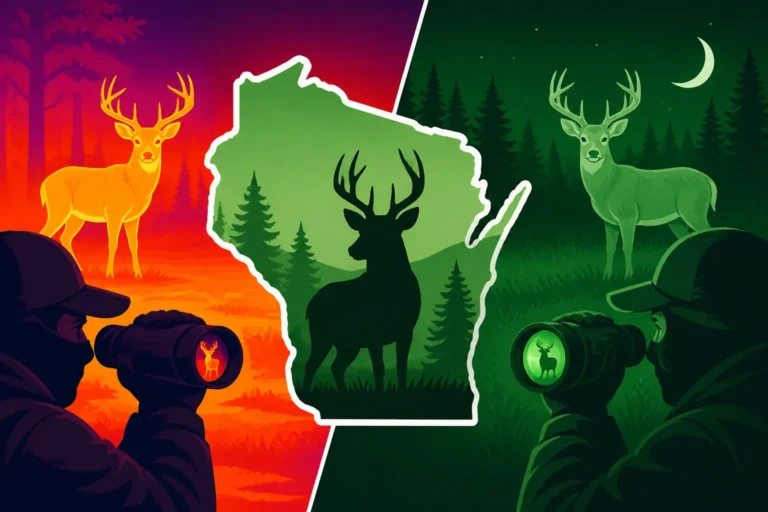
Wisconsin regulations regarding thermal and night vision devices for hunting, including artificial light bans and specific furbearer exceptions.
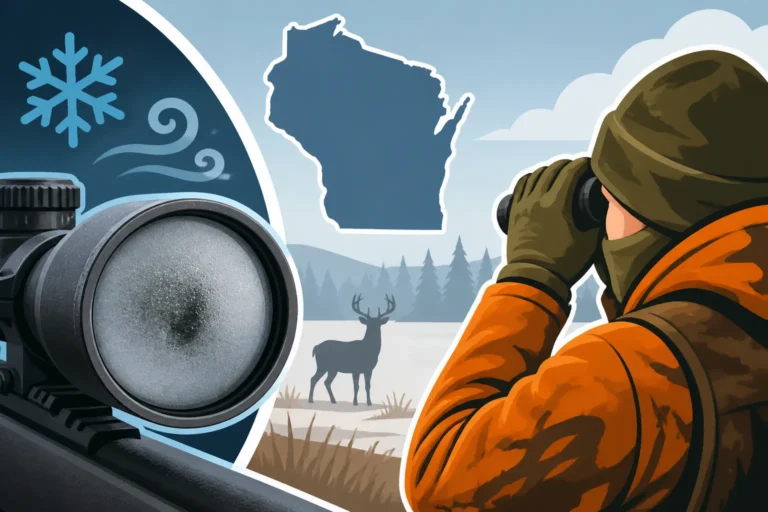
Wisconsin hunters learn why cold weather temperature differentials cause binoculars and rifle scopes to fog in the field.
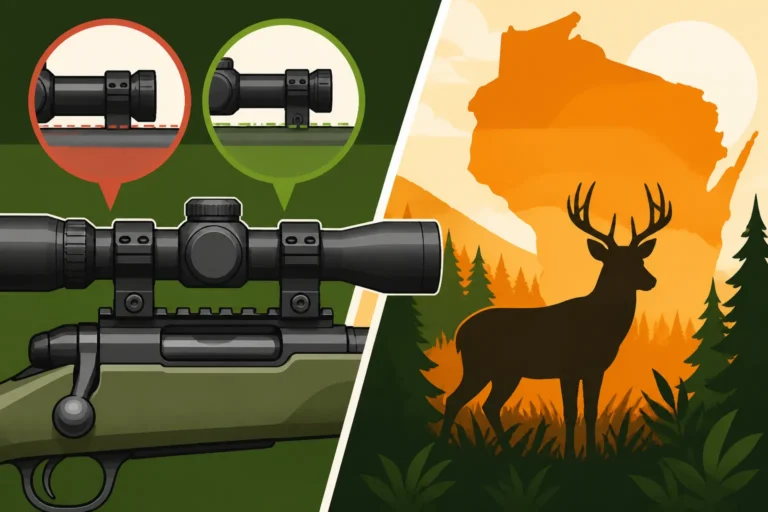
Scope mounting and proper ring height control barrel clearance, natural eye alignment, and deer rifle accuracy.
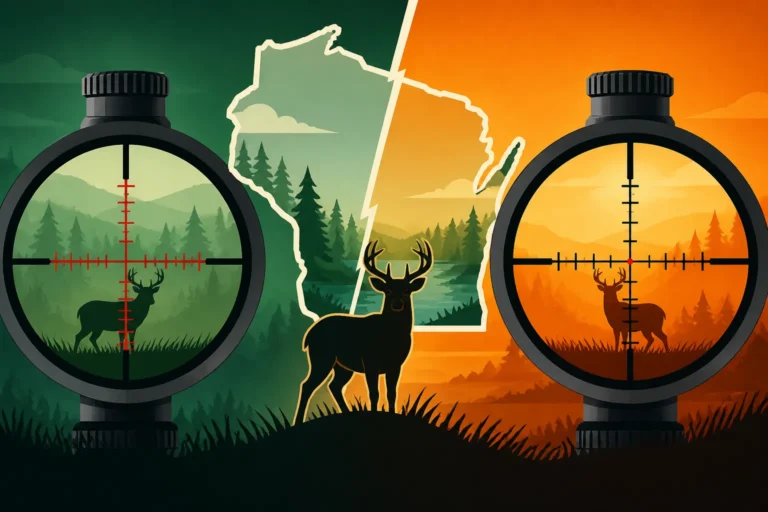
First and second focal plane rifle scopes differ in reticle sizing during magnification changes for Wisconsin deer hunting.
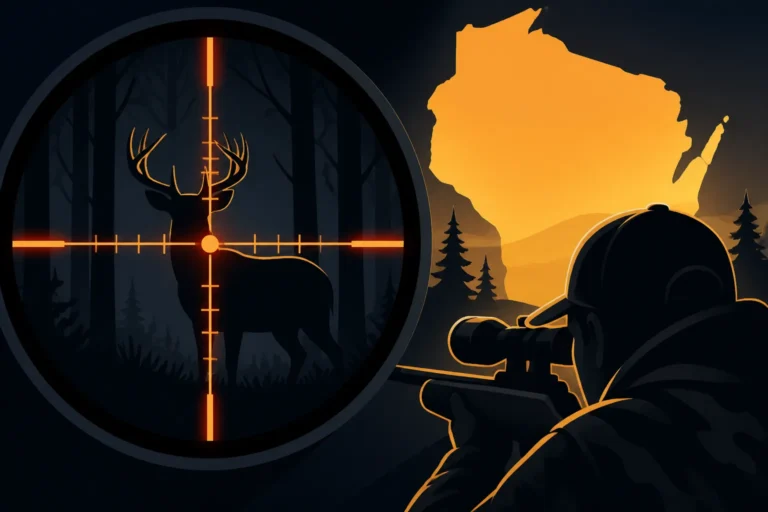
Illuminated reticles solve visibility problems for deer and bear hunters targeting animals in Wisconsin dark timber during dawn and dusk.
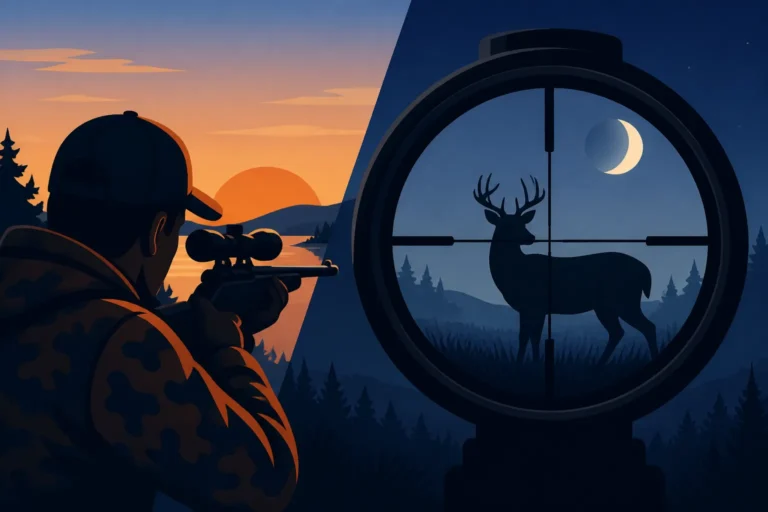
Low-light scope performance depends on objective lens diameter, glass quality, and lens coatings during dawn and dusk hunting.
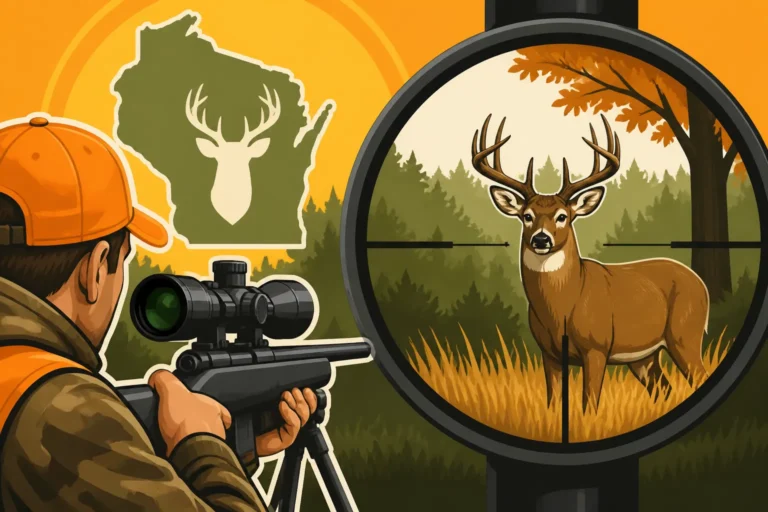
Rifle scope magnification options for Wisconsin deer hunters explain fixed and variable power choices and optical trade-offs.
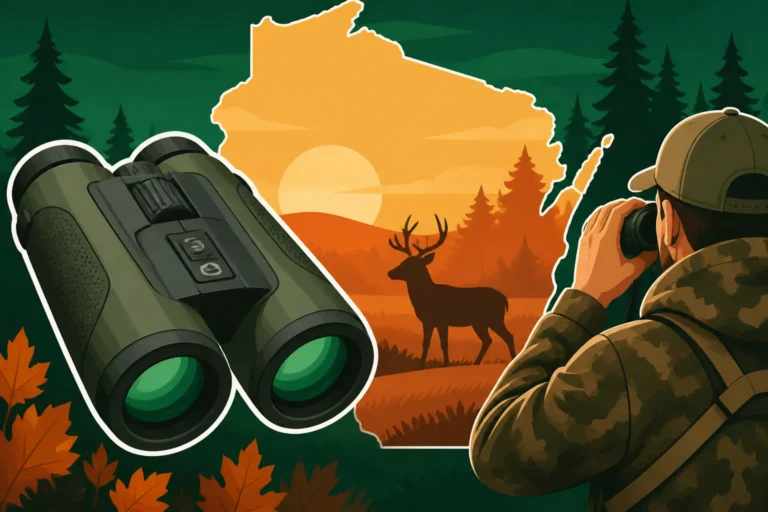
Rangefinding binoculars for Wisconsin deer hunting eliminate gear clutter and speed up target acquisition, but carry high costs.
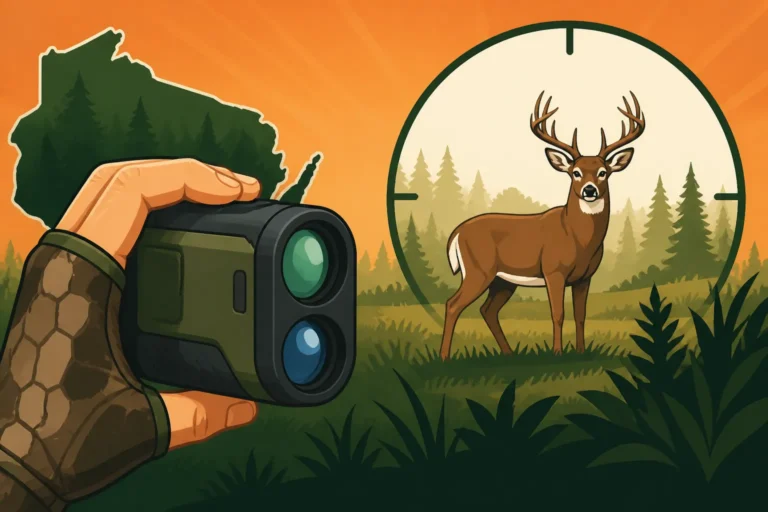
Rangefinders for close shots under one hundred yards help Wisconsin hunters accurately judge distances in thick timber and swamps.
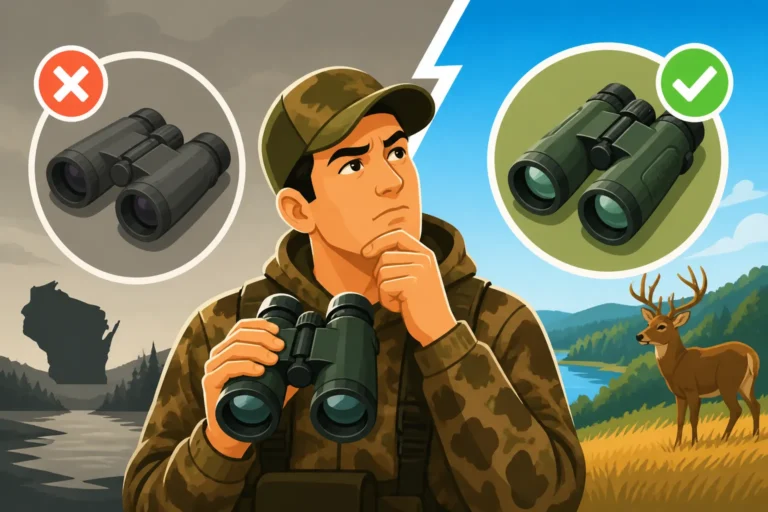
Budget binoculars priced under two hundred dollars reveal manufacturing compromises in glass clarity and weather sealing during Wisconsin hunts.