Hunting Cattail Marsh for Ducks
Wisconsin cattail marsh duck hunting offers strategies for navigating ecosystems, setting decoys, and finding mallards safely.
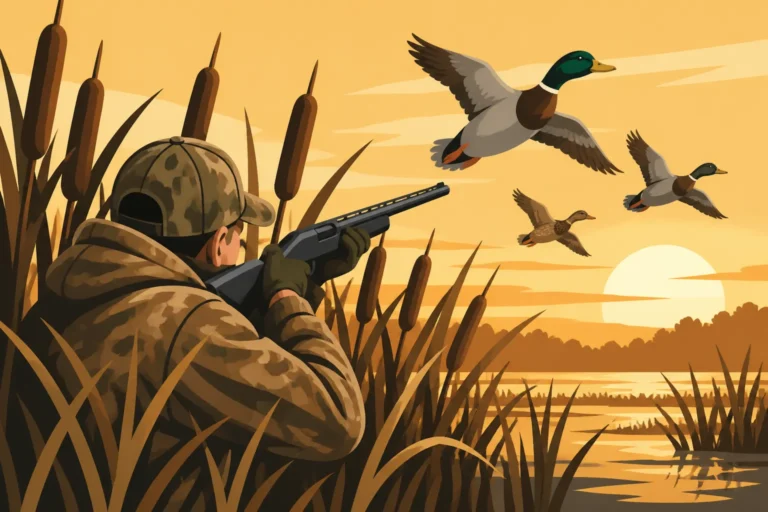
Wisconsin cattail marsh duck hunting offers strategies for navigating ecosystems, setting decoys, and finding mallards safely.
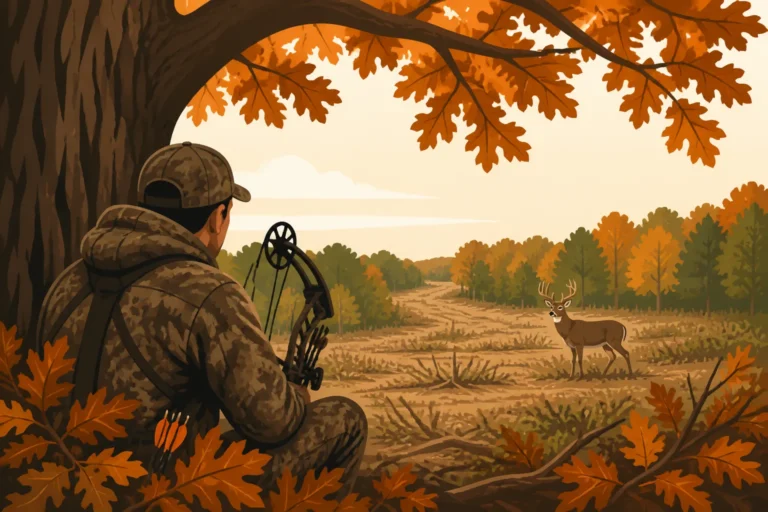
Fresh oak cuttings reveal Wisconsin whitetail feeding locations, helping hunters find active white oak stands during early and mid-fall.
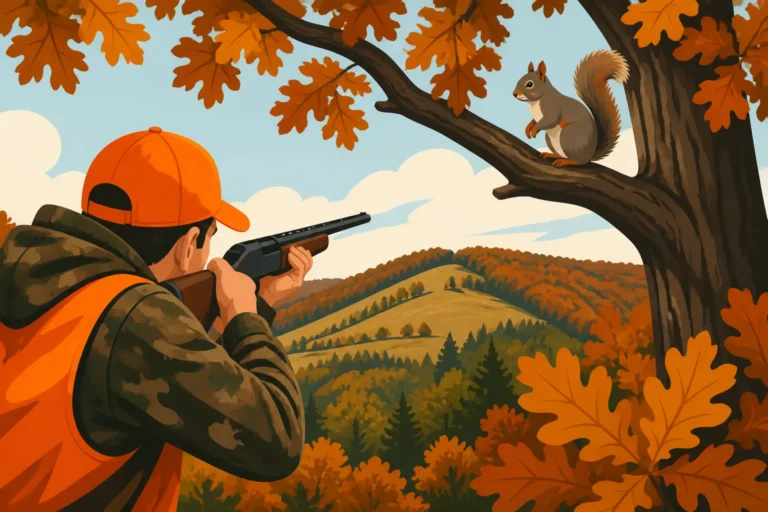
Wisconsin oak ridge squirrel hunting strategies, including fox and gray squirrel habits, food sources, and seasonal behavior patterns.
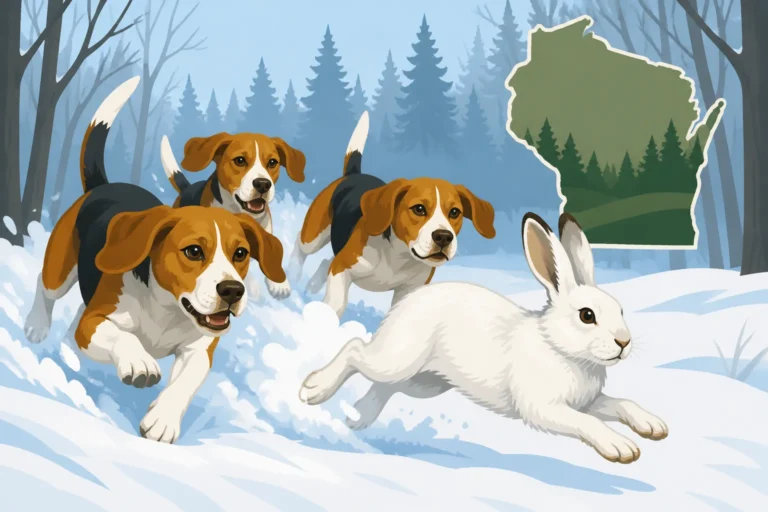
Wisconsin beagle hunting for snowshoe hares requires locating dense conifer swamps and young aspen stands where these varying hares thrive.
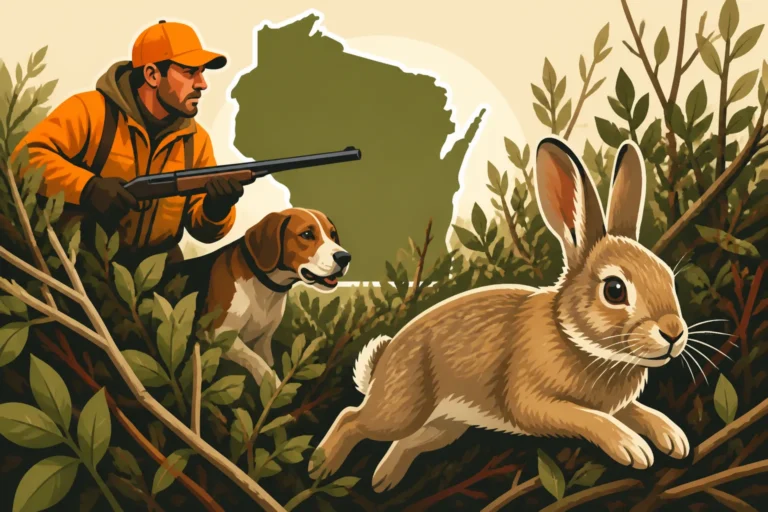
Wisconsin rabbit hunting tactics help hunters find Eastern cottontails and snowshoe hares in thick briar patches and conifer swamps.
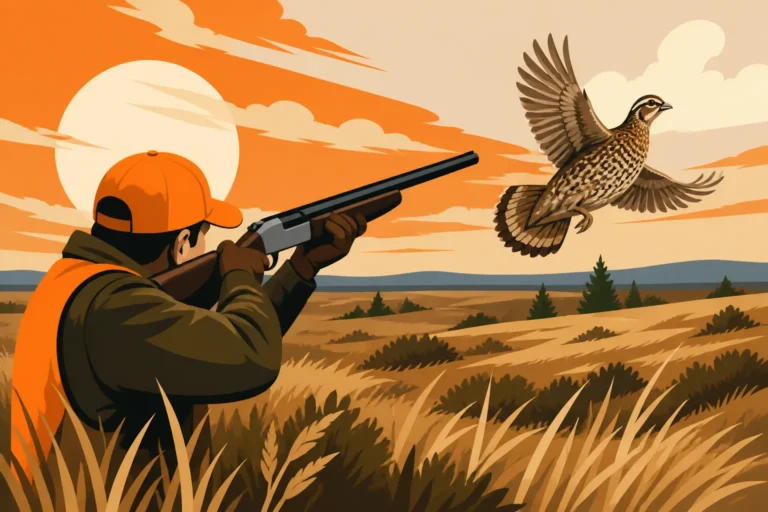
Wisconsin sharp-tailed grouse hunting strategies explain how to find birds and navigate pine barrens ecosystems successfully.
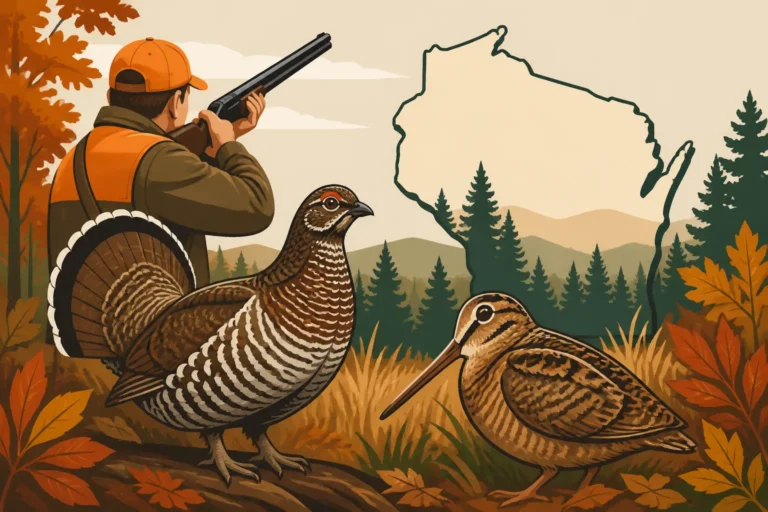
Wisconsin habitat overlaps and transitional zones let hunters consistently find both ruffed grouse and woodcock together.
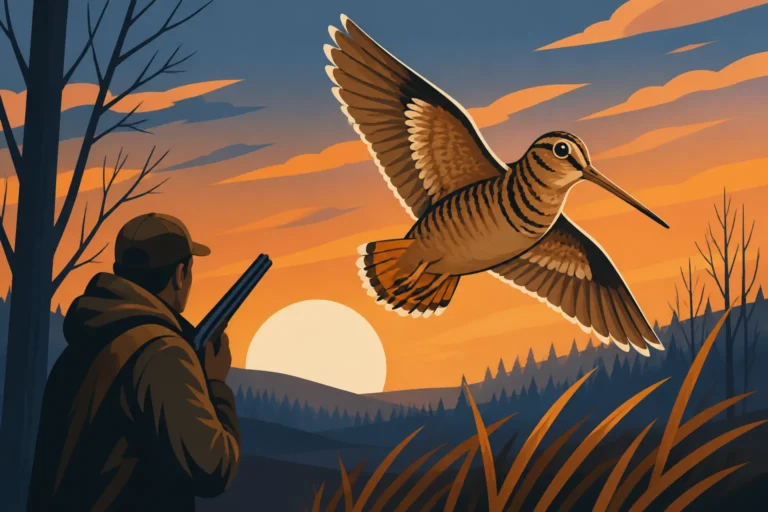
Wisconsin woodcock migration timing, driven by cold fronts and weather patterns, helps hunters find peak timberdoodle hunting action.
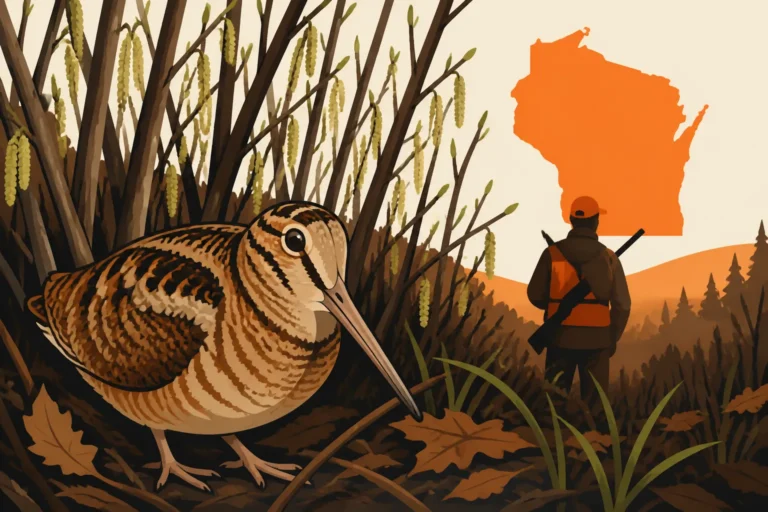
Wisconsin alder runs provide woodcock with moist soil, earthworm food, and dense cover from avian predators during migration.
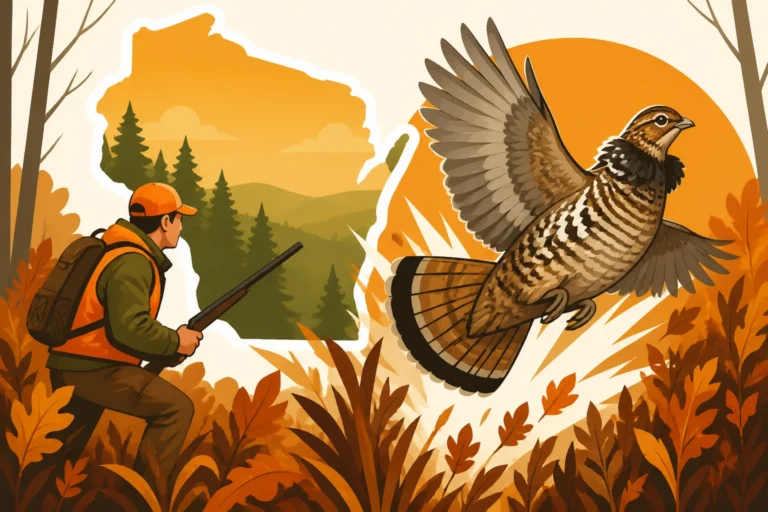
Wisconsin ruffed grouse hunting without a dog requires practical strategies for reading young aspen habitats and timing deliberate walking movements.