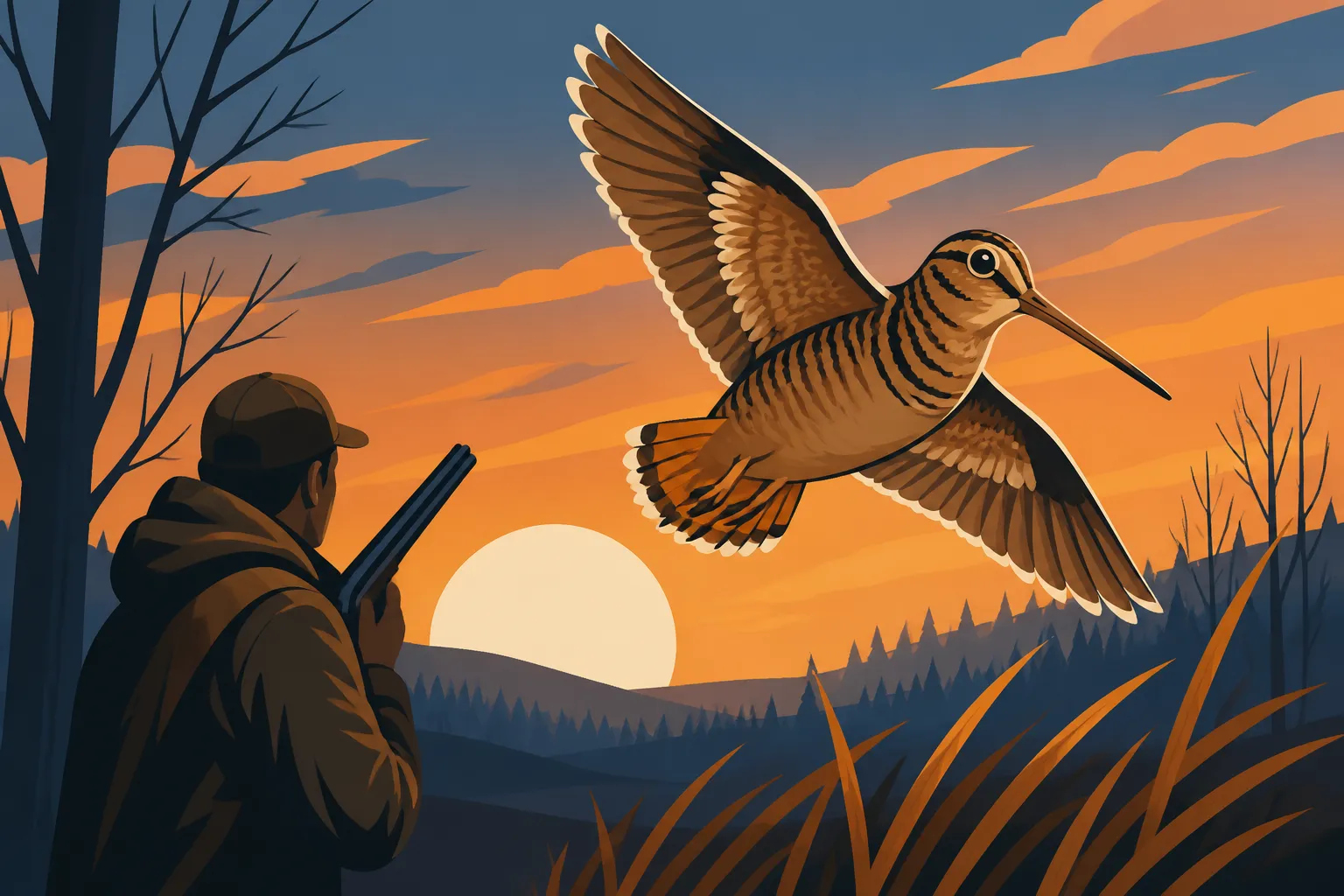
Timing the Wisconsin Woodcock Flight
One of the trickiest parts of chasing timberdoodles, those enigmatic little woodcock, here in Wisconsin is pinning down exactly when they’ll be thick in your favorite cover. You can scout all summer, find perfect alder runs, but if you’re not there when the birds are migrating through, it’s just a nice walk in the woods. This guide is all about helping you understand the subtle signs and bigger weather patterns that dictate the woodcock flight, so you can time your hunts for peak action.
Understanding Woodcock Migration Through Wisconsin
Woodcock, often called timberdoodles, bog suckers, or bogsuckers by us old-timers, aren't residents here all year long. They're migratory birds, passing through our state on their way from their breeding grounds in the northern states and Canada down to their wintering grounds in the southern U.S., primarily Louisiana. This annual journey is what makes them such a unique and exciting game bird to pursue in Wisconsin.
The Annual Journey and Wisconsin's Role
These fascinating birds spend their summers across a vast northern range, raising their broods in dense, damp thickets. As autumn approaches and the days shorten, an instinctual urge kicks in, telling them it's time to head south. Wisconsin sits right in the path of a major migratory corridor for these birds. We're a crucial stopover point, offering prime feeding and resting habitat for thousands of woodcock. Think of it like a bustling truck stop along a long highway – they need to refuel and rest before continuing their arduous journey.
Because Wisconsin is such a critical layover, understanding their movement here is paramount. We get both local birds that hatched here moving around, and then the influx of "northern birds" that significantly boost our numbers. This is why some years feel like there are birds everywhere, and others feel eerily quiet. It often depends on the timing and volume of those northern flights, which we'll dive into more.
Early Arrivals Versus the Main Flight
It's common to find woodcock in Wisconsin as soon as the season opens in mid-September. These are often our local birds, those that were born and raised right here in your hunting grounds. They'll be found in familiar covers, typically sticking close to where they spent the summer. Hunting these early birds can be productive, but the real excitement for many of us comes with the arrival of the main migratory flight.
The "main flight" is when those thousands of birds from further north start pouring into Wisconsin. This is when the numbers really swell, and you can find birds in places you might not typically find them earlier in the season. These birds are driven by the changing weather and their innate migratory clock, pushing them south. Distinguishing between a few resident birds and the beginning of a major push of migrants is key to maximizing your hunting opportunities. Many hunters rely on tools like the "OnX Hunt" app or similar mapping services to pinpoint ideal habitat when the main flight is on, especially on public lands where scouting might be limited.
Key Factors Influencing the Woodcock Flight
Predicting the exact day the woodcock floodgates will open is a bit like predicting Wisconsin weather—you can get close, but nature always throws a curveball. However, there are some very strong indicators that experienced timberdoodle hunters rely on to forecast the peak of the flight. It's rarely a single factor, but rather a combination that pushes these birds south.
Weather and Cold Fronts: The Biggest Drivers
Without a doubt, cold fronts are the primary catalyst for significant woodcock movement. When a strong cold front sweeps down from Canada, bringing with it a sharp drop in temperature and often blustery winds, it signals to the woodcock that their comfortable northern feeding grounds are about to freeze solid. They are highly dependent on soft, moist soil to probe for earthworms, their primary food source. Once the ground starts to freeze up, their buffet disappears.
We're not talking about just any cool day; we're talking about those crisp, clear, frosty mornings after a serious temperature plunge. These birds will ride those northern winds south, sometimes traveling hundreds of miles in a single night. You might have walked a cover one day and found only a bird or two, and then after a strong cold front passes through, the very next day it's absolutely packed with woodcock. This phenomenon is why many of us pay more attention to weather maps than our daily calendars during peak season.
Food Availability and Soil Conditions
Even without a hard freeze, prolonged dry spells can also impact woodcock presence. If the soil becomes too hard and dry, even if it's not frozen, the earthworms will burrow deeper, making them inaccessible to the woodcock's long bill. You'll find that prime woodcock habitat—like those rich, moist alder bottoms or young aspen stands with damp ground—becomes less attractive if it dries out. Conversely, if we've had a good amount of rain, keeping the soil soft and pliable, woodcock might linger longer even as temperatures drop, as long as the ground isn't freezing.
It's a delicate balance. The birds need that soft earth. If your usual hunting spot is in a historically dry area and hasn't seen much rain, you might want to consider shifting your focus to areas closer to rivers or low-lying wetlands, where the soil naturally stays moister. Tools like the GoHunt app often have satellite imagery that can help you identify these moisture-rich zones, even if you can't scout them on foot.
Moon Phases and Barometric Pressure
While not as dramatic as a cold front, some hunters swear by the influence of moon phases and barometric pressure. Woodcock are primarily crepuscular, meaning they're most active at dawn and dusk, but they also feed at night. A bright moon might encourage more nocturnal feeding and potentially longer migratory flights under the cover of darkness.
As for barometric pressure, falling pressure often precedes a weather change, including cold fronts, which we've already identified as a major driver. A sharp rise in pressure after a front has passed, bringing clear skies, is often when birds are "grounded" after their flight, making them available to hunters. While these aren't the primary indicators, they can offer subtle clues to fine-tune your timing. It's often about looking at the entire picture, not just one piece of the puzzle.
Optimal Timing and Locations for Wisconsin Woodcock Hunting
Pinpointing the exact best week can feel like chasing a ghost, but there are definitely windows of opportunity that consistently prove more fruitful than others here in Wisconsin. Understanding these periods and where to focus your efforts can dramatically increase your chances of finding birds.
When to Be in the Woods: Peak Migration Windows
For most of Wisconsin, the peak woodcock migration generally occurs from late September through the middle or third week of October. However, this isn't a hard and fast rule, and it often shifts by a week or two each year based on the weather patterns we just discussed.
- Early October: This is often the prime window for northern Wisconsin. Strong cold fronts pushing down through areas like the Chequamegon-Nicolet National Forest or the vast county forests of Bayfield and Sawyer counties will fill these covers with birds. If you're looking for Grouse and Woodcock Hunting in Wisconsin, this period can offer fantastic mixed bag opportunities.
- Mid-October: As the northern cold fronts continue, the main flight moves into central Wisconsin and the northern fringes of the southern counties. This is when places like the Black River State Forest or public lands around the Necedah National Wildlife Refuge really light up with woodcock.
- Late October: Even as we move into the latter half of October, especially if the weather stays mild, you can still find good numbers of birds in southern Wisconsin. However, a hard freeze can push them out quickly, so this period is more dependent on an extended Indian summer. By November, most of the birds will have pushed further south.
A good rule of thumb is to start monitoring weather patterns in late September. When you see that first significant cold front drop temperatures into the low 30s or even 20s up in northern Minnesota or Canada, clear your schedule for about three to five days later. That's often when those birds will hit our state in force.
Identifying Prime Habitat: What Makes Good Woodcock Cover
Woodcock aren't just found anywhere; they have specific habitat requirements that make certain areas magnets for them during migration. They love young, regenerating forests, particularly those with a dense understory and moist soil.
- Alder Runs: These are classic woodcock magnets. Dense thickets of alder, often found along stream bottoms, wetlands, or low-lying areas, provide both cover from predators and the consistently moist soil woodcock need to feed. If you're Looking for Woodcock Hunting Wisconsin Alder Runs, these are your top spots.
- Young Aspen Stands: Aspens are fast-growing trees, and stands that are 5-20 years old offer the dense, brushy conditions woodcock adore. They also often grow in areas with rich, moist soil. Finding Hunting Wisconsin Clearcuts and Aspen Cuts that are at the right stage of regeneration can be goldmines.
- Willow Thickets: Similar to alders, willow thickets near water sources provide excellent cover and moist feeding grounds.
- Tamarack Swamps: These coniferous swamps, especially on their edges or in areas with more open understory, can also hold woodcock.
- Edges: Always pay attention to habitat edges – where a dense thicket meets a more open field or mature timber. Woodcock will often stage or feed along these transition zones.
When scouting, whether in person or with mapping apps, look for these specific features. Remember that woodcock are masters of camouflage, and they prefer dense cover. Areas that look almost impenetrable to walk through are often the ones holding the most birds.
Regional Differences Across Wisconsin
Wisconsin's diverse landscape means woodcock hunting isn't uniform across the state.
- Northern Wisconsin (e.g., Bayfield, Ashland, Iron Counties): This region often sees the first significant wave of migratory birds. The vast public lands here, including county forests and the Chequamegon-Nicolet National Forest, offer endless opportunities. Birds can arrive here in numbers as early as late September and typically peak in early October.
- Central Wisconsin (e.g., Jackson, Juneau, Adams Counties): The central part of the state, particularly areas with sandy soils and significant wetlands like Meadow Valley and Wood County Ground, will see the main flight a bit later, usually mid-October. The Black River State Forest is another prime destination here.
- Southern Wisconsin (e.g., Grant, Richland, Waupaca Counties): While southern Wisconsin has good local bird populations, the migratory push usually arrives last, typically in the second half of October. Here, finding birds often means focusing on river bottoms and drainages where moisture is more consistent, as the surrounding farmland can dry out quickly. Places like the Lower Wisconsin Riverway can be productive.
Understanding these regional nuances allows you to adjust your travel plans and focus your efforts where the birds are most likely to be at any given time.
Practical Strategies for Hunting the Flight
Knowing when the woodcock are in Wisconsin is only half the battle; the other half is knowing how to find and flush them effectively. These little brown rockets can be incredibly challenging, but with the right approach, you can have a truly memorable hunt.
Scouting for Fresh Sign
Unlike deer, woodcock don't leave massive tracks, but they do leave very distinct clues. When scouting your chosen covers, especially after a cold front has moved birds in, keep an eye out for these signs:
- "Borings" or Probe Marks: Woodcock use their long, sensitive bills to probe the soft earth for earthworms. You'll see clusters of small, round holes in the moist soil, often looking like someone poked the ground repeatedly with a pencil. Fresh borings are the best indicator that birds are actively feeding in an area. These are often found near decaying leaves or mossy patches in the shade.
- Droppings (Splashes): Woodcock droppings are distinct, resembling white paint splashes, often with a dark center. They’re usually found scattered in areas where birds have been feeding or resting. The brighter white they are, the fresher the sign.
- Dusting Bowls: Woodcock, like many birds, create small depressions in dry, sandy soil to dust bathe. While not as common as borings or splashes, finding a few of these small, circular depressions can indicate an area they frequent.
Using a tool like the GoHunt app for aerial imagery and property boundaries can help you quickly identify potential woodcock cover like alder thickets or young aspen stands, even before you step foot in the woods. This helps you narrow down your physical scouting to high-probability areas, saving valuable time during the short migratory window.
Working Cover Effectively to Flush Birds
Woodcock hold incredibly tight, often letting you walk right past them before flushing. This means you need to be thorough and methodical in how you move through cover.
- Slow and Steady: Don't rush. Walk at a deliberate pace, pausing frequently. These pauses often make a woodcock nervous enough to flush. Many birds will wait until you pass them before bursting out behind you, so be ready to turn quickly.
- Grid Patterns: Especially in dense cover, try to work in a grid pattern to ensure you cover every inch of ground. Woodcock can be just feet apart in prime habitat, and if you walk a straight line, you'll inevitably miss birds to either side.
- Look for Openings: Woodcock tend to flush and then quickly weave through openings in the cover. Anticipate their flight path, often rising vertically for a few feet before leveling off and darting through the trees.
- Follow-Up Shots: Be ready for follow-up shots. Sometimes, a woodcock will flush, fly 20 yards, and drop back into cover. A patient hunter can often get a second opportunity.
Remember, it's about covering ground thoroughly. The more time you spend in prime habitat, especially when the main flight is on, the more opportunities you'll create. For tips on specific cover types, checking out resources like "Hunting Wisconsin Cedar Swamps" (while not primarily for woodcock, the dense cover approach can be similar) might offer relevant insights into navigating difficult terrain.
Equipment and Dog Work for Success
Having the right gear and, ideally, a good dog, makes a world of difference when woodcock hunting.
- Shotgun and Ammo: A fast-handling shotgun, typically a 20-gauge or 28-gauge with an open choke (like improved cylinder or skeet), is ideal for the close-quarters, quick-flushing action. For Shot Size for Grouse and Woodcock, smaller shot like 7.5 or 8 is generally preferred due to the woodcock's small size and delicate nature. A double-barrel or an over/under allows for quick choke changes, often with an open choke in the first barrel and a slightly tighter one in the second. For more on this, check out "Choke Choice for Fast Flushes."
- Upland Vest: An upland vest with a large game bag and plenty of pockets for shells, water, and other necessities is essential. Many Upland Vests With Water Capacity also include hydration bladders, which are great for you and your dog.
- Boots and Brush Pants: You'll be walking through wet, dense, and often thorny cover. Waterproof boots and durable brush pants are non-negotiable. For a deeper dive into appropriate footwear, refer to "Boots for Walking Wisconsin Aspen Cuts."
- Bird Dog: A well-trained bird dog is, for many, the ultimate woodcock hunting companion. Their keen nose and ability to pin down birds that would otherwise be walked past is invaluable. Breeds like English setters, pointers, Brittany spaniels, and even flushing retrievers can excel. A good dog will point or flush birds, allowing you to get into position for the shot. Don't forget their gear too; "Bird Dog Gear for Wisconsin Cover" can help you prepare your canine partner.
Even without a dog, thorough and methodical hunting can still yield success. It just means you'll need to rely even more on reading the cover and staying alert for those explosive flushes. Timing the Wisconsin Woodcock Flight can be challenging, but with persistence and attention to these details, you'll be well on your way to filling your game bag.
Disclaimer
Hunting is an inherently risky activity. Always prioritize safety, follow all Wisconsin Department of Natural Resources regulations, and respect private property. The information provided in this guide is for informational purposes only and should not replace proper training, local regulations, or professional guidance. Stay safe and enjoy your time in the Wisconsin woods!