Orange Requirements for Archery Hunters
It's a common misconception, and a truly frustrating one for many, that if you're out bowhunting in Wisconsin, you're always in the clear to wear full camouflage. The truth is, depending on when and where you hunt, you might need to don that bright blaze orange, even with a bow or crossbow in hand. This guide is here to clear up that confusion, diving deep into Wisconsin's blaze orange requirements specifically for archery hunters, so you can stay safe and legal in the woods.
Understanding Wisconsin's Blaze Orange Rules
Navigating hunting regulations can sometimes feel like trying to untangle a particularly stubborn fishing knot. The rules around blaze orange are no exception, and they often cause a lot of head-scratching, especially for those who primarily pursue deer with archery equipment. The key is understanding that these rules aren't static; they shift based on the calendar and the presence of other hunting seasons.
The General Rule for Archery Season
For a significant portion of Wisconsin's archery deer season, which is wonderfully long and offers ample opportunity, blaze orange or fluorescent pink is generally not required. This is the period when bowhunters can truly embrace the art of stealth, blending into the natural surroundings with their carefully chosen camouflage patterns. The primary archery season is designed for hunters who rely on close-range encounters, often from a treestand or ground blind, where remaining unseen is paramount to success. It's during these times, before the gun seasons kick in, that an archer can truly immerse themselves in the quiet intimacy of the woods, focusing on scent control and subtle movements without the visual burden of bright outerwear.
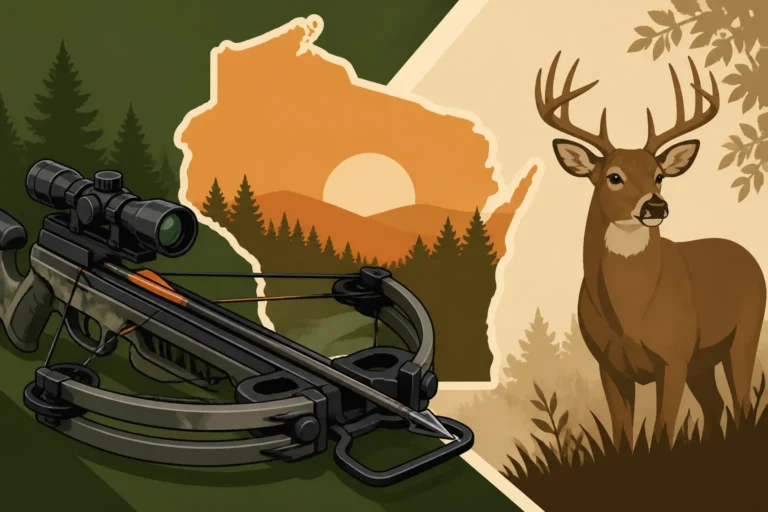
This general exemption during the main archery season also applies whether you're using a traditional vertical bow or a modern crossbow. Wisconsin's regulations typically treat both as archery equipment for these purposes. There’s often debate about the distinction, but for blaze orange requirements, the type of bow doesn't usually change the core rule. If you're pondering the merits of one over the other, you might find some interesting insights in Crossbow Versus Vertical Bow in Wisconsin. Regardless of your choice, the fundamental idea is that during the exclusive archery periods, stealth is your primary concern, and the rules reflect that by allowing full camo.
However, this doesn't mean you can completely forget about the color orange. Even during these "camo-friendly" periods, many archers choose to wear a small amount of blaze orange to and from their stand, or while tracking an animal, especially if they're on public land or in areas with known high foot traffic. It's a personal safety choice, and while not legally mandated, it’s a smart practice to consider anytime you might be moving through the woods when visibility is low or other outdoor enthusiasts might be present. The more visible you are when not actively hunting from a concealed position, the safer everyone is.
When Archery Season Overlaps with Gun Seasons
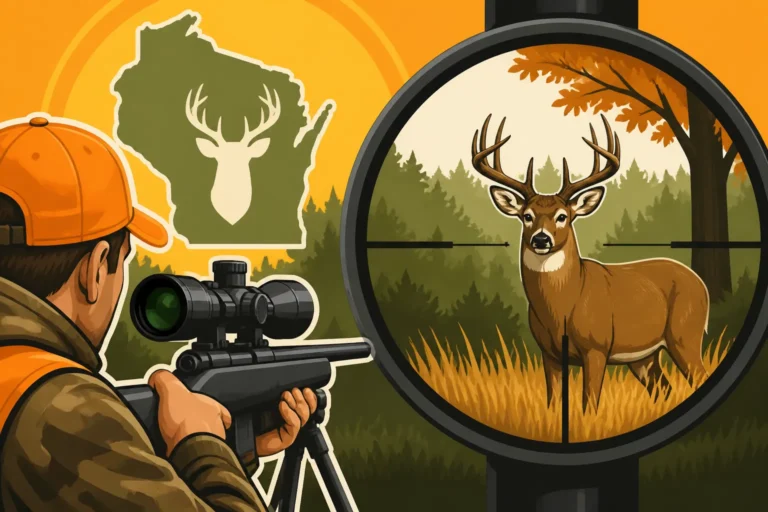
Here's where the waters get a little murky, and where paying close attention to the calendar becomes absolutely crucial. Wisconsin's hunting seasons are designed with overlaps to maximize hunting opportunities, but these overlaps come with specific safety requirements. Anytime the archery deer season runs concurrently with any gun deer season – be it the traditional nine-day gun hunt, the muzzleloader season, or even the later antlerless-only hunts – all deer hunters in the field, including archers and crossbow hunters, are required to wear blaze orange or fluorescent pink. This rule is non-negotiable and is strictly enforced for the safety of everyone in the woods.
Imagine you've been meticulously patterning a big buck for weeks, setting up your stand just so, and you've got your camouflage dialed in. Then, suddenly, the gun season opens. Your carefully planned stealth routine now needs a bright orange adjustment. This can be frustrating, especially if you feel it compromises your ability to remain undetected. However, the rule is in place for a very good reason: to prevent accidents. With a higher density of hunters, many of whom are using firearms capable of longer shots, visibility becomes paramount. It's a necessary trade-off for sharing the woods safely.
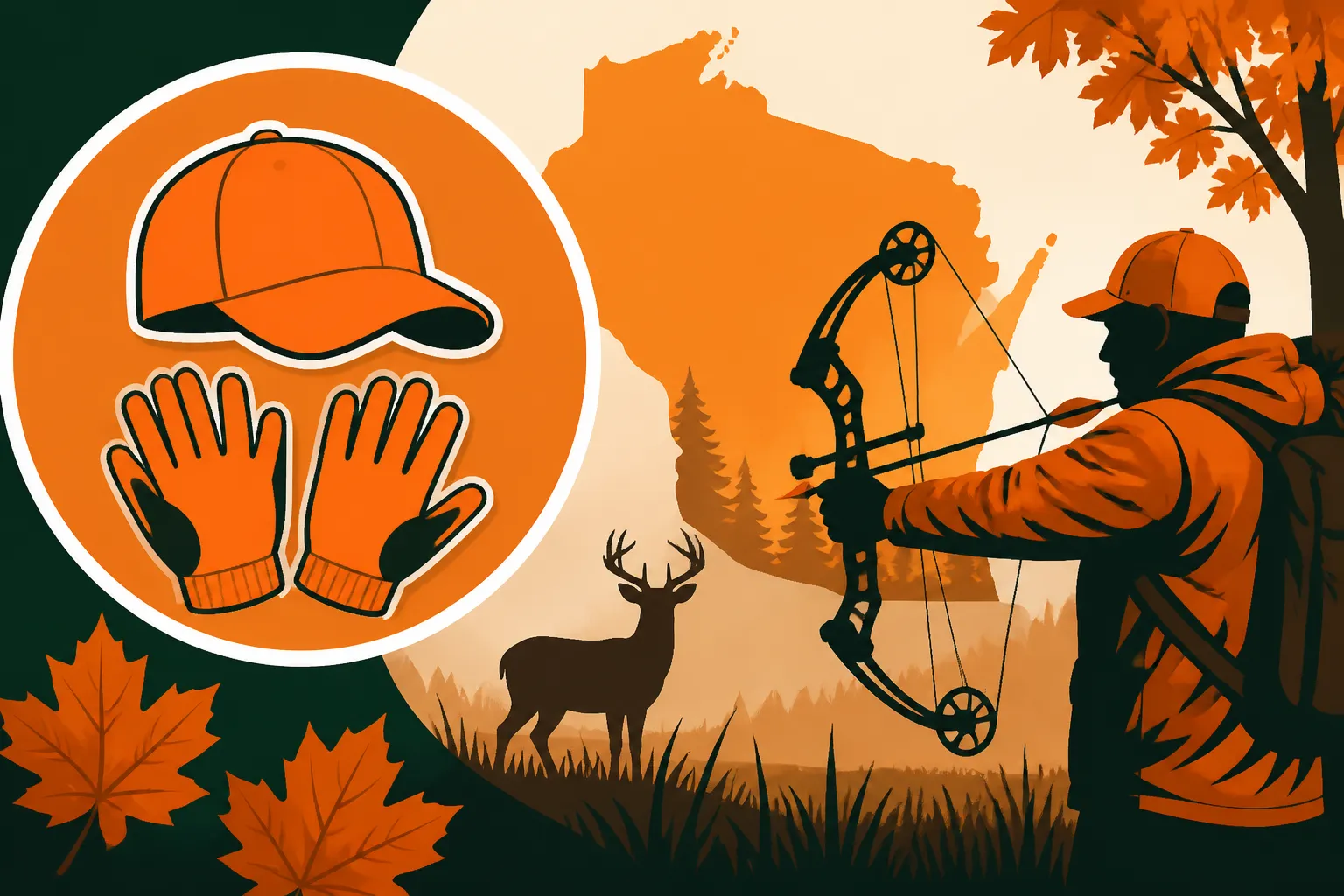
This means that during these specific overlap periods, your trusty camo needs a visible layer of orange or pink. The requirement typically states a minimum amount, such as 50% of your outer clothing above the waist needing to be blaze orange or fluorescent pink, including a hat. You can't just tie a small strip of orange fabric to your bow limb and call it good. It needs to be a significant, visible portion of your outerwear. For specific dates, always consult the current Wisconsin DNR regulations or check resources like the GoHunt app for up-to-date calendar information, as these dates are set annually.
Specific Scenarios Requiring Blaze Orange for Archers
Let's break down the exact scenarios where you, as an archery hunter, will need to put aside some of that precious camouflage and embrace the bright colors of safety. These periods are non-negotiable, and understanding them can prevent a costly fine or, more importantly, a dangerous situation.
The Nine-Day Gun Deer Season Overlap
This is perhaps the most well-known and significant period when blaze orange is mandatory for all deer hunters. The traditional Wisconsin's Nine-Day Gun Deer Season is a huge event across the state, bringing thousands of hunters into the woods. If you're planning to extend your archery deer hunt into this period, you absolutely must comply with the blaze orange requirements. This means your outerwear above the waist, including your hat, needs to be at least 50% blaze orange or fluorescent pink.
It's a tough pill to swallow for many dedicated archers. You've spent countless hours practicing your draw, mastering scent control, and scouting the perfect ambush location, all with the goal of getting within mere yards of a deer. Now, you're asked to wear a color that, to a human eye, screams "I'm here!" While deer are thought to be dichromatic and don't perceive orange as a bright, distinct color in the same way humans do, they certainly perceive it as a contrast against the natural greens and browns. The psychological effect on a hunter, however, is real; it can feel like you're broadcasting your presence.
Despite this, the rule is a bedrock of hunter safety. Picture a dense cedar swamp in northern Wisconsin, where visibility is already poor, or a rolling coulee in the Driftless Area where hunters might be on different elevations. In these environments, an archer, concealed in full camo, could easily be mistaken for game by a firearm hunter. Wearing blaze orange during this period significantly reduces that risk. Many archers adapt by wearing a thin blaze orange vest over their camouflage, or a blaze orange cap, ensuring they meet the legal requirements while still trying to maintain as much of their stealth as possible. It's about finding that balance between safety and your preferred hunting style.
Muzzleloader and Late Antlerless Hunts
Beyond the primary nine-day gun season, Wisconsin often has additional firearm deer hunting periods, such as the statewide muzzleloader season and the extended holiday antlerless hunts. If the archery season is still open and you choose to hunt deer during these times, the blaze orange requirement also applies to you. This is crucial, as these later seasons can sometimes be overlooked by archers who might assume the "main" gun season is the only time orange is needed.
The muzzleloader season, for instance, typically occurs later in the year, often overlapping with the tail end of the archery season in colder weather. Hunters out with muzzleloaders are using firearms, and therefore, the same safety principles apply. You might be still-hunting with your bow, or sitting in a late-season food plot, during a time when others are walking through the woods with primitive firearms. For more on late-season tactics, check out Muzzleloader Deer Hunting in Wisconsin. Similarly, the holiday antlerless hunts are designed to help manage deer populations, and while specific to antlerless deer, they are still firearm seasons, triggering the orange rule for all deer hunters.
These late-season overlaps often mean battling colder temperatures, potentially snow, and dealing with deer that have already been pressured for months. Adding a blaze orange layer to your cold-weather gear might mean rethinking your layering system. Ensure your orange is warm enough or can comfortably fit over your insulated clothing. Always double-check the current year's hunting regulations for the precise dates of these overlapping seasons, as they can sometimes vary slightly from year to year.
Hunting Other Game During Gun Season
This is a frequently missed detail that can catch hunters off guard. If you are not hunting deer, but are instead pursuing other game with your bow – perhaps trying your hand at Wisconsin Small Game and Furbearer Seasons for rabbits or squirrels, or even trying to bag a late-season turkey during the fall – and you are doing so in an area that is currently open for any firearm deer hunting, you must still wear blaze orange or fluorescent pink. The rule isn't just about what you're hunting; it's about the presence of firearm deer hunting in the area.
Consider a scenario: it's the opening weekend of gun deer season, and you decide to take a break from deer hunting to chase some grouse in an aspen cut. Even though you have a shotgun for grouse, and you're not targeting deer, if that aspen cut is in a county where gun deer season is open, you are legally required to wear blaze orange. This is purely a safety measure. The logic is simple: if there are firearm deer hunters in the woods, everyone needs to be as visible as possible to prevent misidentification.
This rule extends to archers as well. If you're bowhunting turkeys in the fall, and the gun deer season is also running, you'll need that orange. The only major exception to this "other game" rule is typically for waterfowl hunters, who are often in specialized blinds or boats and are not typically perceived as game animals by deer hunters. However, for most other upland game or small game hunting during deer gun seasons, the orange rule applies. It's always best to err on the side of caution and wear the required visibility gear if there's any chance of overlap with a firearm deer season.
Practical Tips for Archery Hunters During Orange Periods
Having to wear blaze orange as an archery hunter can feel counterintuitive, given the close-range, stealth-focused nature of bowhunting. However, with a few smart strategies and the right gear, you can still be effective and, most importantly, safe during those overlapping gun seasons.
Integrating Blaze Orange Without Compromising Stealth
The biggest concern for many archers is how wearing blaze orange will impact their ability to remain undetected by deer. The good news is that deer are generally considered to be dichromatic, meaning they see colors on a blue-yellow spectrum and likely don't perceive blaze orange as a bright, glaring color that stands out to them in the same way it does to human eyes. To deer, orange might appear as a muted shade of gray or brown, blending in more with the environment than we give it credit for. Your scent, movement, and silhouette are far more critical factors in spooking deer than the color orange itself.
When it comes to integrating blaze orange, think strategically. Instead of bulky, noisy orange outerwear, opt for quieter, softer materials. Many manufacturers now offer thin, lightweight blaze orange vests or pullovers specifically designed to be worn over your existing camouflage. You can find excellent options by searching on platforms like GoHunt, which often highlights gear suitable for various hunting conditions. A blaze orange cap is also a must and counts towards your visibility requirement. Consider patterns that incorporate orange into camo, though often a solid orange layer is more effective for meeting the 50% rule.
If you're hunting from a treestand or a ground blind, you have a bit more flexibility. You can often position your blaze orange so that it's less exposed to the specific direction you expect deer to approach, while still being fully visible to other hunters moving through the woods. For instance, if you anticipate deer coming from a specific trail to your left, you might subtly adjust your vest or jacket to minimize its direct exposure to that line of sight, while still ensuring ample visibility from other angles. Remember, the primary goal is human safety. Once you're settled in your stand, deer are more likely to detect you through movement or scent than the color of your clothing. Focus on remaining still and managing your wind.
Safety Beyond the Orange
While blaze orange is a critical component of hunter safety, it's not the only one. During any hunting season, especially when sharing the woods with other hunters, a comprehensive approach to safety is essential. For archers, this means maintaining impeccable Treestand Setups in Wisconsin Hardwoods and always using a full-body harness and lifeline, whether you're climbing up or down. Accidents related to falls from treestands are unfortunately common, and proper safety equipment is your best defense.
Furthermore, communication and awareness of your surroundings are paramount. If you're hunting with a group, establish clear communication protocols. Know where your hunting partners are at all times. If you're hunting solo on public land, which is often the case for many archers, utilize mapping applications like those found on GoHunt. These apps can show property lines, topo maps, and even public land boundaries, helping you understand your location and potential areas where other hunters might be. They are invaluable for Scouting Wisconsin Public Land Before Season and for in-season navigation. Always let someone know your hunting plan, including your location and expected return time.
Knowing your hunting area intimately is another layer of safety. This includes understanding the terrain, identifying potential natural funnels or pinch points where deer (and therefore other hunters) might concentrate, and being aware of any nearby roads, trails, or residential areas. A good understanding of Wisconsin Legal Shooting Hours is also critical to ensure you're only hunting during legal times. Taking these extra steps, combined with your blaze orange, creates a robust safety net that protects both you and your fellow hunters.
Here's a quick summary of when you'll need blaze orange as an archer in Wisconsin:
| Archery Hunting Period | Blaze Orange/Pink Required? | Notes |
|---|---|---|
| Primary Archery Season (No Gun Overlap) | No | Stealth is key; however, optional for movement/tracking is recommended. |
| Archery during 9-Day Gun Season | Yes | Mandated for all deer hunters; 50% visible above waist, including a hat. |
| Archery during Muzzleloader Season | Yes | Mandated for all deer hunters. |
| Archery during Holiday Antlerless Hunt | Yes | Mandated for all deer hunters. |
| Bowhunting other game (e.g., small game, fall turkey) during any firearm deer season in the same area | Yes | Applies if firearm deer hunters are present; exception for waterfowl usually applies. |
| Carrying a cased bow to/from vehicle outside hunting hours in a gun zone | No (but highly recommended if in the field) | Be visible if you are out of a vehicle in or near active hunting areas. |
Checking Regulations Annually
The most vital piece of advice for any hunter in Wisconsin, regardless of their preferred weapon or species, is to always check the current year's hunting regulations. Regulations, season dates, zone boundaries, and even specific rules like those for blaze orange can sometimes change from year to year. What was true last season might have a slight modification this season. Never rely solely on memory or past experience.
The Wisconsin Department of Natural Resources (DNR) publishes a comprehensive "Wisconsin Hunting Regulations" pamphlet annually, usually available online and at licensed vendors. This is your definitive source for all legal requirements, including Wisconsin's Blaze Orange and Pink Options and specific dates for all seasons. Take the time to read through it, especially the sections pertaining to deer and general hunting rules. You can also typically access this information through your Wisconsin Hunting Licences and What They Cost Go Wild account, which serves as your central hub for all things licensing and regulation.
Staying informed isn't just about avoiding a ticket; it's about being a responsible, ethical, and safe hunter. The woods are a shared resource, and respecting the rules ensures everyone can enjoy their time afield without unnecessary risk. So, before you head out with your bow during any potential overlap period, take a few minutes to confirm the current blaze orange requirements. It’s a small effort that yields significant peace of mind.
Disclaimer
This article is for general informational purposes only and does not constitute professional advice. Laws, prices and regulations vary by location and change over time. Consult a qualified professional for guidance on your specific situation.