When Wisconsin Bucks Shed Antlers
Wisconsin bucks shed antlers between late December and late March, driven by a November testosterone peak and declining hormones.

Wisconsin bucks shed antlers between late December and late March, driven by a November testosterone peak and declining hormones.
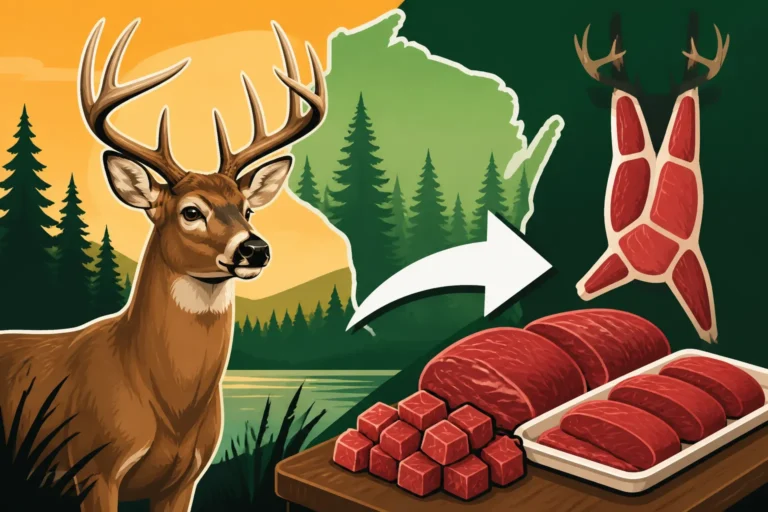
Wisconsin buck meat yield drops twenty to thirty percent after field dressing, with final amounts depending on age, health, and habitat.

Wisconsin deer vehicle collisions happen frequently during the fall rut, dawn, and dusk, creating serious driving hazards.
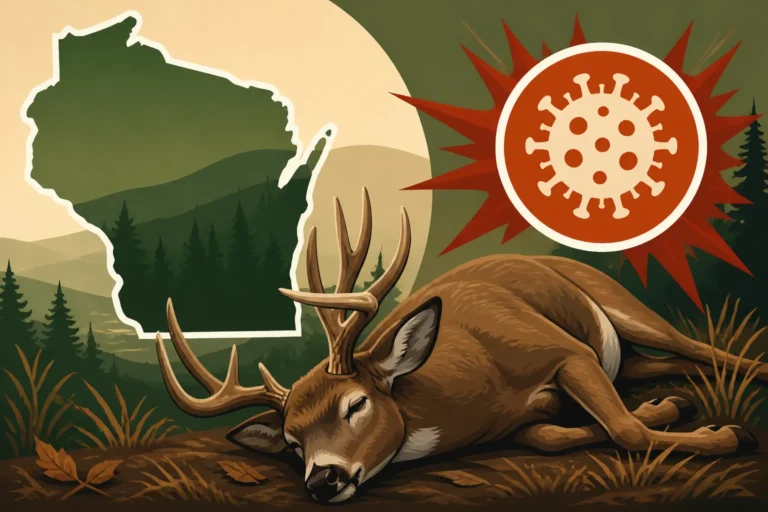
Epizootic Hemorrhagic Disease causes localized white-tailed deer die-offs in Wisconsin, transmitted by biting midges during late summer and early fall.
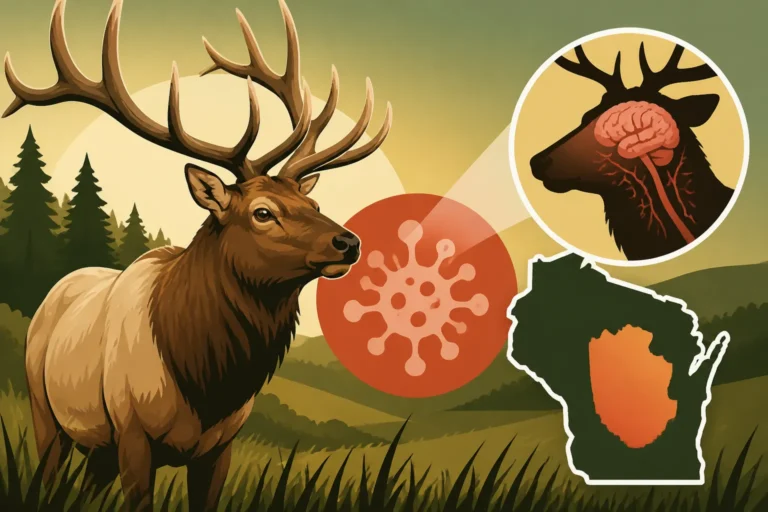
Chronic Wasting Disease threatens Wisconsin elk through fatal neurological illness caused by resilient environmental prions.
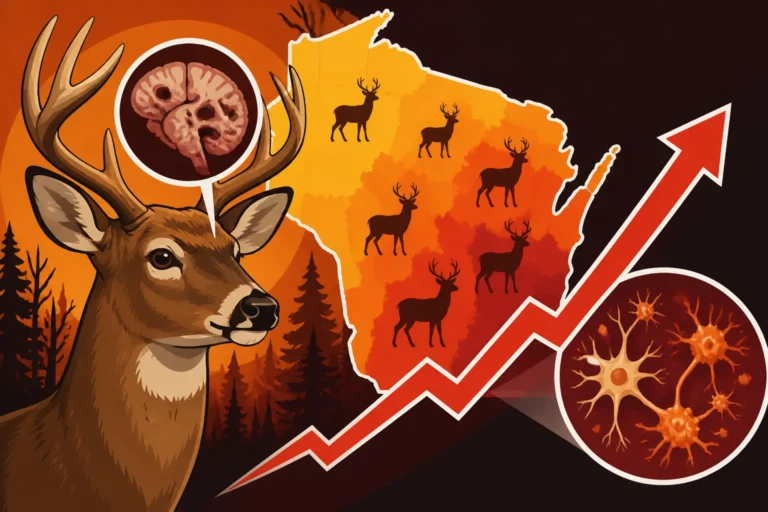
Chronic Wasting Disease in Wisconsin deer explains why prion transmission rates keep climbing despite management efforts.
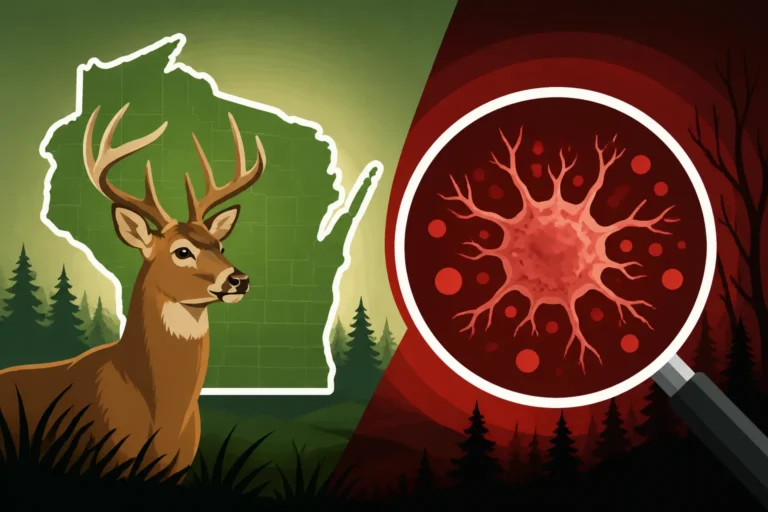
Wisconsin deer prevalence rates measure Chronic Wasting Disease spread within specific populations to help hunters assess local risks.
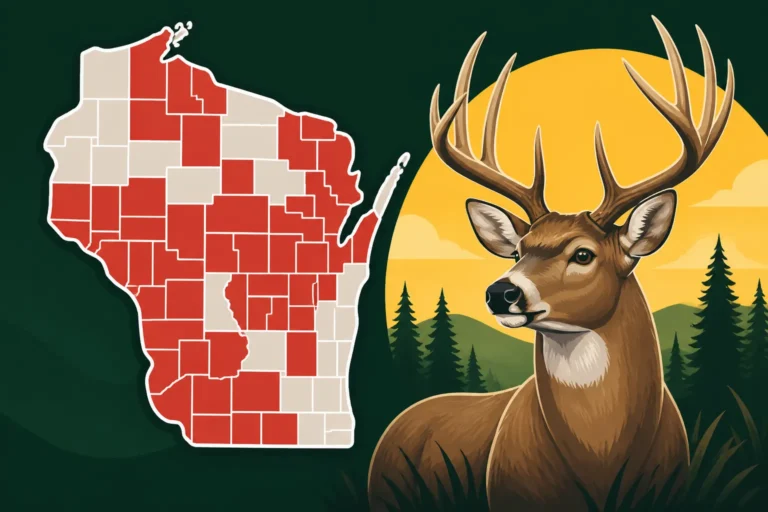
Chronic Wasting Disease in Wisconsin deer populations affects central and southern regions, changing county hunting regulations and testing requirements.
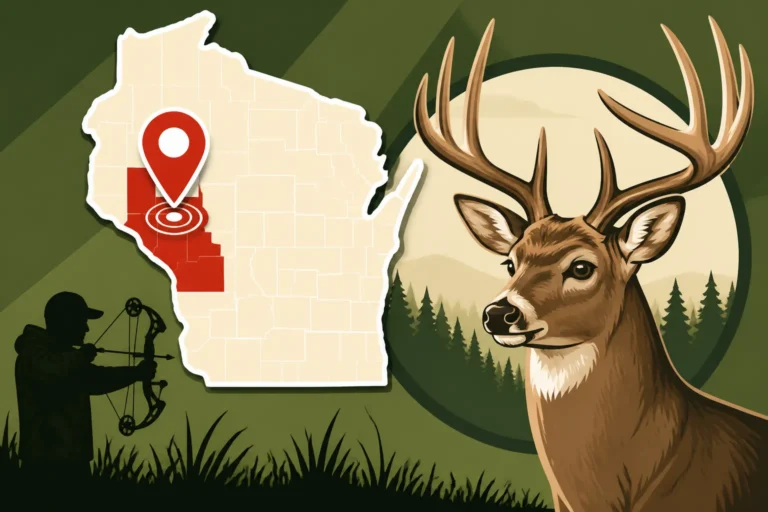
Chronic Wasting Disease in Wisconsin wild deer began in 2002 when three adult animals tested positive in Dane County.
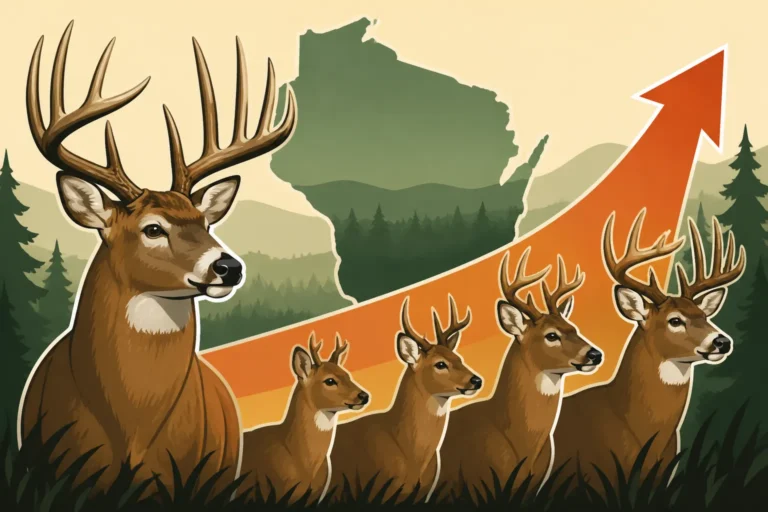
Wisconsin buck age structure data explains deer herd maturity levels and helps hunters improve their regional hunting strategies.