What Wolves Eat in Northern Wisconsin
Northern Wisconsin wolves rely on white-tailed deer year-round as their primary food source, targeting vulnerable fawns and older animals.
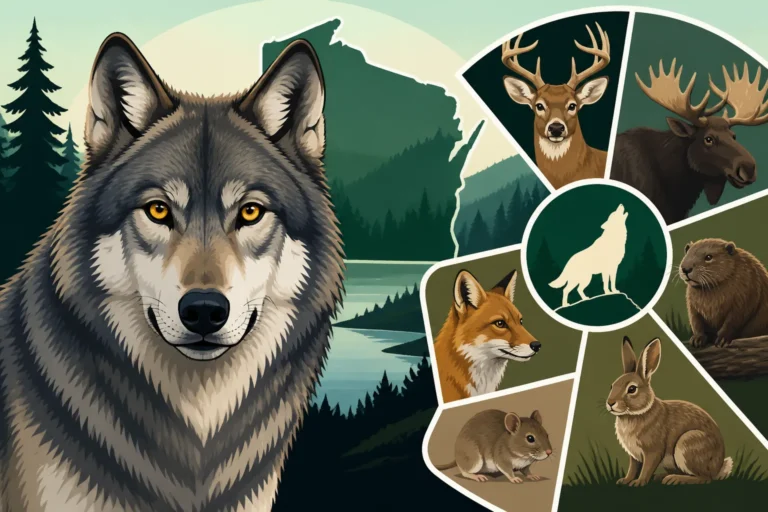
Northern Wisconsin wolves rely on white-tailed deer year-round as their primary food source, targeting vulnerable fawns and older animals.
Wisconsin wolf delisting history explains legal challenges, shifting regulations, and decades of management battles over gray wolves.
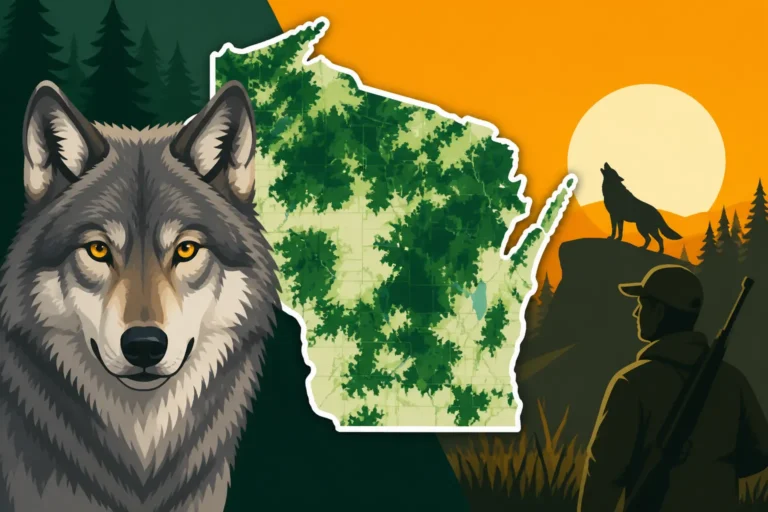
Wisconsin gray wolf territories, historical comeback, natural recolonization from Minnesota, and geographic expansion across the state.
Wisconsin wolf population estimates rely on winter track surveys, public reports, and tracking collars to gauge numbers.
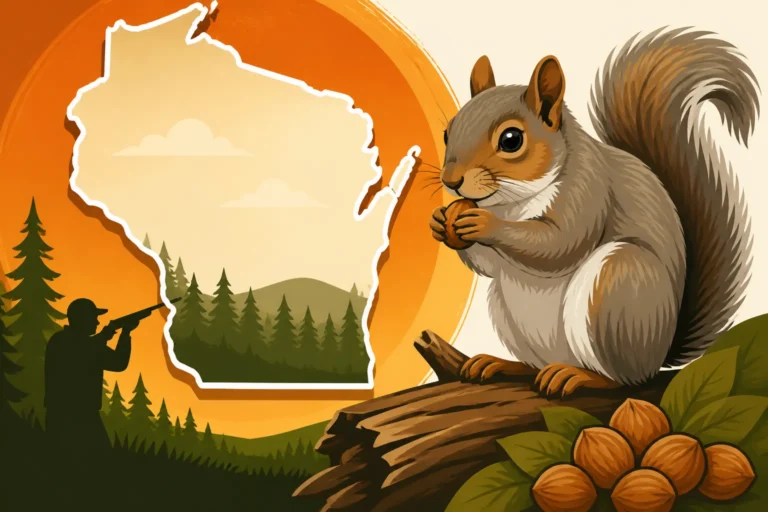
Wisconsin squirrel harvest numbers reveal small game population health, environmental changes, and historical hunting trends across the state.
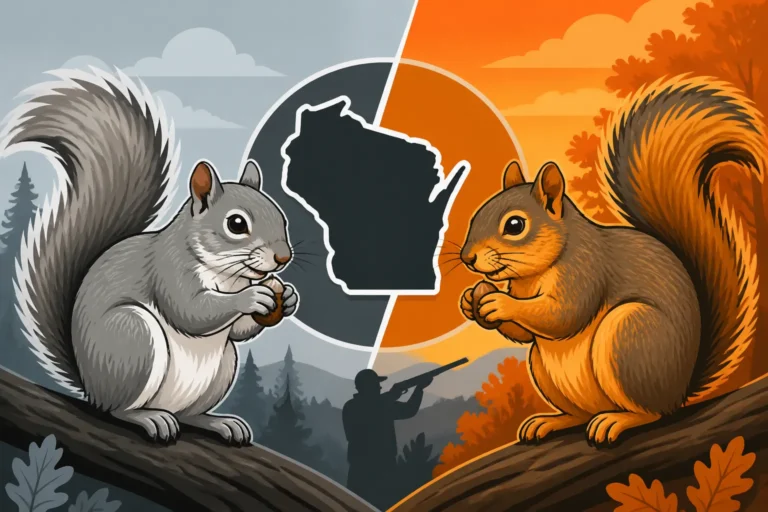
Wisconsin gray squirrels and fox squirrels compared by appearance, size, coat color, and preferred forest habitats for hunters.
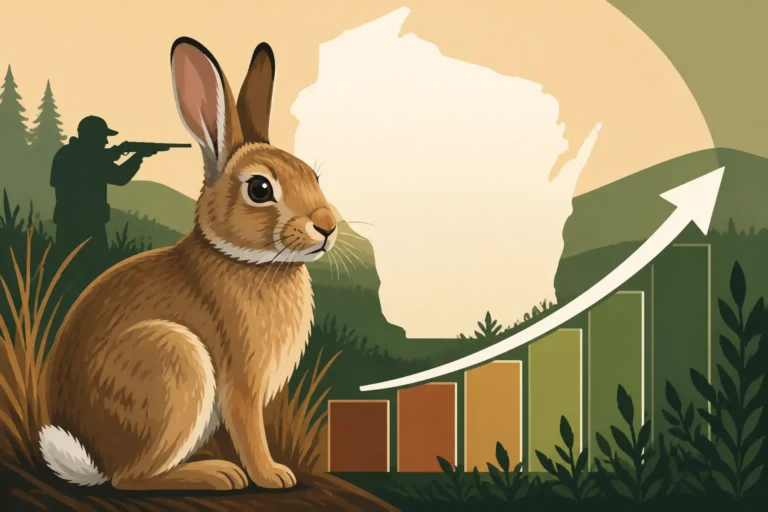
Wisconsin cottontail rabbit population trends, tracked through harvest data and surveys, respond to habitat changes, weather, and predation pressures.
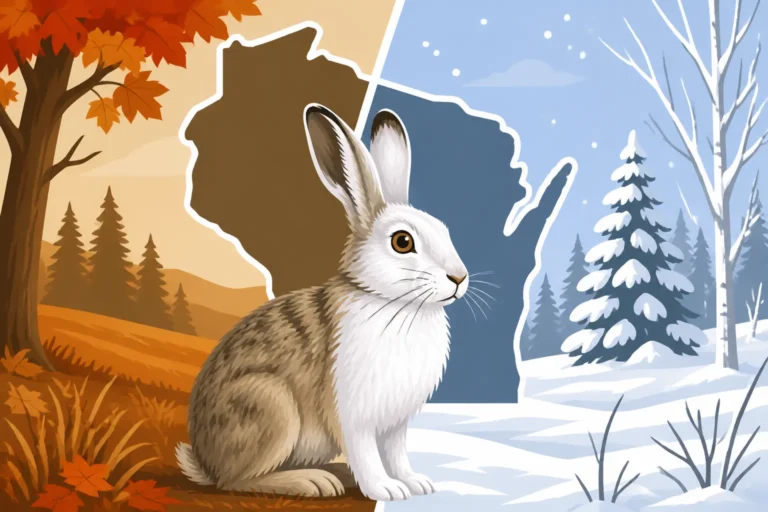
Wisconsin snowshoe hares change their fur from brown to white as winter survival camouflage driven by shifting daylight lengths and melatonin.
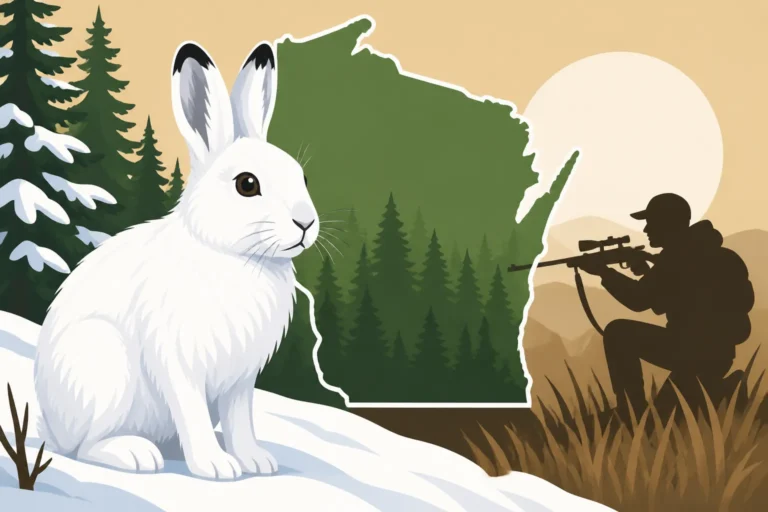
Wisconsin snowshoe hare population trends, fluctuating northern forest numbers, and department surveys are detailed here.
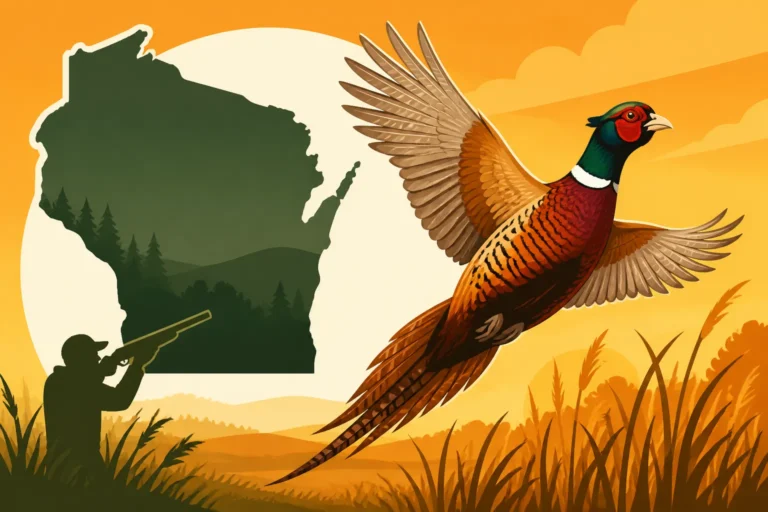
Wild pheasant populations in Wisconsin survive in specific regions despite agricultural changes, habitat loss, and increased predation.