How Many Wolves Wisconsin Has
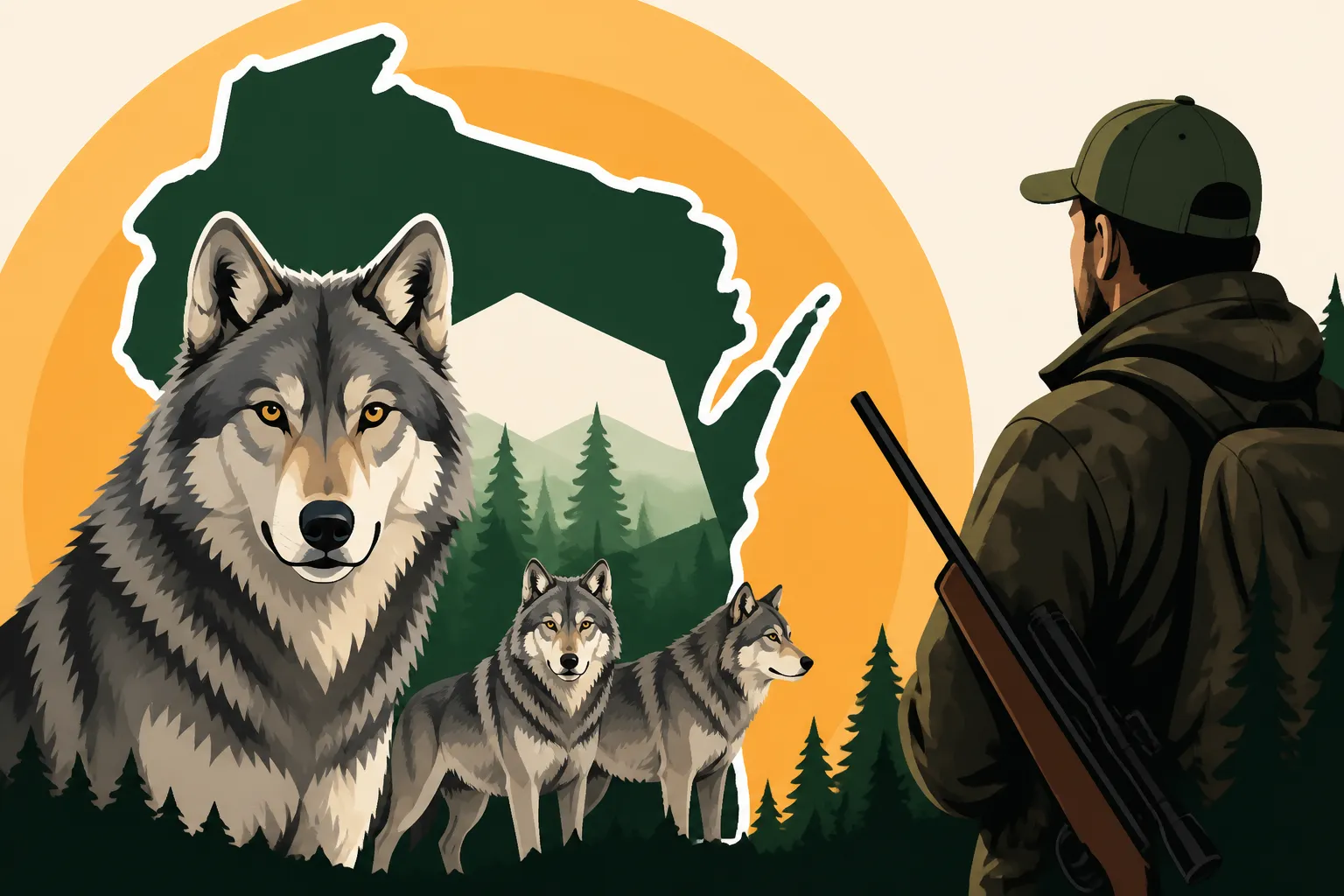
For many Wisconsin hunters, the question of "how many wolves are out there?" isn't just a curiosity; it’s a critical piece of the puzzle that impacts everything from deer behavior to bear hunting strategies. The presence of wolves, whether you see them as a vital part of the ecosystem or a significant challenge to game populations, changes the landscape of our hunting seasons. This guide aims to shed some light on Wisconsin's wolf population, delving into their numbers, where they roam, and the ongoing efforts to understand and manage them.
Understanding Wisconsin's Wolf Population Numbers
When we talk about wolf numbers in Wisconsin, it's never a static figure. Wildlife populations, especially large predators like wolves, are dynamic, influenced by everything from prey availability to disease to human interactions. For hunters, knowing these numbers helps us gauge the overall health of the ecosystem and understand the dynamics at play in our woods and fields. It's a question that sparks a lot of conversation around the campfire, and for good reason—wolves are a powerful force in our state's wild places.
The official population estimates are usually derived from a comprehensive monitoring program. This involves various techniques, including track surveys conducted in winter, reports from trappers and hunters (especially during specific seasons for other species), and even calls from the public. These efforts help wildlife biologists piece together a picture of the wolf population. What often frustrates hunters is that these numbers are estimates, not precise counts, leading to a feeling of "they must be undercounting!" because of the increasing number of sightings or signs they're encountering in the field. But believe me, the folks doing this work are trying their best to get an accurate assessment across vast, wild landscapes. They're constantly evaluating methods, much like how a dedicated hunter uses tools like GoHunt to analyze historical harvest data or scout new areas.
Historically, wolves were nearly eradicated from Wisconsin by the mid-20th century. Their comeback is a remarkable story of conservation, but it also presents new challenges for managing a diverse ecosystem. The population has seen significant growth since protection measures were put in place, particularly starting in the 1970s and 80s. This resurgence has led to wolves expanding their range from the deep Northwoods into more central parts of the state. These numbers fluctuate, but the general trend over the last few decades has been one of expansion and increasing density in suitable habitats.
How Population Estimates Are Conducted
It's truly a monumental task to count animals that are so elusive and wide-ranging. Imagine trying to count every deer in a county, let alone every wolf. The primary method often relies on winter track surveys. After a fresh snowfall, trained personnel systematically travel designated routes, looking for wolf tracks. They're not just counting individual tracks; they're identifying pack territories and estimating pack size based on the number of distinct track sets and their patterns. It requires a lot of experienced trackers who can differentiate between a lone wolf, a pair, or a full pack, as well as distinguishing wolf tracks from coyote or large dog tracks. It's a science and an art, much like Tracking a Deer in Wisconsin Snow.
Beyond track surveys, other methods contribute to the overall estimate. Reports from citizens, especially hunters and trappers who are out in the woods regularly, provide valuable anecdotal evidence and even specific locations of wolf activity. Radio telemetry, where a few wolves are fitted with tracking collars, provides critical data on movements, territory size, and survival rates. Over time, these various data points are fed into models that estimate the total population. These aren't perfect, of course, but they represent the most robust scientific effort to quantify a species that intentionally avoids human contact. It’s important for hunters to remember that these estimates are a tool to inform management, not a definitive, individual count of every single wolf.
Understanding the Trends and Fluctuations
The wolf population in Wisconsin has experienced cycles of growth, stabilization, and sometimes even slight declines, often tied to management decisions and natural factors. When wolves were first making their comeback, their numbers grew steadily as they colonized new territories. Once those prime territories were filled, the growth rate naturally slowed. Factors like prey availability—specifically the local deer population, which is their primary food source—can also influence wolf numbers. A harsh winter that hits the deer herd hard can indirectly affect wolves, especially pups. Disease, while not always widespread, can also play a role in local populations.
Legal status changes have also heavily influenced population trends. When wolves are listed under federal or state endangered species acts, lethal control is highly restricted, leading to population increases. When they are delisted, the possibility of regulated hunting or targeted removal for depredation issues can stabilize or even reduce numbers. This ebb and flow of legal status and management strategies is part of Wisconsin Wolf Delisting History. These policy changes create significant uncertainty for hunters and landowners who feel the direct impacts of a growing wolf population on their deer herds or livestock, leaving many to wonder if any balance will truly be achieved.
| Year Group (Approx.) | Estimated Wolf Population (Minimum) | General Trend Description | Primary Factors |
|---|---|---|---|
| Pre-1970s | Near Extirpation (few to none) | Critical decline, nearly vanished | Habitat loss, unregulated hunting, bounty system |
| 1970s-1990s | Growing (dozens to low hundreds) | Steady increase, re-colonization of northern Wisconsin | Endangered Species Act protection, habitat recovery, prey abundance |
| 2000s | High Hundreds to Low Thousands | Rapid expansion, population growth | Continued protection, expansion into central Wisconsin, robust prey base |
| 2010s-Present | ~1,000 to ~1,200 (winter count) | Stabilization, fluctuations based on management and natural causes | Delisting/relisting debates, controlled hunts (when legal), disease, prey dynamics |
Note: These are generalized estimates. For precise, annual figures, hunters should always consult the most current data published by the Wisconsin Department of Natural Resources (DNR).
Where Wisconsin's Wolves Live and Roam
Wisconsin's wolves are not evenly distributed across the state. Their range is largely dictated by habitat suitability, prey availability, and, to some extent, human population density. While they were once confined to the deep, remote forests of northern Wisconsin, their persistent expansion has led to wolf packs establishing territories in areas that many hunters might not have expected, pushing the boundaries of what was once considered "wolf country."
The Northwoods remain the stronghold of Wisconsin's wolf population. Areas like the Chequamegon-Nicolet National Forest, the Northern Highland-American Legion Forest, and extensive county forests offer the vast, undeveloped tracts of timber and wild lands that wolves need to thrive. These areas provide ample cover for hunting and denning, and they support a robust deer population, the primary food source for wolves in the state. If you’re hunting deer up north, you're likely hunting in wolf territory. Where Wisconsin Wolves Live is a question that shapes many hunting experiences.
However, over the past couple of decades, wolves have definitely pushed south and west, expanding into more central parts of Wisconsin. This includes areas that are a mix of forest and farmland, sometimes even bumping up against more populated regions. These are often transitional zones, where the forest gives way to agricultural lands, creating diverse habitats that can still support wolves, especially if there are enough deer and pockets of dense cover. This expansion leads to more interactions with humans, including livestock depredation incidents, which are a major source of conflict and frustration for rural communities. Hunters who use tools like GoHunt to scout public lands might notice patterns of wolf sign in areas previously thought to be free of them.
Core Northern Forest Habitats
The quintessential "wolf country" in Wisconsin is undoubtedly the northern forest. These sprawling tracts of mixed hardwood and conifer forests, interspersed with swamps and remote lakes, provide the ideal environment for wolves. The low human population density, combined with large areas of undeveloped land, means minimal disturbance for breeding and raising pups. This vast wilderness offers a continuous habitat corridor, allowing wolves to move freely and establish large territories. For a deer hunter in these regions, understanding Northern Forest Deer Density in Wisconsin becomes even more crucial when factoring in the presence of apex predators.
In these core habitats, wolves play a vital ecological role. They are apex predators, influencing the health and behavior of prey species like deer. Their presence can make deer more wary, more mobile, and more likely to stick to thick cover, which can be a real challenge for hunters. You might find deer moving differently, using dense cedar swamps or thick young aspen stands more frequently to avoid detection. This changes how you approach your hunt, potentially requiring you to still-hunt more carefully or adapt your stand placement.
Expansion into Central and Western Wisconsin
The expansion of the wolf population beyond the deep Northwoods has been a significant development, leading to wolves establishing territories in regions like parts of the Central Forest and even the edges of the Driftless Area. These areas often feature a mosaic of habitat types: smaller woodlots, river bottoms, and agricultural fields. While not as wild as the far north, these landscapes can still provide enough cover and prey to sustain wolf packs. This is particularly true where deer populations are high, offering an abundant food source.
This southward expansion creates new dynamics. Farmers grapple with potential livestock depredation, and hunters in these areas find themselves adjusting to a new predator in their traditional hunting grounds. The impacts can be subtle, like deer becoming more nocturnal or less likely to linger in open fields during daylight hours. Or they can be more direct, with hunters finding wolf tracks or scat near their favorite hunting spots. Understanding these shifting ranges is key for anyone serious about hunting in Wisconsin, as it requires a greater awareness of predator activity and its influence on game.
Wolf Interactions with Other Game Species
The presence of a thriving wolf population has undeniable effects on other wildlife, particularly the prey species they rely on. For Wisconsin hunters, these interactions are often a point of both fascination and frustration. On one hand, wolves are a native species that contribute to a healthy, natural ecosystem. On the other, their predation directly impacts the deer and other game animals that hunters pursue, leading to questions about harvest numbers, deer behavior, and overall herd health.
The primary prey for wolves in Wisconsin is white-tailed deer. A healthy wolf pack can consume a significant number of deer throughout the year, especially during the harsh winter months when deer are more vulnerable. This predation pressure can influence deer density, particularly in areas with high wolf populations or during periods of severe winter weather. It's a complex relationship; wolves tend to target the weaker, sicker, or older deer, which can, in theory, lead to a healthier, stronger deer herd over time. However, many hunters experience this as fewer deer or more elusive deer, especially on public land.
Beyond deer, wolves also prey on other animals, though usually to a lesser extent. This can include smaller game like snowshoe hares or beaver, and even larger animals like elk, especially calves. As the Wisconsin's Northern and Central Elk Herds continue to grow, understanding wolf interactions with elk becomes an increasingly important management consideration. When food is scarce, or opportunities arise, wolves can be opportunistic hunters. These interactions ripple through the ecosystem, affecting everything from furbearer populations to scavengers.
Impact on Deer Population and Behavior
The relationship between wolves and white-tailed deer is perhaps the most significant from a hunter's perspective. In areas with established wolf packs, deer populations often exhibit different behaviors than those in areas with fewer or no wolves. Deer tend to be more alert, move more frequently, and utilize dense cover more effectively. This makes them tougher to hunt, requiring hunters to be more stealthy, patient, and strategic in their approaches. For example, Still-Hunting Wisconsin Cedar Swamps might become even more productive as deer seek refuge in these thickets.
While wolves do take deer, it's a mistake to attribute every perceived decline in deer numbers solely to wolves. Factors like habitat changes, harsh winters, disease, and human hunting pressure also play significant roles. However, in localized areas, intensive wolf predation can certainly impact a deer herd, particularly the fawn recruitment rate. Some studies suggest that wolf presence can influence deer movement patterns, making them less predictable. Hunters using mapping tools like GoHunt might notice patterns of wolf sign that correspond with changes in deer movement or bedding areas over time, helping them adapt their strategies.
Interactions with Other Predators and Hunters
Wolves are not alone at the top of the food chain in Wisconsin; they share the landscape with other predators like black bears, coyotes, and bobcats. While direct conflicts between wolves and bears are rare, wolves do occupy a similar niche, and their presence can certainly affect the overall predator-prey dynamics. For bear hunters, understanding these interactions is important, especially when baiting. What Wolves Eat in Northern Wisconsin includes a wide range of animals, and while bear bait isn't their natural food, they can certainly be attracted to bait sites, potentially disrupting bear activity.
The relationship between wolves and coyotes is more antagonistic. Wolves typically dominate coyotes, often killing them or driving them out of their territories. This can actually lead to an increase in smaller prey species that coyotes would normally target. For hunters, this means that while you might hear fewer coyote howls in deep wolf country, the overall predator pressure on deer, especially fawns, from both species combined can still be considerable. The complex interplay of these predators highlights the intricate balance of nature and the challenges in managing multiple species simultaneously.
For hunters, these interactions can also extend to hunting dogs. Unfortunately, Wolf Depredation on Wisconsin Hounds is a real and tragic concern, particularly for those who hunt bear or bobcat with dogs in wolf country. This often happens when hounds inadvertently cross into wolf territories, leading to conflicts. This risk is a serious consideration for dog handlers and necessitates careful planning and awareness when hunting in areas known to have active wolf packs.
Management and Conservation Challenges
Managing a top-tier predator like the wolf in a state with diverse land uses and strong opinions is, without a doubt, one of the most complex conservation challenges Wisconsin faces. It's not just about biology; it's about balancing ecological needs with economic concerns, cultural values, and deeply held beliefs. Hunters, farmers, conservationists, and the general public all have a stake, and finding common ground is often elusive.
One of the biggest ongoing challenges revolves around the wolf's legal status. The repeated shifting between federal and state protection has created a cycle of uncertainty for management efforts. When wolves are federally protected, state management options, including population control measures like hunting, are severely limited. When delisted, the state gains more authority to manage the population, which often includes considering regulated hunting seasons. This back-and-forth makes long-term planning difficult and contributes to the public's frustration and confusion about the direction of wolf management.
Another significant challenge is managing human-wolf conflicts, especially livestock depredation. While wolves play a crucial role in the ecosystem, their predation on farm animals can cause severe economic hardship for livestock owners. Wildlife agencies work to mitigate these conflicts through various measures, including compensation programs, technical assistance for non-lethal deterrents, and, when necessary, targeted removal of problem wolves. These efforts are critical for maintaining social tolerance for wolves, particularly as their range expands into more agricultural areas. The key is to find strategies that protect both wolves and the livelihoods of rural communities.
Balancing Wildlife and Human Interests
The challenge of wolf management boils down to a fundamental balancing act: how do we ensure a healthy wolf population while also minimizing negative impacts on human interests, especially those of hunters, farmers, and rural residents? It's a question with no easy answers. For hunters, the primary concern often centers on deer populations and the perceived competition for game. There's a strong desire for robust deer herds, and when wolf numbers are high, some hunters feel that wolf predation is unduly impacting their hunting success or the overall health of the deer herd.
On the other side, many value the wolf as an intrinsic part of Wisconsin's wilderness, advocating for strong protections and emphasizing their ecological benefits. These benefits include regulating prey populations, which can prevent overgrazing and help control the spread of disease within deer herds. Striking a balance requires scientific data, transparent communication, and a willingness from all stakeholders to understand different perspectives. This often means difficult conversations and compromises.
The Future of Wolf Management in Wisconsin
Looking ahead, the future of wolf management in Wisconsin will likely continue to involve adaptive strategies, informed by ongoing research and public input. One critical aspect will be continued monitoring of the wolf population itself, to understand its size, distribution, and health. This data is essential for making informed decisions about management actions. Furthermore, ongoing research into the impacts of wolves on prey populations, particularly deer and elk, will be vital for understanding the broader ecological picture.
Another key component will be effective conflict resolution. As wolves continue to inhabit mixed landscapes, developing and implementing effective non-lethal deterrents for livestock protection and robust compensation programs will remain paramount. The discussion around potential future hunting or trapping seasons will also persist, framed within the context of scientific population goals and public opinion. Regardless of one's personal stance, using resources like GoHunt to stay informed about regulatory changes and wildlife population trends is crucial for all stakeholders in Wisconsin's wild places.
The wolf is an integral, powerful symbol of the wild in Wisconsin. Its presence demands our attention, respect, and a thoughtful approach to management that considers the full spectrum of ecological and human interests.
Disclaimer
This article is for general informational purposes only and does not constitute professional advice. Laws, prices and regulations vary by location and change over time. Consult a qualified professional for guidance on your specific situation.