Northern Forest Deer Density in Wisconsin
Hunting deer in Wisconsin's vast Northern Forest can feel like searching for a needle in a haystack, especially when you compare it to the abundance seen in the agricultural regions to the south. Many hunters become frustrated by the seemingly lower numbers and wonder if they're doing something wrong. This guide aims to demystify deer density in the Northern Forest, helping you understand why populations are different here and how to adjust your expectations and strategies for a more rewarding hunt.
Understanding Deer Density in Wisconsin's Northern Forest
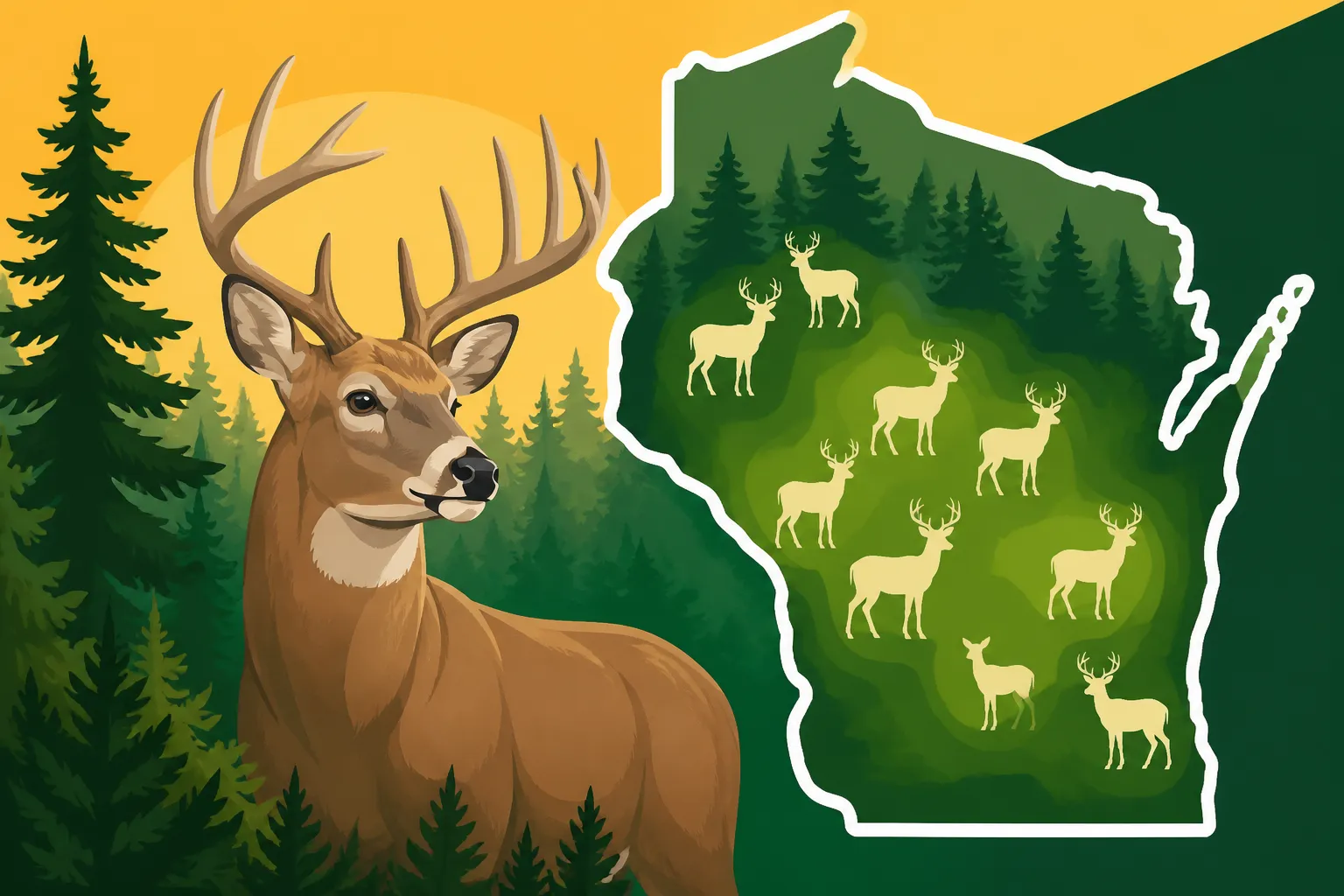
When we talk about "deer density," we're really talking about how many deer live in a given area, often expressed as deer per square mile. In Wisconsin's Northern Forest, this number is significantly lower than in other parts of the state, and it’s a reality that shapes every aspect of hunting up there. It's not just about seeing fewer deer; it's about a different kind of ecosystem, a different set of challenges, and a different hunting experience altogether.
What "Density" Really Means for Hunters Up North
For the hunter, lower deer density translates directly into fewer deer sightings, longer waits, and often, more walking to cover ground. You won't typically find large herds congregating in open fields like you might in the southwest. Instead, deer are more dispersed, often solitary or in very small family groups. This requires a different mindset. Instead of thinking about "hunting deer," you often find yourself "hunting deer sign" or specific habitat features that might hold a single animal. It means being patient, being thorough, and understanding that success often comes from identifying precise pockets of cover and food rather than broad landscapes. The feeling of tagging a buck after a hard-earned hunt in the deep woods is profoundly different and, for many, deeply satisfying because of this lower density.
The Unique Challenges of the Northern Forest Habitat
The Northern Forest, characterized by its vast expanses of mixed hardwoods, conifers, and dense cedar swamps, presents inherent challenges for supporting high deer populations. Unlike the rich agricultural lands further south, the natural forage here is less abundant and often less nutritious. Winters are longer and harsher, with deep snow cover limiting access to food and making movement difficult. The forest itself, while beautiful and wild, can be a tough place to eke out a living for a whitetail. This isn't a problem to be solved, but rather an environmental reality. Understanding the limitations of this habitat is the first step in appreciating why the deer density is naturally lower here compared to areas like the Driftless Area Deer Hunting in Wisconsin. It’s a testament to the resilience of the deer that thrive in these conditions at all.
Key Factors Shaping Northern Forest Deer Numbers
The factors influencing deer density in the Northern Forest are a complex interplay of environmental conditions, predator populations, and human management. These elements constantly shift, leading to fluctuations in deer numbers over the years. Knowing these dynamics helps hunters understand the "why" behind what they're seeing in the woods.
The Impact of Harsh Winters and Predators
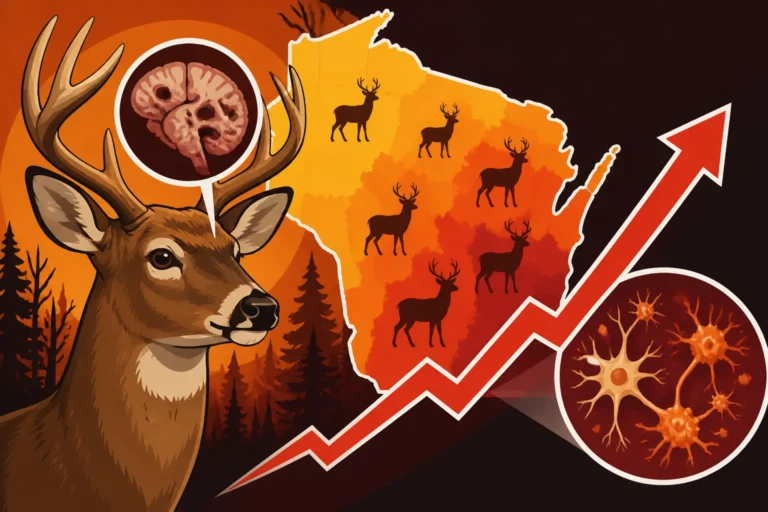
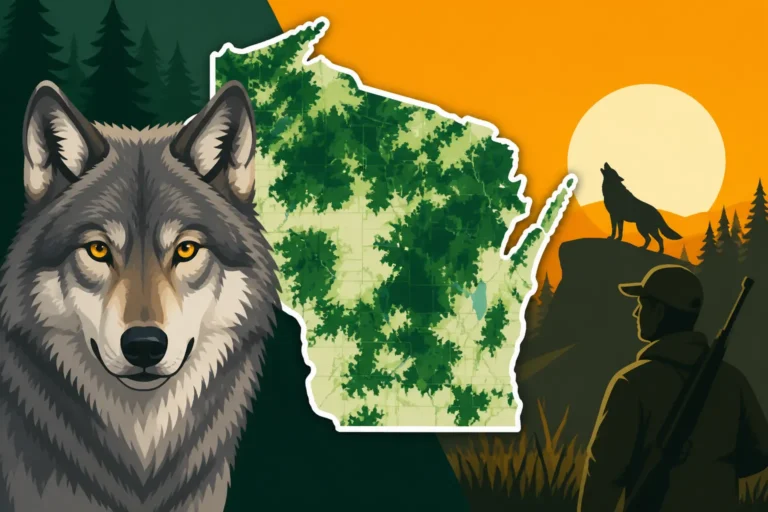
The single biggest natural regulator of deer populations in the Northern Forest is often winter severity. Deep, prolonged snow can make it incredibly difficult for deer to find food and move, leading to higher winter mortality, especially among fawns and older deer. When you hear about How Severe Winters Hit Northern Deer, it's not an exaggeration; it directly impacts the density you'll encounter the following season. Furthermore, the Northern Forest is home to a robust predator base. Wolves, black bears, and coyotes all play a significant role in deer population dynamics. While healthy deer can often evade predators, weak or young deer are vulnerable. Wolves, in particular, can exert pressure on deer populations, especially during harsh winters, influencing deer distribution and density in certain areas. This natural balance is a key characteristic of a truly wild forest ecosystem, and it’s something you simply don't see as much in the more settled parts of the state.
Habitat Changes and Their Effect on Deer
Forest management practices and natural events, like logging, wildfires, and disease, profoundly impact deer habitat and, consequently, deer density. Areas that have recently undergone clearcutting or selective logging often see an initial boost in deer numbers as sunlight reaches the forest floor, promoting the growth of browse and young vegetation. These early successional habitats provide critical food and cover. However, as these areas mature, the canopy closes, and the understory becomes less productive, leading to a decline in deer usage. Hunters often look for Hunting Wisconsin Clearcuts and Aspen Cuts precisely because these disturbances create temporary havens for deer. Conversely, vast tracts of mature, unbroken timber, while valuable for other wildlife, offer limited forage for deer, resulting in lower densities. Staying informed about forest regeneration and timber sales can give you an edge in finding these localized pockets of higher density.
Hunting Pressure and Management Strategies
Despite the lower overall density, hunting pressure can still play a role in how deer are distributed and perceived by hunters. On easily accessible public land, deer can become more nocturnal or retreat to thicker, less disturbed cover. Understanding this means knowing when and where to push a little deeper, or to seek out those hard-to-reach spots. The Wisconsin DNR implements specific management strategies for the Northern Forest, including setting quotas for antlerless harvest that are generally more conservative than in other zones. These quotas are carefully calculated based on factors like winter severity, habitat conditions, and predator populations to maintain a healthy, sustainable deer herd. Tools like the GoHunt app can often provide historical harvest data or insights into local management unit performance, giving you a clearer picture of regional trends. It’s crucial to remember that these strategies are designed to ensure the long-term health of the herd in a challenging environment.
How Hunters Can Adapt to Northern Forest Deer Density
Hunting in a lower-density environment isn't about giving up; it's about shifting your approach and embracing different strategies. It requires more thoughtful scouting, greater patience, and a willingness to adapt your tactics.
Scouting Smart in Lower Density Areas
When deer are sparse, your scouting becomes paramount. Instead of looking for concentrations of deer sign, you're looking for subtle clues that indicate any deer presence and, more importantly, why a deer might be there. This means focusing on micro-habitats: small pockets of preferred browse, natural funnels between swamps and uplands, south-facing slopes that get early sun in winter, or thick thermal cover. Aerial photos and topographic maps are your best friends here. You can use platforms like GoHunt or similar mapping apps to really dissect the terrain before you even set foot in the woods. Look for changes in vegetation, subtle elevation shifts, and water sources. When you're on the ground, focus on Finding Sign in Big Timber – old rubs, subtle trails, or droppings that indicate a deer is using the area, even if infrequently. It’s about building a puzzle piece by piece, rather than seeing the whole picture at once.
Adjusting Your Hunting Tactics
Given the lower density and the often-thick cover, traditional stand hunting over a food plot isn't always feasible or effective in the Northern Forest. Still-hunting, where you move slowly and deliberately through the woods, becomes a powerful tactic. You become a predator, slowly stalking and scanning, using the wind and terrain to your advantage. This method allows you to cover more ground while still being ready for a shot. For those who prefer a stationary approach, focusing on key pinch points, funnels between different habitat types, or travel corridors leading to bedding areas and feeding sites is crucial. Consider using ground blinds in thick cover, or strategically placed treestands overlooking natural openings or crossings. For public land hunters, it’s worth checking out "Treestand Setups in Wisconsin Hardwoods" for ideas tailored to these environments. The key is patience and persistence. You might not see deer every hour, but when you do, it will often be in a location you've specifically identified as high-potential. Don't be afraid to put in the miles; often, the deer are in the places other hunters are unwilling to go.
Comparing Northern Forest Deer Density to Other Wisconsin Regions
To truly understand the Northern Forest's deer density, it's helpful to compare it with other, more populous regions of the state. This comparison highlights the unique ecological characteristics that define each area and shape its deer populations.
Farmland vs. Forest: A Tale of Two Deer Worlds
The starkest contrast in deer density exists between Wisconsin's Northern Forest and its agricultural Farmland Zones, particularly in the southwestern Driftless Area. In the farmland, abundant food sources like corn, soybeans, and alfalfa provide high-energy nutrition year-round, leading to robust deer populations, higher fawn survival rates, and often, larger-bodied deer with impressive antler growth. Here, seeing dozens of deer in an evening is not uncommon, and hunters often target specific fields or timbered edges bordering agriculture.
In the Northern Forest, as we’ve discussed, natural browse is less caloric, and winters are more severe. The carrying capacity of the land—the maximum number of deer the habitat can sustainably support—is naturally lower. This means fewer deer per square mile, smaller average body sizes due to nutrition, and often, a more challenging hunt for those seeking sheer numbers. The table below illustrates some of these key differences:
| Characteristic | Northern Forest Zone | Farmland Zone (e.g., Driftless) |
|---|---|---|
| Primary Food Source | Natural browse, mast, regenerating cuts | Agricultural crops, natural browse |
| Winter Severity | Harsh, deep snow, long duration | Milder, less consistent deep snow |
| Habitat Type | Mixed conifer/hardwood, swamps, lakes | Woodlots, hills, open fields |
| Deer Density | Lower (fewer deer per square mile) | Higher (many deer per square mile) |
| Hunting Style | Still-hunting, tracking, deep woods | Stand hunting, field edges, funnels |
| Predator Presence | Wolves, bears, coyotes | Coyotes, occasional bobcat |
This difference isn't a judgment of one area being "better" than another; it's simply a reflection of ecological capacity. Hunters drawn to the Northern Forest often appreciate the wilder experience and the challenge it presents, where success feels truly earned.
Setting Realistic Expectations for Your Hunt
Understanding the inherently lower deer density in the Northern Forest is crucial for setting realistic expectations. If you go into a hunt expecting to see deer constantly or have multiple shot opportunities each day, you're likely to be disappointed. Instead, embrace the hunt for what it is: a quest in a beautiful, wild landscape. Your success might be measured not just by a filled tag, but by the sign you interpret, the tracks you follow, the pristine wildness you experience, or the fleeting glimpse of a buck ghosting through the timber.
For those planning their trip, checking Wisconsin Deer Population Estimate reports and specific data for the Northern Forest zones can provide further context. Utilizing scouting tools like GoHunt to examine aerial imagery for hidden clearcuts or unique topographical features can help you pinpoint areas where deer are more likely to concentrate, even within a low-density region. The Northern Forest offers a challenging, yet incredibly rewarding hunting experience for those willing to learn its rhythms and appreciate its unique character. It's a hunt for the patient, the persistent, and those who cherish the solitude of the deep woods.
Disclaimer
This article is for general informational purposes only and does not constitute professional advice. Laws, prices and regulations vary by location and change over time. Consult a qualified professional for guidance on your specific situation.