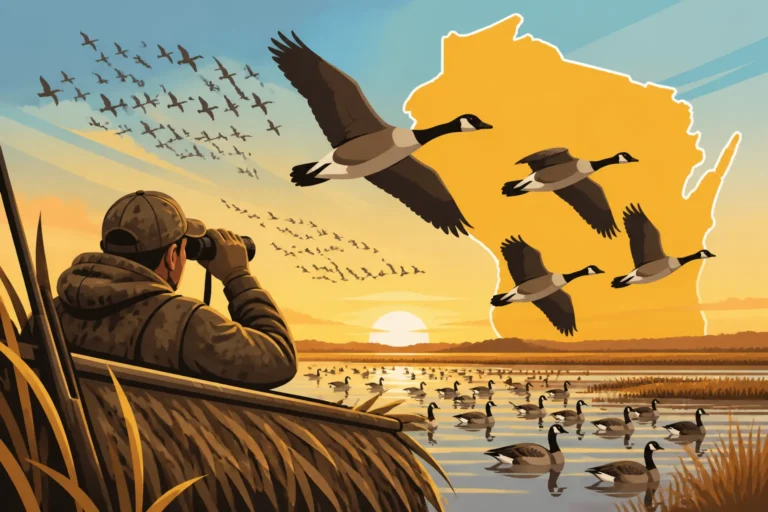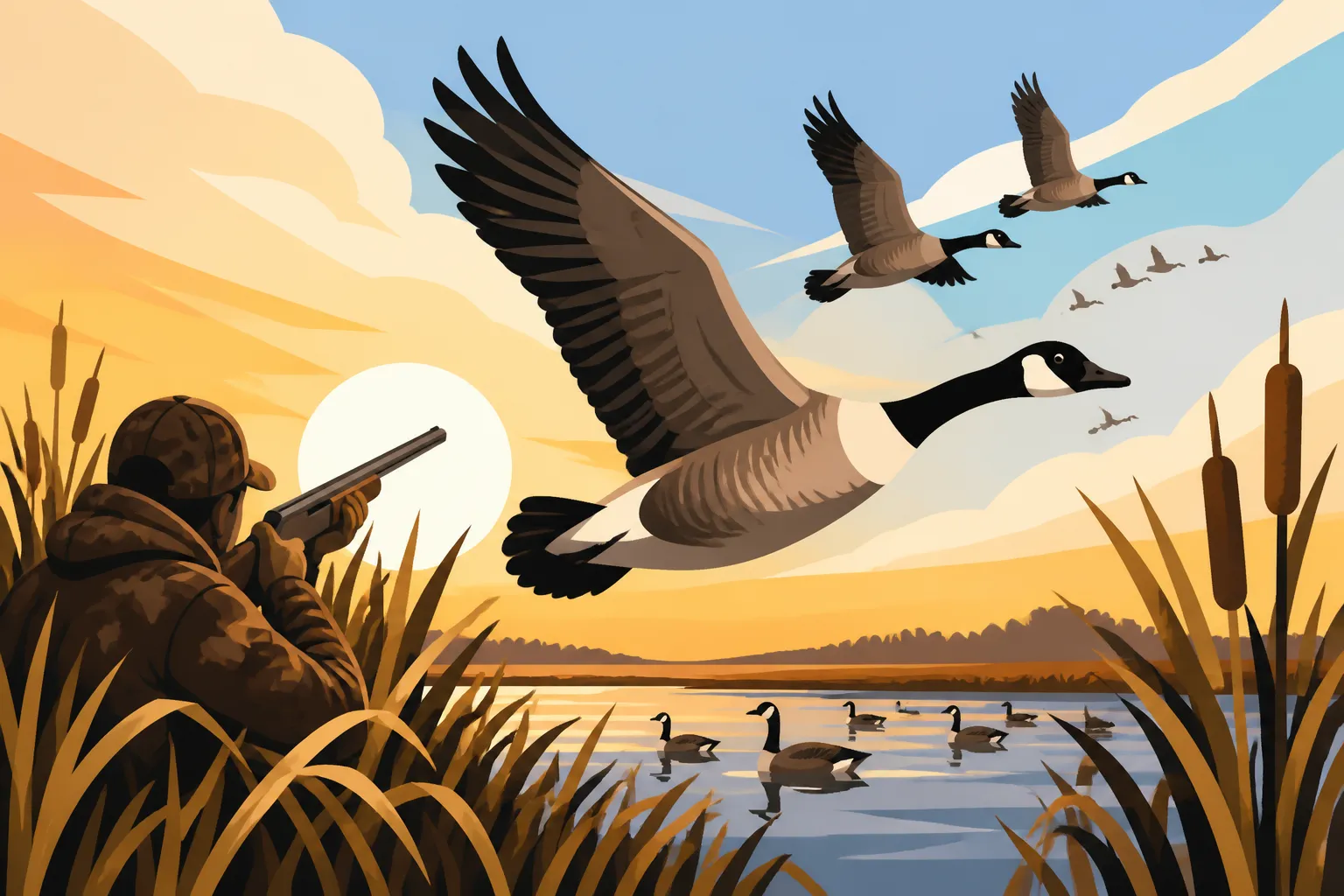
Canada Geese at Horicon Marsh
Few places in Wisconsin evoke the sheer spectacle of wildlife quite like Horicon Marsh, and for many hunters, the sight and sound of thousands upon thousands of Canada geese rising from its waters is both awe-inspiring and a challenge. Trying to figure out how to navigate such an iconic, and often crowded, hunting ground can feel overwhelming, from understanding specific zone regulations to cracking the code of pressured birds. This guide aims to demystify hunting Canada geese at Horicon Marsh, offering practical insights into their behavior, access points, and the regulations unique to this special place.
The Horicon Marsh Phenomenon: A Goose Hunter's Mecca
Horicon Marsh is not just a big wetland; it's a living legend, a designated "Wetland of International Importance" that serves as a critical stopover for migratory waterfowl along the Mississippi Flyway. For Canada geese, in particular, it's a five-star hotel with an all-you-can-eat buffet. Trying to hunt geese here isn't just about bagging a bird; it's about being part of a natural phenomenon, witnessing migration on a truly grand scale. However, with that fame comes pressure and complexity, making successful hunting a blend of preparation, persistence, and local knowledge.
A Landscape Shaped for Waterfowl
The marsh itself is a mosaic of open water, cattail beds, sedge meadows, and surrounding agricultural fields. This diverse habitat provides everything a Canada goose could ever want: safe roosting areas, abundant aquatic vegetation, and nearby nutritious grain crops. The sheer size of Horicon — roughly 32,000 acres — means birds have vast expanses to spread out, making it challenging for hunters to pinpoint their exact locations on any given day. It’s this combination of size and rich resources that makes it such a powerhouse for goose populations.
The marsh's unique geography, a large glacial lakebed, contributes to its importance. Shallow waters make it ideal for dabbling ducks and wading birds, but also for geese seeking refuge from predators. The dense cattail stands offer incredible cover, allowing thousands of birds to disappear from view, even when you know they're there. Understanding this intricate landscape, whether through detailed maps or tools like the GoHunt app, is your first step to success. You can spend countless hours studying satellite imagery and topographic maps, and you'll still only scratch the surface of what Horicon offers.
The Annual Spectacle of Goose Migration
Each fall, the skies above Horicon become a superhighway for migrating Canada geese. The numbers can be staggering, often reaching hundreds of thousands during the peak migration periods in October and November. These aren't just local birds; they're travelers from the far north, pausing to refuel and rest before continuing their journey south. Witnessing a morning fly-out, where huge V-formations slowly peel off the marsh and head to feed, is an experience that stays with you long after the season ends.
This annual influx creates both opportunity and challenges. While there are more birds, there are also more hunters, and the geese quickly become wise to hunting pressure. Their patterns shift, their preferred feeding fields change, and their wariness increases dramatically as the season progresses. Hunters need to be flexible and adaptive, understanding that what worked last week might not work today. The timing of your hunt in relation to the main migratory push can significantly impact your success, as freshly arrived birds are often less wary than those that have been around for a few weeks. Knowing when the big waves hit can mean the difference between limits and empty game straps.
Why Horicon Holds So Many Geese
Beyond its prime habitat and migratory timing, Horicon's reputation as a sanctuary plays a huge role in why so many geese choose to stage there. Large portions of the marsh are designated as inviolate refuges, where hunting is strictly prohibited. These areas offer the geese a place of complete safety, allowing them to rest, feed, and socialize without constant harassment. This sense of security reinforces their decision to stay in the area, creating a massive local population that then spills out into surrounding accessible areas.
The presence of abundant food sources in the surrounding agricultural landscape is another key factor. Farmers around Horicon grow vast fields of corn, soybeans, and winter wheat, providing a caloric jackpot for hungry geese. They'll leave the safety of the marsh to feed, often flying several miles, before returning to roost. This daily commute is what creates opportunities for hunters set up in fields adjacent to the refuge. Without these critical feeding opportunities, the geese simply wouldn't congregate in such numbers. It's a delicate balance between refuge, food, and hunting pressure that shapes the Horicon goose experience.
Deciphering Goose Behavior in a Pressured Environment
Hunting Canada geese at Horicon Marsh isn't just about showing up; it's about understanding the nuances of how these intelligent birds operate, especially when they're under immense hunting pressure. They are highly adaptable creatures, and their daily routines can change based on weather, food availability, and, most significantly, human activity. Learning to read their signals and anticipate their moves is key to consistent success.
Field Feeding: Reading the Landscape
Canada geese are primarily grazers, and while they'll eat aquatic vegetation, their real passion is waste grain in agricultural fields. Around Horicon, this means cut cornfields, newly planted winter wheat, and even soybean stubble can become prime feeding grounds. The trick is to identify which fields they are using on any given day. Geese are creatures of habit to some extent, but they are also opportunists. A field they fed in yesterday might be ignored today if a new, richer food source becomes available or if they've been spooked.
Scouting is paramount. This isn't just driving around looking; it's observing flight lines, identifying preferred entry and exit points, and even spotting birds on the ground. Hunters often use optics to scan fields from a distance, looking for clusters of geese or even just their droppings, which indicate recent activity. The wind direction is also a huge factor, as geese typically land and take off into the wind. Therefore, understanding wind patterns and how they might affect bird movement is critical for decoy placement and blind setup when you're Field Hunting Geese in Southern Wisconsin. You're essentially trying to predict their next meal.
Roosting and Loafing: Where They Find Sanctuary
While feeding fields are important for hunting, understanding where geese roost and loaf is just as vital. Roosting areas are where they spend the night, typically large, open water bodies or expansive marsh areas where they feel safe from predators. At Horicon, these are largely within the restricted areas of the National Wildlife Refuge. Observing the morning and evening flight paths to and from these roosts can reveal critical information about which feeding fields they are using.
Loafing areas are places where geese rest during the day between feeding sessions. These might be open water, muddy shores, or even protected spots within larger fields. These areas are usually chosen for safety and comfort. They'll often raft up in large groups, preening and digesting, before heading back to feed. Hunting near a known loafing area can sometimes intercept birds moving to and from these spots, but it's important to know the boundaries of restricted zones. The key takeaway is that geese prioritize safety, and these sanctuary areas are why so many continue to return to Horicon year after year.
Vocalizations and Decoy Smartness
Canada geese are incredibly vocal, using a wide range of calls to communicate everything from alarm to contentment. Learning to distinguish these calls can give you an edge. A loud, excited chorus often indicates birds are about to land, while a series of sharp "honks" might signal alarm or an attempt to gather the flock. Conversely, quiet contented clucking often means they are comfortable and feeding. Using calls effectively requires practice and understanding the situation. Don't just blast calls; try to mimic the rhythm and tone of natural goose sounds.
At Horicon, the geese are "educated." They've seen every decoy spread, heard every call, and know what looks and sounds fake. This means your decoy spread needs to be realistic and dynamic. Using a mix of feeder and sentry poses, ensuring proper spacing, and incorporating movement decoys can make a big difference. Many hunters find that a smaller, more realistic spread works better than a massive, unnatural one for these pressured birds. It's a constant game of trying to fool a very intelligent quarry, and sometimes, less is more. For specific decoy advice, it’s worth considering different types for Decoy Placement for Pressured Birds.
Navigating the Hunt: Access and Tactics at Horicon
Hunting at Horicon Marsh isn't a one-size-fits-all endeavor. The land is managed by two different entities – the U.S. Fish and Wildlife Service, which manages the Horicon National Wildlife Refuge (NWR), and the Wisconsin Department of Natural Resources (DNR), which manages the Horicon Marsh State Wildlife Area (SWA). Each has its own set of rules, access points, and hunting opportunities, and understanding these distinctions is absolutely critical for anyone planning a goose hunt.
Horicon National Wildlife Refuge (NWR) vs. State Wildlife Area (SWA)
This is the most important distinction you need to grasp. The vast majority of the central marsh area, encompassing critical roosting and feeding habitat, falls under the Horicon NWR. Hunting here is extremely limited and typically involves a highly competitive quota hunt system where permits are drawn well in advance. If you're lucky enough to draw one, you'll be assigned a specific hunting unit and blinds. Details on how to apply for these hunts are usually released much earlier in the year, and it’s a commitment. For more on this, check out Applying for a Horicon Goose Hunt. These are often once-in-a-lifetime opportunities.
Conversely, the Horicon Marsh State Wildlife Area (SWA) makes up the northern and southern ends of the marsh, as well as some peripheral lands. These areas generally have more open access, though specific rules still apply regarding hunting hours, methods, and vehicle access. It's within these SWA lands, and especially on private agricultural land immediately adjacent to both the NWR and SWA, that most goose hunting opportunities exist. When researching Horicon Marsh Hunting Access, always pay close attention to whether you're looking at NWR or SWA information. The regulations and expectations are vastly different, and ignorance of the rules can lead to serious legal issues.
| Feature | Horicon National Wildlife Refuge (NWR) | Horicon Marsh State Wildlife Area (SWA) | Private Land Adjacent to Marsh |
|---|---|---|---|
| Hunting Access | Lottery/Permit-only, specific units | Generally open, designated areas | Permission required |
| Competition | Very high for permits | High to moderate | Varies, can be high |
| Regulations | Strict, detailed NWR rules | Wisconsin DNR waterfowl regulations | Wisconsin DNR, plus landowner rules |
| Blind Requirement | Often provided/mandatory in units | May require portable blinds, no permanent | Varies by landowner |
| Success Rates | Often high due to managed hunts | Varies greatly by skill and scouting | Varies greatly by skill and scouting |
| Best For | Unique, highly regulated experience | More flexible, general access | Field hunting intercepts |
Strategic Field Hunting Adjacent to the Marsh
For most hunters targeting geese at Horicon, field hunting on private or public land bordering the marsh is the most common and often most effective strategy. This involves setting up decoys and blinds in agricultural fields where geese are flying out from the refuge to feed. The key here is intense scouting. You need to know which fields the geese are hitting, what time they're flying, and from what direction they're coming. This usually means pre-dawn glassing from a distance to observe their fly-out patterns.
Once you've identified an active field, obtaining permission from the landowner for private land is paramount. Always ask, and be respectful. On public SWA lands, find fields designated for hunting and respect all boundary lines. Your setup should mimic a natural feeding flock. Use a good spread of full-body or shell decoys, ideally with some motion, and ensure your blinds (layout blinds are popular for their low profile) are well camouflaged. Geese have incredible eyesight, and even a slight glint or unnatural shape can flare them. Positioning your spread so incoming birds are flying into the wind, ideally with the sun at your back, is a classic tactic that often pays off. Remember, the birds at Horicon are wise; they've been shot at before. Sometimes, just a dozen well-placed, ultra-realistic decoys are better than 100 cheap ones.
Water and Marsh Edge Opportunities
While field hunting gets a lot of attention, there are also opportunities for waterfowlers to hunt geese from boats or shore blinds along the edges of the State Wildlife Area. This often means finding sloughs, ditches, or open water pockets that geese might use as secondary feeding or loafing areas, especially if field pressure is extremely high. This type of hunting requires different gear, such as waders, a sturdy marsh boat, and specialized boat blinds or brushed-in shore blinds.
Success here often hinges on understanding the specific water bodies and their depth, as well as access points. Some areas might be accessible only by walking or small craft, keeping other hunters out. Decoys for water hunting can include floaters or even full bodies placed on short stakes in very shallow water. The challenge is often the sheer density of cover and the effort involved in getting gear into remote spots. However, the reward can be a more intimate, less pressured hunt. Be sure to check rules regarding Layout Blinds and Marsh Boats if you plan on pursuing this method, and ensure you have all necessary federal and state waterfowl stamps and certification like Wisconsin HIP Certification for Bird Hunters.
Understanding Horicon's Specific Goose Hunting Regulations
Hunting Canada geese, especially at a place like Horicon, involves navigating a complex web of regulations that go beyond general Wisconsin hunting laws. These rules are designed to manage harvest, ensure safety, and protect the resource, but they can be a lot to keep track of. Overlooking a small detail can quickly turn a memorable hunt into a frustrating, or even illegal, experience. Always make checking the most current regulations your absolute top priority. Resources like the official Wisconsin DNR website, and even apps like GoHunt, can be invaluable for up-to-date information.
Zone Boundaries and Permit Requirements
Wisconsin is divided into various goose hunting zones, and Horicon Marsh falls within a specifically designated Horicon Zone. This zone often has unique season dates, bag limits, and permit requirements that differ from other zones in the state. Historically, a Horicon Zone goose permit was required in addition to your regular state and federal stamps, and these permits might have specific quotas or reporting requirements. It's crucial to confirm if such a permit is currently necessary and, if so, to apply for it well in advance of the season.
The boundaries of the Horicon Zone are clearly defined, often following major roads or geographical features. Knowing these boundaries is vital because straying just a few hundred yards outside the zone can mean you're hunting illegally, even if you have all the proper tags for the adjacent zone. Many hunters use mapping applications, like those found on GoHunt, to precisely identify these lines, especially when hunting on public land or near private property boundaries. Pay close attention to the Wisconsin Goose Zones and Seasons each year, as they can sometimes see minor adjustments.
Crucial Equipment and Safety Guidelines
Beyond your shotgun and decoys, there are several key equipment and safety considerations specific to goose hunting at Horicon. First and foremost, you must use non-toxic shot. Lead shot is strictly prohibited for all waterfowl hunting throughout Wisconsin, and especially in sensitive wetland areas like Horicon Marsh. Make sure your Waterfowl Loads for Wisconsin Divers (or geese, in this case) are steel, bismuth, or another approved non-toxic material. Violations are taken seriously.
Safety is paramount, especially given the popularity of Horicon. Hunters should always wear appropriate blaze orange or fluorescent pink when required, particularly during the gun deer season overlap. While not always required for waterfowl from a blind, it's a wise precaution when walking to and from your setup. Always know where your hunting partners are, adhere to safe shooting lanes, and be mindful of other hunters, landowners, and non-hunters who may be recreating nearby. The marsh is a shared resource, and courtesy goes a long way.
Federal and State Waterfowl Requirements
In addition to any specific Horicon Zone permits, all goose hunters in Wisconsin must possess a valid Wisconsin hunting license, a Wisconsin waterfowl stamp, and a federal migratory bird hunting and conservation stamp (often called a Federal Duck Stamp). These stamps directly fund wetland conservation efforts, so they're not just a requirement but also an investment in the future of waterfowl hunting. The Wisconsin waterfowl stamp can be purchased through the Go Wild licensing system, and the Federal Duck Stamp is available at post offices, some sporting goods stores, or through the Go Wild system.
You'll also need to be HIP (Harvest Information Program) certified. This is a federal program that collects harvest data from migratory bird hunters. It's a quick, free registration you complete when you purchase your license. Having all these documents in order, whether physical copies or accessible via your phone through the Go Wild app, is essential before you even think about setting foot in the marsh. Make sure you understand all the Wisconsin Waterfowl Stamp Requirements before you head out.
Conservation and the Future of Geese at Horicon
Hunting Canada geese at Horicon Marsh isn't just a recreational pursuit; it's intricately linked to broader conservation efforts that ensure the health of the marsh ecosystem and the sustainability of the goose population. Hunters, through their license and stamp purchases, and by adhering to regulations, play a direct and vital role in these ongoing efforts. Understanding these dynamics helps connect the act of hunting to the larger picture of wildlife management.
Ongoing Habitat Management Efforts
Both the Horicon National Wildlife Refuge and the Horicon Marsh State Wildlife Area are actively managed to provide optimal habitat for migratory birds, including Canada geese. This involves a variety of techniques, such as water level manipulation, prescribed burns to control invasive species and rejuvenate native vegetation, and agricultural practices that leave waste grain in fields. These management activities are meticulously planned and executed to create the diverse habitat mosaic that geese and other waterfowl rely upon for nesting, feeding, and resting.
Without these active interventions, the marsh ecosystem could degrade, becoming less productive for waterfowl. For example, controlling invasive cattails through water drawdown or burning opens up more critical open water and emergent vegetation for feeding. Partnering with local farmers to plant specific crops or leave portions unharvested provides crucial winter food sources. These efforts, funded in part by hunters, are what maintain Horicon's status as a premier waterfowl destination. It's a testament to long-term planning and dedication to conservation.
Population Trends and Hunter Impact
The Canada goose population that migrates through or resides at Horicon is closely monitored by state and federal wildlife agencies. Biologists conduct aerial surveys, banding studies, and harvest data analysis to track population trends, breeding success, and overall health of the flocks. This data directly informs decisions about season lengths, bag limits, and zone allocations, including those for the Horicon Zone. Hunters contribute to this data by accurately reporting their harvest, which is why HIP certification and any specific permit reporting requirements are so important.
The goal is always sustainable harvest – allowing hunters to enjoy the resource while ensuring healthy populations for future generations. While the overall population of Canada geese has been robust in recent decades, local conditions, disease outbreaks, or extreme weather events can influence annual numbers. Agencies like the Wisconsin DNR work tirelessly to balance hunter opportunity with population objectives, making adjustments as needed. For more information on overall numbers, you can look up Wisconsin Canada Goose Population trends.
The Hunter's Role in Stewardship
Being a goose hunter at Horicon Marsh means being a steward of this incredible resource. This goes beyond simply following the rules; it's about ethical conduct, respect for the land, and appreciation for the wildlife. Picking up spent shells, avoiding litter, and leaving no trace are fundamental responsibilities. It also means educating yourself about the species you pursue, understanding the ecosystem, and advocating for conservation.
Many hunters are passionate conservationists at heart, deeply invested in protecting the places they love to hunt. By respecting private landowners, being courteous to other hunters, and participating in wildlife surveys or habitat improvement projects when opportunities arise, hunters ensure that Horicon Marsh remains a vibrant and productive ecosystem for Canada geese and all its inhabitants. The future of goose hunting at Horicon depends on this collective commitment to responsible stewardship, ensuring that the chorus of honking geese continues to fill the Wisconsin skies for years to come.
Disclaimer
This article is for general informational purposes only and does not constitute professional advice. Laws, prices and regulations vary by location and change over time. Consult a qualified professional for guidance on your specific situation.