The Clam Lake and Black River Elk Herds
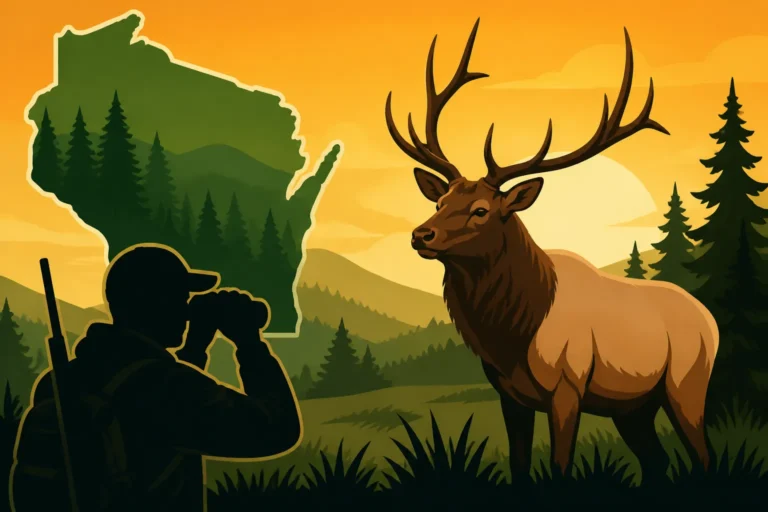
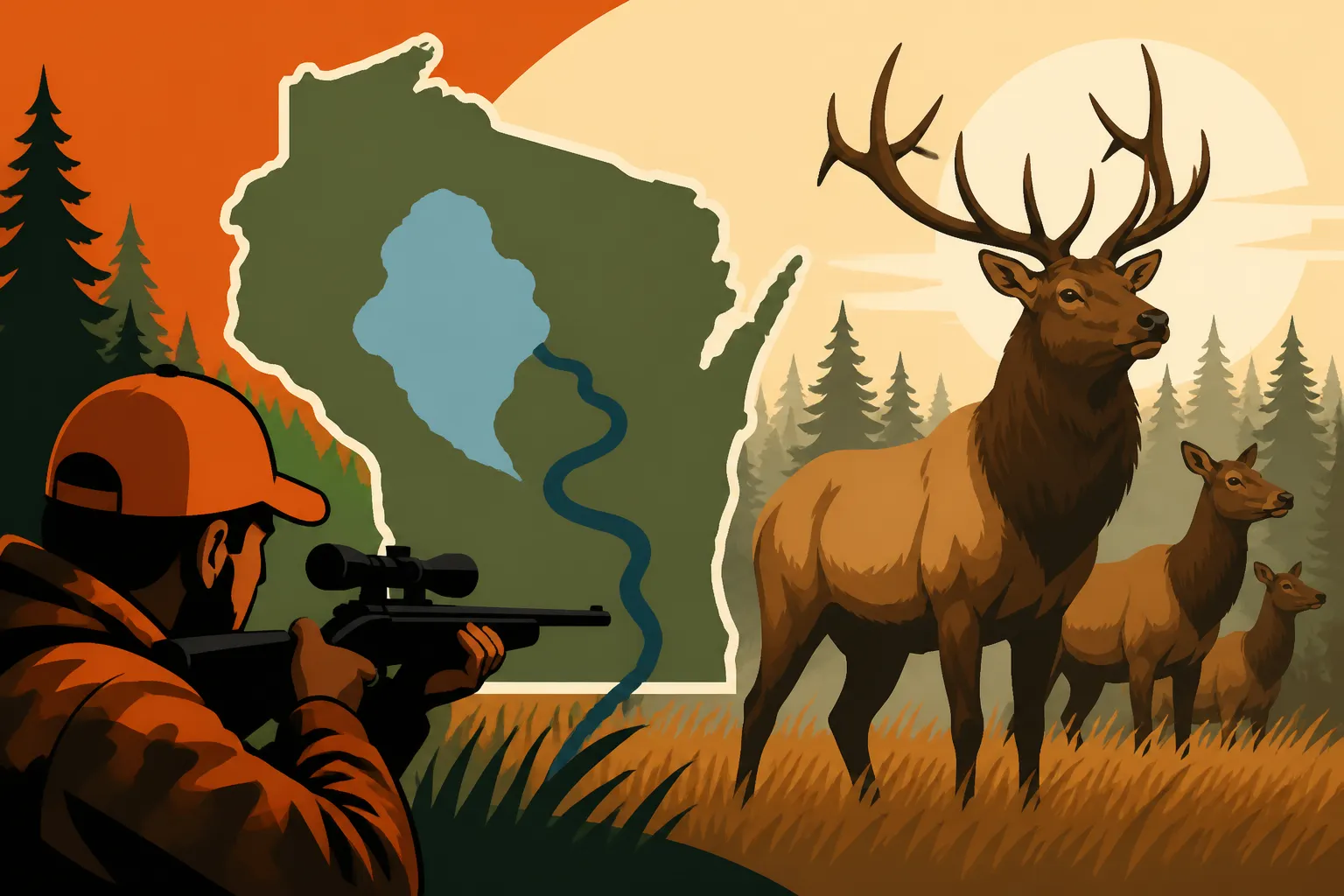
For so long, the majestic elk was just a whisper in Wisconsin’s history books, a phantom of a bygone era. Generations of hunters and wildlife enthusiasts never expected to see these magnificent creatures roam our woodlands again. But thanks to dedicated conservation efforts, Wisconsin is now home to not one, but two thriving elk herds, offering incredible viewing opportunities and a once-in-a-lifetime hunting dream for a lucky few. This guide will take a deep dive into the fascinating story and current status of the Clam Lake and Black River elk herds, helping you understand their journey, their habitats, and how you can experience these incredible animals for yourself.
The Return of Elk to Wisconsin
It’s hard to imagine Wisconsin’s vast forests without the presence of elk, but for over a century, that was the reality. These magnificent animals were once a vital part of the state's ecosystem, a symbol of its wild heritage. Their reintroduction is a story of resilience, careful planning, and a deep-seated desire to right historical wrongs.
Historical Presence and Disappearance
Before European settlement, elk roamed widely across Wisconsin’s diverse landscapes, from the northern forests to the southern prairies. They were a significant game species for Native American tribes and early European settlers. However, unregulated hunting, coupled with widespread habitat loss as logging and agriculture transformed the landscape, led to a rapid decline in their numbers. By the late 1880s, the last native wild elk in Wisconsin was believed to have been extirpated. This loss left a gaping hole in the state's biodiversity, and for many years, the idea of their return seemed like a distant, almost impossible dream. The landscape changed so dramatically that many believed it could never again support such large, wild grazers.
The Reintroduction Initiative
The dream of elk returning to Wisconsin began to take shape in the late 20th century, fueled by successful reintroduction efforts in other states and a growing understanding of ecological restoration. The Wisconsin Department of Natural Resources (DNR), along with partners like the Rocky Mountain Elk Foundation, spearheaded an ambitious plan to bring elk back. The initial focus was on the Chequamegon-Nicolet National Forest, specifically the Clam Lake area, which offered vast tracts of suitable habitat and limited human population density.
The first group of elk, primarily from Michigan, were released in 1995 near Clam Lake. This was a monumental effort, involving careful capture, transport, and acclimation of the animals to their new home. You can learn more about the early days and how these animals successfully adapted by reading about How Elk Returned to Wisconsin. The success of this initial reintroduction paved the way for further expansion, demonstrating that with careful planning and dedicated effort, even a species long absent could once again thrive in the Wisconsin wilderness. It wasn't just about dropping them off; it involved extensive post-release monitoring, disease surveillance, and community engagement to ensure their long-term survival.
The Clam Lake Elk Herd: A Northern Success Story
The Clam Lake elk herd, nestled within the vast expanse of the Chequamegon-Nicolet National Forest, stands as a testament to successful wildlife reintroduction. It’s a remarkable story of adaptation and growth, demonstrating what can be achieved when conservation efforts are met with ideal habitat conditions.
Establishment and Growth
From that initial release of 25 elk in 1995, the Clam Lake herd has steadily grown, overcoming challenges like harsh winters, disease, and predation. The growth wasn't always linear, with occasional setbacks, but the overall trend has been positive. New animals were periodically introduced to bolster the genetic diversity and accelerate population growth, primarily from Kentucky in subsequent releases. These efforts, combined with careful management, have seen the herd flourish. Today, the herd numbers over 300 animals, a truly impressive comeback from zero in just a few decades. The Northern Wisconsin Elk Herd Size has become a source of immense pride for the state.
The success of the Clam Lake herd can be attributed to several factors, including the rich mix of forest types, open grasslands, and wetlands that provide ideal forage and cover. The relatively low human population density in the area also minimizes conflicts and provides the elk with the space they need to thrive. For those looking to see these majestic animals, the sheer size and wildness of this northern region make it an incredible destination.
Habitat and Range Characteristics
The Clam Lake herd primarily roams across Sawyer, Ashland, and Bayfield counties, utilizing a mosaic of habitat types characteristic of Wisconsin's Northwoods. This includes mature hardwood forests, regenerating aspen stands, dense conifer swamps, and small, scattered openings. They are masters of their environment, moving between these areas to find optimal forage and cover throughout the seasons. During the spring and summer, you might find them grazing in clearings or feeding on tender new growth in young forest cuts. As winter approaches, they often seek the thermal cover of dense conifer stands, which offer protection from heavy snow and bitter winds.
The abundance of publicly accessible land in this region, including national forest lands and extensive county forests, is crucial for the elk's long-term success. It provides them with vast, undisturbed areas for breeding, calving, and foraging. This interconnectedness of habitat is vital for allowing the herd to expand its range naturally and for providing different resources throughout the year. You can often find areas where they’ve been browsing on saplings or rubbing velvet off their antlers against smaller trees.
Notable Viewing Opportunities
Seeing an elk in the wild is an unforgettable experience, and the Clam Lake area offers some of the best opportunities in Wisconsin. While elk can be elusive, certain times and places increase your chances. Early morning and late evening are often the most productive, as elk are most active during these crepuscular hours. Prime viewing spots often include large clearings, old logging roads, and areas where forest meets agricultural fields (though these are less common directly in the deep forest here).
The DNR often highlights specific areas or routes where elk sightings are more frequent. Driving slowly along quiet forest roads, especially those near water sources or recent timber cuts, can yield sightings. During the fall rut, typically from mid-September through October, the bugling of bulls can be heard echoing through the forest, creating an exhilarating and haunting auditory experience. Hearing an elk bugle is truly something special, and many visitors travel specifically for this annual event. While there isn't a dedicated "elk center" in Clam Lake, local businesses and visitor centers can often point you towards recent activity or good general areas.
The Black River Elk Herd: Expanding the Range
While the Clam Lake herd was thriving, conservationists recognized the benefit of establishing a second, geographically distinct herd to bolster Wisconsin’s overall elk population and reduce the risk associated with a single, concentrated group. This led to the creation of the Black River Falls elk herd.
Second Reintroduction Effort
In 2015 and 2016, the DNR, again with strong support from partners like the Rocky Mountain Elk Foundation, initiated a second reintroduction. This time, 73 elk were released into the Black River State Forest and surrounding areas in Jackson County. These elk were also sourced from Kentucky, chosen for their genetic health and disease-free status. The establishment of this new herd was a significant step in the broader strategy to expand elk throughout suitable habitats in the state, enhancing the overall Wisconsin elk population.
The initial years for the Black River herd involved intense monitoring and adaptation. Unlike the remote wilderness of Clam Lake, the Black River area presents a more fragmented landscape, interspersed with private agricultural lands and closer proximity to human development. This presented unique challenges, but also opportunities for the elk to utilize different types of forage. The success of this second effort truly cemented the comeback of elk as a major conservation achievement in Wisconsin.
Habitat and Adaptation Challenges
The Black River elk herd's habitat primarily consists of a mix of state forest lands, extensive wetlands, and private agricultural fields in Jackson, Clark, and potentially eastern Monroe counties. This landscape is distinctly different from the heavily forested Northwoods. The elk here have adapted to utilizing forest edges, abandoned farm fields, and even active agricultural crops, which can sometimes lead to conflicts with landowners. Managing these interactions is a key component of the herd’s ongoing success.
One of the primary challenges is navigating a landscape with more roads, more private land, and a greater human presence. This requires the elk to be more adaptable in their movements and feeding patterns. The DNR works closely with landowners to mitigate potential crop damage and promote coexistence, often through strategies like hazing, fencing, and educational outreach. The mixed habitat also means the elk here might exhibit slightly different behaviors than their northern counterparts, utilizing dense marsh cover for seclusion and venturing into open fields more readily.
Connectivity and Future Expansion
The long-term vision for Wisconsin’s elk populations includes the potential for natural connectivity between the two herds and expansion into new areas. As the Black River herd continues to grow, there's a hopeful possibility that their range could eventually meet with or even overlap with the western edge of the Clam Lake herd's range, creating a larger, more robust metapopulation. This natural movement is vital for genetic exchange and overall herd health.
Future expansion is also being considered for other suitable areas in central Wisconsin, leveraging existing public lands and cooperative private land agreements. The goal isn't just to maintain the current herds but to allow for a slow, sustainable spread where the habitat can support it without undue conflict. Tools like GoHunt can be invaluable for hunters and enthusiasts trying to understand the ever-evolving boundaries of these herds and where potential viewing or hunting opportunities might arise, especially as the Wisconsin Elk Hunt Zone Boundaries are refined.
Management and Conservation Efforts
The presence of Wisconsin’s elk herds isn’t a given; it’s the result of ongoing, intensive management and dedicated conservation efforts. The DNR, along with numerous partners, plays a crucial role in ensuring the health, growth, and sustainable future of these iconic animals.
DNR's Role in Herd Health
The Wisconsin DNR is the primary steward of the state's elk herds, responsible for their day-to-day management and long-term strategic planning. This includes monitoring population numbers through aerial surveys, trail camera observations, and ground-based tracking. They also keep a close eye on herd demographics, such as bull-to-cow ratios and calf survival rates, which are critical indicators of overall herd health and reproductive success. These data points help the DNR make informed decisions about herd goals and management actions.
Disease monitoring is another critical aspect of their work. Elk are susceptible to various diseases, and the DNR conducts regular health checks, collects samples from harvested animals, and monitors for outbreaks of conditions like Chronic Wasting Disease (CWD). While CWD has not been found in Wisconsin’s elk herds, rigorous surveillance is a proactive measure to protect these valuable populations. The DNR’s proactive approach ensures that potential health threats are identified and addressed quickly to prevent widespread impact.
Monitoring and Research
Ongoing research is vital to understanding elk ecology in Wisconsin and refining management strategies. Researchers study everything from elk diet and foraging patterns to their movement corridors and use of different habitat types. GPS collar studies have provided invaluable data on elk home ranges, migration patterns, and how they interact with human-dominated landscapes, especially within the Black River area. This data helps the DNR identify key habitat areas, assess potential risks, and plan future conservation actions effectively.
The results of this research directly inform management decisions, such as habitat improvement projects, road crossing mitigation, and even the setting of hunting quotas. Understanding factors like When Elk Were Reintroduced at Clam Lake and their subsequent population dynamics allows for more precise management, ensuring sustainable growth while balancing ecological and social considerations. Without this continuous scientific inquiry, managing such a complex and dynamically growing population would be far more challenging.
Public Involvement and Funding
The success of Wisconsin's elk herds is deeply intertwined with public support and involvement. Organizations like the Rocky Mountain Elk Foundation, local conservation groups, and countless individual volunteers contribute significant time, resources, and funding to elk management efforts. This includes fundraising for reintroduction efforts, habitat projects, and educational programs. The public's enthusiasm for elk has been a driving force behind their return and continued growth.
Funding for elk management also comes from hunting license sales and specific elk tag applications. The Wisconsin elk hunt, though extremely limited, generates revenue that directly supports the herds. Hunters apply for a chance at one of the highly coveted tags, with a portion of the application fees contributing to the program. Anyone interested in applying for these tags or simply learning more about the process can find details on the DNR website, and resources like GoHunt often compile information on application periods and odds, making it easier for aspiring elk hunters to navigate the system, including understanding Wisconsin Elk Application Rules.
Viewing and Engaging with Wisconsin Elk
Experiencing Wisconsin's elk in their natural habitat is a truly special opportunity, whether you're a seasoned wildlife observer or a curious newcomer. Knowing when and where to look, and how to do so ethically, can greatly enhance your chances of a memorable encounter.
Best Times and Locations for Observation
While elk can be seen year-round, certain seasons offer more predictable viewing opportunities. The fall, particularly during the rut (mid-September to late October), is arguably the best time. During this period, bulls are most vocal, bugling to attract cows and challenge rival males. This is when they are most active and visible. Early mornings and late evenings are prime times, as elk often move into more open areas to feed.
In the Clam Lake area, driving quiet forest roads, particularly near known clearings or waterways, can be fruitful. Local establishments often have up-to-date information on recent sightings. For the Black River herd, similar strategies apply, though the landscape might be more interspersed with private lands. Identifying public access areas or viewing pull-offs is key. Using mapping applications or resources that highlight Public Hunting Land in Wisconsin can also help identify suitable viewing locations that minimize disturbance to private landowners. Remember to pull completely off the road and be respectful of private property boundaries.
Ethical Wildlife Viewing Practices
When viewing elk, it's paramount to prioritize their well-being and minimize your impact. Always maintain a respectful distance – if the elk change their behavior (stop feeding, lift their heads, stare at you), you're too close. Telephoto lenses on cameras and binoculars are your best friends here, allowing you to get a "close-up" view without encroaching on their space. Never attempt to approach or feed wild elk. Feeding them can lead to dependence on humans, habituation, and can spread disease.
It’s also crucial to respect their privacy, especially during sensitive times like calving season (late May to early July) when cows are particularly protective of their young. Avoid disturbing them, especially calves, which might appear alone but whose mothers are likely nearby. Keeping dogs leashed and under control is another important consideration, as free-roaming dogs can stress or even injure elk. Responsible viewing ensures that these magnificent animals can continue to thrive undisturbed, allowing future generations to enjoy them as well.
Understanding Elk Behavior
To truly appreciate Wisconsin’s elk, a basic understanding of their behavior is incredibly helpful. During the fall rut, the bugle is the quintessential sound, a powerful call that can carry for miles. Bulls will spar, sometimes aggressively, to establish dominance and breeding rights. Observing these interactions from a distance can be a thrilling experience. Cows and calves typically form smaller, more cohesive groups, while bulls might be solitary or form bachelor groups outside the rut.
Elk are ruminants, meaning they spend a significant portion of their day feeding, then resting and digesting. They are herbivores, primarily grazing on grasses, forbs, and browsing on shrubs and tree saplings. You might notice signs of their feeding, such as stripped bark on trees or clipped vegetation. Understanding their patterns—feeding, resting, moving to water—can help you anticipate their movements and increase your chances of a sighting. For hunters lucky enough to draw a tag in a future Wisconsin's Record Elk Hunt, understanding these behaviors, especially how Wolves and Wisconsin Elk Calves interact, is crucial for both ethical hunting and successful recovery.
Challenges and Future Outlook
While Wisconsin's elk herds represent a tremendous conservation success, their journey isn't without ongoing challenges. Maintaining healthy, growing populations requires continuous vigilance against threats and proactive planning for the future.
CWD and Disease Monitoring
One of the most significant long-term threats to both the Clam Lake and Black River elk herds, and indeed all cervids in Wisconsin, is Chronic Wasting Disease (CWD). While CWD has not yet been detected in Wisconsin’s elk, the close proximity of the Black River herd to areas with CWD-positive deer populations raises concerns. The DNR maintains a rigorous CWD surveillance program for elk, conducting testing on any elk found deceased or harvested during the limited hunt.
The risk of CWD spreading to the elk herds is a constant concern because of the disease’s debilitating and invariably fatal nature. Efforts to control CWD in the deer herd, such as carcass transport restrictions and mandatory testing in certain areas, are also indirectly aimed at protecting the elk. Continued monitoring, research into disease transmission, and public awareness campaigns are essential to safeguard the health of these valuable populations. This is a battle that Wisconsin hunters and conservationists are very much engaged in, both for deer and now for our growing elk herds.
Predation and Coexistence
Both elk herds coexist with natural predators, primarily black bears and gray wolves. While predation is a natural part of any healthy ecosystem, it can impact calf survival rates and overall herd growth, particularly for younger, more vulnerable animals. The presence of wolves, which have also seen a remarkable comeback in Wisconsin, means elk must constantly be alert. This dynamic between predator and prey is a complex one, and the DNR monitors its impact on elk populations carefully.
For instance, the impact of Wolves and Wisconsin Elk Calves on recruitment is studied closely. While adult elk are formidable animals, calves are more susceptible. The DNR manages predator populations based on sound science, aiming for a balance that allows both predator and prey to thrive. This coexistence is a hallmark of truly wild landscapes, but it requires careful monitoring to ensure that elk populations can continue to expand despite these natural pressures.
Habitat Preservation and Expansion
The long-term health and growth of Wisconsin’s elk herds depend heavily on the availability of suitable habitat. This means protecting existing forest lands, ensuring diverse forest management practices that create a mosaic of clearings and cover, and working with private landowners to maintain habitat connectivity. As elk populations grow, they will naturally seek to expand their ranges, and having corridors of suitable habitat will be crucial for this natural dispersal.
Future habitat efforts might involve targeted timber harvests to create early successional forests that provide abundant forage, controlled burns to regenerate native grasses, and the protection of riparian areas. Partnerships with timber companies, private landowners, and federal agencies like the U.S. Forest Service are critical for these large-scale habitat initiatives. Ensuring that elk have access to ample, quality habitat—both within their current zones and for future expansion—is the cornerstone of their continued success, helping explain Why Wisconsin Elk Numbers Hit a Record.
Elk Herd Comparison Table
To give you a clearer picture of the distinct characteristics of Wisconsin's two elk herds, here's a comparative overview:
| Feature | Clam Lake Elk Herd (Northern Herd) | Black River Elk Herd (Central Herd) |
|---|---|---|
| Primary Location | Sawyer, Ashland, Bayfield Counties (Chequamegon-Nicolet National Forest) | Jackson, Clark, Monroe Counties (Black River State Forest) |
| Reintroduction Year | 1995 | 2015-2016 |
| Current Estimated Size | ~300+ animals | ~150+ animals |
| Primary Habitat Type | Extensive Northern Forest (hardwood, aspen, conifer), remote | Mixed forest, wetlands, agricultural interfaces, more fragmented |
| Key Challenges | Harsh winters, wolf predation | Habitat fragmentation, human-wildlife conflict, CWD proximity |
| Viewing Opportunities | Good, particularly during rut; remote driving | Growing, more accessible in some areas; blend of forest and field |
| Hunting Zone | Northern Elk Zone (Wisconsin Elk Hunt Zone Boundaries) | Black River Elk Zone (Wisconsin Elk Hunt Zone Boundaries) |
Disclaimer
Please be aware that hunting regulations, seasons, and wildlife management practices are subject to change. Always consult the most current Wisconsin Department of Natural Resources (DNR) regulations and official publications before planning any hunting or wildlife viewing activities. This guide provides general information and should not be considered a substitute for official DNR resources.