White-Tailed Deer Across Wisconsin
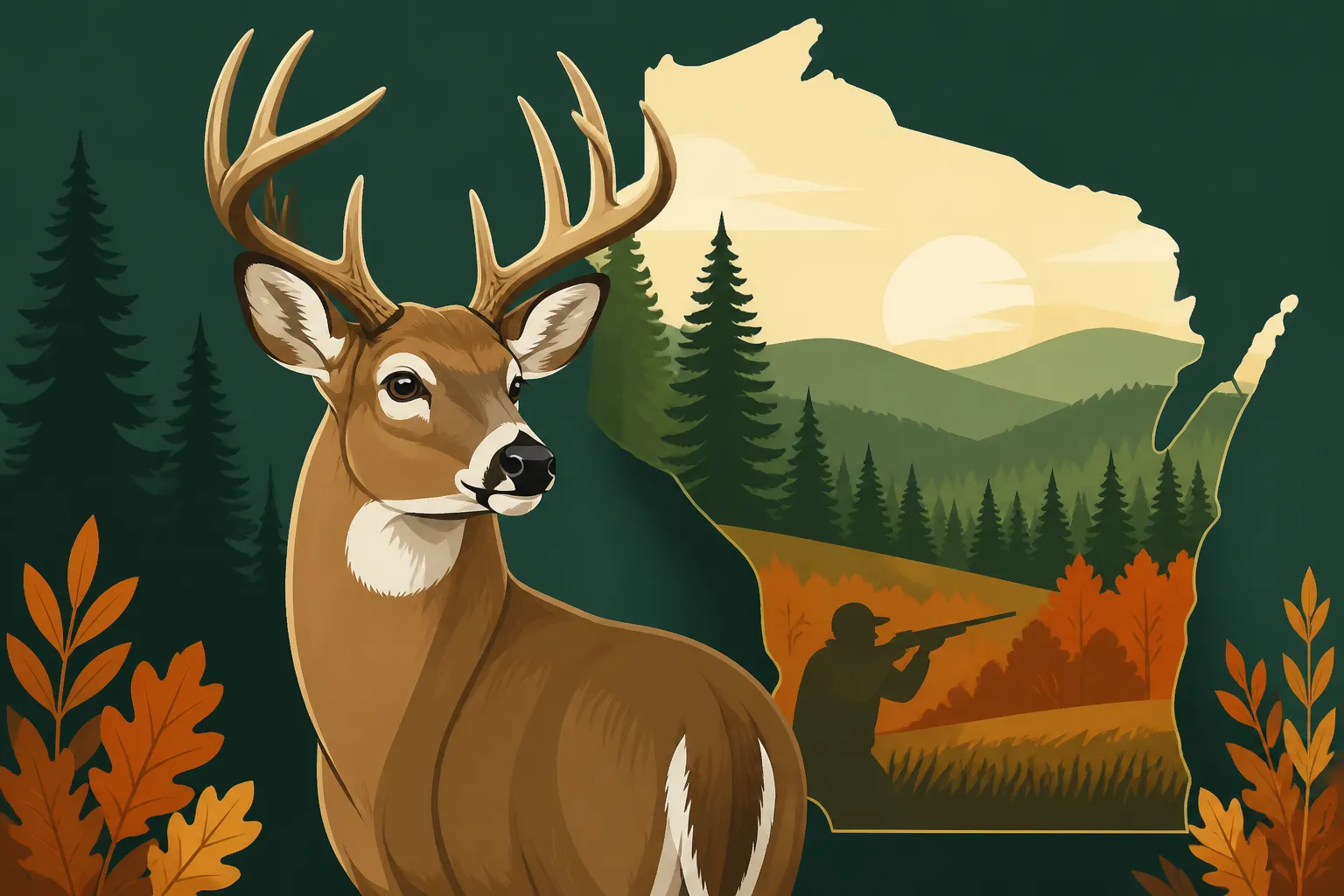
There’s a unique blend of excitement and tradition that courses through Wisconsin every autumn, and it’s almost entirely centered around one magnificent creature: the white-tailed deer. For many, the annual pursuit of whitetails isn't just a hobby; it’s a deeply ingrained part of their heritage, a connection to the land, and a test of skill and patience. This comprehensive guide is here to unravel the complexities and joys of hunting these elusive animals across Wisconsin's incredibly diverse landscapes, from the sprawling northern forests to the rolling farmlands and the dramatic coulees of the Driftless Area.
The Enduring Allure of Wisconsin Whitetails
For generations, the white-tailed deer has been more than just a game animal in Wisconsin; it's a symbol of the wild, a provider of sustenance, and the centerpiece of countless memories shared around campfires. The pursuit of whitetails here is woven into the very fabric of the state’s identity, drawing hunters from all walks of life into its woods, fields, and swamps. It's a passion that unites communities and drives economic activity, but more profoundly, it grounds us in the natural world.
A Legacy Rooted Deep in Tradition
Think about it: nearly every family in Wisconsin has a deer hunting story, don’t they? From the proud tales of a grandfather’s monster buck to the hilarious mishaps of a first-timer, these narratives are passed down through generations, shaping our understanding of what it means to be a Wisconsinite. This rich tapestry of tradition isn't just about the kill; it's about the entire experience. It’s the crisp autumn air, the vibrant fall colors, the camaraderie of deer camp, and the quiet moments spent in a treestand, watching the forest awaken. These rituals—the pre-season scouting, the early morning drive to a favorite spot, the shared meals, the post-hunt stories—are as vital as the hunt itself. They connect us to our past, to our mentors, and to the land in a way that few other activities can. This deep-seated tradition also fuels the local economies, with small towns often seeing their busiest weeks during the deer seasons, as hunters stock up on supplies, fuel, and lodging, eager to partake in this annual rite.
More Than Just a Hunt: The Economic and Cultural Impact
The economic ripple effect of Wisconsin’s deer hunting season is truly immense. We’re talking about millions of dollars poured into rural communities each year, touching everything from bait shops and sporting goods stores to gas stations, restaurants, and hotels. Hunters buy licenses, ammunition, bows, stands, camouflage, and countless other items, all contributing to a vibrant outdoor recreation economy. Beyond the dollars, though, is the cultural significance. Deer hunting weekends are often de facto holidays in many parts of the state. Schools might see reduced attendance, businesses adjust hours, and family gatherings are planned around the gun deer season. It's a time when urban and rural Wisconsinites connect, sharing a common pursuit and a reverence for the outdoors. This shared experience fosters a strong sense of community and regional identity, solidifying the whitetail's place not just as a game animal, but as a central figure in Wisconsin's cultural narrative. The preparation, the hope, the disappointment, and the triumphs all contribute to a shared cultural language that is uniquely Wisconsin.
Understanding Wisconsin's Diverse Deer Zones
Wisconsin is a state of remarkable natural variety, and this diversity profoundly shapes its white-tailed deer populations and the hunting experiences they offer. The Department of Natural Resources (DNR) organizes the state into several broad deer management zones, each presenting unique challenges and opportunities for hunters. Understanding these differences is key to successful hunting, as tactics that work in one area might be entirely ineffective in another.
The Northern Forest Zone: Wilderness and Resilience
Ah, the Northwoods. This vast, wild expanse of northern Wisconsin is characterized by dense coniferous and mixed forests, numerous lakes, and challenging terrain. Deer densities here are generally lower than in other parts of the state, primarily due to harsh winters and the presence of predators like wolves and bears. However, the deer that thrive here are often robust and elusive, making a successful hunt a significant accomplishment. The hunting experience in the Northern Forest is often about solitude, long walks through thick cover, and tracking. Food sources can be sporadic, so knowing where deer find acorns, browse, or secluded cedar swamps is critical. Hunters often find themselves miles from any road, relying on map-and-compass skills or modern GPS mapping apps like the Wisconsin Hunt Wild App. Success in this zone often hinges on perseverance and a deep understanding of how deer use the available cover and limited food resources. For more on the challenges here, check out our guide on how Northern Forest quotas are set.
The Central Forest Zone: Transition and Opportunity
South of the true Northwoods, the Central Forest Zone acts as a transitional area, blending elements of the northern wilderness with more agricultural influences. This zone often features a mix of pine plantations, oak ridges, and interspersed farmlands, leading to a slightly higher deer density than in the deep north. Here, deer benefit from pockets of agricultural food sources while still having access to extensive timber for cover. Hunters might employ a blend of tactics, from still-hunting timber blocks to setting up on field edges or near acorn flats. This zone can be particularly rewarding for those willing to adapt their approach, as deer patterns can shift based on food availability and hunting pressure. The terrain can still be challenging, but generally less rugged than the far north or the Driftless.
The Farmland Zone: Abundance and Pressure
For many, the Farmland Zone of central and southern Wisconsin represents prime deer hunting country. Characterized by expansive agricultural fields—corn, soybeans, alfalfa—interspersed with woodlots, creek bottoms, and thickets, this zone boasts the highest deer densities in the state. Abundant food sources lead to robust deer populations and often larger body sizes and impressive antlers. However, hunting here comes with its own set of challenges, most notably intense hunting pressure and often limited public land access. Success frequently relies on securing private land permission or thoroughly scouting smaller, overlooked public parcels. Understanding how deer move between bedding cover in woodlots and feeding areas in crop fields is paramount. Hunters often focus on pinch points, funnels, and transition zones, using strategies like hunting a standing cornfield in farm country or setting up on field edges. The high deer numbers mean opportunities are plentiful, but outsmarting pressured whitetails requires precision and a keen eye for detail.
The Driftless Area: Big Bucks and Steep Challenges
The Driftless Area, primarily in southwestern Wisconsin, is a geological marvel untouched by glaciers. Its landscape is a dramatic tapestry of steep, forested ridges, deep coulees, and narrow valleys. This unique topography, combined with a mix of agriculture in the valley bottoms, creates an ideal environment for growing mature, trophy-class whitetails. The combination of abundant food in the fields and dense, secure cover on the steep slopes makes for incredible deer habitat. However, hunting the Driftless Area is physically demanding. Navigating the steep terrain, managing swirling winds and thermals in a coulee, and recovering a downed deer from a coulee bottom require significant effort and planning. Public land can be found, but it often requires serious effort to access the most productive, least-pressured spots. This region is legendary for its big bucks, attracting hunters seeking the ultimate whitetail challenge. Our guide on Driftless Area Deer Hunting in Wisconsin delves deeper into the specifics of this incredible region.
Here's a quick comparison of Wisconsin's primary deer zones:
| Zone | Primary Habitat | Deer Density | Typical Hunting Experience | Key Challenges |
|---|---|---|---|---|
| Northern Forest | Coniferous & Mixed Forest, Lakes, Swamps | Low | Wilderness hunt, long walks, tracking | Harsh winters, predators, sparse food, solitude |
| Central Forest | Mixed Forest, Pine Plantations, Some Farmland | Medium | Combination of timber & field edge hunting | Variable food sources, adapting tactics |
| Farmland | Agricultural Fields, Woodlots, Creek Bottoms | High | Stand hunting pinch points, field edges | High pressure, limited public access |
| Driftless Area | Steep Ridges, Deep Coulees, Valley Farmland | High | Physically demanding, big buck potential, terrain specific | Extreme topography, swirling winds, access |
Deer Population Dynamics and Management Challenges
Managing white-tailed deer in Wisconsin is a complex, ongoing process, balancing the desires of hunters, the needs of agriculture, and the health of the ecosystem. The DNR uses a variety of data, from harvest reports to public input, to make decisions that impact the herd. However, several significant challenges consistently shape these dynamics, demanding careful consideration and adaptive strategies.
Current Population Estimates and Trends
Understanding the current health and size of Wisconsin's deer herd is a perennial topic of discussion among hunters. While exact numbers are always estimates, the DNR employs sophisticated modeling and data collection—including harvest registration data, sex and age ratios, and winter severity index—to gauge the overall population. Generally, the Farmland Zone continues to support the highest deer densities, often leading to robust harvests and more antlerless opportunities. The Northern Forest, while vast, consistently has lower densities due to environmental factors.
Overall, the Wisconsin deer population estimate has shown stability in many regions, though localized fluctuations are common. These fluctuations can be influenced by specific factors like severe winter weather or localized disease outbreaks. The goal of management is often to balance herd health with social tolerance, ensuring enough deer for hunters without leading to excessive crop damage or car-deer collisions. Hunters play a crucial role by participating in harvest, providing valuable data through registration, and offering input through County Deer Advisory Councils. Keeping an eye on the annual harvest report is a great way to stay informed about regional trends.
The Persistent Shadow of Chronic Wasting Disease (CWD)
Perhaps the most significant long-term challenge facing Wisconsin’s whitetails is Chronic Wasting Disease (CWD). This fatal, neurological disease affects deer, elk, and moose, slowly deteriorating their brains. First detected in Wisconsin in 2002, it has since spread across much of the southern and central parts of the state. CWD is a serious concern for hunters for several reasons: it's always fatal for the deer, it can reduce overall herd health and population numbers over time, and there's understandable concern about consuming meat from infected animals.
The DNR has implemented various strategies to monitor and manage CWD, including extensive testing of harvested deer, carcass movement restrictions, and baiting and feeding bans in affected counties. For hunters, this means adhering to specific rules, such as knowing Wisconsin CWD testing for hunters options and understanding carcass movement restrictions. While there's no easy solution, continued vigilance, research, and hunter cooperation are essential to mitigating its spread and impact. Many hunters grapple with the implications of CWD, and it's a frustration that everyone shares – wanting a healthy herd and safe venison. Utilizing resources like the GoHunt app can sometimes provide localized updates on CWD testing sites and regulations, helping hunters stay informed.
Impact of Winter Severity and Habitat Changes
Wisconsin winters can be brutal, especially in the northern half of the state. Severe winters, characterized by deep snow and prolonged cold, can have a significant impact on deer survival, particularly for fawns and older animals. Deep snow makes it harder for deer to move and access food, leading to increased energy expenditure and higher mortality rates. These harsh conditions contribute to the lower Northern Forest deer density in Wisconsin. Following a particularly tough winter, the DNR may adjust antlerless quotas in certain areas to allow the herd to rebound.
Beyond winter, habitat changes also play a crucial role. Forest management practices like timber harvesting create clearcuts and aspen cuts that provide excellent browse and cover for deer in the short term, but mature forests offer different benefits. Agricultural practices, urban sprawl, and changes in land use can all fragment habitat, alter food availability, and influence deer movement patterns. Understanding these ecological shifts and how deer adapt to them is vital for hunters looking to find success year after year. For example, knowing how deer move after timber cuts can give you a real edge.
The Wisconsin Rut: Timing and Tactics
For many, the anticipation of the rut, or breeding season, is the absolute pinnacle of the Wisconsin deer hunting experience. It's a magical time when deer behavior becomes more predictable, and bucks, normally elusive, become far more vulnerable as they throw caution to the wind in search of does. However, the rut isn't a single, monolithic event; it unfolds in distinct phases, each requiring slightly different tactics.
Decoding the Pre-Rut in Late October
The pre-rut, typically kicking into high gear in late October, is a period of increasing activity and rising excitement. This is when bucks start to shed their velvet, make rubs and scrapes, and begin to chase does, though intense breeding is still a couple of weeks away. What you’ll notice is a marked increase in sign: fresh rubs appearing on trees, scrape lines along a logging road, and bucks making their presence known. Does are beginning to come into estrus, and bucks are checking them frequently.
During the pre-rut, bucks are still somewhat predictable in their movements, often moving between bedding areas and food sources with more daylight activity. They’re patrolling their territories, laying down scent, and challenging rivals. This is an excellent time for stand hunting near active scrape lines, pinch points, or food plots. Using grunt calls in mature timber or even rattling volume in thick cover can be incredibly effective, as bucks are eager to assert dominance and investigate any perceived intrusion. Patience and observation are key, as you’re trying to intercept a buck on his rounds before the peak of breeding truly kicks off.
Navigating the Peak Rut Week in November
This is it: the time every deer hunter dreams about. The peak rut week in Wisconsin, generally falling in the first two weeks of November, is characterized by frantic breeding activity. Bucks are actively pursuing and breeding does, often abandoning their typical patterns and moving almost constantly. This is when you'll see those "crazy" daylight encounters – a mature buck trotting across an open field in midday or chasing a doe through a thicket right past your stand.
During the peak rut, traditional food sources may become less critical as bucks prioritize finding receptive does. Instead, focus on areas where does congregate or travel, such as creek bottoms, saddles, and funnels between bedding areas. All-day sits are often highly productive, as bucks can show up at any time. Aggressive calling and rattling can be very effective, as bucks are less cautious and more willing to investigate. Understanding the nuances of Hunting the Peak Rut Week in Wisconsin is crucial for maximizing your chances. Be prepared for cold weather, long hours, and unexpected encounters. Many hunters utilize mapping tools from GoHunt to identify key terrain features like funnels and travel corridors that become hotspots during this intense period.
Post-Rut Strategies and Late-Season Movement
After the intensity of the peak rut subsides, typically by mid-November, deer behavior shifts again. Bucks are often exhausted, having expended tremendous energy during breeding. They’ll shift their focus back to replenishing their fat reserves, meaning food sources become paramount once more. Does, having been bred, are also looking for high-calorie foods.
Late-season hunting, particularly through December and into January, requires a completely different approach. The key is to find reliable, high-energy food sources that deer are concentrating on. This could be standing cornfields, late-season food plots, or areas with persistent acorns if they're available. Deer will often move very little during daylight hours, preferring to feed at night and bed down in the thickest cover during the day. Therefore, hunting pinch points between these secure bedding areas and food sources, particularly during the last hour of daylight, can be highly effective. Still-hunting after a Wisconsin snow can also be productive, as fresh tracks will lead you directly to where deer are feeding and bedding. The cold temperatures and snow can make for a challenging but rewarding hunt if you adapt your strategies.
Finding and Hunting Whitetails in Wisconsin's Varied Terrain
Wisconsin’s diverse landscape means that a one-size-fits-all approach to deer hunting simply won’t cut it. From the dense, big woods of the north to the steep valleys of the Driftless and the expansive farmlands, each environment demands tailored tactics and a keen understanding of how deer use their surroundings.
Scouting Smart: Tools and Techniques
Effective scouting is the bedrock of consistent deer hunting success, and it's a year-round endeavor, not just something you do a week before the season opens. In Wisconsin, smart scouting involves a combination of boots-on-the-ground exploration and the use of modern technology.
Start with aerial photos and topographical maps, which can be invaluable for understanding the lay of the land, identifying potential bedding areas, travel corridors, and food sources. Tools like onX maps, or the Wisconsin Hunt Wild App, offer detailed satellite imagery, property boundaries, and public land layers that can save you countless hours. Look for natural funnels where deer movement is concentrated, such as narrow strips of timber between open fields, saddles on ridge tops, or creek crossings. Understanding features like Reading a Ridge Point for Deer Movement is critical.
Once you’ve identified promising areas from afar, it’s time for some old-fashioned legwork. Walk the woods and fields during the off-season, looking for old rubs, scrapes, and established trails. Pay attention to changes in elevation, vegetation types, and water sources. Trail cameras can be incredibly effective for monitoring deer activity without disturbing the area, helping you confirm travel routes and identify specific bucks. Placement is key; consider where to hang a camera on a logging road or near a natural bottleneck. Early season scouting, before the leaves fall, is also vital for understanding summer patterns before they shift with the autumn. Don't underestimate the power of simply observing from a distance with good optics – sometimes the less you disturb the area, the better.
Adapting to Different Habitats: From Swamps to Coulees
The beauty and challenge of Wisconsin hunting lie in its varied habitats, each demanding a unique approach.
In the vast cedar swamps of the Northwoods, for example, deer will seek refuge from hunting pressure and harsh weather. Still-hunting Wisconsin cedar swamps quietly, slowly, and into the wind, can be incredibly effective, as deer often bed down deep within these thickets. Access can be difficult, and scent control is paramount, as the dense cover means deer will be close.
Moving to the dramatic topography of the Driftless Area, you're dealing with entirely different dynamics. Here, bucks will often bed high on the steepest slopes, using the elevation to spot danger below and swirling winds to detect anything above. Setting up on an aspen cut edge or even a prominent point overlooking a coulee can put you in a prime position. Understanding Wind and Thermals in a Coulee is not just helpful, it's absolutely essential for success, as air currents in these valleys can be unpredictable. You might need to adjust your stand placement or even your entire hunting plan based on real-time wind conditions.
In the farmland zones, where woodlots are often smaller and surrounded by open fields, deer movement is often dictated by security cover and the proximity of food. Here, hunting a funnel between two swamps or focusing on secluded bedding areas within small blocks of timber can be highly productive. Ground blinds can be very effective in these areas, particularly if brushed in a blind on a field edge, offering concealment in open country. No matter the habitat, the key is to understand how deer use that specific environment for food, cover, and travel, and then adapt your hunting pressure and strategies accordingly.
Public Land vs. Private Land: Navigating Access
Hunting in Wisconsin often involves navigating the complexities of land access. The state boasts a substantial amount of public hunting land in Wisconsin, including vast county forests, state forests, and wildlife areas. However, these lands often experience significant hunting pressure, especially during opening weekend tactics in Wisconsin. Success on public land usually means going deeper, hunting harder, and finding ground others walk past. This could involve miles of walking or paddling into remote areas, where deer are less disturbed. Many hunters rely on mapping applications from GoHunt to identify these overlooked pockets and understand property boundaries on the fly.
For many, private land offers less pressure and potentially higher quality deer. Gaining access to private land often involves building relationships with landowners, offering to help with tasks, or even exploring hunting leases. When approaching landowners, always be respectful, clear about your intentions, and prepared to offer compensation or assistance. Remember, Do You Need Written Permission in Wisconsin? Yes, often for specific activities or just to be safe, so always confirm with the landowner. Whether on public or private ground, understanding Wisconsin trespass and permission law is crucial to ensure you're hunting legally and ethically.
Harvesting, Processing, and Respecting the Resource
The moment of truth—the shot, the recovery—is just one part of the hunting equation. What happens next is equally vital, encompassing ethical responsibility, proper meat care, and fulfilling legal requirements. This phase demands respect for the animal and a commitment to utilizing the resource wisely.
Ethical Shots and Efficient Recovery
Making an ethical shot is the hunter's paramount responsibility. This means understanding deer anatomy, knowing your effective range with your chosen weapon, and only taking shots that offer a high probability of a quick, clean kill. Whether you’re using a rifle, bow, or muzzleloader, practice is essential to ensure proficiency. In the heat of the moment, it’s easy to rush, but a moment of patience can prevent a long, difficult, or even unsuccessful recovery.
Once the shot is taken, the work of recovery begins. Give the deer sufficient time before tracking, especially if it was not a clear lung or heart shot. Patience here is crucial. When blood trailing after dark in Wisconsin, use a quality headlamp and move slowly, carefully looking for any sign. Note the direction of travel, any blood on vegetation, and any disturbances in the leaves or snow. If the trail is sparse, consider marking the last known spot and returning at first light with fresh eyes, perhaps even bringing a tracking dog if legal and available. Knowing how to track a deer in Wisconsin snow can be a significant advantage in late season hunts. Recovering a deer from a coulee bottom or getting a deer out of a Wisconsin swamp can be physically demanding, requiring teamwork, sleds, or other specialized gear. Never give up on a responsible recovery; it's part of the hunter's code.
Field Dressing and Meat Care in Different Conditions
Proper field dressing immediately after recovery is critical for ensuring the quality of your venison. The goal is to cool the carcass quickly to prevent bacterial growth. This means removing the entrails as soon as possible. In cold weather, like during the Wisconsin gun deer season dates, the ambient temperature helps cool the meat, but in warmer early archery season dates, you'll need to work fast and perhaps get the deer to a cooler quickly.
Once field dressed, protecting the meat from dirt, insects, and harsh weather is important. Game bags are excellent for keeping flies off and allowing air circulation. If you're hunting in remote areas, especially up north, consider how you’ll get the deer out. Deer sleds for snow country or deer carts on forest roads can be lifesavers. For very remote kills or large bucks, boning out a deer using the gutless method and packing out the meat in a frame pack can be a more practical approach than dragging the entire animal. Handling bear meat safely or any game meat properly ensures a delicious, high-quality meal for your family and friends.
Registration and Reporting: Doing Your Part
After a successful hunt, your final legal responsibility as a Wisconsin hunter is to register your deer. This isn't just a formality; it's a vital component of wildlife management. The data collected from hunter registrations helps the DNR accurately assess harvest numbers, track population trends, and make informed decisions about future hunting seasons and quotas.
You can register a Wisconsin deer online or by phone, often within specific deadlines. Make sure you have your customer ID and tag number ready. The system will ask for information about the deer, such as sex, whether it was antlered or antlerless, the county of harvest, and the deer management unit. This simple act provides crucial information that contributes to the health and sustainability of Wisconsin’s deer herd for generations to come. It’s a small but significant way every hunter contributes to the larger conservation effort.
The Future of Wisconsin Whitetails and Conservation
The landscape of deer hunting and management in Wisconsin is constantly evolving, shaped by ecological shifts, societal changes, and ongoing research. The future of our whitetail herd depends heavily on continued collaboration between hunters, landowners, and wildlife managers, all committed to sustainable practices and conservation.
The Role of Hunters in Deer Management
Hunters are, without a doubt, the most significant conservation funding mechanism in Wisconsin and across the nation. Through the purchase of licenses, tags, and excise taxes on hunting equipment, hunters directly contribute millions of dollars to wildlife research, habitat restoration, and enforcement efforts. This funding is critical for maintaining healthy deer populations and diverse ecosystems.
Beyond financial contributions, hunters play an active role in population management through their harvest. By filling bonus antlerless tags, for example, hunters help keep deer numbers in balance with habitat capacity and agricultural tolerance in specific areas. Hunters also serve as valuable eyes and ears in the field, often being the first to observe changes in deer health, behavior, or habitat conditions. Their participation in initiatives like Wisconsin CWD testing for hunters provides essential data for understanding and combating wildlife diseases. Active engagement in County Deer Advisory Council recommendations is another way hunters can directly influence local deer management strategies. Your input matters, and your participation is crucial for the long-term health of the herd.
Habitat Restoration and Sustainable Practices
Healthy deer populations rely fundamentally on healthy habitat. This means more than just having vast tracts of land; it means having a mosaic of diverse habitats that provide ample food, water, and cover throughout the year. Habitat restoration efforts are ongoing across Wisconsin, focusing on improving conditions for deer and other wildlife. This can include anything from creating early successional forests through timber harvests to planting native food sources and restoring wetlands.
Sustainable hunting practices also extend to how we interact with the land. Responsible land stewardship, whether on private or public land, helps ensure that habitats remain productive for future generations. This includes practices like minimizing disturbance, proper waste disposal, and participating in habitat improvement projects. Understanding late-season food sources for whitetails and ensuring these are available is a critical part of habitat management. The balance between timber management, agriculture, and dedicated wildlife areas is delicate, and conscious efforts toward sustainable practices are essential to ensure the continued abundance of white-tailed deer across Wisconsin. The use of innovative technology, like advanced mapping and scouting features, as provided by platforms such as GoHunt, further empowers hunters to be more strategic and environmentally conscious in their approach, allowing for more precise habitat use and reduced disturbance.
Disclaimer
The information provided in this guide is for general informational purposes only and is not intended as legal advice. Hunting regulations, seasons, and licensing requirements in Wisconsin are subject to change. Always consult the most current Wisconsin Department of Natural Resources (DNR) regulations and guidelines before planning any hunting activity. Adherence to all local, state, and federal laws is the sole responsibility of the individual hunter.