Why Wisconsin Allows Fluorescent Pink
Hunting in Wisconsin is a cherished tradition, but let's be honest, staying safe and visible in the field has always been a top priority, often leading to a sea of blaze orange. For years, hunters wore orange, and while effective, many felt a desire for more options, perhaps something that resonated differently or simply offered a fresh look. This comprehensive guide will explore the fascinating journey behind Wisconsin's decision to embrace fluorescent pink as a legal, high-visibility hunting color, delving into the regulations, the science, and the broader impact on our hunting community.
The Evolution of Hunter Visibility Standards in Wisconsin
For decades, if you wanted to hunt deer or other game during certain seasons in Wisconsin, you were required to wear blaze orange. It became as iconic a part of the hunting landscape as the rustle of fallen leaves underfoot or the crisp bite of a November morning. But even traditions evolve, and the introduction of fluorescent pink marks a significant step in offering hunters more choice while maintaining crucial safety standards.
The Long-Standing Reign of Blaze Orange
Blaze orange, or hunter orange, has a long and proven track record in hunting safety. Its adoption wasn't accidental; studies confirmed its incredible ability to stand out against natural backgrounds like the greens, browns, and grays of our forests, even in low light conditions. The human eye is particularly adept at picking up this specific wavelength, making hunters highly visible to fellow outdoors enthusiasts. This effectiveness is precisely why states across the country mandated its use, and Wisconsin was no exception. It's a critical component of hunter safety courses, drilled into new hunters as an absolute necessity for preventing accidents. However, despite its undeniable benefits, some hunters, particularly women and youth, expressed a desire for alternatives. There was a sense that while practical, the uniform nature of blaze orange offered little in the way of personal expression, and perhaps, a different color could encourage more people to participate, especially if it was appealing to a broader demographic.
The Push for Alternative High-Visibility Colors
The conversation around alternative high-visibility colors really started gaining traction in other states before making its way to Wisconsin. States like Colorado, Louisiana, and Virginia were among the pioneers, introducing and legalizing fluorescent pink for hunting after careful consideration and scientific review. The primary driver behind these movements was often a desire to make hunting more inclusive and accessible. Advocates, including many female hunters, argued that offering an alternative color could break down perceived barriers and simply offer a choice that might resonate more personally. It wasn't about replacing blaze orange, but rather supplementing it with an equally safe and visible option. This push resonated deeply with legislators and conservationists who understood that to keep hunting vibrant and growing, it needed to adapt and be welcoming to everyone, regardless of personal color preference. The goal was always safety first, but if that safety could be achieved with more options, why not explore them?
Understanding Wisconsin's Fluorescent Pink Regulations
When Wisconsin decided to join the ranks of states allowing fluorescent pink, it wasn't a snap decision. It followed careful legislative processes, ensuring that any new color met the same stringent safety standards as blaze orange. The key was to ensure that the scientific backing for visibility was just as robust.
The Legal Framework for Fluorescent Pink
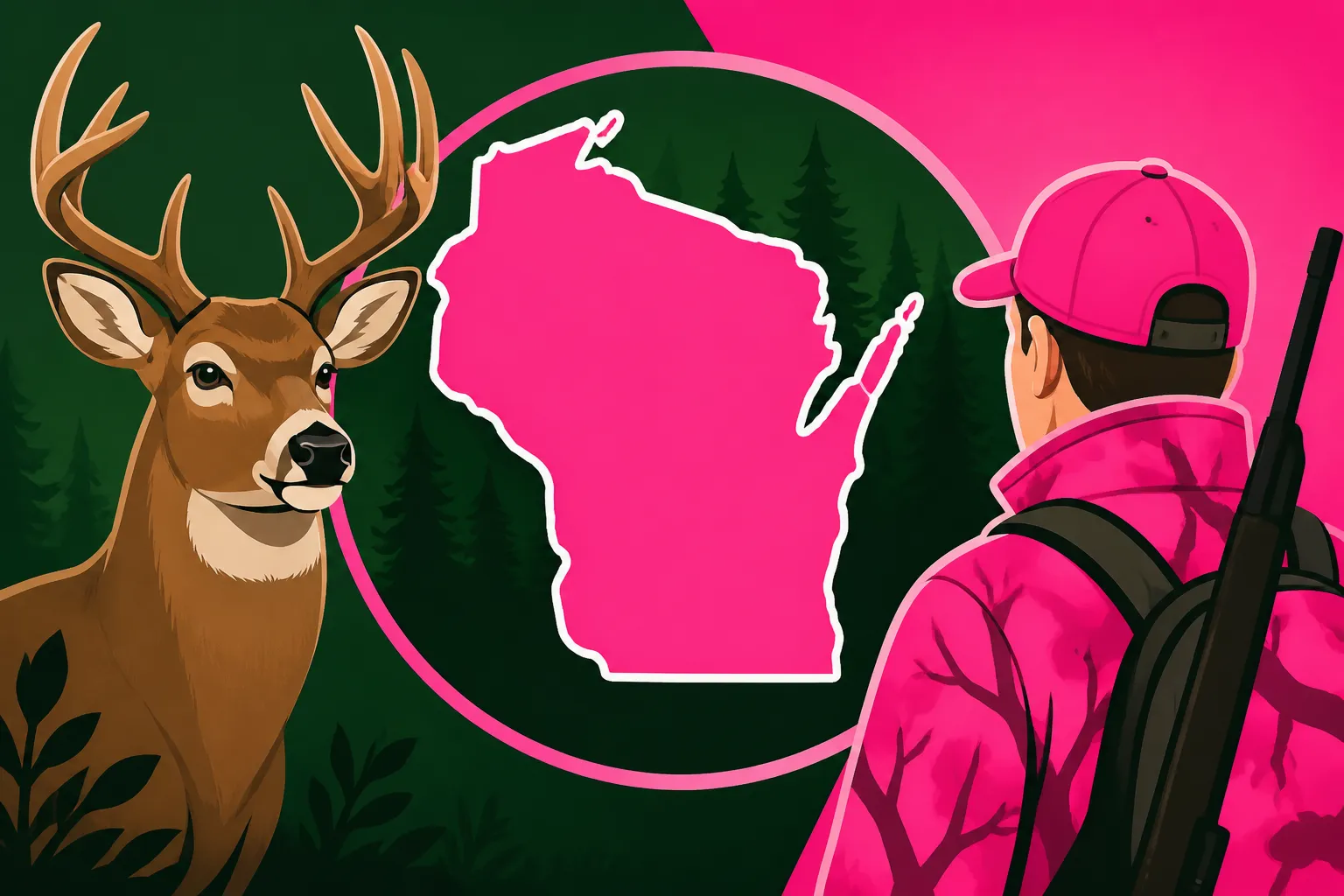
Fluorescent pink officially became a legal hunting color in Wisconsin with the passage of Act 389 in April 2017. This legislative change was a direct response to the growing national conversation and the desire within the state to modernize hunting regulations while maintaining a steadfast commitment to safety. The rules for wearing fluorescent pink are designed to mirror those for blaze orange, ensuring equivalent visibility in the field.
According to Wisconsin's hunting regulations, during any gun deer season, or when hunting small game or unprotected species with a firearm, hunters must wear at least 50% of their outer clothing above the waist in solid fluorescent orange or fluorescent pink. This includes hats. The color must be visible from all directions. This requirement ensures that a hunter is easily identifiable, reducing the risk of accidental shootings. It's not enough to have a small patch; the intent is to make the hunter unmistakably visible. For new hunters or those looking to refresh their knowledge, understanding the Wisconsin Blaze Orange and Pink Rules is crucial. The specifics around how much material is required, and where it needs to be worn, are critical details that cannot be overlooked.
Let's break down the basic requirements for both colors in a simple table:
| Requirement | Fluorescent Orange | Fluorescent Pink |
|---|---|---|
| Visibility | Visible from all directions | Visible from all directions |
| Minimum Coverage | At least 50% of outer clothing above waist | At least 50% of outer clothing above waist |
| Headwear | Solid fluorescent orange hat required | Solid fluorescent pink hat required |
| Seasons Applicable | Gun deer, small game with firearm | Gun deer, small game with firearm |
| Legislation Enacted | Long-standing requirement | Act 389 (April 2017) |
It's important to note that these regulations apply broadly to many hunting situations. For instance, even during seasons like Wisconsin's Nine-Day Gun Deer Season, whether you choose orange or pink, adherence to these rules is mandatory. This ensures consistent safety across different hunting scenarios.
The Science Behind Fluorescent Pink's Visibility
When the idea of allowing fluorescent pink first came up, a common question was, "Is it really as visible as orange?" The answer, backed by scientific research, is a resounding yes. Fluorescent colors work by absorbing light from across the spectrum and re-emitting it as a specific, highly vivid color. This makes them appear brighter and more intense than traditional colors, especially in low light conditions such as dawn or dusk, or on overcast days common during Wisconsin's hunting seasons.
Studies conducted by organizations and universities involved in hunter safety found that fluorescent pink, much like fluorescent orange, possesses a high level of conspicuity against natural backgrounds. The wavelengths of light reflected by fluorescent pink are easily processed by the human eye, making it stand out distinctly from the greens, browns, and grays of the forest. Deer, with their dichromatic vision, see colors differently than humans, often perceiving both orange and pink in a similar range of yellows or grays that blend into the environment. This means that while these colors are highly visible to other human hunters, they are generally not perceived as an alarm color by deer, maintaining the hunter's camouflage from the animal's perspective. For hunters concerned about their visibility to others, but also their stealth, this dual benefit is significant. The science supports the fact that choosing pink does not compromise safety for human hunters, nor does it necessarily tip off game animals any more than orange.
The Benefits and Considerations of Choosing Fluorescent Pink
The inclusion of fluorescent pink in Wisconsin's hunting regulations goes beyond simply adding another color to the wardrobe. It represents a broader shift in how we approach hunter recruitment, retention, and the overall image of hunting in our state.
Broadening Hunter Choice and Participation
One of the most compelling arguments for fluorescent pink was its potential to increase participation in hunting, particularly among women and younger generations. Historically, hunting has been a male-dominated activity, and while that's slowly changing, initiatives that make the sport more welcoming are vital. Offering a choice like pink provides an alternative to the traditional blaze orange, which some might perceive as a more masculine or less appealing color. It acknowledges that preferences vary and that empowering individuals with options can foster a greater sense of belonging and enthusiasm.
Think about it: a young girl starting out in the woods with her mentor, perhaps during the Hunting the Wisconsin Youth Deer Hunt, now has the choice to wear pink, a color that might make her feel more comfortable and confident. It's not about gender stereotypes, but about personal preference and making hunting gear feel less uniform and more personal. This can be a small but impactful factor in encouraging new hunters to stick with the sport. Companies like GoHunt have recognized this trend, offering a wider range of high-visibility gear, including fluorescent pink options, making it easier for hunters to find compliant and comfortable apparel that suits their style. This expanded choice helps to modernize the perception of hunting, demonstrating that it's a sport for everyone, not just those who fit a particular mold.
Practical Considerations in the Field
While the scientific evidence for fluorescent pink's visibility is clear, hunters naturally have practical questions about its performance in real-world scenarios. The good news is that, for all intents and purposes, fluorescent pink performs just like fluorescent orange in various field conditions.
The fluorescent properties mean it stands out effectively whether you're hunting in the dense timber of northern Wisconsin or the more open farmlands of the southern parts of the state. Its ability to "glow" by converting UV light into visible light ensures high visibility even on overcast days, at dawn, or at dusk – those critical low-light periods when deer are most active and hunter visibility is paramount. For example, when you're perched in a treestand using a Treestand Setups in Wisconsin Hardwoods strategy, being seen by other hunters is just as important as being unseen by deer.
When it comes to gear availability, the market has expanded considerably since pink was first legalized. You can now find everything from vests and jackets to hats and full hunting suits in fluorescent pink. Reputable outdoor gear retailers, and platforms like GoHunt, offer a solid selection, making it easy to comply with the Wisconsin Blaze Orange and Pink Rules without sacrificing comfort or functionality.
Durability and care are also similar to blaze orange. Fluorescent materials can fade over time with excessive exposure to sunlight and harsh detergents, so proper care is essential to maintain their high-visibility properties. Washing them with UV-brightening detergents should be avoided, as these can actually diminish the fluorescent effect. Air drying or drying on a low heat setting will help preserve the integrity of the material and its color. Ultimately, choosing between fluorescent orange and pink comes down to personal preference, as both colors offer equally effective protection and adherence to Wisconsin's safety regulations.
Disclaimer
The information provided in this guide is for general informational purposes only and does not constitute legal advice. Hunters should always consult the most current Wisconsin Department of Natural Resources (DNR) regulations and guidelines before participating in any hunting activity. Seasons, tag requirements, and rules can change, and it is the individual hunter's responsibility to stay informed and comply with all applicable laws.