Wisconsin Bobcat Permit and Tagging
For many Wisconsin hunters, the bobcat represents the pinnacle of predator hunting—a truly wild, elusive trophy. However, securing the chance to pursue one isn't as simple as buying an over-the-counter license. This comprehensive guide will walk you through the often-complex world of Wisconsin's bobcat permit and tagging system, from understanding the application process to fulfilling your post-harvest responsibilities.
The Elusive Wisconsin Bobcat: Understanding the Permit Landscape
Hunting bobcats in Wisconsin is a unique and challenging endeavor, primarily because it's a highly regulated pursuit. Unlike coyotes or fox, bobcats are considered a valuable furbearer with a managed population, meaning the state carefully controls how many are harvested each year. This regulation ensures the population remains healthy and sustainable for future generations of hunters and trappers. For those seeking this stealthy feline, understanding the permit system is the first, and arguably most important, step.
Wisconsin's Bobcat Population and Management Zones
Wisconsin's bobcat population is predominantly concentrated in the northern half of the state, particularly within the vast expanses of the Northern Forest zone. These wild, rugged landscapes, characterized by dense timber, cedar swamps, and rocky outcrops, provide ideal habitat for bobcats to thrive. They prefer areas with thick cover for hunting small game like rabbits and hares, as well as for denning and raising their young. While occasional sightings occur in central Wisconsin, the northern counties remain the stronghold. The Wisconsin Department of Natural Resources (DNR) divides the state into specific bobcat management zones to help manage harvest pressure more effectively. For instance, Zone A typically encompasses the northern forest areas, where the majority of bobcat activity and permits are allocated, while Zone B covers a smaller, more peripheral range. This zonal approach allows for localized management decisions based on population data and habitat conditions. If you're planning a trip north, checking the specific zone boundaries is critical. You can find detailed maps on the DNR's website, which are essential for planning your pursuit, whether you're interested in Running Hounds for Bobcat in the North or trying your hand at trapping.
Season Structure and Harvest Quotas
Bobcat hunting and trapping seasons in Wisconsin are tightly controlled, with specific start and end dates designed to align with biological cycles and minimize impact on breeding populations. The season is typically split into two distinct periods, often running from mid-October through the end of December for the first period, and then picking up again in late December and extending through January for the second. This structure provides opportunities for both early-season hunters and those who prefer to pursue them in the snow. Each year, the DNR sets a statewide harvest quota for bobcats, which is then divided among the management zones. This quota is determined through extensive research, including population surveys, harvest data analysis from previous years, and habitat assessments. The limited number of permits issued reflects this careful management. It's not uncommon for the total number of bobcat permits statewide to be in the low hundreds, making each tag a highly sought-after commodity. This strict management framework is why the application process is so competitive and why proper tagging and registration after a successful harvest are non-negotiable legal requirements.
Navigating the Application Process: Your Path to a Bobcat Tag
Given the limited number of permits, applying for a Wisconsin bobcat tag is not a simple "first-come, first-served" affair. The state utilizes a preference point system to provide a fairer chance to those who consistently apply over the years. This system rewards persistence and is crucial for anyone serious about hunting or trapping bobcats in Wisconsin. Understanding the application timelines and maximizing your chances in the draw is paramount.
The Critical Preference Point System
Wisconsin's bobcat permit system operates on a preference point model, similar to how permits are allocated for other highly desired species like bear or elk. For every year you apply for a bobcat permit but are unsuccessful in drawing one, you accumulate a preference point. The more preference points you have, the better your odds of drawing a tag in subsequent years. This system is designed to give loyal, long-term applicants a progressively higher chance. It means that while you might not get a tag your first year, continuing to apply builds equity in the system. Many hunters spend years accumulating points before they finally draw a permit. It's a game of patience, but a necessary one to ensure the sustainability of the bobcat population. Even if you don't plan to hunt bobcats in a given year, it's often wise to apply for a preference point only, just to keep building your standing for the future. Platforms like GoHunt can be invaluable resources for tracking your points and understanding the historical draw odds, helping you strategize your applications.
Applying Through the Go Wild System
All applications for Wisconsin bobcat permits, including applying for preference points only, are handled through the state's Go Wild licensing system. This online portal is a one-stop shop for all your hunting and fishing license needs in Wisconsin. The application period for bobcat permits typically opens in the spring, often around March, and closes in early May. It's critical to pay close attention to these deadlines, as missing the application window means forfeiting a year of preference point accumulation and the chance to draw a tag. When you apply, you'll select your preferred bobcat management zone (usually Zone A or Zone B, based on where you intend to hunt or trap). It's wise to research which zone offers the best opportunity for your hunting style or location. The application fee is usually quite modest, even if you're only applying for a preference point. Remember, it's not just about applying; it's about applying correctly and on time. Double-check all your information before submitting to avoid any issues that could invalidate your application. Navigating the Go Wild system can be straightforward, but having reliable information at hand, perhaps even from a reputable resource like GoHunt, makes the process much smoother.
Understanding Your Draw Odds
The draw odds for Wisconsin bobcat permits can be quite low, especially in the most popular zones. They fluctuate annually based on the number of available permits and the total number of applicants. For hunters with few preference points, the chances in any given year might be in the single digits. However, as your preference points accumulate, your odds significantly improve. For example, a hunter with 5-7 preference points might see their odds increase to 20-30% or even higher in some years, depending on the zone. It's important to remember that preference points do not guarantee a tag; they only increase your probability. Once you successfully draw a bobcat permit, your preference points are reset to zero, and you'll start accumulating them again for future applications. This is why many hunters consider a bobcat tag a once-in-a-lifetime (or at least once-in-a-decade) opportunity. You can often find historical draw odds and application statistics on the DNR website, which can be invaluable when deciding whether to apply or focus on building points. Websites like GoHunt specialize in compiling and analyzing this data, giving hunters a clearer picture of their chances each year.
Post-Harvest Responsibilities: Tagging, Registration, and CITES
Successfully harvesting a bobcat in Wisconsin is a momentous occasion, but the work isn't over once the animal is down. There are very specific and immediate legal requirements regarding tagging, registration, and obtaining a CITES tag. Failure to follow these rules can result in significant penalties and loss of your harvest. These regulations are in place to ensure proper data collection for population management and to comply with international wildlife trade agreements.
Immediate Tagging Protocols in the Field
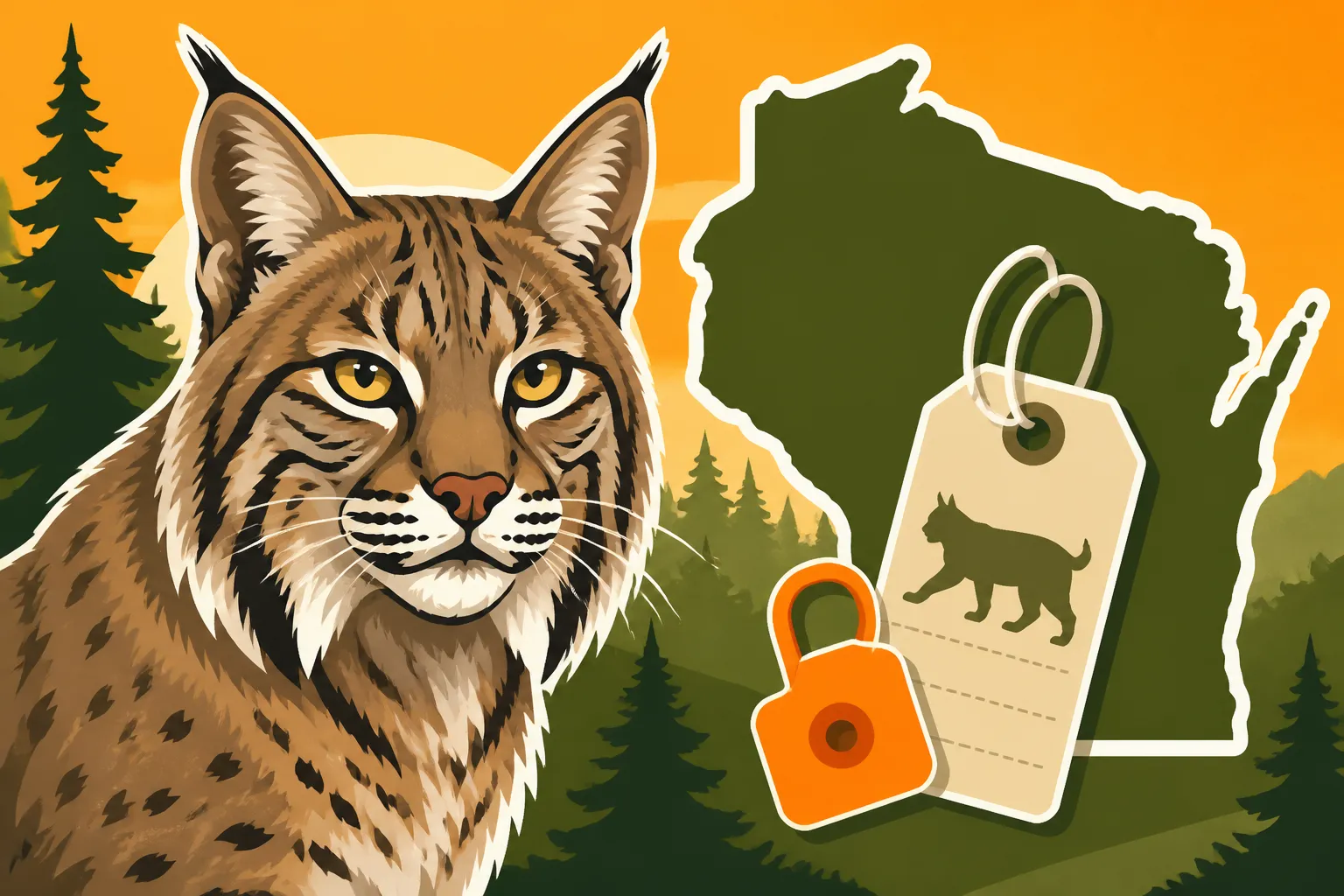
The moment you successfully harvest a bobcat, your first priority, after ensuring the animal is dispatched safely and ethically, is to immediately attach your valid bobcat carcass tag. This tag is issued to you along with your permit and must be securely fastened to the bobcat's ear or leg before you move the animal from the kill site. This isn't a suggestion; it's a legal requirement. The tag needs to stay attached to the carcass until it is officially registered. Think of it as the animal's temporary identification card. The purpose of this immediate tagging is to prevent unlawful possession or transfer of unregistered furbearers and to ensure that only properly permitted individuals take an animal. Make sure the tag is visible and securely attached to prevent loss. This immediate action is a critical step in demonstrating compliance with Wisconsin's hunting regulations and is foundational to responsible wildlife management. It's no different than the immediate tagging required for deer or bear.
Physical Registration and Obtaining Your CITES Tag
Unlike deer or turkeys, which can often be registered online or via phone, bobcats in Wisconsin require physical registration at an official DNR registration station or designated agent. This step is crucial because, in addition to standard harvest data, bobcats also require a Convention on International Trade in Endangered Species of Wild Fauna and Flora (CITES) tag. The CITES tag is an international permit that certifies the bobcat was legally harvested and allows for interstate and international transport of the pelt or taxidermied animal. Without a CITES tag, you cannot legally sell, transport, or possess certain parts of the bobcat outside of Wisconsin.
When you bring your bobcat to a registration station, a DNR agent will verify your permit and the attached carcass tag, collect important harvest information (such as location, date, and method of harvest), and then issue you the official CITES tag. This tag is usually a small, plastic, tamper-proof device that is permanently affixed to the pelt or carcass. It's a bit of extra bureaucracy, but it serves a vital purpose in controlling illegal wildlife trade and ensuring transparent, accountable harvesting practices. Make sure you understand the registration deadlines, which are typically within a few days of harvest, to avoid any legal issues. These strict rules are a testament to the value and careful management of Wisconsin's furbearer populations.
Carcass Transport and Reporting Deadlines
Once your bobcat has been legally tagged with both your carcass tag and the CITES tag, you can then transport it. However, always be aware of any potential disease surveillance rules, especially if you're traveling through or from areas known for certain wildlife diseases. Generally, whole carcasses can be transported once properly tagged and registered. For those planning to process the animal themselves, it's important to keep accurate records. If you're utilizing a taxidermist or fur buyer, they will typically require proof of legal harvest and the CITES tag before accepting the animal.
In addition to the physical registration, there may be specific reporting deadlines beyond the initial registration. These ensure that the DNR can accurately track harvest numbers and make informed management decisions for future seasons. Always consult the current Wisconsin Furbearer Regulations pamphlet or the DNR website for the most up-to-date information on transport rules and any additional reporting requirements. This diligent approach helps maintain the integrity of Wisconsin's wildlife management programs, ensuring that the privilege of pursuing these magnificent animals remains available. You can find more information about furbearer seasons in general in the Wisconsin Small Game and Furbearer Seasons guide.
Beyond the Tag: Ethical Hunting and Conservation
A bobcat permit is more than just a piece of paper; it's a privilege that comes with a significant responsibility. Ethical hunting practices and a commitment to conservation are essential for preserving this incredible resource for generations to come. Every hunter and trapper plays a role in the health and future of Wisconsin's bobcat population.
Fair Chase Principles for Bobcats
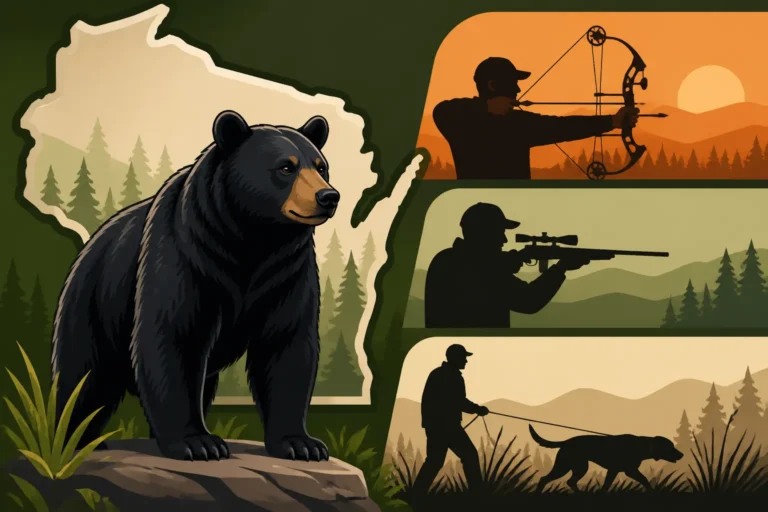
The pursuit of bobcats, whether through hunting or trapping, demands adherence to fair chase principles. This means ensuring that the animal has a reasonable chance to escape and that the methods used are ethical and sportsmanlike. For hunters, this typically involves methods like calling, still-hunting, or pursuing with hounds in areas where it's legal. When Running Hounds for Bobcat in the North, ensuring the dogs are well-trained and that hunters are prepared for the physical demands of tracking in rugged terrain is key. Responsible hound hunters also focus on minimizing stress on the animal and making a swift, clean harvest.
For trappers, setting traps humanely, checking them regularly, and understanding proper trap placement to avoid non-target species are paramount. Both methods require deep knowledge of bobcat behavior, habitat, and local regulations. The goal isn't just to harvest an animal, but to do so respectfully, appreciating the challenge and the wild nature of the bobcat. Avoiding baiting in banned areas, like those covered in Wisconsin Baiting and Feeding Bans, extends to furbearers as well, ensuring fair pursuit.
Contributing to Wisconsin's Wildlife Management
Every legally harvested and properly registered bobcat contributes valuable data to Wisconsin's wildlife management efforts. The information collected during registration—such as the date, location, and sex of the animal—helps the DNR assess population trends, understand harvest impacts, and make informed decisions about future quotas and season structures. This is a direct way hunters and trappers participate in the conservation of the species.
Furthermore, hunters and trappers are often the first to notice changes in wildlife populations or report signs of disease. Being vigilant and reporting unusual observations to the DNR, perhaps while using the Scouting With the Wisconsin Hunt Wild App, is another crucial contribution. This proactive engagement is vital for monitoring the health of all wildlife, including bobcats, and helps the DNR respond quickly to potential threats. Responsible management ensures that bobcats continue to thrive in Wisconsin's wild landscapes, offering future generations the same challenging and rewarding pursuit.
Disclaimer
Please note that hunting regulations, season dates, and permit requirements can change. Always consult the official Wisconsin Department of Natural Resources (DNR) website and current hunting regulations pamphlets for the most up-to-date and accurate information before planning your hunt. This guide is for informational purposes only and should not be considered a substitute for official DNR publications.