Wisconsin Bear Season Dates by Method
Getting a Wisconsin bear tag is a true achievement, and for many, the planning starts long before the season even begins. But once you've drawn that coveted tag, the real work of understanding when you can hunt, and how you can do it, depending on your chosen method, becomes paramount. Misinterpreting a date or a rule can quickly turn an exciting adventure into a frustrating experience, which is why this guide is here to break down Wisconsin's bear season dates by method, helping you navigate the complexities with confidence.
The Multi-Layered Wisconsin Bear Season Calendar
Hunting black bears in Wisconsin isn't a one-size-fits-all endeavor. The state's Department of Natural Resources (DNR) manages the bear population and harvest through a highly structured system that includes specific zones, a preference point draw, and distinct season dates tied directly to hunting methods. It’s this intricate calendar that often catches new bear hunters off guard, but understanding it is the first step to a successful hunt.
Understanding Wisconsin's Bear Zones and Their Impact on Dates
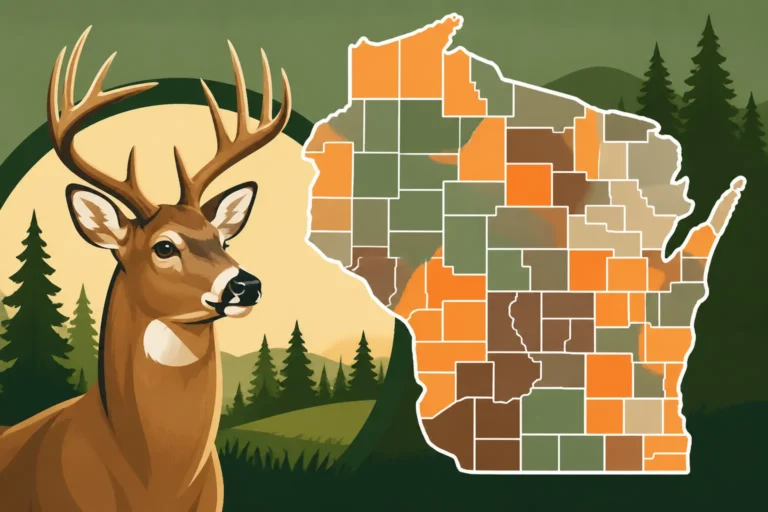
Wisconsin is divided into six distinct bear management zones, creatively named A, B, C, D, E, and F. These zones are more than just lines on a map; they represent different bear populations, habitats, and management goals. Consequently, the season dates, and even the legal hunting methods, can vary significantly from one zone to another. For instance, the vast northern forests of Zone A and D often have different pressures and opportunities compared to the more agricultural or mixed-habitat zones further south. Each year, the DNR analyzes population data, harvest numbers, and public input to set quotas for each zone, which then dictates how many tags are issued and influences the specific timing of the seasons. It’s crucial to know your zone, as your drawn tag will be specific to one of them, and this will directly determine your available hunting dates. You can dive deeper into these areas by checking out The Six Wisconsin Bear Zones.
These zone-specific regulations are a testament to the DNR's commitment to sustainable bear management. They recognize that what works for managing bears in the heavily timbered Chequamegon-Nicolet National Forest might not be appropriate for the central forest regions or the more agricultural periphery. Thus, the allocation of tags and the structuring of season dates are carefully tailored to ensure healthy bear populations while providing hunting opportunities. A hunter who draws a tag for a northern zone might find themselves with different hunting period options than a hunter successful in a more central or western zone, making pre-season research an absolute must.
The Preference Point System: Your Gateway to a Tag
Before you can even worry about specific hunting dates, you need a bear tag, and that's where Wisconsin's preference point system comes into play. Bear tags are highly coveted, and the number of applications far outweighs the available permits. To manage this, the DNR uses a draw system where hunters accumulate preference points for each year they apply and are unsuccessful. These points increase your odds of drawing a tag in subsequent years. For many, drawing a bear tag can take several years, sometimes even a decade or more, especially in popular zones.
The Wisconsin Bear Application Deadline is typically in December each year for the following fall's hunt, so it’s a critical date to remember even when the actual hunting season feels far off. Missing this deadline means missing out on accumulating a preference point or applying for a tag, effectively resetting your wait time. Understanding How Wisconsin Bear Preference Points Work is vital for any aspiring bear hunter in the state. Once you've successfully drawn a tag, you'll see What Happens to Points After You Draw, where your points reset to zero, and you start accumulating them again for your next bear hunt. This system, while requiring patience, ensures a fair allocation of a limited resource. Using a tool like GoHunt can be incredibly helpful for tracking your points and researching draw odds for different zones.
Bear Hunting with Dogs: A Traditional Pursuit
Hunting bear with trained hounds is a deeply rooted tradition in many parts of Wisconsin, particularly in the northern and central forests. This method is incredibly active and requires dedicated training, specialized equipment, and a deep understanding of dog behavior and bear habits. The season dates for hound hunting are typically some of the earliest and often the longest, reflecting the effort and commitment involved.
Key Season Dates for Hound Hunters
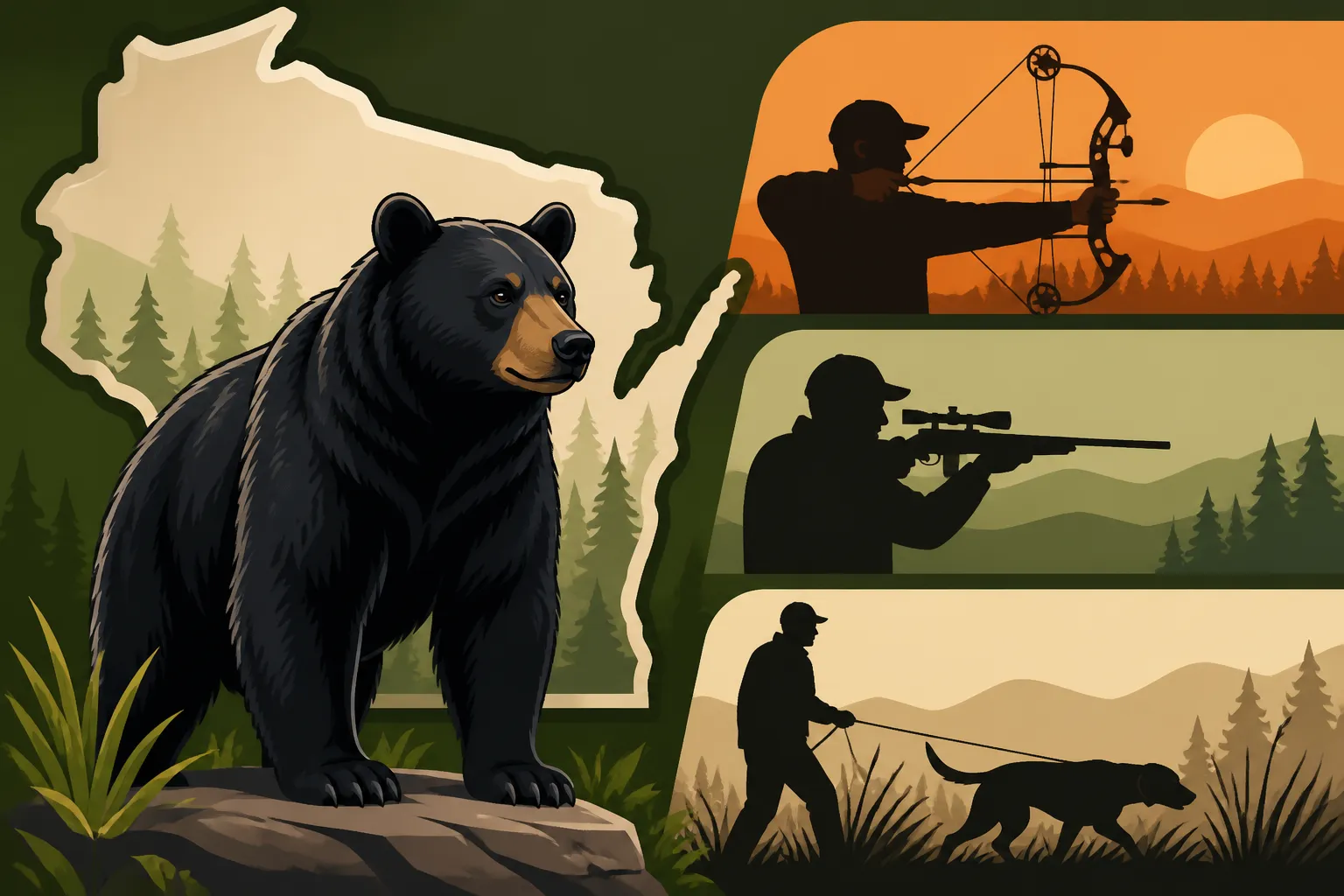
For those who enjoy the thrill and challenge of pursuing bears with dogs, Wisconsin generally dedicates the earliest part of the bear season to this method. While exact dates shift annually, the dog season typically kicks off in early September. For example, in recent years, specific northern zones like A and D might open on the first Wednesday of September, running for approximately three weeks. This early start allows hound teams to capitalize on bears that are still actively feeding and haven't yet settled into their dens for winter. The season runs concurrently in specific zones, though not all zones allow dog hunting. Generally, the northern and central zones are where dog hunting is permitted.
It’s important to note that these dates are for actively pursuing and harvesting a bear. The training period for bear dogs often precedes these dates, sometimes beginning as early as July 1st, allowing handlers to hone their dogs' skills on live bears under strict regulations. This preliminary period, though not for harvest, is integral to the "method" of hunting with dogs. Hunters looking to experience this method should definitely look into Running Bear Hounds in Northern Wisconsin to understand the full scope of this exciting pursuit. Always consult the current Wisconsin DNR Hunting Regulations for the precise start and end dates for your specific zone, as they are subject to minor adjustments each year.
The Specifics: From Training to the Hunt
The season for bear hunting with dogs is more than just a set of dates for carrying a firearm; it's an culmination of months of preparation. The summer dog training season, typically from July to late August, is essential for honing the skills of the hounds and familiarizing them with bear scent and trails. During this period, handlers can chase bears with dogs, but cannot harvest them. This distinct training phase is crucial because a well-trained pack is paramount to a successful, ethical hunt. The dogs learn to track, bay, and tree bears, while handlers learn to read their dogs and navigate the often dense, unforgiving terrain.
Once the actual bear hunting season with dogs opens in early September, hunters are out on the landscape, often starting at dawn, to cut fresh tracks. The method involves releasing hounds on a fresh bear track, then following the chase via GPS collars and listening for the distinct sounds of the dogs. The goal is for the dogs to either bay the bear on the ground or tree it, allowing the hunter to approach for a legal shot. This intense, physically demanding hunting method requires meticulous planning, reliable gear, and a deep understanding of bear behavior and hound work. The season's early fall dates are often ideal, as temperatures are usually moderate, and bears are still actively moving, making them more likely to be found by the hounds before they start preparing for hibernation.
Bear Hunting with Bait: A Strategic Approach
Baiting for bear is another popular and effective hunting method in Wisconsin, particularly favored by those who prefer a more static, ambush-style hunt from a treestand or ground blind. This method relies on strategically placing attractive food sources to draw bears into a consistent location, allowing hunters to pattern their movements and intercept them. Like hunting with dogs, specific dates are allocated for baiting activities, which are just as critical as the hunting season dates themselves.
Baiting Season Dates and Their Importance
For hunters choosing to pursue bears over bait, there are two crucial sets of dates to remember. First is the baiting period, which allows hunters to legally place bait in the woods. This typically begins several weeks before the actual hunting season, often around the first Friday of September. For instance, recent regulations have opened the baiting period on that first Friday, allowing hunters to establish active bait sites for several weeks before they can actually hunt over them. This lead time is absolutely essential for conditioning bears to visit the site regularly and during daylight hours. Without a solid baiting period, success rates would plummet.
The actual hunting season over bait typically begins after the hound season has concluded or overlaps with a later portion of the season, often running for several weeks into October, sometimes even extending into early November in specific zones. It's common for zones to have slightly different start dates, but generally, the period for hunting over bait runs from the middle of September through the first week or two of October. Hunters must adhere strictly to these dates, not only for hunting but also for bait placement and removal. Understanding Baiting Bears in Wisconsin fully involves knowing these dates and the specific rules around types of bait and quantity. Furthermore, it's paramount to know the Wisconsin Bear Baiting Start Date to legally begin your baiting efforts.
Zone Variations and Strategic Considerations for Bait Hunters
Just as with hound hunting, the season dates for bait hunters can vary by zone. Some zones might have a slightly shorter or longer baiting window, and the hunting season itself may open or close on different dates depending on the management unit. This zone-specific nuance requires hunters to carefully review the DNR regulations for the current year and their specific tag. For example, a hunter in Zone B might have a different season length or start date than a hunter in Zone C. These variations are often due to population density, harvest objectives, and the staggered pressure from different hunting methods.
Successful bait hunting within these specific dates requires a significant investment of time and effort. Beyond simply placing bait, hunters must monitor their sites, refresh bait, and use trail cameras to identify active bears and their visitation patterns. This constant monitoring helps determine the best times to sit and the most promising setup locations for a shot. For example, if cameras show a mature bear consistently visiting at dusk, the hunter knows to be in their stand well before that time. The limited daylight hours of early fall, combined with the bears' natural caution, make strategic timing within these regulated dates critical for success. GoHunt can be a helpful tool for scouting potential baiting locations and understanding terrain features within specific zones.
Still-Hunting and Stalking: Without Bait or Dogs
For the hunter who embraces the challenge of pure tracking, still-hunting, or stalking, Wisconsin offers a bear season that allows for these methods without the use of bait or dogs. This often aligns with the state's archery and firearm deer seasons, appealing to those who prefer a more solitary and traditional approach to big game hunting. This method, while incredibly rewarding, typically offers the shortest hunting window.
Archery and Firearm Dates for Non-Bait/Dog Hunters
The season for hunting bear without bait or dogs, sometimes referred to as "still-hunting" or "stalking," generally runs concurrently with portions of the state's archery deer season and, in some cases, overlaps with specific firearm deer seasons. Typically, this season will open in mid-September and run through early October, providing a window that usually coincides with the cooler temperatures of early fall. However, this period is often the shortest among all bear hunting methods. For instance, in many zones, this "all methods" period might begin around the second or third Wednesday of September and conclude by the first Tuesday of October, though these dates are approximations and demand annual verification from the DNR.
This shorter season window means that hunters choosing this method must be incredibly efficient and knowledgeable about bear behavior and habitat use during this specific time of year. Unlike bait hunters who draw bears to a specific spot, or hound hunters who pursue them, still-hunters must actively seek out bears in their natural environment. The overlap with deer season can be both a blessing and a curse; while you're already in the woods, the focus on deer might make it harder to spot a bear, and vice-versa. For a deeper understanding of this challenging method, you might want to read Hunting Bear Without Bait or Dogs.
Tactics and Challenges for "Still" Hunters
Still-hunting for bear is perhaps the most demanding method, requiring immense patience, acute observation skills, and a deep understanding of bear sign and movement. During the specific season dates allocated for this method, hunters will often focus on prime food sources such as acorn flats, berry patches, or standing cornfields, where bears are actively feeding to put on weight for winter. Scouting before the season to identify these high-activity areas is crucial. Finding fresh tracks, scat, or rubbed trees can indicate recent bear presence.
The challenges are significant: bears are notoriously stealthy, possess incredible senses of smell and hearing, and often inhabit dense cover. Moving slowly and silently, paying attention to wind direction, and constantly scanning for movement are essential tactics. Many successful still-hunters employ a "sit-and-wait" strategy near known food sources or travel corridors, much like deer hunting, during these specific dates. Others meticulously track fresh sign, attempting to get ahead of the animal or intercept it. Given the limited time frame, every hunting day counts, and detailed pre-season preparation to locate active bear areas is non-negotiable for maximizing success.
Critical Dates Beyond the Hunt: Application and Registration
While the actual hunting dates are what most hunters focus on, the journey to a successful Wisconsin bear hunt is bookended by other equally critical dates. From application deadlines to post-harvest registration, understanding and adhering to these administrative timelines is just as important as knowing when to be in the woods.
Application Deadlines and Drawing Results
The first critical date, as we touched on earlier, is the application deadline for a bear harvest authorization. This typically falls in early December for the following fall's season. Missing this deadline means you forfeit a year of accumulating preference points or a chance at drawing a tag. It's a date that, while not directly related to hunting, dictates whether you'll even have the opportunity to participate. You can find more details on this by checking out the Wisconsin Bear Application Deadline.
Once applications close, the waiting game begins. The DNR usually conducts the bear permit drawing in early February, and hunters are typically notified of their results shortly thereafter. This is the moment of truth, confirming whether your patience and accumulated preference points have paid off. For those who are successful, the next step involves paying for and securing the actual harvest authorization. It's also at this point that many successful hunters start seriously planning their hunt, consulting specific season dates for their zone and chosen method. Remember, if you draw a tag, your preference points will reset to zero, as explained in What Happens to Points After You Draw, starting your journey again for future bear tags.
Post-Harvest Requirements and Deadlines
After the excitement of a successful bear harvest, the critical dates don't end. Wisconsin has strict rules regarding the registration of harvested bears, and adherence to these rules is non-negotiable. Typically, a harvested bear must be registered by 5 p.m. on the day after the bear is harvested. This deadline ensures accurate harvest data collection, which is vital for the DNR's ongoing population management efforts and future quota setting, including the Wisconsin Bear Harvest Quota.
Registration can usually be done online through the Go Wild system, by phone, or at a designated in-person registration station. It's also important to note that specific biological samples might be requested at the time of registration, especially for research purposes, so being prepared for this is wise. For comprehensive information on what to do after you've taken a bear, refer to the Wisconsin Bear Registration Rules. Failure to register a bear within the specified timeframe can result in penalties, so always make this a top priority after the shot.
Planning Your Wisconsin Bear Hunt
Successfully navigating the Wisconsin bear season dates by method requires more than just knowing when to hunt; it demands diligent planning, resourcefulness, and a commitment to staying informed. With the complexity of zones, preference points, and staggered seasons, being proactive in your preparation is your best bet for a rewarding experience.
Essential Resources for Date Confirmation
The official Wisconsin DNR Hunting Regulations pamphlet and their website are your absolute best friends for confirming precise bear season dates for any given year. These resources are updated annually and provide the definitive legal framework for your hunt. Never rely solely on hearsay or outdated information, as dates can shift slightly year to year based on various factors, including population dynamics and management adjustments.
Beyond the official DNR sources, online platforms like GoHunt can provide supplementary information, including zone maps, drawing odds, and even community forums where experienced hunters share insights. These tools can help visualize the different zones, plan potential access points, and track your preference points efficiently. Given the significant investment of time and money in a bear hunt, utilizing all available resources to confirm your season dates by method is a crucial step that cannot be overlooked.
Preparing for Your Chosen Hunting Method
Once you've drawn your tag and confirmed your season dates, your preparation shifts to the specifics of your chosen hunting method. If you're a hound hunter, this means ensuring your dogs are in peak physical condition, your GPS collars are charged, and your vehicle is ready for potential off-road travel. For bait hunters, the lead-up to the season involves establishing and maintaining active bait sites, strategically placing trail cameras, and setting up your stand or blind in an optimal location before the season officially opens. Remember to keep an eye on the Wisconsin Bear Baiting Start Date. Still-hunters will focus on extensive pre-season scouting, identifying prime feeding areas and travel corridors, and perfecting their silent movement techniques.
Regardless of method, gear preparation is universal. This includes appropriate clothing for changing fall weather, reliable optics, a well-practiced firearm or bow, and essential field dressing and game recovery tools. Knowing the specific season dates for your method allows you to time these preparations perfectly, ensuring you're not scrambling at the last minute. This detailed planning within the context of the specific season dates for your chosen method is what ultimately sets the stage for a successful and ethical Wisconsin bear hunt.
| Hunting Method | Typical Season Start (Approx.) | Typical Season End (Approx.) | Primary Zones | Key Pre-Season Activity |
|---|---|---|---|---|
| With Dogs | Early September (1st Wed) | Late September (3-4 weeks) | Northern, Central (A,D) | Dog training (July 1st+), scouting tracks |
| With Bait | Mid-September (2nd/3rd Wed) | Early October (3-4 weeks) | All Zones (varies) | Baiting (Early September+), trail camera monitoring |
| Without Bait/Dogs | Mid-September (2nd/3rd Wed) | Early October (2-3 weeks) | All Zones | Extensive scouting, identifying food sources |
Note: These dates are approximate and general. Always consult the current year's Wisconsin DNR Hunting Regulations for precise and zone-specific season dates.
Disclaimer
Please remember that hunting regulations, season dates, and zone boundaries are subject to change. Always consult the official Wisconsin Department of Natural Resources (DNR) website and current year's hunting regulations pamphlet for the most accurate and up-to-date information before planning or engaging in any hunting activity. This guide is for informational purposes only and does not supersede official DNR regulations.