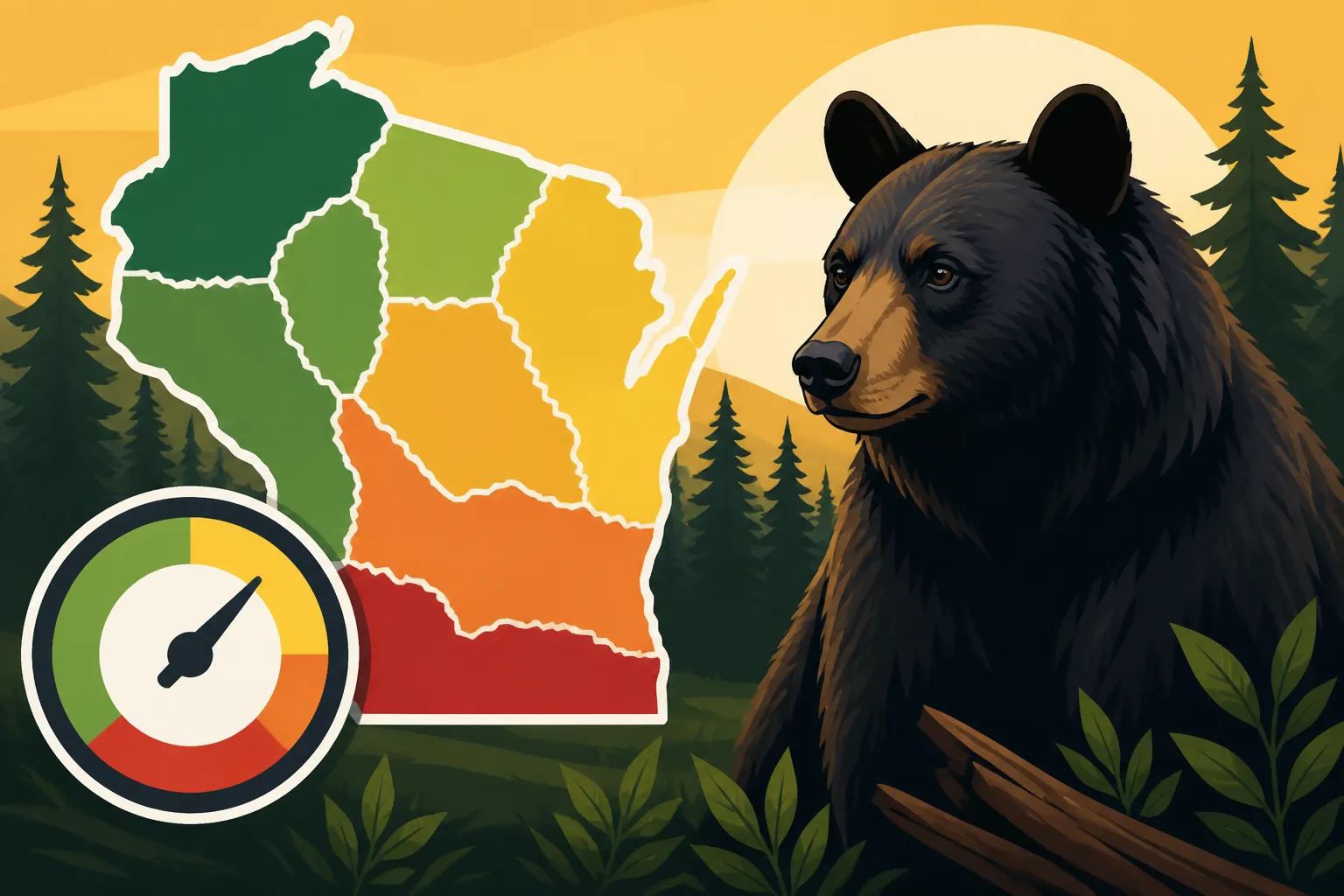
Wisconsin Bear Point Wait Times by Zone
Waiting years for a black bear harvest authorization in Wisconsin can test the patience of even the most devoted woodsman. You submit your application every December, watch your point total slowly climb, and constantly wonder when you will finally get to pack the bear grease, set a bait barrel, or turn out the hounds. This guide breaks down real-world point wait times across each management zone, helping you build a smart, long-term application strategy.
Understanding Wisconsin Bear Preference Points and Zone Dynamics
The hunt for a Wisconsin black bear begins long before you ever light a smudge stick or check a trail camera. Understanding how the state allocates harvest authorizations is essential if you want to manage your expectations and avoid burning hard-earned points on a zone or season format that does not match your hunting style.
Wisconsin operates on a strict preference point system. Applicants with the highest number of points in a given zone and category get first draw for available tags. Because black bear hunting popularity has exploded while overall tag quotas remain carefully managed to sustain healthy populations, demand far outpaces supply in almost every corner of the state.
How the Preference Point System Works
The mechanics behind How Wisconsin Bear Preference Points Work are straightforward on the surface, yet they create significant multi-year bottlenecks. Every year you apply, you must choose whether to apply directly for a license in a specific zone or simply purchase a preference point to save for a future season. If you apply for a tag and fail to draw, you receive a preference point for that year. If you skip applying altogether without purchasing a point, your accrued point balance remains intact, but you miss an opportunity to advance in the draw line.
It is crucial to keep track of your standing because points are non-transferable between hunters, and you cannot split your points across multiple zones in a single year. Furthermore, you need to stay aware of statutory rules regarding inactivity. Checking resources on When Wisconsin Bear Points Expire will remind you that missing too many consecutive application cycles can wipe out years of accumulated draw status. The system awards tags strictly to the top point tiers first; if a zone has two thousand tags available and four thousand applicants hold six or more points, anyone with five or fewer points has zero chance of pulling a tag in that drawing.
Key Differences Between Northern, Central, and Southern Bear Zones
Wisconsin is divided into distinct geographic regions for bear management, each offering starkly different terrain, bear densities, and hunter pressure. Historically, the deep timber and expansive public acreage of northern Wisconsin held the vast majority of the state’s black bears. As a result, traditional bear strongholds in the far north carry massive applicant pools and require significant patience to draw.
In contrast, southern and central agricultural zones have seen expanding bear populations over recent decades. While these areas often feature a patchier distribution of public land, they frequently offer shorter wait times for tag applicants. Deciding where to apply requires balancing how long you are willing to wait against the type of access you have. A hunter with private farmland permission in a central zone might tag out years earlier than a hunter holding out for an expansive wilderness hunt in the Northwoods.
Estimated Preference Point Wait Times Across Wisconsin Bear Zones
The wait time for a bear tag varies dramatically depending on where you want to hunt and whether you intend to hunt over bait, run dogs, or hunt without dogs during specific season windows. Because tag quotas adjust periodically based on population estimates and management goals, point thresholds naturally fluctuate over time.
To streamline your research, mapping tools like GoHunt provide excellent visual overlays of zone boundaries alongside historical draw trends, letting you evaluate how point requirements have shifted across different management districts over recent seasons.
High-Demand Northern Wilderness Zones
The northern management districts—traditionally known as Zones A, B, and D—encompass the heart of Wisconsin’s classic bear country. Here, vast tracts of national, state, and county forests offer unmatched room to roam, but drawing a tag requires major commitment.
- Zone A (Northwest Timberlands): Covering areas like Bayfield, Sawyer, and Ashland counties, Zone A is legendary for producing large bears in thick cover. Due to dense public land and high hunter interest, drawing a kill tag here typically requires a wait of six to eight preference points for most season structures.
- Zone B (Northeast Big Timber): Encompassing iconic timber country across Vilas, Oneida, Marinette, and Forest counties, Zone B sees intense competition. Expect to build points for roughly seven to nine years before standing a realistic chance of securing a harvest authorization in primary draw cycles.
- Zone D (Core Far-North): Stretching across northern tier counties with dense swamp and boreal forest, Zone D shares a similar point burden with Zone A. Hunters typically wait six to eight years to draw, depending on whether they select the early hound window or the bait-only period.
Transition and Agricultural Zones
If sitting on a preference point balance for nearly a decade sounds frustrating, the central and southern management zones present an appealing alternative. These zones were crafted to manage human-bear conflicts and control population expansion into agricultural landscapes.
- Zone C (Central Transition): Encompassing central Wisconsin farmlands and forested edges, Zone C has historically offered some of the fastest draw timelines in the state. Hunters can often draw a tag with just two to four preference points, making it a favorite for hunters looking for a quicker turnaround.
- Zone E & Zone F (Southern Farmland and Driftless): As bears have established permanent ranges further south, these zones offer unique hunting opportunities amidst coulees, oak ridges, and standing cornfields. Point requirements here generally range from three to five points. However, public land is more limited in these zones, meaning you must secure private land access before committing your points.
Preference Point Wait Time Summary Table
The table below outlines general point expectations and land characteristics across The Six Wisconsin Bear Zones. Use this snapshot to help match your personal timeline and hunting style with the right geographic region.
| Bear Management Zone | Primary Land Type | Public Access Availability | Typical Wait Time (Preference Points) |
|---|---|---|---|
| Zone A | Boreal Forest & Cedar Swamps | High (County & National Forest) | 6 – 8 Points |
| Zone B | Northwoods Heavy Timber | High (State & Federal Forest) | 7 – 9 Points |
| Zone C | Mixed Agriculture & Woodlots | Moderate to Low | 2 – 4 Points |
| Zone D | Dense Northern Wilderness | High (Extensive Public Acreage) | 6 – 8 Points |
| Zone E | Central Farm Country | Low (Mostly Private Ground) | 3 – 5 Points |
| Zone F | Southern Driftless & Ridge Country | Low to Moderate | 3 – 5 Points |
Tactical Point Accumulation and Application Strategies
Navigating the bear drawing process requires a clear long-term strategy. Blindly throwing your application into a high-point zone every season without a plan often leads to unexpected tag draws during years when you lack the time or resources to pull off a successful hunt.
Choosing Between Dog Hunting and Bait Hunting Timelines
Wisconsin alternates the opening week of bear season between hound hunters and bait hunters in zones where dogs are permitted. Understanding Which Wisconsin Bear Zones Allow Dogs is critical, as hound hunting is prohibited in certain central and southern zones (such as Zone C).
In zones where both methods are allowed, tag allocations are split between weeks where dogs are permitted and weeks where hunting is restricted to baiting or still-hunting. Historically, weeks allowing dogs see intense interest from experienced bear houndsmen, which can occasionally bump up the required point threshold for those specific harvest slots. If you plan on Baiting Bears in Wisconsin without dogs, carefully review how the calendar shifts each year. Selecting a bait-only frame can sometimes give you a slight edge in drawing a tag a year earlier than the peak hound-use weeks.
Leveraging Draw Research Tools for Long-Term Planning
Rather than guessing where the draw trends are heading, serious applicants rely on structured data to forecast their odds. Platform options like GoHunt compile historical draw statistics, harvest metrics, and public land mapping layers into an easy-to-read dashboard. By analyzing these data points, you can identify subtle shifts in applicant behavior before they become common knowledge.
Using GoHunt allows you to cross-reference total applicant numbers against How Many Wisconsin Bear Licences Are Issued in your target zone. If you notice a sudden spike in applicants holding five points in a zone that usually takes six, you can adjust your strategy early—either by continuing to bank points or pivoting to a preference-point-only application for that cycle.
What Happens When You Draw or Miss an Application
Understanding the logistics around the official Wisconsin Bear Application Deadline each December ensures you never lose ground in the system. Missing the December deadline entirely means you gain no point for that year, effectively putting your wait time on hold for an extra twelve months.
If you happen to win a tag, your point balance resets entirely. Reviewing What Happens to Points After You Draw reminds us that whether you had four points or ten points, once a harvest authorization is issued in your name, you return to zero points for the following season. For this reason, you should never put in an active tag application unless you are 100% prepared to hunt that autumn. If your work schedule is packed or your hunting budget is tight, always select the “preference point only” option on the application.
Managing Your Tag Once Drawn and Next Steps
When that long-awaited email or letter arrives confirming you pulled a tag, years of waiting suddenly transform into intense preparation. A black bear hunt is one of the most logistically demanding adventures in upper Midwest hunting, requiring months of physical work before opening day.
Pre-Season Scouting and Baiting Timelines
If you plan to run your own bait sites, the work begins long before opening morning. Establishing a productive site requires sourcing legal bait materials, securing trail cameras, and establishing a consistent feeding routine. Bear baiting rules dictate specific start dates in late spring, and keeping a site active demands steady driving, heavy lifting, and relentless scent control throughout the heat of summer.
Mapping tools from GoHunt can help you scout potential bait locations virtually by pinpointing isolated bench ridges, swamp edges, and thick hazel brush cuts far removed from high-traffic forest roads. Finding these hidden pockets on public land gives your bait site the peace and seclusion mature boars demand.
Working With Houndsmen or Going Solo
For hunters drawing tags in northern wilderness zones, deciding whether to hunt solo over bait or hire a guide with a proven dog pack is a major choice. Running Bear Hounds in Northern Wisconsin is a deeply traditional, high-energy pursuit, but it requires specialized gear, trained dog packs, and intimate knowledge of vast forest road networks.
If you choose to hunt independently on public land, prepare yourself for long sits, unpredictable wind thermals, and challenging game retrieval. Dragging a three-hundred-pound bear out of a northern cedar swamp in early September heat is no easy task. Having a clear recovery plan, plenty of ice, and access to a reliable cooler or processor guarantees that the high-quality bear meat you worked years to harvest is preserved perfectly.
By planning your point applications strategically, matching your target zone to your available access, and staying disciplined in your annual submissions, you can eliminate the guesswork from Wisconsin’s bear draw and focus on preparing for the hunt of a lifetime.
Disclaimer
This article is for general informational purposes only and does not constitute professional advice. Laws, prices and regulations vary by location and change over time. Consult a qualified professional for guidance on your specific situation.