The Wisconsin Bear Harvest Quota
Ah, the Wisconsin bear harvest quota – it's a topic that can feel a bit like trying to solve a complex puzzle, especially when you're dreaming of drawing that coveted tag. Many of us get frustrated looking at the numbers, wondering how the Wisconsin Department of Natural Resources (DNR) lands on these figures each year and, more importantly, what it actually means for our chances in the draw. This guide is here to unravel that mystery, breaking down exactly how the quota is determined and what impact it has on every bear hunter in the Badger State.
Understanding Wisconsin's Bear Harvest Quota System
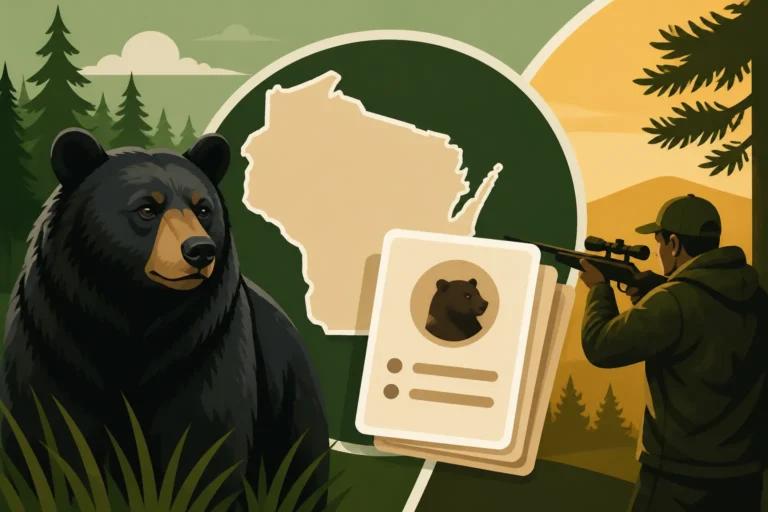
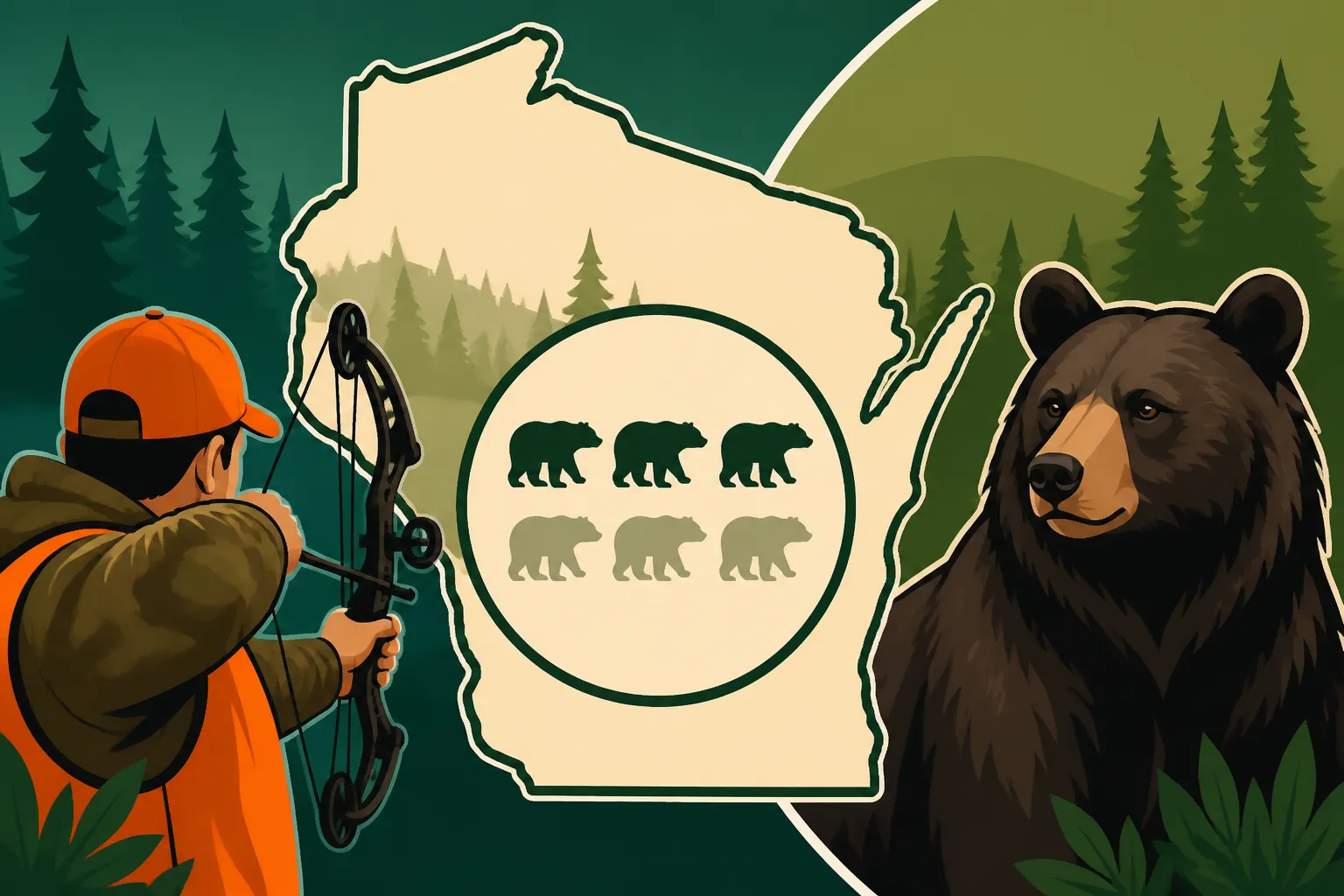
When we talk about the Wisconsin bear harvest quota, we're really diving into the heart of how the state manages its robust black bear population. It's not just a random number pulled out of a hat; it’s a carefully calculated figure designed to maintain a healthy, sustainable bear population while also providing ample hunting opportunities. This balance is key, especially given how popular bear hunting has become here in Wisconsin.
How the Quota is Established Annually
The process of setting the annual bear harvest quota is incredibly detailed, involving a lot more than just looking at last year's numbers. It all starts with extensive data collection by the DNR, which includes things like den surveys, harvest reports from previous seasons, and even public sightings and reports from depredation calls. They use this information to estimate the overall bear population and its health. These population estimates are then fed into sophisticated computer models that help predict population trends, factoring in things like cub production, survival rates, and natural mortality.
Once the scientific data is crunched, the DNR doesn't just make a decision in a vacuum. There's a vital public input phase where proposed quotas for each zone are presented. This is where hunters, landowners, and other interested parties can voice their opinions and provide feedback. The Natural Resources Board then reviews all this information – the science, the public comment, and the recommendations from the DNR wildlife biologists – before finally approving the statewide and zone-specific quotas. It’s a transparent, data-driven, and publicly reviewed process, aiming for the sweet spot where bear numbers thrive, and hunting remains a viable management tool.
The Role of Bear Management Zones
Wisconsin isn't a "one-size-fits-all" state when it comes to wildlife management, and bears are a prime example of this. The state is divided into six distinct bear management zones, each with its own unique habitat characteristics and, consequently, its own bear population dynamics. Zones A, B, and D, located primarily in the northern reaches of the state, are typically our core bear country. They feature vast tracts of national and county forest lands, offering extensive wilderness and prime bear habitat. These zones generally hold the largest bear populations and, as a result, often have higher quotas compared to other areas.
Then you have Zones C and E, which cover parts of central and western Wisconsin, including some of the famed Driftless Area Deer Hunting in Wisconsin. These zones often have a mix of forest and agricultural land, and while bears are present, their densities might be lower, leading to more conservative quotas. Zone F, often referred to as the "farmland zone" in the south, sees the lowest bear densities and therefore the most restrictive quotas. This zonal approach ensures that management efforts are tailored to the specific needs and conditions of the bears in that particular area, preventing overharvest in one region while allowing for appropriate harvest in another where populations can sustain it. You can learn more about The Six Wisconsin Bear Zones in a dedicated resource.
What the Quota Means for Bear Hunters
For many of us who dream of a Wisconsin bear hunt, the harvest quota isn't just an abstract number; it's the gatekeeper to our opportunity. It directly impacts how many hunters get to go afield, how long they might wait for a tag, and ultimately, their chances of success. It’s the driving force behind the competitive nature of the Wisconsin bear draw.
Impact on License Allocation and Preference Points
The statewide and zone-specific quotas are directly tied to the number of Class A bear harvest authorizations (tags) issued each year. If a zone has a quota of, say, 1,000 bears, the DNR will issue a corresponding number of tags, typically slightly more than the quota to account for hunter success rates that aren't 100%. This is where the preference point system comes into play, a system many hunters know all too well. Every year you apply for a bear tag and are unsuccessful, you earn a preference point. These points accumulate, increasing your odds in subsequent drawings.
The higher the demand for a zone and the lower its quota, the more preference points you’ll typically need to draw a tag. For instance, northern zones with their larger bear populations and higher quotas might require fewer points than a highly sought-after permit in a central zone with a lower quota, even if the overall bear population is smaller. It's a system designed to give long-time applicants a better chance, but it also means patience is a virtue, and sometimes, a very long virtue. Understanding How Many People Apply for Wisconsin Bear and tracking your points is crucial. Many hunters use tools like GoHunt's draw odds calculators to get a realistic picture of their chances in specific zones based on current quotas and historical data. This kind of insight helps you decide which zones to apply for, maximizing your odds of finally drawing that tag. Knowing What Happens to Points After You Draw is also important for planning your long-term bear hunting strategy.
Hunter Success Rates and Season Length
One of the great things about Wisconsin's bear quota system is that it contributes to generally high hunter success rates for those lucky enough to draw a tag. Because the number of tags issued is carefully controlled and directly linked to the harvest quota, there aren't an overwhelming number of hunters chasing a limited number of bears. This translates to less pressure per bear and often more productive hunts. We're not talking about a free-for-all; we're talking about a managed, strategic hunt.
The careful management reflected in the quota system also helps maintain consistent season lengths across different methods. Whether you're planning for Bear Hunting With Bait and Dogs in Wisconsin or prefer to still-hunt, the season structure remains relatively stable from year to year because the bear population itself is being sustainably managed. This predictability is a huge benefit for hunters who plan their vacations, scouting trips, and baiting efforts well in advance. Without a robust quota system, bear populations could fluctuate wildly, leading to unpredictable seasons, lower success rates, and potentially even closures. The quota helps ensure that year after year, Wisconsin can offer a high-quality bear hunting experience. You can check Wisconsin Bear Season Dates by Method for specific dates.
Factors Influencing Future Quotas and Hunter Outlook
Looking ahead, the Wisconsin bear harvest quota isn't set in stone for all eternity. It’s a dynamic figure that responds to changes in the bear population, habitat, and even public sentiment. For us hunters, understanding these influencing factors gives us a glimpse into what future seasons might hold.
Population Trends and Data Collection
The DNR's commitment to robust data collection is the backbone of the quota system. They aren't just relying on anecdotal evidence; they're constantly monitoring the bear population through a variety of methods. This includes conducting genetic sampling, analyzing harvest data from previously registered bears, and even tracking nuisance bear complaints to understand population distribution and density across different regions. Winter den surveys are particularly important, as they provide valuable insights into cub production and the overall health of breeding females.
Natural events also play a significant role. A particularly harsh winter, for example, might impact cub survival, which could lead to a slight reduction in future quotas to ensure the population remains strong. Conversely, several mild winters combined with good food sources could see the bear population flourish, potentially allowing for an increase in the harvest quota in subsequent years. This constant vigilance ensures that the quota remains an accurate reflection of the bear population's capacity to sustain hunting pressure. To get a broader picture, you might be interested in reading about How Many Wisconsin Black Bears There Are.
Public Input and Management Objectives
Beyond the biological data, the human element is also critical in setting Wisconsin's bear harvest quotas. The DNR actively seeks public input through various channels, including public meetings, online surveys, and interactions with hunter groups and conservation organizations. These opportunities allow hunters, landowners, and other concerned citizens to share their observations, concerns, and desires regarding bear management. It's not uncommon for landowners in areas experiencing increased bear activity or property damage to advocate for higher quotas, while some conservationists might argue for more conservative approaches.
The overarching management objective is always to balance these diverse interests: maintaining a healthy, sustainable bear population, providing ample recreational hunting opportunities, and mitigating human-bear conflicts, especially in areas where bears are expanding their range. This involves careful consideration of the perceived "carrying capacity" of the land for bears and the social tolerance for bear populations. Staying informed about these discussions, perhaps through a platform like GoHunt that aggregates wildlife news, can give hunters a proactive understanding of potential shifts in quota decisions down the line. It's a testament to Wisconsin's commitment to inclusive wildlife management, ensuring the future of bear hunting for generations to come.
Disclaimer
Please remember that hunting regulations, quotas, and season dates can change. Always consult the official Wisconsin Department of Natural Resources (DNR) regulations and guidelines before planning any hunting trip. This article is for informational purposes only and should not be considered a substitute for official DNR publications.