Why Wisconsin’s Gun Season Runs Nine Days
For many deer hunters, the nine-day Wisconsin gun season is an ingrained tradition, a familiar rhythm to the fall. But if you’ve ever stopped to think about it, you might wonder: why nine days? It's a question that often sparks conversation around deer camp fires, especially when comparing notes with hunters in states that have much shorter or vastly longer gun seasons. The truth is, this specific timeframe isn't arbitrary; it's a carefully balanced act between hunter opportunity, deer herd management, and the deep-seated cultural significance of hunting in Wisconsin. This guide will delve into the history, strategy, and ongoing discussions surrounding the unique nine-day structure of Wisconsin's gun deer hunt.
The Historical Roots of Wisconsin's Nine-Day Gun Season
To truly understand why Wisconsin's gun season is nine days long, we have to rewind the clock a bit and look at how hunting and wildlife management evolved in our state. It wasn't always this way, and the current structure is a testament to decades of learning, adaptation, and a deep-seated respect for both the deer herd and the hunting community.
Early Hunting Traditions and Wildlife Management
Back in the day, when Wisconsin was first settled and even well into the early 20th century, hunting seasons were often far less regulated than they are today. Subsistence hunting was common, and market hunting wasn't unheard of. Deer populations faced significant pressure, leading to periods where the herd was severely depleted in many areas. As conservation awareness grew, and the Wisconsin Department of Natural Resources (DNR) began to form and expand its role, there was a concerted effort to implement more structured seasons to protect and rebuild game populations.
Early seasons were often shorter, sometimes just a few days, and varied wildly by region as managers tried to find the sweet spot to allow for harvest while ensuring the herd could rebound. It was a time of experimentation, of learning what worked and what didn't in the diverse landscapes of Wisconsin, from the sprawling Northern Forest to the fertile farmlands of the south. Hunters themselves played a massive role, often forming clubs and associations that advocated for sensible regulations, demonstrating a collective commitment to the future of the sport.
The Evolution of Season Length
Over time, as deer populations stabilized and even flourished in many parts of the state, wildlife managers sought to optimize the season length. The goal was to provide ample opportunity for hunters, distribute hunting pressure somewhat, and achieve specific harvest objectives. A season that was too short might lead to overcrowded conditions on opening weekend, potentially unsafe hunting scenarios, and insufficient harvest to manage growing deer numbers. Conversely, an overly long season could lead to overharvest, especially in accessible areas, and put undue stress on the deer herd during critical times of the year.
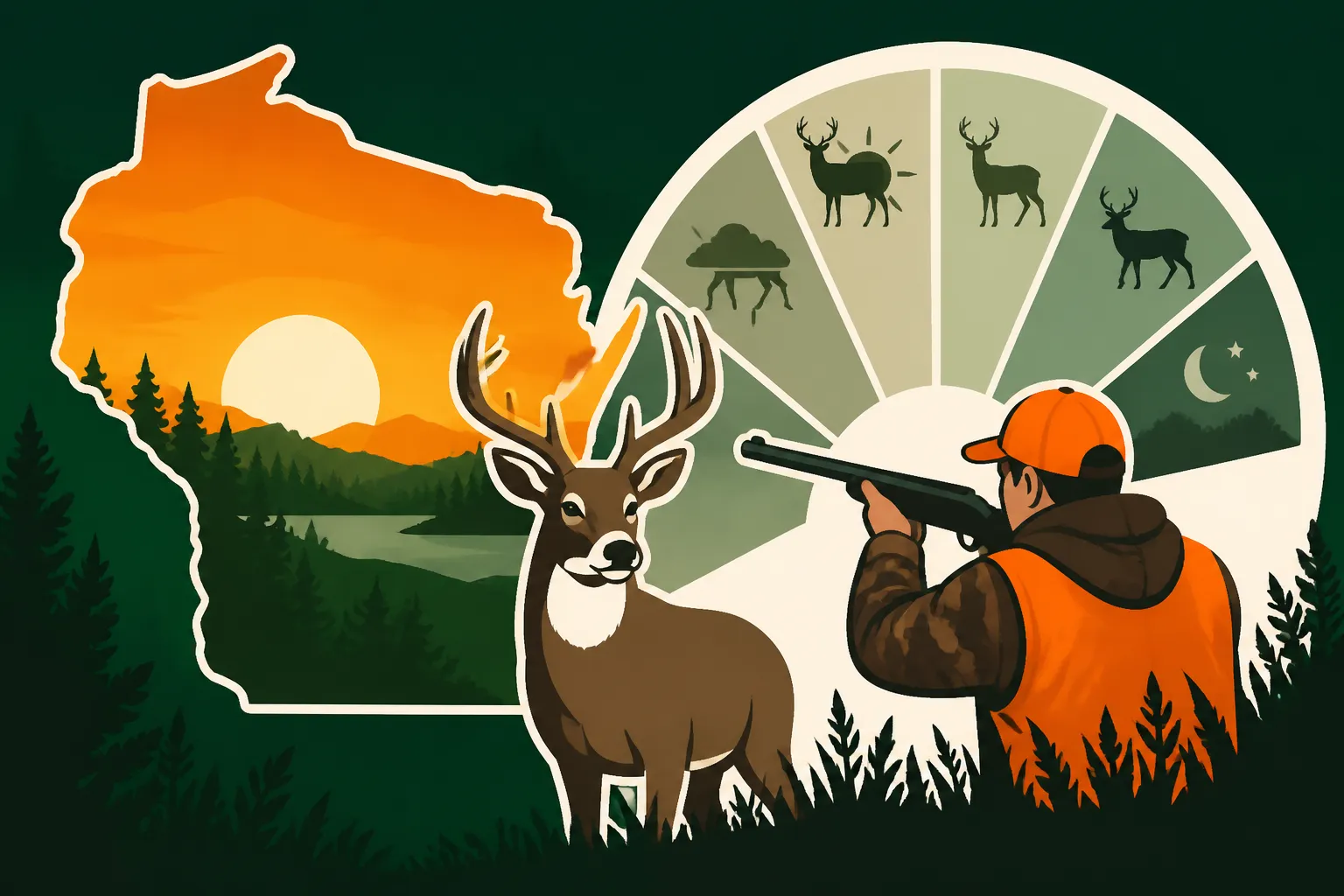
The nine-day structure, typically starting the Saturday before Thanksgiving and running through the following Sunday, emerged as a pragmatic solution. It encapsulates two full weekends, making it accessible for people who work Monday through Friday. This inclusion of two weekends provides flexibility that a shorter, mid-week season wouldn't. It allows families to plan deer camp trips, students to return home from college, and many others to participate in what is often a deeply traditional event. The weekday in between helps to thin out the initial opening weekend rush, offering a different hunting experience for those who can take time off. This length was a compromise, a balance between the desire for ample hunting time and the need for effective population management. It became a hallmark of Wisconsin's Nine-Day Gun Deer Season, a tradition many now can't imagine changing.
Balancing Hunter Opportunity and Deer Management Goals
The nine-day gun deer season isn't just a tradition; it's a core component of Wisconsin's wildlife management strategy, carefully designed to achieve multiple objectives simultaneously. It's a complex dance between giving hunters a fair shake and ensuring the long-term health of the deer herd.
Maximizing Hunter Participation
One of the primary drivers behind the nine-day season is maximizing hunter participation. For many Wisconsinites, the gun deer season is more than just a hunt; it's an annual pilgrimage, a cherished cultural event. By including two full weekends and the intervening weekdays, the DNR significantly increases the window of opportunity for a diverse range of hunters.
Think about it: families can plan a full week at deer camp, building traditions and passing on skills to younger generations. Many take advantage of the middle weekdays when hunting pressure might be slightly less intense, offering a different kind of experience than the hustle and bustle of opening weekend. This extended period accommodates busy schedules, ensuring that people with varying work and family commitments still have a chance to get out into the woods. It's about accessibility, fostering a broad base of support for conservation, and ensuring that hunting remains a vital part of Wisconsin's identity. This inclusiveness is also seen in events like the Wisconsin Youth Deer Hunt, providing special opportunities for younger hunters within the broader season framework.
Addressing Deer Population Dynamics
Beyond hunter opportunity, the nine-day season is a critical tool for deer population management. Wisconsin's deer herd is diverse, with varying densities and habitat types across the state. In some areas, particularly in the Farmland Zone, deer populations can be robust and require significant harvest to prevent overbrowsing, agricultural damage, and the spread of diseases like Chronic Wasting Disease (CWD). A season of this length allows for a substantial harvest, helping the DNR meet its population objectives.
The two-weekend structure, coupled with the weekdays, generally provides enough time for hunters to locate and harvest deer, even if weather conditions are challenging on certain days. It accounts for natural deer movement patterns, which can be unpredictable. While opening day sees the most deer activity due to initial hunter pressure, the subsequent days allow for more strategic hunting, tracking, and understanding how deer adapt to disturbance. This extended window is especially important in regions where deer are highly pressured or in areas designated for higher antlerless harvest to manage herd numbers. Wildlife managers closely monitor harvest data from these nine days to inform future management decisions, including setting quotas for Wisconsin Antlerless Harvest Authorizations.
Economic Impact on Rural Wisconsin
Let's not forget the significant economic ripple effect of the gun deer season, especially in rural Wisconsin communities. This nine-day event is an economic powerhouse. Hunters travel across the state, often staying in motels, cabins, or at their deer camps. They buy gas, groceries, ammunition, gear, and patronize local restaurants and taverns. Every year, millions of dollars flow into these communities during this single season.
Small towns that might otherwise see reduced traffic in late fall experience a massive surge in business, sometimes relying on gun deer season revenue to carry them through quieter months. The length of the season directly correlates with this economic boost; a longer season means more potential nights spent, more meals purchased, and more dollars spent locally. This economic benefit is a strong argument for maintaining the current structure, as it supports countless small businesses and contributes significantly to the state's economy. It's not just about the hunt; it's about the entire ecosystem of small-town life that thrives on this annual tradition.
The Hunter's Experience: Why Nine Days Works (or Doesn't)
The nine-day gun deer season creates a unique hunting experience that evolves from the chaos of opening morning to the strategic quiet of the final days. It's a journey that challenges hunters to adapt, learn, and appreciate the nuances of the Wisconsin woods.
Diverse Hunting Strategies Over the Season
The beauty of the nine-day season lies in the variety of hunting experiences it offers. Opening weekend, especially the first day, is often characterized by high hunter density and increased deer movement due to pressure. Many hunters participate in Deer Drives With Three or Four Hunters on public land, aiming to push deer to waiting standers. It's a high-energy, high-excitement period. The woods are alive with orange, anticipation, and the sound of distant shots. For many, it's about the camaraderie and the shared experience of deer camp.
However, as the week progresses, the woods typically quiet down. Many hunters head back to work, and the hunting pressure subsides. This mid-week period often offers a more tranquil, solitary hunting experience. Deer, having been pushed and educated on opening weekend, become more wary and revert to more natural movement patterns. This is when still-hunting, tracking, or methodical stand hunting in pinch points becomes highly effective. Hunters might focus on natural funnels or less-pressured pockets of cover, learning to read subtle sign left by deer that have settled back into their routines. This is also a great time to focus on specific areas like hunting the Wisconsin Northern Forest for Deer where deep woods demand different tactics.
By the second weekend, another wave of hunters returns, but the dynamic is often different from opening weekend. Deer are even more accustomed to human presence, or conversely, have moved to deeper cover. Hunters who stay persistent and adapt their strategies to late-season food sources and bedding areas often find success. It’s a season that rewards flexibility and resilience, making hunters think beyond just a single weekend's approach.
Navigating Opening Weekend Pressure
The sheer volume of hunters on opening weekend can be both exhilarating and, let's be honest, a little overwhelming. Public land can feel crowded, and even private land often sees an influx of hunters. This concentration of activity, while leading to high initial deer movement, also demands heightened awareness and safety. The woods can feel like a beehive, with hunters moving, shots ringing out, and the general hum of human activity.
For some, this pressure is part of the thrill, a chance to be part of a massive, collective effort. For others, it's a challenge to be navigated. Experienced hunters often plan their opening weekend tactics carefully, seeking out less-pressured pockets of public land or focusing on areas that require a longer walk. Using tools like the GoHunt app to scout public access lands before the season can be invaluable in identifying these less-traveled spots. It’s about managing expectations and understanding that opening weekend is often about the experience as much as the harvest. Knowing when and where to retreat to quieter areas can make all the difference, setting you up for success during the quieter weekdays or the second weekend.
Adapting to Mid-Week and Late-Season Changes
The real test of a hunter's skill often comes during the mid-week lull and the second weekend. Deer have learned to adapt to the initial pressure. They become more nocturnal, move through thicker cover, and use escape routes they might not typically frequent. This is when understanding deer behavior, knowing their bedding areas, and identifying key travel corridors becomes paramount. A successful mid-week hunter might rely more heavily on scouting, reading fresh sign, and understanding wind and thermals, especially when trying to pinpoint where deer go on Where Deer Go on Opening Weekend.
As the season progresses, especially if colder weather or snow moves in, late-season food sources become critical. Deer will be drawn to acorns if available, standing cornfields, or browse in sheltered areas. Hunters who adapt to these changing conditions, focusing their efforts on these vital areas, often fill their tags during the latter half of the season. It’s a period that rewards patience, persistence, and a deeper understanding of the deer's natural inclinations rather than simply riding the wave of opening weekend chaos. The nine-day structure essentially provides multiple "mini-seasons" within one larger framework, each with its own unique challenges and opportunities.
Ongoing Debates and Future Considerations
While the nine-day gun season is deeply ingrained in Wisconsin's hunting culture, it's not without its ongoing discussions and occasional calls for change. The world of wildlife management is constantly evolving, and what works today might need adjustment tomorrow.
The Push for Longer Seasons and Alternative Structures
From time to time, you'll hear whispers or even organized pushes from various groups advocating for changes to the gun season. Some hunters suggest a longer season, perhaps spread out more, or even concurrent with portions of the archery season. The argument often centers on providing even more flexibility for hunters, potentially spreading out pressure further, and aligning with the trends seen in other states. For example, states with very liberal gun seasons often have different deer management challenges and population dynamics.
Others might propose a split season, with an early and late gun hunt, or even a return to more localized season lengths based on deer population trends in specific Wisconsin Deer Management Zones. These discussions often highlight the tension between tradition and the desire for optimization. Hunters, land managers, and wildlife biologists each bring unique perspectives to the table, weighing the benefits of tradition against the potential advantages of new approaches. Ultimately, any significant change to a season as iconic as Wisconsin's nine-day gun hunt would require extensive public input, scientific review, and careful consideration of its impact on both the deer herd and the hunting community.
The Role of Public Input and Scientific Data
The Wisconsin DNR doesn't make decisions about hunting seasons in a vacuum. A crucial part of their process involves gathering public input and relying heavily on scientific data. County Deer Advisory Councils (CDACs), composed of local citizens, play a vital role in recommending antlerless harvest quotas and season structures for their respective counties. These councils consider local concerns, hunter feedback, and biological data, making them an important conduit for the public's voice.
Furthermore, the DNR conducts extensive research, including deer population surveys, harvest registration analysis, and CWD prevalence studies. This scientific data is the backbone of their management decisions, ensuring that policies are grounded in biological realities rather than solely on anecdote or tradition. As deer populations fluctuate, habitat changes, and new challenges like CWD continue to impact the herd, the nine-day season, like all hunting regulations, remains subject to periodic review and potential modification. It’s a dynamic process, and the ability to adapt while respecting tradition is key to the future of hunting in Wisconsin. Hunters can check the GoHunt website for updates on CDAC meetings and public input opportunities to stay informed and have their voices heard on these important issues.
Wisconsin Gun Deer Season at a Glance
This table provides a snapshot of the typical flow of Wisconsin's gun deer season, highlighting the general characteristics and typical hunter experience during each phase.
| Season Phase | Typical Days | Hunter Pressure | Deer Behavior | Common Tactics |
|---|---|---|---|---|
| Opening Weekend | Saturday-Sunday | Very High | Initial movement due to pressure, then wary | Drives, still-hunting, stand hunting near escape routes |
| Mid-Week (Early) | Monday-Tuesday | Moderate-High | Wary, seeking cover, some return to patterns | Still-hunting, tracking, stand hunting funnels |
| Mid-Week (Late) | Wednesday-Friday | Moderate-Low | Highly wary, mostly nocturnal, focused on food | Stand hunting food sources, deep woods scouting |
| Closing Weekend | Saturday-Sunday | Moderate-High | Wary, focused on food and security cover | Stand hunting, focusing on unpressured areas, drives |
Please note that actual conditions can vary significantly based on weather, specific location, and local deer populations.
Disclaimer
The information provided in this article is for general guidance and informational purposes only. Hunting regulations, seasons, and licensing requirements in Wisconsin are subject to change. Always consult the most current Wisconsin Department of Natural Resources (DNR) official regulations and publications before planning any hunting activity. It is the hunter's responsibility to know and follow all applicable laws.