Wisconsin Deer Management Zones
Trying to make sense of Wisconsin's deer management zones can often feel like reading a complicated legal document, leaving many hunters scratching their heads about where to go and what tags they actually need. This confusion isn't just a minor annoyance; it can significantly impact your hunting plans and success, especially with ever-changing regulations. This comprehensive guide will break down the intricacies of Wisconsin's deer management zones, explaining their purpose, structure, and how they directly affect your hunting season.
Understanding the Need for Deer Management Zones
Wisconsin's diverse landscapes, from the dense northern forests to the sprawling southern farmlands, mean that a one-size-fits-all approach to deer management simply won't work. The Department of Natural Resources (DNR) established deer management zones and units to tailor management strategies to the specific ecological, social, and economic conditions of different regions. This system aims to balance a healthy deer population with habitat considerations, agricultural impacts, and hunter satisfaction, which is no small feat.
Historical Context and Deer Population Swings
For decades, Wisconsin has grappled with the complex challenge of managing its white-tailed deer population. Historically, deer numbers in some areas became so high that they caused significant damage to agricultural crops and forest regeneration. On the flip side, some regions have naturally lower deer densities due to less hospitable habitat or harsher winters. This history of fluctuating deer numbers, often leading to public outcry from farmers, foresters, and hunters alike, underscored the necessity for a more localized and responsive management framework. Without these zones, it would be impossible to address overpopulation in one county while simultaneously working to build the herd in another. It's about finding that sweet spot where deer thrive, but don't become a nuisance or, conversely, become too scarce for a sustainable hunting tradition.
Balancing Hunter Opportunity and Ecosystem Health
The core philosophy behind deer management zones is a delicate balancing act: providing ample hunting opportunities for the state's passionate hunting community while simultaneously ensuring the ecological health of Wisconsin's diverse ecosystems. In areas with high deer densities, like much of the farmland zone, robust antlerless harvests are often encouraged to control the population, reduce disease transmission, and minimize damage to crops and young timber. Conversely, in areas like the Northern Forest Zone, where deer survival can be tougher due to severe winters and predation, a more conservative approach might be taken to allow the herd to grow. This nuanced strategy ensures that deer don't overbrowse sensitive habitats, protecting biodiversity, and that hunters continue to have a fulfilling experience, year after year. It's a system designed to be dynamic, adapting to environmental changes, harvest results, and community input, attempting to keep both deer and people in balance with the land.
The Four Primary Wisconsin Deer Management Zones Explained
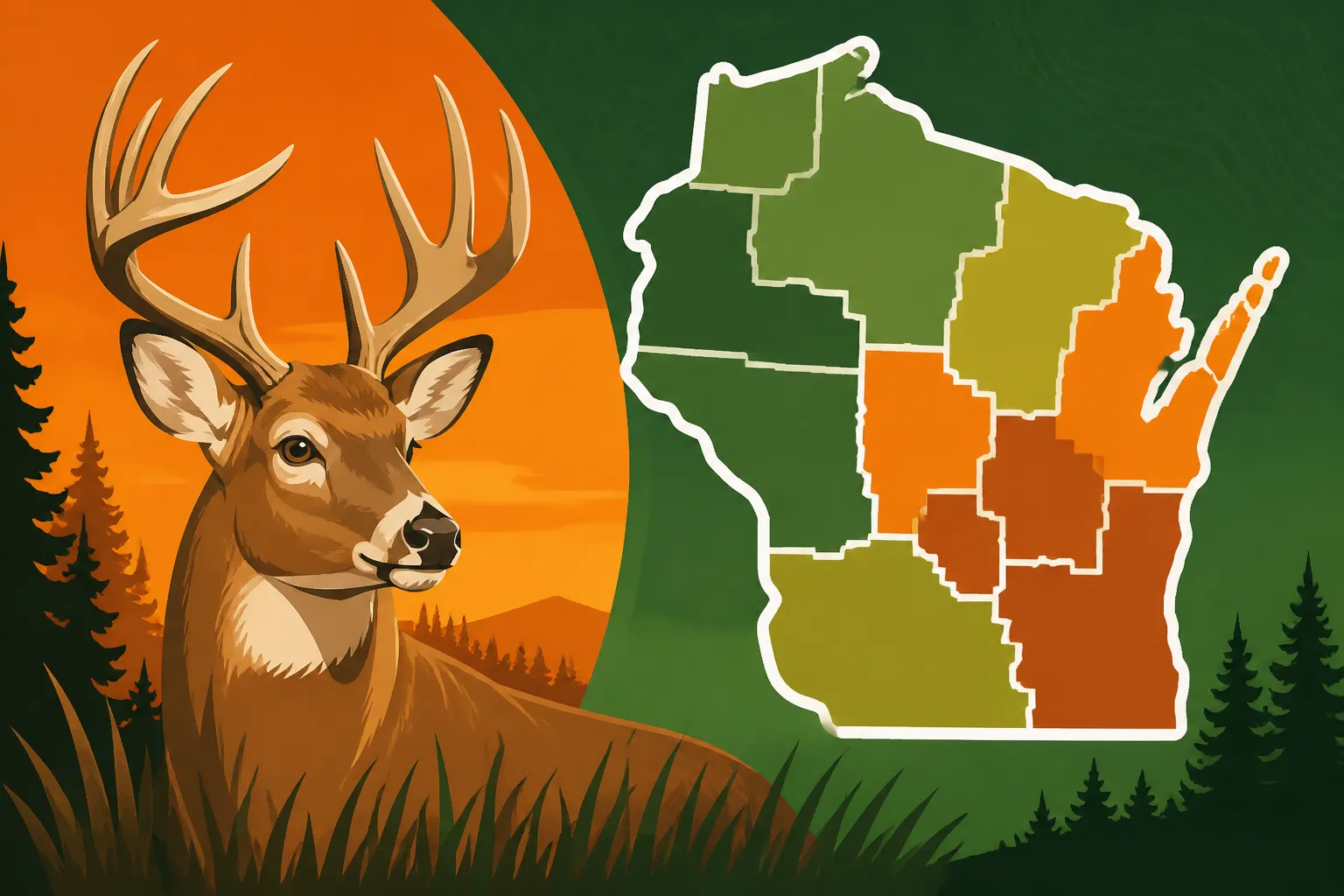
Wisconsin organizes its deer management efforts into four primary zones, each with distinct characteristics and management goals. Understanding these overarching zones is the first step in decoding the local regulations for your specific hunting area. These zones guide broad management decisions and influence the availability of antlerless tags, season structures, and specific rules like baiting bans.
Northern Forest Zone: Unique Challenges and Quotas
The Northern Forest Zone covers the vast, rugged expanses of northern Wisconsin. This region is characterized by dense timber, large tracts of public land, and harsher winter conditions, which naturally limit deer populations. Hunters here often face different challenges compared to their counterparts down south, including lower deer densities, significant predator presence (like wolves and bears), and deep snows that impact deer survival. Consequently, the management approach in this zone is typically more conservative. Antlerless quotas are often much lower, if available at all, and are carefully set to allow the herd to withstand severe winters and rebound. For hunters targeting the big woods, understanding "How Northern Forest Quotas Are Set" is crucial, as it directly impacts tag availability and hunting strategy. Expect fewer deer sightings, but potentially bigger, older bucks that have survived multiple seasons in tough conditions.
When hunting in this zone, particularly areas within the Chequamegon-Nicolet National Forest or extensive county forests, preparation is key. You'll often be walking farther and deeper into cover, where deer density might be lower, but the rewards can be significant. The focus here is often on quality over quantity, with hunters truly earning their deer through diligent scouting and tracking in the vast wilderness. Resources like GoHunt can be invaluable for pinpointing remote public land parcels within this zone, helping hunters find unpressured areas away from popular logging roads.
Central Forest Zone: Transition and Timber Management
Situated south of the Northern Forest, the Central Forest Zone acts as a transitional area, blending characteristics of both northern and southern Wisconsin. This zone includes areas like the Black River State Forest and parts of the Necedah National Wildlife Refuge. While still heavily forested, it often experiences less severe winters than the far north, leading to slightly higher deer densities and different habitat mixes, including pine barrens, oak forests, and wetland complexes. Deer management here considers both forestry concerns and recreational hunting pressure. Timber management practices, such as clear-cutting and prescribed burns, create diverse age-classes of forest that can benefit deer, grouse, and other wildlife.
Harvest quotas in the Central Forest Zone aim to maintain a healthy herd that aligns with timber regeneration goals and reduces browsing pressure on young trees, while still offering good hunting opportunities. Hunters might find a mix of strategies effective here, from still-hunting mature timber to setting up on the edges of clearcuts. Compared to the far north, deer in the Central Forest Zone may experience less pressure from large predators, but still face significant challenges from disease and other environmental factors. Mapping tools, including those available through GoHunt, can help identify recent timber cuts or areas with diverse habitat, which are often prime locations for deer activity.
Farmland Zone: High Density and Agricultural Impacts
The Farmland Zone encompasses the vast majority of southern and western Wisconsin, characterized by fertile agricultural fields, woodlots, and river bottomlands. This zone typically boasts the highest deer densities in the state, driven by abundant food sources (corn, soybeans, alfalfa) and milder winters. While this provides excellent hunting opportunities, it also presents significant challenges related to crop damage and increased risk of disease transmission like Chronic Wasting Disease (CWD). Therefore, deer management in the Farmland Zone prioritizes population control to mitigate agricultural conflicts and maintain herd health.
Antlerless harvest authorizations are usually plentiful in the Farmland Zone, often allowing hunters to fill multiple tags. Hunters often employ strategies like hunting edges of standing cornfields, hunting timbered coulees, or engaging in deer drives on public and private lands. The focus here is often on managing higher numbers of deer, and hunters can experience consistent success if they understand deer movement patterns between food, cover, and water. For those interested in deeper insights, the article on "Hunting Wisconsin Farmland Deer" provides excellent tactical advice for these regions. Given the dense deer populations, understanding local nuances and landowner relations can be especially critical for success.
CWD Zone: Disease Management and Carcass Rules
The CWD Zone isn't a geographical area in the same way the others are, but rather a designation applied to counties where Chronic Wasting Disease has been detected in wild deer, and often to surrounding counties as well. This zone frequently overlaps with the Farmland Zone, particularly in southwestern Wisconsin. Management in CWD zones is heavily influenced by disease surveillance and efforts to limit the spread and prevalence of CWD. This can lead to specific regulations, such as mandatory CWD testing in certain areas, carcass movement restrictions, and, most notably, long-standing baiting and feeding bans.
Hunters in CWD zones face the added responsibility of being part of the solution to a serious wildlife health issue. This might involve voluntarily submitting deer for testing at kiosks or designated stations, following strict rules on "Wisconsin Carcass Movement Restrictions" to prevent spreading the disease to new areas, and adapting hunting methods due to baiting restrictions. While the presence of CWD is a somber reality, hunter participation in management efforts is critical. Tools like GoHunt can sometimes overlay CWD-affected areas, making it easier for hunters to stay informed about the latest regulations and testing sites, such as "Where to Find a Wisconsin CWD Kiosk". These zones highlight the dynamic nature of deer management, where disease prevalence can drastically alter hunting practices and regulations.
How County Deer Advisory Councils CDACs Influence Zones
While the state sets broad management zones, the real local decision-making power regarding deer numbers and tag allocations often rests with the County Deer Advisory Councils, or CDACs. These councils are made up of local citizens, landowners, farmers, hunters, and other stakeholders who provide direct input to the DNR, making the management process more responsive to local conditions.
Local Input and Public Meetings
Each county in Wisconsin has its own CDAC, composed of representatives from various interest groups. These councils hold public meetings where local residents can voice their concerns, share observations about deer populations, and offer suggestions. This local input is incredibly valuable, as these community members are on the ground, witnessing the day-to-day impacts of deer on crops, forests, and their own hunting experiences. They discuss everything from observed deer densities to crop damage complaints and recreational opportunities. The public meetings foster transparency and give hunters a direct line to influence deer management decisions in their own backyard. It’s an opportunity to move beyond anecdotal evidence and discuss tangible data that impacts harvest quotas.
Data-Driven Recommendations for Antlerless Harvest
The CDACs don't just rely on anecdotal evidence; they combine local input with scientific data provided by the DNR. This data includes deer harvest numbers from previous seasons, deer population estimates, antlerless harvest goals, and even public opinion surveys. Based on this comprehensive review, each CDAC develops recommendations for the antlerless harvest quotas for their specific county or Deer Management Unit (DMU) for the upcoming season. These recommendations are then sent to the DNR, which reviews them and typically adopts them, often with minor adjustments. This process directly influences "How Antlerless Authorizations Are Allocated" for different areas and ensures that management strategies are truly tailored to the ecological and social needs of individual counties. Hunters can often find the minutes and recommendations from these CDAC meetings online, offering valuable insights into local deer trends and upcoming tag availability.
Navigating Deer Management Units by County
Beyond the four broad zones, Wisconsin further refines its deer management into smaller, more granular Deer Management Units (DMUs), which often align with county boundaries or specific ecological regions within counties. This is where the rubber truly meets the road for hunters, as DMUs dictate the specific antlerless tags available for purchase.
Finding Your Specific DMU
Understanding which DMU you plan to hunt in is absolutely critical, as regulations and tag availability vary significantly from one unit to the next. While many DMUs align with county lines, some larger counties or those with diverse habitats might be split into multiple DMUs. Conversely, some smaller counties might be combined into a single DMU. The easiest way to pinpoint your specific DMU is by using the official Wisconsin DNR website's interactive mapping tools or by consulting the annual hunting regulations pamphlet. Many hunters also find that modern mapping applications like GoHunt offer overlays that clearly delineate DMU boundaries, making it simple to verify where you are planning to hunt. Knowing your DMU is the first step to knowing what tags you'll need. The resource "Wisconsin Deer Management Units by County" provides a great starting point for this essential information.
Understanding Antlerless Tag Allocation
Once you've identified your DMU, the next step is to understand the allocation of antlerless tags for that specific unit. The CDAC recommendations, approved by the DNR, determine how many antlerless tags are made available for each DMU, and sometimes even specify separate quotas for public versus private land. For instance, a DMU in the Farmland Zone might have hundreds or even thousands of antlerless tags available, whereas a DMU in the Northern Forest Zone might have very few, or none at all. These tags are often sold on a first-come, first-served basis, starting at a specific date.
It's crucial to purchase the correct antlerless tag for the DMU you intend to hunt. Hunting in the wrong DMU with an invalid tag is a violation. Hunters need to stay vigilant about when these sales open, especially for popular or limited units, as tags can sell out quickly. The "Wisconsin Antlerless Harvest Authorizations" guide provides detailed information on how these tags work and how to acquire them. This system is designed to provide targeted management, allowing high harvest in areas needing population control while protecting herds in areas where growth is desired.
Impact of CWD on Zone Management
Chronic Wasting Disease (CWD) continues to be one of the most significant long-term threats to Wisconsin's deer herd, and its presence profoundly impacts deer management strategies across the state, especially within and adjacent to detected CWD areas. The disease directly influences baiting rules, carcass movement, and overall management philosophy in affected zones.
Baiting and Feeding Bans Triggered by CWD
One of the most immediate and impactful consequences of CWD detection in a county is the implementation of baiting and feeding bans. These bans prohibit placing bait (food or minerals) to attract deer for hunting purposes, and also prohibit feeding deer for recreational viewing. The rationale behind these bans is to reduce deer congregation at artificial food sources, which can facilitate the transmission of CWD from deer to deer. When CWD is detected in a county, that county and often its surrounding counties are placed under a multi-year ban. Understanding "How Wisconsin Baiting Bans Are Triggered" and their duration is essential for hunters, as violating these rules carries significant penalties.
For hunters accustomed to using bait, these bans necessitate a complete shift in strategy. It forces a return to more traditional hunting methods, focusing on natural food sources, bedding areas, and travel corridors. While frustrating for some, it encourages a deeper understanding of deer behavior and habitat use. Tools and maps can often highlight which counties are under current baiting and feeding bans, and the information is updated regularly by the DNR.
CWD Testing and Carcass Movement Restrictions
Beyond baiting bans, CWD management includes robust testing programs and strict carcass movement restrictions. Hunters harvesting deer in CWD-affected areas are strongly encouraged, and sometimes required, to submit their deer for CWD testing. This data is vital for tracking the spread and prevalence of the disease. Furthermore, to prevent the accidental introduction of CWD into unaffected areas, strict rules govern the transport of deer carcasses out of CWD zones. Generally, only deboned meat, clean skull plates (antlers), hides, or finished taxidermy mounts can be transported. Whole carcasses are typically prohibited from crossing CWD zone boundaries unless going directly to a licensed taxidermist or meat processor within or adjacent to the CWD zone.
These restrictions, detailed further in "Wisconsin Carcass Movement Restrictions", are critical for containing the disease. It means hunters must plan their processing and transport routes carefully. Many CWD zones have readily available testing kiosks where hunters can drop off samples. Adhering to these rules is not just about compliance; it's a responsible act that contributes to the long-term health of Wisconsin's deer herd and the future of hunting in the state.
Tips for Hunting Effectively Within Zone Regulations
Navigating the various deer management zones and their specific rules can feel overwhelming, but with a bit of planning and the right resources, you can hunt effectively and responsibly.
Using Resources Like GoHunt for Zone Information
In today's digital age, hunters have access to an incredible array of tools to help them understand and comply with zone-specific regulations. The Wisconsin DNR website is always your first and most authoritative source for current regulations, DMU maps, and CWD updates. However, commercial mapping applications, such as GoHunt, have become indispensable for many hunters. These platforms often overlay public land boundaries, private property lines, habitat features, and sometimes even CWD zones or baiting ban areas directly onto satellite imagery.
Before you even step foot in the woods, taking the time to scout your chosen DMU using these digital tools can give you a significant advantage. You can identify potential hunting spots, understand access points, and verify that you're within the correct zone for your tags. Many experienced hunters will save maps of their intended hunting areas offline on their phones, ensuring they have access even when cell service is nonexistent in remote areas of the Northern Forest or Driftless Area. This preparation ensures you're hunting legally and maximizing your chances of success.
Adapting Strategies to Zone-Specific Pressures
Ultimately, successful hunting within Wisconsin's diverse deer management zones comes down to adapting your strategies to the unique conditions and pressures of each area. In the high-density Farmland Zone, you might focus on hunting field edges, creek bottoms, or smaller woodlots, understanding that deer often move between feed and cover with precision. Using a ground blind or a well-placed treestand might be key to catching deer moving during daylight hours. Conversely, when hunting the Northern Forest Zone, where deer densities are lower and pressure can be high near roads, you might need to embrace still-hunting, tracking in snow, or hiking miles back into remote public lands to find unpressured deer. For advice on these more remote areas, consider reading up on "Hunting the Wisconsin Northern Forest for Deer".
The key is flexibility. Don't assume a tactic that works in one DMU will automatically work in another. Pay attention to local habitat, food sources, bedding areas, and the level of hunter pressure. If you're hunting in a CWD zone with baiting bans, shift your focus to identifying natural food sources like acorn flats or browse, and deer sign like scrape lines along logging roads. The more you understand the specific characteristics of your chosen zone and DMU, the better equipped you'll be to adapt your approach and increase your chances of a successful and rewarding hunt.
| Deer Management Zone | Primary Characteristics | Management Focus | Typical Deer Density | Hunter Strategy Implications |
|---|---|---|---|---|
| Northern Forest | Dense timber, harsh winters, large public land tracts, high predator numbers | Herd growth, habitat protection, conservative harvest | Low | Long walks, still-hunting, tracking, patience, focus on quality |
| Central Forest | Transitional forests, mixed habitat, timber management | Balance herd with timber goals, moderate harvest | Moderate | Adapt to timber cuts, diverse habitat, combination of tactics |
| Farmland | Agricultural fields, woodlots, river bottoms, mild winters | Population control, crop damage mitigation, high harvest | High | Field edges, food sources, drives, plentiful antlerless tags |
| CWD Zone | Overlaps other zones, disease detection | CWD containment, surveillance, reduced congregation | Varies | No baiting/feeding, CWD testing, carcass movement rules |
Disclaimer
Please remember that hunting regulations, including deer management zones, unit boundaries, and CWD rules, are subject to change by the Wisconsin Department of Natural Resources. Always consult the official Wisconsin DNR regulations pamphlet or website for the most current and accurate information before planning your hunt. This guide is for informational purposes only and should not be considered a substitute for official state regulations.