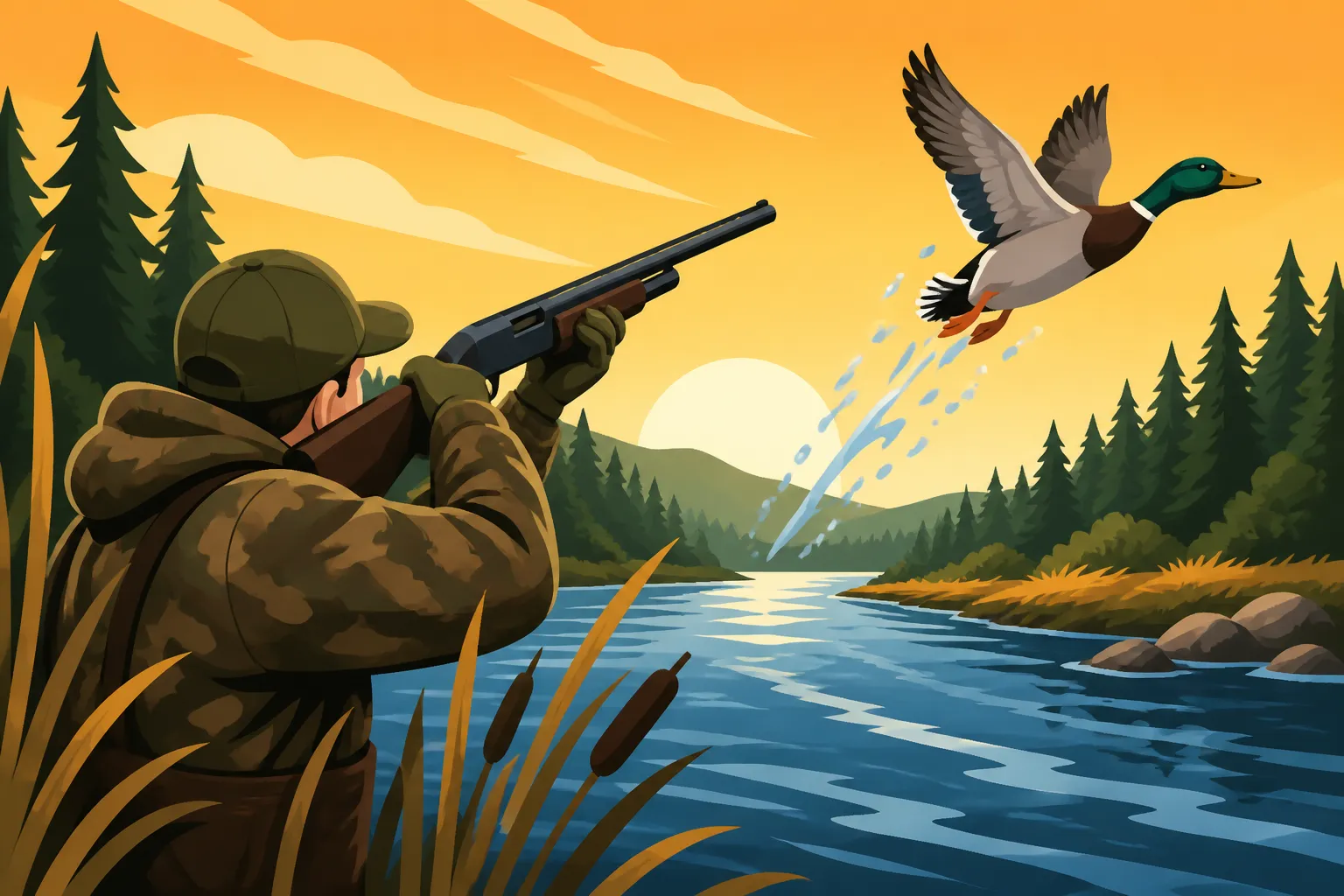
Jump Shooting Wisconsin Rivers
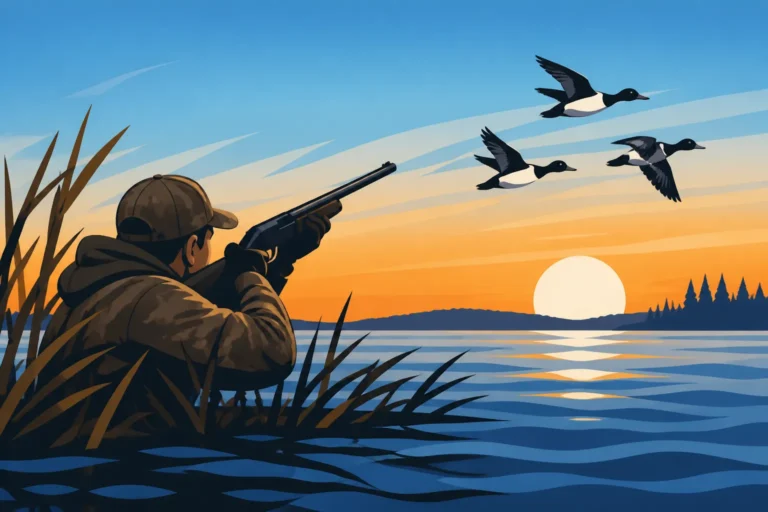
For many waterfowlers in Wisconsin, the thought of duck hunting often conjures images of bustling marsh blinds or cold, early morning sits on vast open water. While those experiences are quintessential, they can also come with a fair share of frustration: crowded launch ramps, competitive decoy spreads, and birds that seem to flair at the slightest hint of pressure. If you're looking for a more solitary, often more action-packed way to chase ducks, then jump shooting Wisconsin's rivers might just be your new favorite pursuit. This guide will walk you through everything you need to know to successfully navigate and hunt these winding waterways, offering a fresh perspective on waterfowl hunting in the Badger State.
Why Jump Shooting Wisconsin Rivers is a Game-Changer
Let's be honest, hunting can sometimes feel like a competition for prime spots, especially when it comes to popular public waterfowl areas. You arrive before dawn, only to find another truck already parked at your favorite access point, or a line of boats waiting to launch. It’s disheartening, and it can really take the joy out of the experience. But what if I told you there's a different way, one that offers solitude, constant movement, and the thrill of flushing birds at close range? That's the magic of jump shooting rivers in Wisconsin.
Instead of waiting for the birds to come to you, you're actively seeking them out. You're covering ground, reading the water, and immersing yourself in the landscape in a way that static blind hunting often doesn't allow. This method taps into a more primal form of hunting, reminiscent of still-hunting for deer, but with the added challenge and reward of working a dynamic water environment. It's an excellent option for those who want to escape the crowds, enjoy a different pace of hunting, and find success on days when marsh birds are wary. Plus, it's incredibly versatile; you can do it solo, with a partner, or even with a well-trained dog.
The sheer network of rivers and streams across Wisconsin means there's almost always a stretch of water less traveled. From the smaller, intimate creeks winding through agricultural fields to the larger, more substantial flows like the Wisconsin River and its numerous tributaries, there's a diverse range of opportunities. These river systems often hold good numbers of ducks, particularly wood ducks and mallards, which love the cover provided by overhanging banks, downed timber, and pockets of slack water. It’s an active, engaging form of hunting that keeps you moving, keeps you warm, and offers a unique perspective on our state's waterfowl resources.
Scouting and Selecting the Right River Stretch
Finding the right stretch of river is paramount to a successful jump shooting experience. You can't just pick any waterway and expect ducks to be everywhere. It takes a bit of homework, much like scouting for deer or turkeys. The good news is, many of the tools you already use for land-based scouting translate perfectly to rivers.
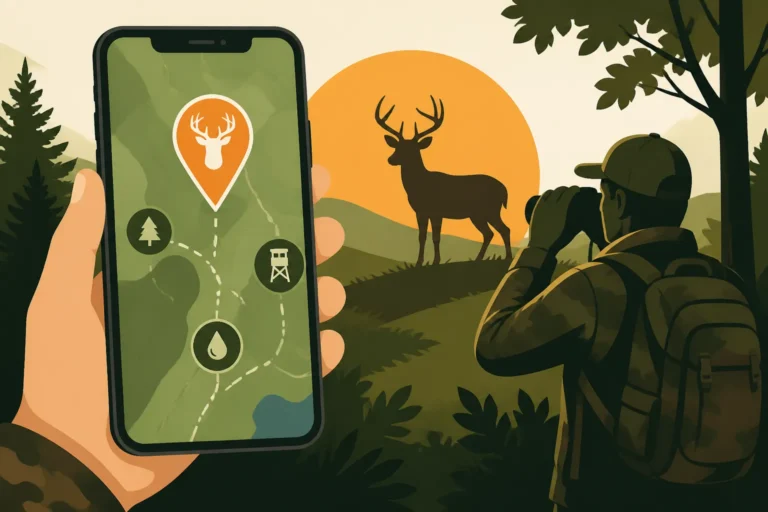
First, let's talk maps. Online mapping tools are your best friend here. Look for rivers that have public access points, such as boat launches, bridges with easements, or sections flowing through state-owned lands. You want stretches with good cover along the banks—think mature trees, brush, and areas where the river twists and turns, creating natural blind spots and calm water pockets. Ducks, especially dabblers like mallards and wood ducks, prefer these areas where they can loaf, feed, and escape detection. Pay close attention to oxbows, backwaters, and sloughs that branch off the main current; these are often prime spots where birds will congregate. Tools like the GoHunt app are incredibly useful for identifying public land boundaries and potential access points, helping you plan your float or walk.
Consider the water conditions. Rivers that are too wide and open offer little cover for ducks, making them less appealing. Conversely, rivers that are too narrow and choked with vegetation might be difficult to navigate. The sweet spot is often a river of moderate width, with varied bankside cover and some slower-moving sections. Pay attention to water levels, too. After heavy rains, rivers can become high and fast, making navigation difficult and pushing birds out of their usual spots. Conversely, very low water might expose mudflats, but also make it impossible to float a boat. Checking stream gauges online can give you a real-time understanding of conditions.
Different river systems hold different types of opportunities. For example, some of the smaller, brushy creeks and streams in the southern half of the state are phenomenal for wood ducks early in the season, while larger rivers, especially those with agricultural fields nearby, will attract mallards throughout the fall. The backwaters of the Mississippi River offer a different jump shooting dynamic, with vast areas of sloughs and channels to explore, which can be fantastic for a variety of species. Knowing the general characteristics of the birds you're targeting and matching them to the habitat available on a given river is key. You'll want to review the official Wisconsin Duck Season Dates by Zone to plan your trips effectively for peak migration.
Reading Aerial Imagery for Productive Water
When you're staring at an aerial map, don't just look for blue lines. Zoom in and dissect the terrain. What you're really hunting for are changes in the river's character. Look for:
- Tight Bends and Curves: These often create slower current on the inside bend and offer secluded pockets. The outside bend might have deeper water and downed trees, creating cover. Ducks will often sit right on these inside turns or behind snags.
- Log Jams and Downed Trees: These natural structures create current breaks and sheltered areas where ducks love to rest. They also provide excellent ambush points if you can approach them quietly.
- Tributary Confluences: Where a smaller stream enters a larger river, it can create a natural funnel for water flow and often deposits sediment, forming small points or eddies. Ducks will stage here.
- Oxbows and Backwaters: These are gold. They're often quieter, shallower, and have more vegetation, making them ideal loafing and feeding areas. If you're Hunting Mississippi River Backwaters, you'll encounter these constantly.
- Overhanging Vegetation: Trees and brush that create a canopy or hang low over the water offer excellent concealment for ducks.
- Nearby Food Sources: Are there agricultural fields (especially corn) adjacent to the river? Ducks will often roost and loaf on the river, then fly out to feed. This helps confirm the river as a preferred habitat.
By meticulously examining these features on a map, you can pinpoint stretches that are most likely to hold birds before you even set foot on the bank. This pre-scouting effort is crucial and will save you valuable time and effort on the water.
Gear Up for a Successful River Hunt
Jump shooting rivers requires a specific gear setup that prioritizes mobility, stealth, and safety. You won't be lugging a dozen decoys or a hefty layout blind, but you'll need the right tools to stay comfortable and effective.
Firearms and Ammunition
Your shotgun should be something you can handle quickly and comfortably. A 12-gauge or 20-gauge pump-action or semi-automatic with a fairly open choke (like Modified or Improved Cylinder) is ideal for the close-quarters, fast-action shots you'll encounter. Because you're almost always taking shots at flushing birds, speed and spread are more important than tight patterns at long range.
When it comes to ammunition, remember that Nontoxic Shot Is Required in Wisconsin for all waterfowl hunting. Steel shot is the most common and affordable option, but bismuth or tungsten-matrix loads offer better performance with less recoil, albeit at a higher cost. For river hunting, 2 ¾-inch or 3-inch shells with 3 or 4 shot are excellent all-around choices for mallards and wood ducks. Carry plenty of shells, as the action can be fast and furious, but also be mindful of weight if you're hiking a long distance.
Waders, Footwear, and Clothing
Staying dry and warm is non-negotiable, especially when you're wading in cold river water. Good quality chest waders are essential. Neoprene waders offer excellent insulation in colder weather, while breathable models are better for warmer early-season hunts. Ensure they fit well and don't restrict your movement. Your boots, whether integrated into your waders or separate, need to have good traction for slippery river bottoms and muddy banks. Consider options designed for walking on rocky or mucky terrain, similar to Boots for Wisconsin Swamps and Snow.
Layering is critical for staying comfortable in Wisconsin's unpredictable fall weather. Start with a moisture-wicking base layer, add an insulating mid-layer like fleece or wool, and top it off with a waterproof and windproof outer shell. Camouflage is certainly helpful, but earth tones or drab greens work perfectly well. Since you'll be moving, you won't need as many heavy layers as you might for a stationary blind hunt, but always bring enough to stay warm if you stop for a break or in case of an unexpected dunk. Remember your Wisconsin Waterfowl Stamp Requirements and carry your licenses with you.
Boats, Kayaks, and Canoes
While you can jump shoot by walking along river banks, a quiet watercraft significantly expands your options. A canoe, kayak, or small jon boat allows you to cover more ground, access areas unreachable by foot, and retrieve downed birds more easily.
- Canoes: Stable and can carry a good amount of gear and another hunter. They require coordinated paddling for stealth.
- Kayaks: Excellent for solo hunters. A sit-on-top kayak can offer more stability and freedom of movement for shooting, but a sit-in kayak keeps you drier. Peddle-drive kayaks are particularly stealthy as they free up your hands.
- Jon Boats: More robust and can handle rougher water, but they are heavier and generally require a small outboard motor, which can be noisy for jump shooting unless you're drifting. A small electric trolling motor can work in quieter sections.
Whatever craft you choose, practice paddling it quietly. Scrapes and bumps against the hull can spook birds miles away. Look for models in subdued colors that blend with the natural environment. Also, ensure your boat is registered and meets all state regulations.
Essential Accessories
- Life Vest (PFD): Absolutely critical, especially in cold water or if you're navigating swift currents. Wear it.
- Dry Bag: For keeping your phone, keys, wallet, and extra clothing dry.
- Knife: A good sharp knife for various tasks.
- Headlamp: For early morning starts or late evening retrieves.
- Whistle: For signaling a partner or in emergencies.
- GPS/Map App: Even if you know the river, a GPS unit or a reliable phone app like GoHunt with downloaded maps can help you track your progress, mark spots, and navigate back to your vehicle. Rivers can look very different from water level, and it's easy to get disoriented.
- Decoys (Optional): While traditional jump shooting doesn't typically involve decoys, a couple of highly realistic, collapsible decoys can sometimes be tossed out if you encounter a large flock or want to try luring a lone bird into range. However, this is more the exception than the rule.
- Dog: A well-trained retrieving dog is an invaluable asset. They can retrieve birds from heavy cover, strong currents, and deep water that you might otherwise lose. Ensure your dog wears a protective vest in cold water and has a bright collar for visibility.
Mastering the Art of the Approach and Shot
Jump shooting is a highly active and tactical form of hunting. It's less about waiting and more about calculated movement, keen observation, and quick reactions.
The Stealthy Approach
This is the cornerstone of jump shooting. Ducks have incredible eyesight and hearing. You need to become one with the river's edge.
- Utilize Cover: Whether you're walking the bank or floating in a boat, use every piece of natural cover to your advantage. High banks, thick brush, overhanging trees, and even subtle changes in terrain can help conceal your approach.
- Work into the Wind: Whenever possible, approach downwind. This carries your scent away from the birds and also often helps mask the sounds of your movement. If you're floating, a slight breeze can even help propel you quietly.
- Silent Movement: If walking, shuffle your feet and avoid snapping twigs. If in a boat, paddle or pole quietly, avoiding scraping against the bottom or sides. Think about the rhythm of the water and try to blend your movements with it.
- Eyes and Ears First: Constantly scan ahead, especially around bends, log jams, and any pockets of slack water. Look for movement, ripples, or even just the subtle outline of a duck's head. Listen for quacks, splashes, or the rustle of wings. Many times, you'll hear birds before you see them.
- Slow Down at Key Spots: As you approach a likely duck-holding area, like a tight bend or a tributary mouth, slow your pace to a crawl. Anticipate where the birds might be and prepare for a flush.
Reading the Water and Bird Behavior
Understanding where ducks prefer to sit on a river is crucial. They seek out calm water, safety, and food.
- Slack Water and Eddies: These are prime loafing and feeding areas. Look for them downstream of obstructions, on the inside of bends, or in backwater channels. The current is minimal, allowing birds to rest and feed without expending too much energy.
- Covered Edges: Ducks will often sit right against the bank under overhanging branches or next to downed trees. This provides a sense of security from aerial predators and hunters on the bank.
- Sun and Wind Protection: On cold, windy days, ducks will often tuck into spots that offer shelter from the elements. A sunny, protected bank can be a magnet for birds.
- Anticipate the Flush: When you spot ducks, try to predict their escape route. Will they fly upstream or downstream? Often, they'll follow the river's course for a short distance before gaining altitude and changing direction. Being ready for this initial burst is key.
The Shot
Jump shooting is all about quick, instinctual shooting. When ducks flush, they'll do so with surprising speed and often from close range.
- Mount Quickly, Shoot Smoothly: Practice quickly shouldering your shotgun. Focus on the lead bird, swing through it, and pull the trigger. Don't stop your swing.
- Take the Ethical Shot: Only take shots at birds within your effective range (typically 30-40 yards for steel shot). Aim for the head and neck area or the front half of the bird for a clean kill. Avoid "hail mary" shots at long-distance birds.
- Mark Your Bird: If you drop a bird, immediately mark where it fell. Note any landmarks on the bank. In a river, a downed bird can drift quickly, especially in current. A retrieving dog is invaluable here. If hunting solo, drop a marker or use your GPS to mark the spot.
Safety Considerations
River hunting, while rewarding, comes with inherent risks.
- Cold Water Immersion: The biggest danger. Wear a life vest. If you fall in, remain calm, get back into your boat or to shore as quickly as possible, and have a plan for getting warm and dry. Carry extra dry clothes in a sealed bag.
- River Hazards: Watch out for strainers (fallen trees that can trap you or your boat), rapids, shallow spots, and submerged obstacles. Know the river before you go.
- Shooting Lanes: Be acutely aware of what's downstream and around you. Your shooting lane can change quickly on a winding river. Never shoot towards houses, roads, or other hunters. Remember that sound travels far over water.
- Hunting with a Partner: It's always safer to hunt with a buddy, especially on a river. You can help each other spot birds, coordinate your approach, and assist in an emergency.
- Tell Someone Your Plan: Always let someone know where you're going, your planned route, and when you expect to return.
- Legal Shooting Hours: Be aware of legal shooting hours for waterfowl. They can vary slightly throughout the season.
Jump shooting Wisconsin's rivers offers a thrilling and productive alternative to traditional waterfowl hunting. It demands skill, patience, and a deep appreciation for the dynamic river environment. By carefully scouting, gearing up correctly, and mastering the art of the stealthy approach, you'll unlock a whole new dimension of hunting enjoyment.
Disclaimer
Please ensure you are familiar with all current Wisconsin Department of Natural Resources (DNR) regulations and licensing requirements before engaging in any hunting activities. Hunting laws and seasons can change, so always check the latest official DNR publications. This guide is for informational purposes only and does not substitute for proper hunter education or adherence to all legal requirements.