Following a Bear Race by Truck and GPS
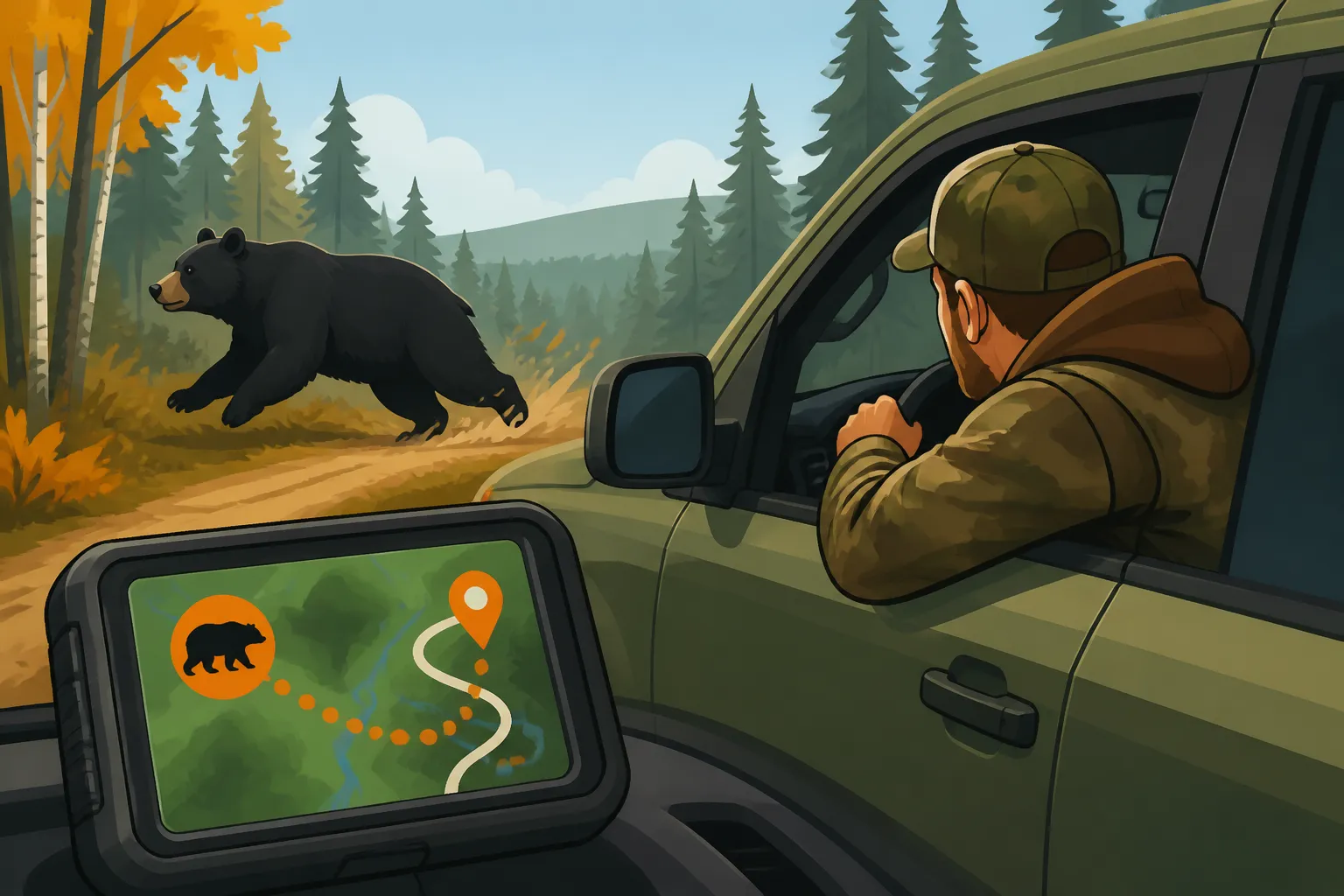
The thrill of a bear chase, with the baying of hounds echoing through the vast Wisconsin wilderness, is an experience unlike any other. However, keeping up with a pack of determined hounds on the trail of a black bear is a monumental challenge that can quickly turn frustrating as they cover ground rapidly and disappear into dense cover. This guide aims to equip you with the knowledge and strategies necessary to effectively follow a bear race by truck and GPS, ensuring you stay connected to your pack and successfully reach your quarry.
Understanding the Wisconsin Bear Race Dynamic
Bear hunting with hounds in Wisconsin is a deeply rooted tradition, especially in the northern reaches of the state. It's an active, high-energy pursuit that relies heavily on the instincts of well-trained dogs and the strategic thinking of hunters.
The Role of Hounds in Bear Hunting
Hounds are the heart and soul of a bear hunt with dogs. These animals are specifically bred and trained for their scenting abilities, endurance, and their distinctive bay that alerts hunters to the progress of the chase. They are not merely pets; they are highly specialized athletes and indispensable partners. In Wisconsin, hounds are often started on bear bait sites or on fresh tracks, and once they hit the scent, they're off. Their job is to track the bear, push it, and eventually corner it, often "treeing" it (forcing it up a tree) or "baying" it on the ground, holding it at bay until the hunters arrive. This can take minutes or hours, and the bear might lead the dogs on a chase spanning many miles across incredibly rugged country. It's a testament to both the dogs' tenacity and the bears' cunning. If you're looking to dive deeper into the experience, our guide on Running Bear Hounds in Northern Wisconsin offers a wealth of additional insight into this unique method.
The Challenge of Following Fast-Moving Dogs
The biggest frustration for any hound hunter is losing track of their pack. These dogs are built for speed and endurance, capable of traversing swamps, scaling ridges, and plunging through thick brush that would stop a human dead in their tracks. Bears, too, are incredibly powerful and smart, often leading dogs through the nastiest, most inaccessible terrain to shake them. This means that while your dogs are covering miles through the woods, you, as the hunter, are often confined to roads, trails, or whatever sparse openings the landscape offers. The gap between your location and your dogs' location can widen rapidly, leaving you guessing about their direction and the bear's movements. This is precisely why modern technology, combined with strategic driving and a deep understanding of the local landscape, becomes absolutely critical. Without a robust system in place, you risk a long, anxious wait for your dogs to return or an even longer, more difficult search for them in the dense woods.
Essential Gear for Tracking Hounds by Truck and GPS
Successfully following a bear race requires more than just good dogs and a keen eye. It demands reliable technology and a capable vehicle to navigate Wisconsin's diverse and often challenging terrain.
Reliable GPS Tracking Systems
In the world of hound hunting, a reliable GPS tracking system isn't a luxury; it's a necessity. The market offers several excellent options, with Garmin being a dominant player. Systems like the Garmin Alpha 300, Alpha 200i, or the older but still effective Astro 430, consist of a handheld unit and specialized collars for each dog. These collars transmit real-time location data to your handheld, allowing you to see exactly where your dogs are, their speed, direction, and even if they're treed or bayed.
When choosing a system, consider the range it offers. In thick Wisconsin cover, signal can be obstructed, so a system with strong signal acquisition and retention is paramount. Battery life for both the handheld and the collars is another critical factor; you don't want your equipment dying mid-chase, especially if the dogs are out for hours. Some systems offer in-unit mapping, which is incredibly useful for visualizing the chase on a topographic or satellite map. Many hunters will pair these dedicated GPS units with robust mapping applications on their smartphones, such as GoHunt. While GoHunt is primarily known for its advanced western hunting mapping features, its detailed topographic maps, private/public land boundaries, and satellite imagery can be an invaluable supplement to a dedicated dog tracking GPS, especially when planning interception points or identifying potential access roads. Having multiple layers of mapping can provide a significant advantage in understanding the terrain your dogs are covering and where the bear might be headed.
The Indispensable Role of the Truck
Your truck isn't just transportation; it's your mobile command center and essential recovery vehicle. In Wisconsin's bear country, particularly in the northern counties like Forest and Florence County Ground, the roads can range from paved highways to barely-there logging trails, deep sand pits, and rocky, mud-filled tracks. A capable 4×4 vehicle with good ground clearance is non-negotiable.
Before heading out, ensure your truck is in peak condition. This means fresh oil, properly inflated tires, and a full tank of gas. Carry a spare tire, a jack, and the necessary tools for a quick change. Recovery gear like a tow strap, a winch (if possible), and a shovel can be lifesavers when you inevitably encounter challenging conditions. Communication is also vital. While cell service can be spotty or non-existent in many remote areas, a satellite messenger or a powerful two-way radio system (like a GMRS or VHF radio, especially if operating on designated frequencies with your team) can keep you connected when cell signals vanish. Don't forget a first-aid kit, emergency food and water, and warm clothes, as chases can extend for hours or even lead you far from civilization. Our detailed guide on GPS Collars and Wisconsin Bear Hounds explores more about integrating these technologies for optimal results.
Mapping and Navigation Tools Beyond GPS
While your GPS dog tracker is essential, don't put all your eggs in one basket. Modern digital mapping apps, often run on smartphones or tablets, offer incredible detail and functionality. Apps like GoHunt provide detailed topographic maps, aerial imagery, and critical land ownership data. This last point is crucial in Wisconsin, where public land often borders private parcels, and knowing boundaries is key to avoiding trespass.
These apps allow you to mark your vehicle's location, plot potential interception routes, and identify public access points like those found on Wisconsin Public Access Lands Maps. Before you even hit the woods, you can use these tools to scout potential access roads, predict bear travel corridors (e.g., along creek bottoms, ridge lines, or through dense cedar swamps), and identify safe turn-around points or areas where dogs might cross roads. Always download offline maps for your hunting area, as cell service will almost certainly fail in critical moments. A physical paper map, laminated and kept dry, should always be in your pack as a fail-safe against technology glitches, dead batteries, or dropped devices. This multi-layered approach to navigation gives you the confidence and preparedness needed to keep up with the chase.
Strategic Techniques for Effective Tracking
Once the hounds are off and running, it's not just about driving aimlessly; it's about strategic movement, anticipation, and seamless teamwork.
Reading Dog Behavior and Direction
The data streaming from your GPS collars isn't just a dot on a screen; it's a narrative of the chase. Learning to interpret this information is a critical skill. Pay attention to the dogs' speed. If they're moving fast and consistently, the bear is likely running, and you'll need to move quickly by truck to get ahead or parallel to them. If their speed drops, or they start moving erratically, the bear might be circling, slowing down, or entering a thicket. When the GPS indicates they are "treed" or "bayed" (often signified by a specific tone or icon on the handheld), their position will become stationary, and the baying sound will be intense and continuous. This is your cue to pinpoint their location and plan your approach.
Anticipating bear movement also comes with experience. Bears often travel along natural corridors, like ridgelines, creek beds, or dense cover. They tend to avoid open fields if possible and might use thick swamps or clearcuts for escape. If your dogs are heading towards a major road or a known area of heavy human activity, you might need to try and get ahead of them to prevent the bear from crossing or to ensure dog safety. Understanding Where Wisconsin Bears Range can give you a predictive edge in knowing where they might try to escape.
Coordinating with Your Hunting Team
Bear hunting with hounds is almost always a team effort. Effective communication and coordination are paramount. Before the chase even begins, establish clear roles: who is driving, who is monitoring the GPS, who is on foot with the dogs, and who is scouting ahead. Use two-way radios to stay in constant contact, especially in areas without cell service. Share GPS coordinates or drop pins on your mapping apps like GoHunt to show everyone the current situation and proposed movements.
Often, one truck will take the most direct route available while another might swing wide to try and cut off the bear's anticipated escape route. This requires pre-planning and a shared understanding of the area. Establish rendezvous points or designated checkpoints, especially if you anticipate splitting up. A clear plan helps avoid confusion, reduces wasted time, and increases the chances of a successful and safe recovery of both bear and dogs. Our article on How a Wisconsin Bear Hound Race Works further emphasizes the teamwork involved in these hunts.
Navigating Wisconsin's Diverse Terrain
Wisconsin's landscape varies dramatically, from the dense, managed forests of the north to the rolling farmland and coulees of the Driftless Area. Each presents unique navigational challenges when following hounds. In the Northern Forest, you'll be dealing with a labyrinth of logging roads, many of which are unmaintained, heavily rutted, or gated. Knowing which roads are open to public access and which are private or seasonal is crucial. ATV Rules on Wisconsin Forest Roads can provide insight into limitations for certain vehicles on these routes.
In other areas, you might encounter swamps, river bottoms, or steep, wooded hillsides. Your truck may not be able to follow the dogs directly through these, forcing you to find a distant access point. This is where detailed topographic maps and aerial imagery on your GoHunt app or similar tools become invaluable for finding the path of least resistance. You might have to park your truck and proceed on foot for a considerable distance, so be prepared with appropriate gear for hiking through tough terrain. Always be mindful of private land boundaries, which can often cut through remote areas. Being prepared for diverse conditions is key to reaching your dogs and the treed bear, whether you're navigating deep woods or winding county roads. For those considering the various methods, understanding Bear Hunting With Bait and Dogs in Wisconsin can help prepare you for the typical scenarios encountered.
Safety and Ethics on the Chase
The excitement of the chase can sometimes overshadow critical aspects of safety and ethical conduct. A responsible hound hunter always prioritizes safety for themselves, their team, their dogs, and the public, while also respecting the land and wildlife.
Prioritizing Hunter and Public Safety
Following a bear race by truck often means driving on unpaved, sometimes dangerous roads. Maintain safe speeds, especially around blind corners or crests, as other hunters, logging trucks, ATVs, or even hikers may be present. Always be aware of your surroundings, and never drive recklessly.
When the chase leads near populated areas or main roads, exercise extreme caution. Bears can cross roads unexpectedly, and dogs might follow. It's crucial to minimize any potential risk to the public. If you anticipate intercepting a bear near a road, have spotters ready to alert traffic. Firearm safety is also paramount. When approaching a treed or bayed bear, ensure all firearms are handled safely, pointed in a safe direction, and only discharged when a clear, ethical shot is presented, with a safe backstop. Remember, the goal is a responsible harvest, not a reckless one.
Respecting Land and Regulations
Wisconsin has specific rules for hunting with hounds and for accessing public and private lands. Always adhere to vehicle access rules on public lands, such as national or county forests. Some roads might be seasonal, gated, or restricted to non-motorized use. Ignorance is not an excuse for violating these rules. Before you go, consult with the Wisconsin DNR's Wisconsin Public Access Lands Maps or contact the local ranger district for current access information.
Additionally, be acutely aware of baiting and feeding bans in certain counties due to Chronic Wasting Disease (CWD). While you're not technically baiting when running hounds, understanding these regulations is part of responsible hunting in Wisconsin. For instance, knowing the Wisconsin Bear Baiting Start Date is crucial if you are training your dogs on bait. Always obtain explicit permission before entering private land, even if your dogs simply cross onto it during a chase. Respecting landowners and their property is essential for maintaining positive hunter-landowner relationships. Also, be mindful of how your activities might affect other hunters or outdoor enthusiasts. Minimize noise pollution and leave no trace of your presence. Responsible dog handling also extends to their well-being; ensure they have access to water, are not overworked, and are promptly recovered after a successful chase or if they get separated. Understanding the specific Wisconsin Bear Season Dates by Method is also critical to ensure you are hunting legally.
Comparison of Popular GPS Tracking Systems
| Feature | Garmin Alpha 300 | Garmin Alpha 200i | Garmin Astro 430 | GoHunt App (Supplementary) |
|---|---|---|---|---|
| Primary Function | Dog Tracking & Training (Advanced) | Dog Tracking & Training (Integrated InReach) | Dog Tracking (Dedicated) | Detailed Mapping, Land Ownership, Scouting |
| Connectivity | GPS/Galileo (collars), Wi-Fi, Bluetooth | GPS/GLONASS (collars), Wi-Fi, Bluetooth, InReach | GPS/GLONASS (collars) | Cellular/Satellite (for maps), GPS (device's) |
| Mapping | Preloaded TopoActive maps, Satellite imagery via Wi-Fi | Preloaded TopoActive maps, Satellite imagery via Wi-Fi | Basic preloaded TOPO 100K maps | High-res Satellite, Topo, Public/Private Land, Waypoints |
| Dog Capacity | Up to 20 dogs | Up to 20 dogs | Up to 20 dogs | N/A (uses device's GPS for user tracking) |
| Battery Life | Handheld: up to 55 hrs; Collars vary (e.g., K 5X: 80 hrs) | Handheld: up to 35 hrs (InReach off); Collars vary (e.g., T 5X: 80 hrs) | Handheld: up to 20 hrs; Collars vary (e.g., T 5: 20-40 hrs) | Varies by phone/tablet, heavy use drains fast |
| Key Advantage | Most advanced, user-friendly, robust tracking | InReach satellite communication for remote areas | Cost-effective, reliable core tracking | Unmatched map detail, planning features, offline maps |
| Limitations | Higher cost | Higher cost, InReach subscription required | No Wi-Fi, older interface, no InReach | Requires smartphone/tablet, not primary dog tracking |
Disclaimer
The information provided in this guide is for informational purposes only and is not a substitute for official regulations, hunter safety courses, or professional guidance. Hunting laws and regulations in Wisconsin can change, and it is the responsibility of every hunter to consult the latest Wisconsin Department of Natural Resources (DNR) guidelines and obtain all necessary licenses and permits before engaging in any hunting activities. Always prioritize safety, ethical hunting practices, and respect for wildlife and the environment.