Getting a Deer Out of a Wisconsin Swamp
There’s almost nothing quite as soul-crushing as making a perfect shot on a Wisconsin whitetail, watching it disappear into a dense cedar swamp or a tangled cattail marsh, and then realizing the real work—the hard work—is just beginning. Recovering a deer from a wet, mucky, and often treacherous swamp environment can be one of the most physically demanding and frustrating experiences a hunter faces. This guide aims to equip you with the knowledge, tools, and strategies you need to tackle these daunting recoveries safely and effectively, ensuring your hard-earned venison makes it out of the backcountry.
The Unique Challenges of Swamp Deer Recovery
Wisconsin's diverse landscape means hunters often find themselves in close proximity to vast wetlands, dense cedar swamps, and sprawling cattail marshes. While these areas can be incredible places to find deer, especially during the rut when bucks are cruising for does or seeking refuge from hunting pressure, they present a formidable challenge when it comes to getting your game out.
Navigating the Treacherous Terrain
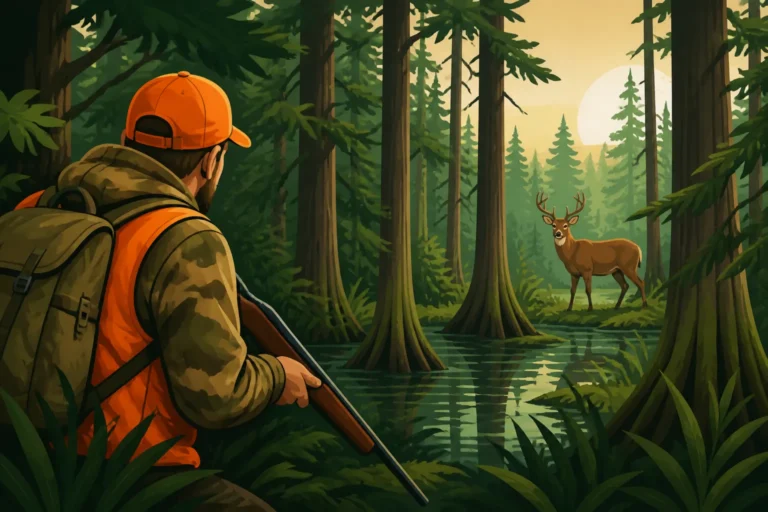
Imagine you've just tracked your deer for a hundred yards, only to find the blood trail leading straight into a seemingly impenetrable wall of tag alders and submerged cedars, with water visibly standing in the depressions. This isn't just a walk in the woods; it's an obstacle course designed by nature itself to make deer recovery as difficult as possible. The ground is rarely solid, ranging from knee-deep muck that sucks at your boots with every step to hidden logs and stumps waiting to trip you up.
Dense vegetation, like cattails, dogwoods, and thickets of alder, can be incredibly disorienting. What seems like a short distance on an aerial map can feel like miles when you're pushing through chest-high brush, trying to maintain your balance while carrying equipment and potentially dragging a heavy animal. Visibility often drops to mere feet, even in broad daylight, making it easy to lose your sense of direction or even miss the deer itself if it's tucked away in a thicket. You might think you're heading straight for the nearest high ground, only to find yourself going in circles. The reality of hunting the northwoods often involves navigating these tricky spots, where a deer might choose to bed down or escape to cover. For more insights into these challenging habitats, you might want to read about Still-Hunting Wisconsin Cedar Swamps.
The Physical and Mental Toll
Retrieving a deer from a swamp is not just a physical endeavor; it's a mental one. The sheer exhaustion from battling the mud, water, and thick cover can quickly lead to fatigue, muscle strain, and even injury. You're constantly lifting your feet from the sticky mud, pushing branches out of the way, and trying to avoid stepping into unseen holes. This isn't like dragging a deer across a clear-cut or an open field.
Beyond the physical exertion, there's the creeping frustration and the pressure to recover your animal before spoilage, especially if it's a warmer early season day. The adrenaline from the shot quickly gives way to a grinding determination, and it's easy to make hasty decisions when you're tired and cold. Hypothermia is a real concern if you get wet in cooler temperatures. Many hunters have found themselves questioning their life choices while trying to extract a deer, debating if it's even possible to get it out without calling in an entire search party. This is a common part of the Wisconsin Deer Camp Traditions for many.
Essential Gear for Swamp Extractions
Going into a swamp unprepared is like heading into a knife fight with a spoon. You're likely to get hurt, exhausted, and potentially lose your prize. Having the right gear, and knowing how to use it, can make all the difference between a successful, albeit arduous, recovery and a miserable, perhaps futile, effort.
Personal Protective Equipment and Navigation
Your personal gear is paramount when venturing into the mucky unknown. First and foremost, you need to stay dry and mobile. Chest waders are often non-negotiable in many Wisconsin swamps, providing crucial protection against cold water and mud. Even if you don't anticipate deep water, the ability to wade through shallow sloughs or over submerged hummocks without getting soaked is invaluable. Pair these with waterproof boots that offer good ankle support and traction; sinking into the mud is unavoidable, but proper footwear can mitigate the risk of injury. For specific recommendations, check out Boots for Wisconsin Swamps and Snow.
Navigation is another critical component. Swamps are disorienting, and it's incredibly easy to get turned around, especially when you're focused on a blood trail or the deer itself. A reliable GPS unit or a mapping app on your phone, like GoHunt, is absolutely essential. Before you even head out, mark your entry point and any known access routes. Once you locate the deer, mark its position immediately. This allows you to plan the best egress route, even if it's not the path you took in. Utilizing tools like GoHunt or other navigation apps to scout aerial imagery beforehand can give you a crucial advantage, helping you identify potential access points, high ground, or less dense sections of the swamp. Don't forget a powerful headlamp or flashlight, even during daylight hours; dense swamp cover can make it surprisingly dark, and recoveries often extend into dusk or beyond.
Tools for Moving the Deer
Once you've located your deer, the challenge shifts to physically moving it. Attempting to drag a whole deer through deep mud and tangled brush with just a rope is an exercise in futility and extreme frustration. This is where specialized tools shine.
A good deer sled is a game-changer. Look for heavy-duty plastic sleds designed for snow and mud, ideally with a raised front to prevent digging in. Some models are specifically designed with lower profiles and more durable construction for marsh conditions. Even a heavy-duty tarp can work in a pinch, though it won't glide as easily. Ensure your drag ropes or harnesses are strong and comfortable. Shoulder straps distribute the weight better than just pulling with your hands, saving your back and arms. Having multiple ropes can also be beneficial if you're working with a partner. For more general advice on these tools, you can explore Deer Sleds for Snow Country. A small, sharp fixed-blade knife is indispensable for field dressing. If you're considering the gutless method to lighten the load, having a few extra game bags to protect the quartered meat is a smart move, especially if you anticipate multiple trips or prolonged exposure to the elements.
| Recovery Method/Tool | Pros | Cons | Ideal Scenario |
|---|---|---|---|
| Whole Deer Drag (Traditional) | Simple, minimal processing needed. | Extremely heavy, difficult in deep mud/tangle. | Short distance to clear ground, firm terrain. |
| Gutless Method (Quartering) | Significantly reduces weight, easier to move in pieces. | Requires more processing time in the field, more gear (bags). | Long distance, difficult terrain, solo hunter, warm weather. |
| Deer Sled | Glides over obstacles, protects carcass from dirt. | Can still get stuck in deep mud, bulky to carry in. | Mixed terrain, ice, snow, firm mud, working with a partner. |
| Heavy-Duty Tarp | Lightweight, versatile, inexpensive. | Can snag on brush, offers less protection from obstacles. | Last-minute solution, short distance, less dense cover. |
| Game Cart | Great for groomed trails/roads. | Useless in deep mud, difficult to maneuver in thick brush. | Transporting deer to the swamp edge, not through it. |
| Team Drag | Shares the load, provides more pulling power. | Requires coordination, more people, larger footprint. | Any difficult swamp recovery where help is available. |
Strategic Recovery Methods
Once you're in the thick of it, having a plan and knowing a few strategic maneuvers can turn a seemingly impossible task into a challenging but achievable one. Whether you're hunting solo or with a crew, there are approaches that can save you significant time and energy.
Solo Hunter Techniques
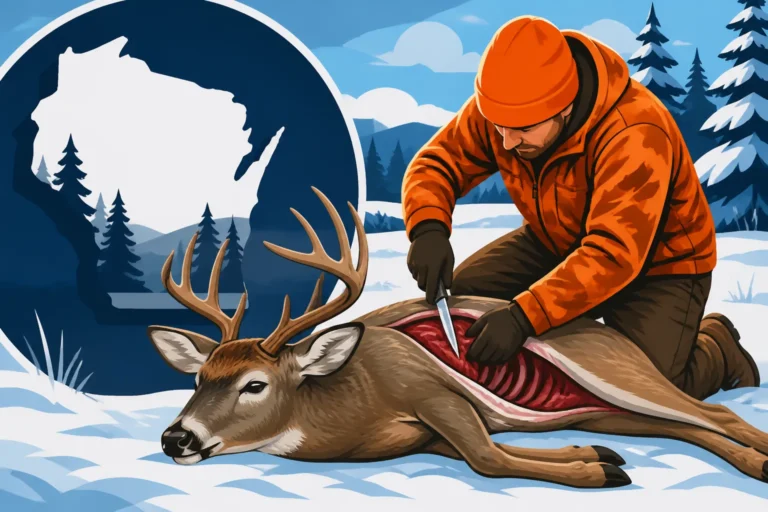
Hunting alone offers incredible solitude, but when it comes to recovering a deer from a swamp, it amplifies the difficulty immensely. The most effective strategy for a solo hunter is almost always to reduce the weight of the deer. This means performing the "gutless method" on site. Instead of gutting the deer, which removes some weight but still leaves the carcass largely intact, the gutless method involves skinning and quartering the deer right where it lies. You remove the four quarters, backstraps, and tenderloins, leaving the bulk of the carcass, including the gut pile, behind. This drastically reduces the weight you need to haul out, allowing you to make multiple, lighter trips. For a detailed breakdown of this process in different conditions, consider reading Field Dressing a Deer in Cold Weather.
Once the deer is in manageable pieces, load them into game bags and then onto your sled or tarp. Use natural leverage points in the swamp: a fallen log can serve as a ramp to help you hoist a heavy quarter, or a hummock might give you a moment of stable ground to reposition your load. If you've managed to bring a small, foldable game cart, remember it's primarily for after you've navigated the worst of the swamp. Get the deer pieces to the nearest firm ground or trail, then load them onto the cart for the final haul out. Remember, the goal is efficiency and safety; don't try to be a hero and pull too much at once.
Team Recovery Tactics
Bringing in a buddy or a whole hunting crew significantly improves your chances of a smooth, albeit still challenging, swamp recovery. The key here is communication and coordinated effort. If cell service is spotty, consider carrying two-way radios, especially if your team needs to spread out to find the easiest path. Apps like GoHunt, which allow for sharing waypoints and tracking each other's movements in real-time or offline mode, are incredibly helpful for maintaining situational awareness and avoiding getting separated.
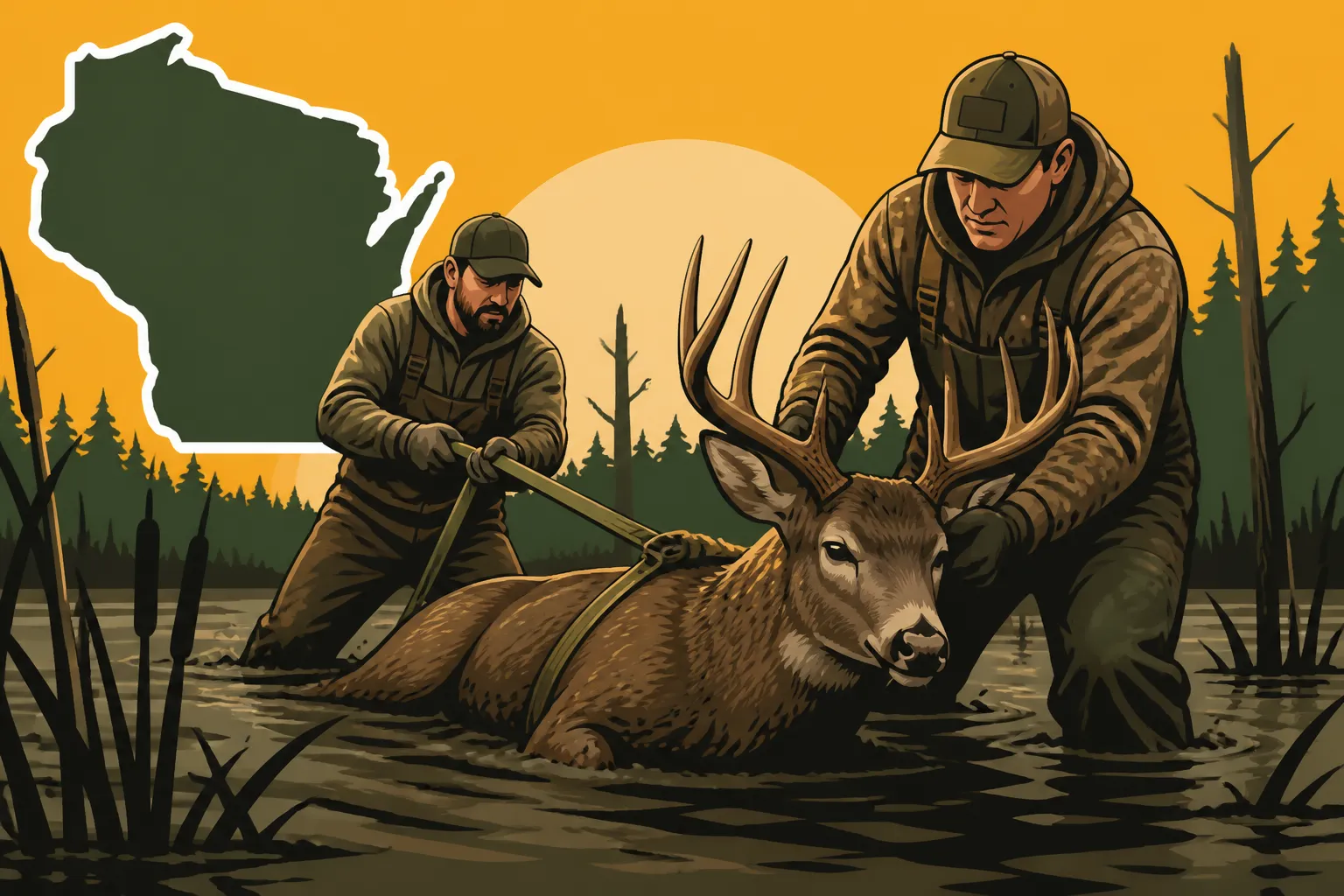
Designate roles: one person might lead, scouting the best path through the brush and pointing out obstacles, while others provide the dragging power. Using multiple drag ropes on a single deer or sled distributes the load, preventing any one person from becoming exhausted too quickly. Before you start dragging, take a moment to survey the area and decide on the path of least resistance. Sometimes, pushing through a slightly thicker section for 20 yards to reach a drier, clearer path is better than fighting a longer, muddier route. Work together to clear small obstacles, lift the sled over logs, and push through dense patches. It's a team sport, and a unified effort makes a huge difference.
Considering Mechanical Aids and Water Access
While many swamp recoveries are pure muscle and grit, certain mechanical aids can be deployed, often for the final leg of the journey or in specific scenarios. An ATV or UTV can be a godsend for getting close to the edge of a swamp, especially if there are old logging roads or trails that approach the area. However, be acutely aware of regulations regarding vehicle use on Wisconsin public land and private property. Many wildlife areas and state forests have strict rules about where vehicles can operate to prevent habitat damage. Never assume you can drive into the heart of a swamp; you'll likely get stuck, cause environmental harm, and potentially face hefty fines.
In situations where a deer has fallen into deep water or an expansive, shallow marsh that's more water than land, a small boat or canoe might be the safest and most efficient recovery tool. This is particularly relevant in areas like the vast wetlands often encountered during Wisconsin Waterfowl Hunting on Marsh and River. If the water is calm and shallow enough, you might be able to paddle to the deer, load it, and retrieve it without fighting the mud and brush. Always prioritize safety: wear a life vest, be aware of water depth and currents, and avoid overloading your vessel. This is a very specific solution, but one worth considering if the circumstances align.
Safety First in Swampy Terrain
A successful deer recovery isn't just about getting the animal out; it's about getting yourself out safely. The dangers of swamp terrain are numerous, and failing to plan for them can turn a challenging hunt into a dangerous ordeal.
Assessing the Risks and Planning Ahead
The cardinal rule of swamp recovery is simple: never go in alone if you can avoid it, especially if you anticipate a difficult or prolonged effort. If you must hunt solo, always inform someone of your exact hunting location and your expected return time. Give them a detailed route if possible. This way, if something goes wrong, someone knows where to start looking. Before you even step into the timber, leverage tools like GoHunt to scout aerial imagery, identifying potential hazards like deep water channels or incredibly dense thickets.
Be keenly aware of your physical limits. Pushing too hard when you're already exhausted can lead to poor judgment, falls, and injuries. Learn to recognize the signs of hypothermia (shivering, confusion, clumsiness) and heat exhaustion (dizziness, nausea, heavy sweating), depending on the weather conditions. If conditions are truly perilous—such as extremely cold water, rapidly falling temperatures, or an incredibly dense, impassable swamp—it's okay to make the difficult decision to leave the deer and return with more help or under better conditions. In some rare cases of truly inaccessible terrain, contacting the Wisconsin DNR might be an option, but this is usually reserved for unusual circumstances and should not be relied upon as a primary recovery method.
What to Do If You Get Stuck or Injured
Even with the best preparation, mishaps can happen. Getting stuck in deep mud is a common occurrence. If it happens, avoid panicking. Spread your weight out as much as possible; lying down can sometimes help distribute pressure and allow you to slowly extricate yourself. Don't pull straight up, as this creates a vacuum. Instead, try to wiggle your leg or boot gently from side to side to break the suction. If you're with a partner, they can often help by providing a steadying hand or even a small tow.
Carry a well-stocked First Aid Kits for Remote Northwoods Ground that includes items for cuts, scrapes, sprains, and insect bites. A waterproof whistle is a simple but effective signaling device if you get lost or need help, especially where cell service is nonexistent. If you sustain a serious injury, try to remain calm. Assess the situation, administer first aid to yourself if possible, and then use your communication devices to call for help. Remember, your safety is always more important than the deer.
Successfully getting a deer out of a Wisconsin swamp is a badge of honor for many hunters. It tests your perseverance, your preparation, and your ability to adapt. By understanding the challenges, equipping yourself with the right gear, and employing smart strategies, you can turn those daunting swamp recoveries into satisfying triumphs.
Disclaimer
The information provided in this guide is for general informational purposes only and does not constitute professional advice. Hunting regulations, safety guidelines, and environmental conditions can change. Always consult the official Wisconsin Department of Natural Resources (DNR) regulations and local authorities before engaging in any hunting activities. Prioritize safety and ethical hunting practices at all times.