Cold Weather Sitting Strategy
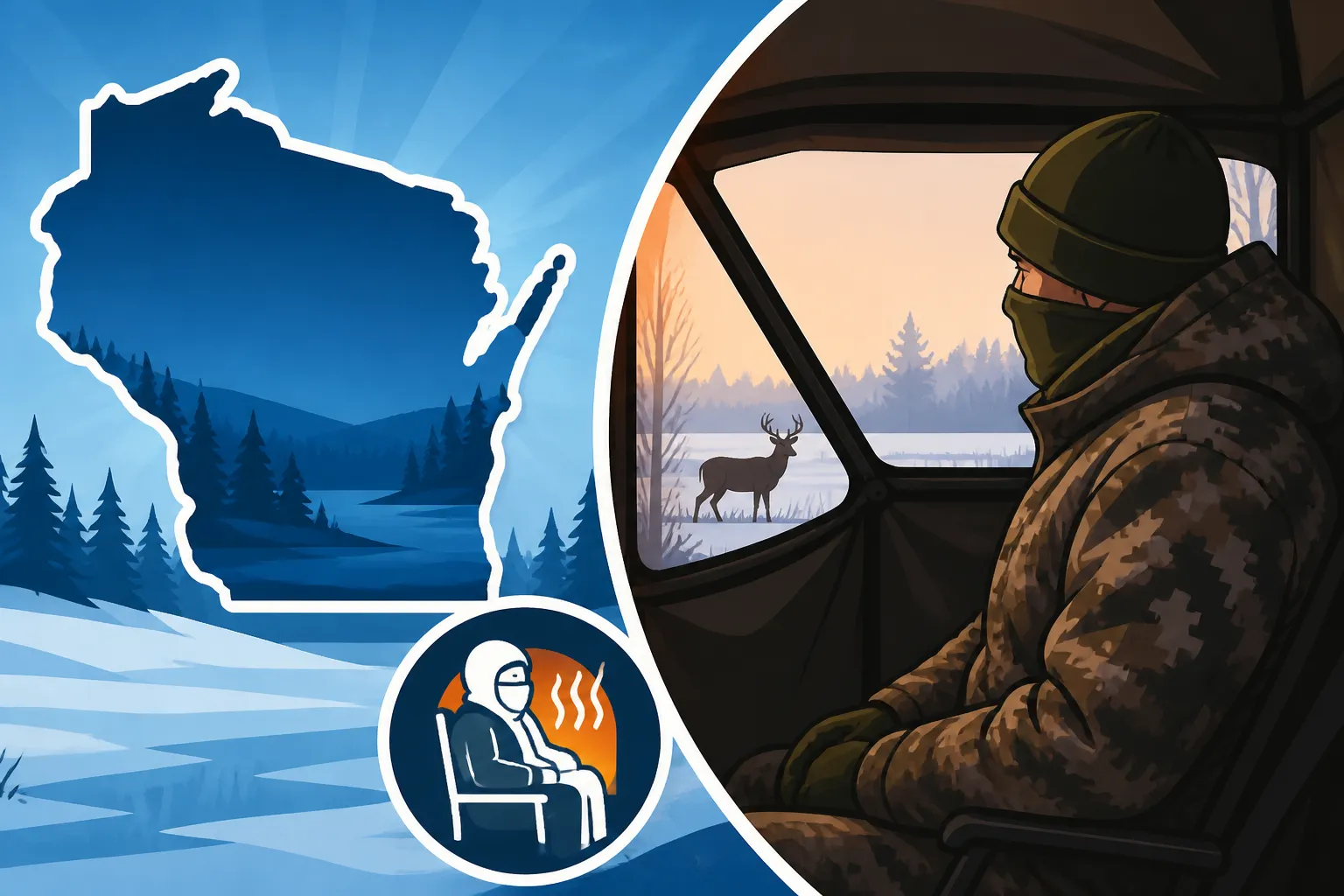
There’s nothing quite like the crisp air and quiet stillness of a Wisconsin winter hunting morning. The anticipation, the frosted breath in the predawn darkness, the hope of seeing a mature whitetail moving through a snow-laden forest – it's magical. But let's be honest, staying out there, truly hunting, when the mercury plunges and the wind howls can feel like an Olympic sport. Far too many hunts are cut short, not by a missed shot, but by shivering teeth and numb toes. This guide is all about equipping you with the knowledge and strategies to not just endure, but effectively hunt in the teeth of a Wisconsin cold snap, making those long, productive sits a reality.
The Harsh Realities of Wisconsin Winter Hunting
We’ve all been there, sitting on stand, feeling the cold creep in, slowly at first, then aggressively. It starts in your fingertips and toes, then works its way up your limbs, turning your muscles stiff and your focus to nothing but the agonizing chill. Wisconsin's winter conditions are no joke, and understanding how the cold affects your body and your hunt is the first step to conquering it.
Understanding Wind Chill and Core Temperature Loss
The temperature on your phone might say 20 degrees Fahrenheit, but if the wind is blowing at 15 miles per hour, it can feel like single digits or even below zero. This isn't just a comfort factor; it's a critical element in how quickly your body loses heat. Wind chill accelerates heat loss dramatically by stripping away the thin layer of warm air your body naturally creates around you, even through your clothing layers. You might have the best insulated jacket, but if it's not windproof, that biting breeze is going to cut right through you, making you feel much colder than the thermometer indicates. The insidious part is that you might not even realize your core temperature is dropping until it’s too late, impacting your decision-making, fine motor skills, and ultimately, your ability to make an ethical shot.
The Impact of Precipitation and Humidity
Beyond just the brutal cold and wind, Wisconsin winters throw another wrench into the works: moisture. Whether it’s a light freezing drizzle, wet snow, or even just high humidity in near-freezing temperatures, moisture is a heat thief. When your clothes get wet, they lose much of their insulating properties. Cotton, especially, is notorious for this; once it's wet, it stays wet and acts like a refrigerator against your skin. Even seemingly dry air can hold enough humidity to make things feel colder than they are, drawing heat away from your body more efficiently. This is why a crisp, dry zero-degree day can sometimes feel more manageable than a wet, humid 30-degree day when you’re out for hours. It’s a constant battle against the elements trying to rob you of your precious warmth, and often, hunters underestimate how quickly moisture can turn a tolerable sit into a miserable retreat.
Why Cold Kills More Hunts Than Bucks
Let's face it, many of us have packed it in early, defeated not by a lack of deer, but by the relentless cold. It's frustrating to invest time, scouting, and effort into a hunt only to be driven off the stand by numb extremities and an uncontrollable shiver. When you're cold, your focus narrows to your discomfort. You’re less likely to notice subtle deer movement, you can't hold your bow or rifle steady, and even something as simple as pulling a release or clicking off a safety becomes a monumental task with clumsy, frozen fingers. This isn’t just about comfort; it's about effectiveness. A hunter who is constantly fidgeting, stamping their feet, or blowing into their hands is a hunter broadcasting their presence. To stay truly hidden and alert for those crucial moments, you need to be warm enough to be still, quiet, and completely immersed in the hunt, not just trying to survive it.
Layering for Optimal Warmth and Mobility
The key to beating the cold isn't usually one super-thick jacket; it's a strategic system of layers. This allows you to adapt to changing conditions and activity levels throughout your hunt, ensuring you're never too hot or too cold. Think of it as building a personal microclimate around yourself.
The Foundation: Base Layers that Perform
Your base layer is arguably the most important part of your cold weather system because it's directly against your skin. Its primary job is to wick moisture away from your body, keeping you dry. If sweat stays on your skin, it will cool you down rapidly once you stop moving, leading to a quick chill. Forget cotton; it absorbs moisture and holds onto it like a sponge. Instead, invest in high-quality synthetics or merino wool. Synthetics, like polyester blends, are excellent at wicking and drying quickly. Merino wool, on the other hand, excels at both wicking and retaining warmth even when damp, plus it's naturally odor-resistant, which is a huge bonus for multi-day hunts. Choose a lightweight base layer for active walks to your stand and a mid-weight or heavy-weight option for stationary sits in truly frigid temperatures. Brands like Sitka, First Lite, and Kuiu offer excellent options for base layers specifically designed for hunting.
Mid-Layers for Insulation and Trapped Heat
Mid-layers are your workhorses for insulation. Their job is to trap warm air close to your body, providing the bulk of your warmth. Fleece, down, and synthetic puff jackets are common choices.
- Fleece: Affordable, breathable, and still offers decent insulation when damp. It's great for active hunting or as a second mid-layer.
- Down: Offers the best warmth-to-weight ratio, making it incredibly effective for stationary sits. However, down loses its insulating properties when wet, so it needs good protection from rain or wet snow.
- Synthetic Insulation: Mimics down but performs much better when wet. It's a great compromise for unpredictable Wisconsin weather where a sudden snowfall can drench your gear.
You might even wear multiple mid-layers. For instance, a thin fleece over your base layer, topped with a heavier insulated vest or jacket, provides incredible versatility. You can shed a layer during a brisk walk to your stand and then add it back once you’re settled. For those really late-season hunts, when you're thinking about Muzzleloader Tactics in December Cold, an extra mid-layer can be the difference between a successful sit and an early exit.
Outer Layers: Shielding Against the Elements
Your outer layer, often called your shell, has two crucial tasks: protecting you from wind and moisture. It needs to be durable enough to withstand brush and branches, quiet enough not to spook deer, and highly resistant to the elements. Look for materials that are both waterproof and breathable. Gore-Tex or similar proprietary membranes are fantastic for keeping rain and wet snow out while allowing sweat vapor to escape, preventing that clammy feeling. A good outer layer should also be completely windproof, stopping that brutal Wind and Thermals in a Coulee from cutting through your insulation. For gun season, remember that How Much Blaze Orange Wisconsin Requires means your outer layer will likely be bright orange or pink, so choose one that integrates warmth and weather protection seamlessly. A high-quality outer shell might be an investment, but it's one that pays dividends by keeping you comfortable and on stand longer when everyone else has given up.
Critical Extremities: Hands, Feet, and Head
These are often the first places to get cold, and once they're cold, it's a battle to get the rest of your body warm. Don't skimp here.
- Hands: A layering approach works best. Start with thin, wicking glove liners, like merino wool, which allow dexterity for handling your weapon. Over these, wear a pair of insulated gloves or mittens. Mittens are generally warmer because your fingers share body heat. Consider a hand muff with chemical hand warmers for those long waits. For the Late Antlerless Hunting in Wisconsin opportunities, when temperatures can truly plummet, having reliable hand protection is absolutely essential. The GoHunt community forums often buzz with recommendations for the best Hand Warmers That Last a Full Sit.
- Feet: This is where many hunters fail. Again, avoid cotton socks. Opt for thick merino wool or synthetic blend socks that wick moisture. Your boots must be insulated and waterproof, but just as importantly, they need to be roomy enough to allow for good circulation and sock layers without compressing your feet. Tight boots restrict blood flow, leading to cold feet faster. Look for boots with at least 800-gram, but preferably 1200-gram or even 2000-gram insulation for all-day sits in deep cold. When Hunting Deer in Deep Northern Wisconsin Snow, your footwear is your most important piece of gear. You'll want to read up on Insulated Boots for All-Day Sits to make an informed choice.
- Head: You lose a significant amount of heat through your head. A good, insulated stocking cap, balaclava, or even a face mask is crucial. Choose materials that are warm yet breathable to prevent overheating on the walk in. Keep those ears covered!
Table: Common Layering Materials for Cold Weather Hunting
| Layer Type | Material | Pros | Cons | Best Use Case |
|---|---|---|---|---|
| Base | Merino Wool | Wicks, insulates when wet, odor-res. | Pricey, slower drying than synthetic | Stationary cold sits, multi-day hunts |
| Synthetic (Poly) | Excellent wicking, quick-drying | Can retain odor, less warm when wet | Active hunting, shorter sits | |
| Mid | Fleece | Affordable, breathable, insulates wet | Bulkier, less warmth/weight than down | Active hunting, layering under heavier insulation |
| Down | Highest warmth-to-weight, compressible | Loses insulation when wet, expensive | Deep cold, dry conditions, stationary sits | |
| Synthetic Fill | Insulates when wet, good warmth | Heavier/bulkier than down for same warmth | Wet/cold conditions, versatile | |
| Outer | Gore-Tex/Membrane | Waterproof, windproof, breathable | Can be noisy, expensive, less durable | All-weather protection, critical shell |
| Brushed Tricot | Quiet, wind-resistant | Not fully waterproof, less durable | Drier, moderate cold, quiet stalk hunting |
Strategic Stand Placement and Hunt Execution
It’s not just about what you wear; it’s also about where you sit and how you hunt. Cold weather hunting demands a different approach to stand strategy and personal management.
Picking the Right Stand Location for Cold Comfort
When it's truly cold, minimizing your exposure to the harshest elements can extend your sit considerably.
- Wind Breaks: Prioritize locations that offer natural wind breaks. A thick stand of pines, a dense cedar swamp, or even a steep ridge side can offer significant protection from a biting north wind. This could be a small cedar thicket for a still-hunt, as discussed in Still-Hunting Wisconsin Cedar Swamps, or a strategic saddle overlooking a lee side slope.
- Sun Exposure: Don't underestimate the power of the sun, even in winter. A stand placed to catch the morning or afternoon sun can provide invaluable warmth, especially on a clear day. Consider the angle of the sun and how long your stand will be in direct light.
- Ground Blinds: For extreme cold, a well-insulated ground blind can be a game-changer. It offers 360-degree protection from wind and snow, and you can even use a small, safe propane heater inside (check regulations!). It allows you to move slightly, stretch, and even brew a warm drink without alarming deer. When planning for a long sit, consider Using a Ground Blind on Wisconsin Public Land for maximum comfort.
Furthermore, deer behavior changes in the cold. They become much more focused on food and thermal cover. Look for Late-Season Food Sources for Whitetails, like standing cornfields (if allowed and available), forgotten apple orchards, or dense conifer stands where deer can bed out of the wind and sun. Your stand should be strategically located along travel corridors between these critical resources.
Managing Movement and Scent in Frigid Air
Movement in cold weather needs to be minimized for two reasons:
- Heat Loss: Every unnecessary movement burns calories and can cause you to sweat, which, as we know, is the enemy of warmth.
- Noise: Stiff, cold clothing can be incredibly noisy. A rustle that might go unnoticed in October will echo through the silent, frozen woods in January.
- Scent: Cold air can make your scent carry differently. It often hangs lower to the ground and can be more predictable, but also more potent. Pay extra attention to wind direction, even if it feels subtle. Your scent will travel along those subtle air currents and could bust your hunt from hundreds of yards away.
When you do need to move, do it slowly and deliberately. Adjust your position gradually. Use slow, controlled movements to bring your weapon to bear. Practicing these movements before you head out, perhaps even with an empty bow or rifle in your hunting clothes, can make a huge difference in the field. This disciplined approach is critical for success, especially during challenging Wisconsin Muzzleloader Season Tactics.
Fueling Your Body for an All-Day Sit
What you put into your body is just as important as what you put on it. You need fuel to generate heat.
- Caloric Intake: Eat a substantial, high-calorie breakfast before you head out. Pack plenty of high-energy snacks like nuts, trail mix, chocolate bars, and energy bars for your pack. Your body is constantly burning calories to stay warm, so keep replenishing that fuel.
- Hydration: It sounds counterintuitive in the cold, but staying hydrated is crucial. Dehydration reduces your blood volume, making it harder for your body to regulate temperature. Bring a thermos of warm, non-caffeinated liquids like herbal tea, hot chocolate, or even just warm water. Sipping on something warm can provide a comforting internal warmth. A quality thermos can keep your drink hot for hours, providing a much-needed boost during a long sit. You might consider checking out GoHunt's gear reviews for the best insulated bottles that stand up to Wisconsin winters.
- Avoid Caffeine and Alcohol: While a cup of coffee might sound good, caffeine can restrict blood flow to your extremities and act as a diuretic, leading to dehydration. Alcohol can make you feel warmer by dilating blood vessels, but it actually causes your body to lose heat more rapidly, making it incredibly dangerous in cold conditions.
Staying Mentally Tough When the Thermometer Drops
Physical preparation is vital, but mental fortitude is what truly separates successful cold-weather hunters from those who retreat early. Hunting in harsh conditions tests your resolve, patience, and focus.
The Power of a Positive Mindset
When the cold is biting and the deer aren't moving, it’s easy to get discouraged. But maintaining a positive mindset can literally help you stay warmer and on stand longer. Tell yourself you're tougher than the cold. Focus on the beauty of the winter landscape, the quiet, the challenge. Remind yourself that the biggest bucks often move when other hunters are curled up by the fire. A little self-talk can go a long way.
One strategy is to break your sit into smaller, manageable chunks. Instead of thinking "I have six more hours," think "I'll sit for another hour, then have a snack and a warm drink." This compartmentalization makes the task less daunting. Also, visualize success. Imagine that buck stepping out, your smooth draw or raise of the rifle, and the perfect shot. This keeps your mind engaged and focused on the purpose of your sit, rather than the discomfort. For an extra boost, many hunters in the GoHunt community utilize portable power banks to keep their phones charged for GPS apps like Scouting With the Wisconsin Hunt Wild App, which can offer a valuable distraction during slow periods while also serving a practical purpose.
Emergency Preparedness for Extreme Cold
Even with the best preparation, things can go wrong. A sprained ankle, an unexpected dip in an icy creek, or getting turned around in unfamiliar territory can quickly escalate into a life-threatening situation in extreme cold. Always carry a small emergency kit.
- Fire Starter: Waterproof matches, a lighter, or a ferro rod. Even a small fire can provide critical warmth and psychological comfort.
- Emergency Shelter: A lightweight emergency blanket or bivy sack can provide surprisingly good insulation and protection from wind.
- Communication: A fully charged cell phone is a start, but service can be spotty in remote areas. Consider a satellite messenger device for true peace of mind, especially if you're venturing deep into the Hunting the Wisconsin Northern Forest for Deer.
- Extra Warmth: A spare set of wool socks, a chemical hand warmer, or a small, compressible puff jacket in a dry bag can be a lifesaver if your primary layers get wet or you need an unexpected boost of warmth.
- Navigation: Don't rely solely on your phone. Carry a physical map and compass, and know how to use them. For those challenging Recovering a Deer From a Coulee Bottom situations or navigating Entry Routes on Steep Driftless Ground after dark, reliable navigation is paramount.
Always let someone know exactly where you are going and when you expect to return. This simple step is perhaps the most important safety measure you can take when braving Wisconsin's winter woods. Being prepared isn't about being paranoid; it's about being responsible and ensuring you can enjoy many more seasons pursuing game in our beautiful state.
Disclaimer
Please note that hunting regulations, seasons, and public land access rules can change frequently. Always consult the latest Wisconsin Department of Natural Resources (DNR) regulations and local ordinances before heading into the field. This guide is for informational purposes only and does not supersede official regulations. Stay safe and hunt ethically.