Rain Gear for a Wisconsin Downpour
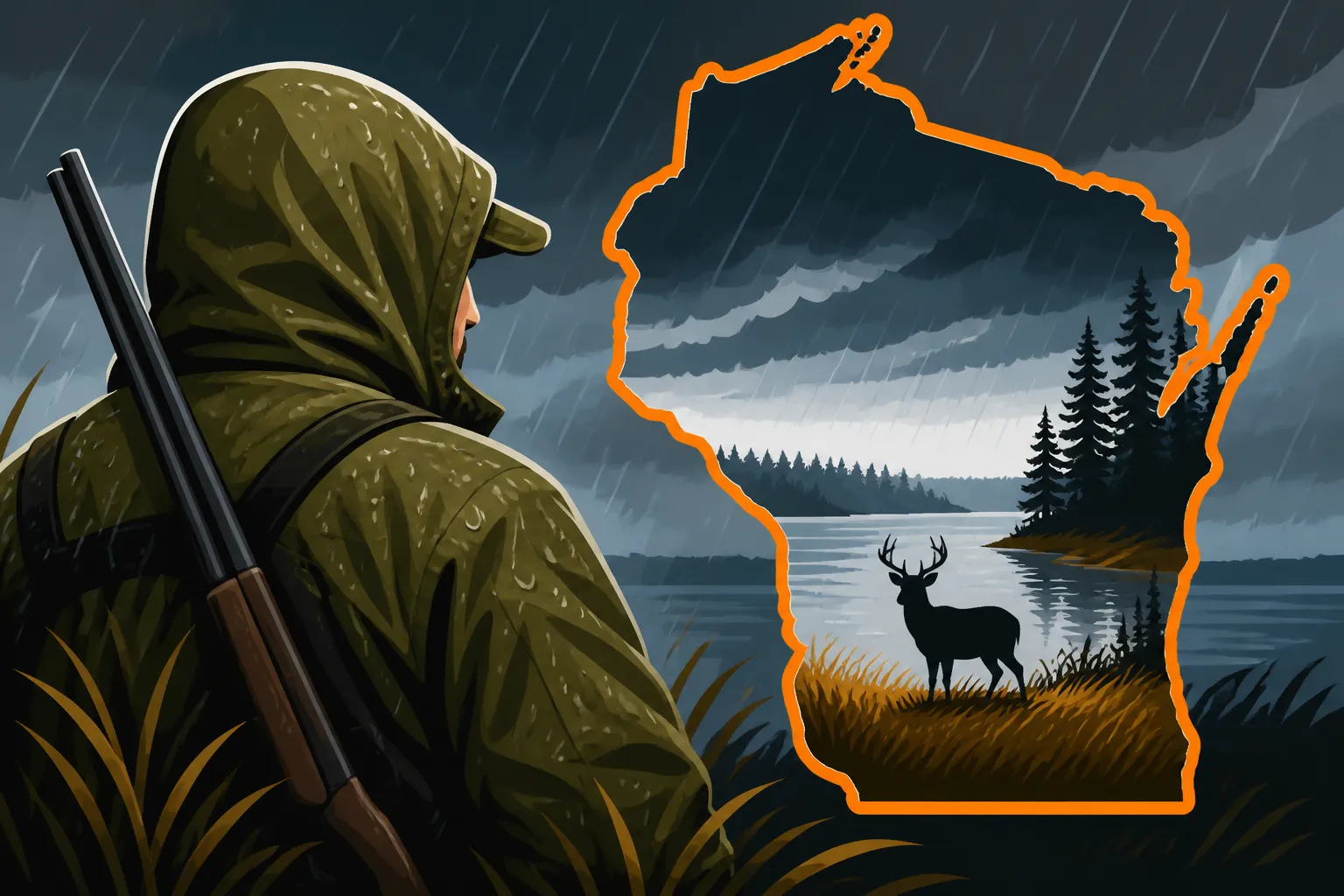
There’s nothing quite like the sudden chill of a Wisconsin downpour when you’re out in the woods, miles from your truck, and realize your gear isn't quite up to snuff. That gut-wrenching feeling of water seeping through your jacket or pants, knowing a miserable, cold retreat is inevitable, is something every hunter dreads. This guide is here to help you understand the ins and outs of proper rain gear, ensuring you stay dry, warm, and in the field, no matter what Wisconsin weather throws at you.
Why Staying Dry is Non-Negotiable in Wisconsin's Hunting Seasons
Wisconsin's weather is famously unpredictable. You can start a crisp October morning with clear skies, only for a cold front to roll in by midday, bringing with it a steady, soaking rain. Or imagine chasing grouse in the northwoods during September, navigating thick alder runs, when a sudden thunderstorm erupts. It’s not just about comfort; it's about safety and extending your time in prime hunting spots. Being wet rapidly leads to a loss of core body temperature, which is a dangerous situation far from shelter.
Beyond the sheer misery, wet clothes rob you of precious hunting time. When you're shivering uncontrollably, focusing on deer sign, listening for subtle turkey calls, or tracking a blood trail becomes almost impossible. A good rain suit means you can tough out those passing showers, allowing you to remain patient in your stand or continue your stalk. It’s the difference between calling it a day at noon and bagging that buck or tom later in the afternoon when conditions might improve. Even when you’re just walking out after dark, dry gear makes the hike infinitely more manageable and safer.
Deciphering Rain Gear Technology: Waterproofing and Breathability
When you start looking at rain gear, you'll quickly encounter terms like DWR, GORE-TEX, eVent, and various proprietary membranes. It can feel like decoding a secret language, but understanding these concepts is key to making an informed decision for your Wisconsin hunts. Ultimately, you're trying to balance two crucial factors: keeping water out and letting sweat vapor out.
The Science Behind Staying Dry
At its core, rain gear works by creating a barrier against liquid water while ideally allowing water vapor (sweat) to escape. This is typically achieved through a combination of a Durable Water Repellent (DWR) coating on the outer fabric and a waterproof, breathable membrane laminated to the inside. The DWR causes water to bead up and roll off the fabric's surface, preventing it from soaking into the material itself. If the DWR wears off, the outer fabric "wets out," making the garment feel heavy and clammy, even if the internal membrane is still technically waterproof. This is why reapplying DWR is a critical maintenance step.
The true hero is the waterproof membrane. Brands like GORE-TEX have popularized this technology, but many other manufacturers use their own versions. These membranes have microscopic pores that are too small for liquid water droplets to pass through, but large enough for water vapor molecules to escape. This is what allows your rain gear to breathe, preventing that clammy, sauna-like feeling from your own sweat. The challenge for hunting gear is finding membranes that are both highly waterproof and highly breathable, and quiet enough for the woods. Some options prioritize extreme waterproofing but might be less breathable, making them better for stationary sits in heavy rain than for active stalking.
The Trade-offs of Different Materials
Not all rain gear is created equal, and price often reflects the technology and durability. At the budget end, you might find PVC or polyurethane coated gear. This stuff is often 100% waterproof, meaning no rain is getting in. The downside? It's typically not breathable at all. You'll stay dry from the outside rain, but you'll get soaked from your own sweat on the inside during any strenuous activity like navigating deep woods or climbing a steep coulee. This type of gear is fine for sitting in a blind or light walking in a steady drizzle, but not ideal for active hunting.
Mid-range options usually feature proprietary waterproof/breathable membranes. These offer a better balance of waterproofing and breathability, often at a more accessible price point than premium brands. They might not have the extreme performance of the top-tier options, but they are a significant step up from basic coated gear. For many Wisconsin hunters, these strike a sweet spot for versatility, offering enough protection for most conditions without breaking the bank. Premium options, often featuring GORE-TEX or similar high-performance membranes, typically offer the best breathability combined with robust waterproofing and durability. They are often lighter, quieter, and designed for serious outdoor performance, making them a significant investment but one that can pay dividends over many seasons. When you're relying on your gear to keep you comfortable through a cold, wet sit while Hunting the Wisconsin Rut in November, that investment feels worthwhile.
Essential Features for Wisconsin Hunting Rain Gear
Choosing the right rain gear isn't just about picking something labeled "waterproof." For the specific demands of Wisconsin hunting, you need to consider a few key features that will enhance your comfort, quietness, and overall success in the field.
Quietness: A Hunter's Stealthy Friend
Imagine slipping through a cedar swamp after a light rain, water still clinging to every branch, when your rain jacket crinkles like a potato chip bag with every step. That's a surefire way to alert every deer, turkey, or grouse within earshot. For Wisconsin hunting, especially when Still-Hunting Wisconsin Cedar Swamps or making careful stalks, quietness is paramount. Look for rain gear made with soft, brushed fabrics that have a quiet hand. Many premium hunting rain suits are specifically designed with this in mind, often using a silent face fabric laminated over the waterproof membrane. Avoid anything that feels stiff or makes excessive noise when you move it around in the store. Even seemingly small noises can carry a long way in quiet woods.
Durability for Tough Terrain
Wisconsin’s varied terrain, from the dense brush of the northern forests to the rugged bluffs of the Driftless Area, can be brutal on clothing. Your rain gear needs to stand up to snagging on thorns, rubbing against tree bark, and crawling through thick undergrowth. A lightweight, ultralight rain shell might be great for hiking, but it often won't survive a single season of hard hunting. Look for fabrics with a higher denier (D) count, which indicates thicker, more durable fibers. Reinforced knees and elbows are a huge plus, especially if you spend time crawling or kneeling to set up a shot. The stitching should be robust, and zippers should be high quality and waterproof to prevent leaks. You might check out gear from reputable hunting brands that focus on durability, as they understand the abuse hunting clothing takes.
Thoughtful Design for Field Use
Beyond the fabric itself, the design of the rain gear plays a crucial role in its functionality. A good hood, for instance, should offer full coverage without impeding your peripheral vision. It should cinch down snugly to stay put in wind and rain, ideally with enough room to wear a cap underneath. Pockets are also key: are they strategically placed, easy to access even with a pack or harness on, and do they have waterproof zippers or storm flaps? A full-length front zipper that allows you to vent heat when you’re moving, but seals tightly when you’re sitting, is also valuable. Many hunters also appreciate adjustable cuffs and waistbands to seal out drafts and moisture. Some modern hunting apparel, like those you might find featured on GoHunt, are designed with these specific field-use needs in mind.
Consider features like integrated gaiters in rain pants to keep water out of your boots, or internal storm cuffs in jackets to prevent water from running down your sleeves when you raise your arms. These small details can make a huge difference in your overall comfort and dryness during a long day in the elements.
| Rain Gear Type | Waterproofing Level | Breathability Level | Quietness | Durability | Best Use Case |
|---|---|---|---|---|---|
| Basic Coated (PVC/PU) | Excellent | Poor | Low | Medium | Stationary blind sits, light, short rain, emergency |
| Mid-Range Membrane | Good | Fair | Medium | Good | Active hunting in moderate rain, varied conditions |
| Premium Membrane (GORE-TEX) | Excellent | Excellent | High | Excellent | All-day, active hunting in heavy rain and wind |
| Softshell (DWR only) | Light/Moderate | Excellent | Very High | Good | Light drizzle, mist, non-downpour conditions |
Layering Like a Pro: Integrating Rain Gear into Your System
Rain gear isn't a standalone item; it's the outermost layer of a carefully constructed system designed to keep you warm and dry. Understanding how to layer effectively with your rain gear is just as important as the quality of the gear itself, especially when facing the shifting temperatures and wet conditions common during Opening Weekend Tactics in Wisconsin or later in the season.
The "Three-Layer" Philosophy
Most outdoor enthusiasts adhere to the "three-layer" system: a base layer, a mid-layer (insulation), and an outer shell (your rain gear).
- Base Layer: This is the layer directly against your skin. Its primary job is to wick moisture (sweat) away from your body. Materials like merino wool or synthetic polyesters excel here. Avoid cotton at all costs; once wet, it loses all insulating properties and stays wet forever, chilling you to the bone.
- Mid-Layer: This provides insulation and traps warm air. Fleece, down, or synthetic puff jackets are common choices. The thickness of this layer will depend on the expected temperature. If you're going to be active, you might opt for a lighter mid-layer you can shed; if you're sitting still, heavier insulation is key.
- Outer Shell: This is your rain gear. Its job is to protect your inner layers from wind and precipitation while allowing any remaining moisture vapor from your body to escape.
When a downpour hits, your base and mid-layers are protected by your outer shell. If your shell fails, or you choose a non-breathable option, all that sweat and rain can soak through, compromising the insulating power of your mid-layer and leaving you cold and miserable. When planning your hunting trip, maybe even using tools like GoHunt to scout areas, always consider the layering implications of varying weather.
Adapting to Wisconsin's Diverse Seasons
The type and weight of your base and mid-layers will change dramatically depending on the season. For early archery season in September, when temperatures can still be quite mild, your mid-layer might be a light fleece or even just a heavier base layer. The focus is more on breathability. However, as you move into Wisconsin's Nine-Day Gun Deer Season in November or Late Antlerless Hunting in Wisconsin in December, you’ll need much heavier insulation under your rain shell. You might even double up on mid-layers for those long, cold, wet sits.
Consider this scenario: You're out in the Driftless Area Deer Hunting in Wisconsin, glassing coulees in late October. The morning is foggy and damp, transitioning to a light drizzle by noon. You're wearing a lightweight merino base layer, a mid-weight fleece, and a quiet, breathable rain jacket. If the sun pops out, you can vent or remove the rain jacket. If the rain intensifies, you're already protected. Conversely, if it's 20 degrees and snowing heavily during muzzleloader season, your base layers will be thicker, your mid-layer a heavy insulated jacket, and your rain shell needs to be able to handle heavy, wet snow without soaking through. This versatility is why investing in quality, adaptable layers and a reliable rain shell is so important.
Caring for Your Rain Gear: Longevity in the Field
Even the best rain gear won't last forever if you don't take care of it. Proper maintenance isn't just about cleaning; it's about preserving the waterproof and breathable properties that keep you dry. Neglecting your rain gear can lead to premature failure, leaving you exposed when you least expect it.
Cleaning and Re-activating DWR
Over time, dirt, grime, bug spray, and even natural body oils can clog the microscopic pores of your rain gear’s membrane and degrade the DWR coating. When the DWR fails, the outer fabric "wets out," making the jacket feel heavy and clammy, and significantly reducing its breathability, even if the internal membrane is still technically waterproof. This is a common issue many hunters face, leading them to believe their expensive gear has "failed" when it just needs a good cleaning and re-treatment.
To maintain your gear, wash it regularly, especially after a tough hunt. Always follow the manufacturer's instructions, but generally, use a technical cleaner specifically designed for waterproof breathable fabrics. Avoid regular detergents, as they can leave residues that impair breathability and DWR performance. After washing, you might be able to reactivate the existing DWR by tumbling the garment in a dryer on a low heat setting for a short period. If water no longer beads up effectively, it's time to reapply a DWR treatment. These come in wash-in or spray-on forms. Applying a new DWR coating will restore the fabric's ability to shed water, improving both comfort and performance.
Storage and Inspection
How you store your rain gear matters. Avoid stuffing it into a compressed ball in your hunting pack or closet for extended periods. This can damage the membrane and reduce its lifespan. Instead, hang it up in a cool, dry place where it can breathe. Before each season, and certainly before any major hunt, give your rain gear a thorough inspection. Check for any tears, abrasions, or holes, especially in high-wear areas like shoulders, elbows, and knees. Small holes can sometimes be repaired with specific waterproof patches designed for technical fabrics.
Also, examine the seams. Most quality rain gear has taped seams, which means a waterproof tape is applied over the stitching on the inside to prevent leaks. If this tape is peeling or cracked, it’s a sign your gear is nearing the end of its life, or it might need professional repair. Don't forget to check zippers for smooth operation and any signs of damage. A failing zipper is a major weak point in a rain suit. Taking these small steps will ensure your rain gear is ready to perform when that unexpected Wisconsin downpour arrives, allowing you to maximize your time in the woods. When you’ve invested time scouting, using tools like GoHunt to plan your approach, you want your gear to perform as well as your strategy.
Disclaimer
This article is for general informational purposes only and does not constitute professional advice. Laws, prices and regulations vary by location and change over time. Consult a qualified professional for guidance on your specific situation.