Base Layers for a Wisconsin November
The unpredictable chill of a Wisconsin November morning, followed by a surprisingly mild afternoon, or worse, a sudden cold rain, is a reality all hunters here know intimately. It’s enough to make even the most dedicated sportsman rethink an all-day sit. This comprehensive guide is dedicated to helping you master the art of base layering, ensuring you stay warm, dry, and focused on the hunt, not the shivers, no matter what Mother Nature throws your way.
Why Base Layers Are Your First Line of Defense
When you step out into the frosty air before dawn, the idea of shedding layers might seem counterintuitive. But trust me, your base layer is the foundation upon which all your warmth and comfort will be built. It’s the closest thing to your skin, and its job is far more critical than simply adding another blanket.
Understanding the Wisconsin November Climate
Wisconsin in November is, to put it mildly, a bit of a wildcard. One morning you might be scraping ice off your windshield with temperatures barely above freezing, the next you could be greeted by a crisp, clear 40-degree day that feels almost balmy. Then, just when you get comfortable, a system rolls in, bringing with it a biting north wind, maybe some sleet, or even a heavy, wet snow. It’s this extreme variability that truly tests a hunter’s resolve and their gear.
The problem isn't just the cold, it's the change. You might break a sweat walking to your stand, even if it's 25 degrees. Then, sitting still for hours, that sweat turns to an icy chill, seeping the warmth right out of your core. This is a common frustration for hunters; you try so hard to get warm, only to find yourself getting colder because you’re damp inside your clothing. Proper base layers are designed specifically to combat this vicious cycle.
The Science of Layering: How Base Layers Work
At its core, a base layer functions through two critical mechanisms: wicking moisture and trapping warmth. Imagine your skin as a mini furnace, constantly generating heat and, when active, sweat. A good base layer is made from materials that actively pull this moisture away from your skin, transferring it to the outer layers where it can evaporate. This keeps your skin dry, which is paramount for staying warm.
Think about it: if your skin stays wet, the evaporation process cools you down rapidly, much like how sweating on a hot day helps cool your body. But in cold weather, this cooling effect is your enemy. By keeping your skin dry, the base layer prevents that chilling effect, allowing your body's natural heat to be retained. This is why you'll often hear the mantra "cotton kills" in hunting circles – cotton absorbs moisture and holds it against your skin, making you dangerously cold when temperatures drop. Your base layer is the crucial first step in building a Layering for a Wisconsin Deer Stand.
A secondary, but equally important, function of base layers is to provide a thin layer of insulation. While their primary role is moisture management, the fabric itself traps a small amount of warm air close to your body. This initial barrier against the cold contributes significantly to your overall comfort, especially during those static moments in the stand. It's the silent workhorse that ensures the rest of your layering system can do its job effectively.
Key Considerations for Choosing Wisconsin November Base Layers
Picking out base layers isn't a one-size-fits-all situation, especially given the range of conditions you'll encounter during a Wisconsin November hunt. You need to think about what the fabric is made of, and how heavy it is, to match it to your activity level and the expected temperatures.
Material Matters: Merino Wool vs. Synthetics
The debate between merino wool and synthetic fabrics for base layers is a long-standing one, and both have their champions for good reason. Understanding their pros and cons is key to making the right choice for your hunting style.
Merino Wool: This natural fiber has revolutionized cold-weather clothing. Its biggest advantage is its ability to provide warmth even when wet. If you get caught in a sudden drizzle or work up a sweat on a long walk, merino wool still retains a significant amount of its insulating properties. It's also remarkably soft, much finer than traditional wool, so it's comfortable against the skin, and incredibly quiet – a huge plus when you're trying to move silently through the woods. Perhaps its most celebrated feature for hunters is its natural odor resistance. You can wear merino for multiple days without it smelling like a locker room, which is a major benefit on multi-day hunts or when traveling light. However, merino wool tends to be more expensive than synthetics, can take longer to dry if thoroughly soaked, and some hunters find it less durable against snags and abrasions over extended periods. For example, after a long, damp sit in a ground blind near a cattail marsh, a good merino base layer might feel heavy but still keep you surprisingly warm. Many hunters swear by Wool for Wet Snow and Quiet Movement.
Synthetics (Polyester, Polypropylene, etc.): Modern synthetic fabrics have come a long way. Their primary strengths lie in their exceptional wicking capabilities and rapid drying times. If you anticipate a lot of high-activity hunting, like still-hunting through thick cover or executing Deer Drives With Three or Four Hunters, synthetics will keep you drier quicker. They are generally more durable and less expensive than merino wool, making them a popular choice for many hunters. The downside often comes down to odor retention; while many synthetics are treated with antimicrobial finishes, they can still pick up body odor more readily than merino over time. They can also sometimes feel a bit "clammy" against the skin compared to the natural feel of wool. Nevertheless, for intense activity in potentially wet conditions, a quality synthetic base layer can be a lifesaver, rapidly pulling moisture away before it has a chance to chill you.
Here's a quick comparison to help you weigh your options:
| Feature | Merino Wool | Synthetics (Polyester, Polypropylene) |
|---|---|---|
| Warmth When Wet | Excellent | Good (dries fast, so less time wet) |
| Odor Resistance | Excellent (natural antimicrobial properties) | Moderate (often treated, but can still build) |
| Drying Time | Moderate to Slow | Fast |
| Comfort | Very soft, natural feel, quiet | Smooth, can feel clammy, some rustle |
| Durability | Good, but can be prone to snags/holes with wear | Excellent, highly resistant to abrasion |
| Cost | Higher | Lower to Moderate |
Weight and Fit for Varying Activity Levels
Beyond the material, the weight and fit of your base layers are crucial for tailoring your system to your specific hunting plans and the day's conditions.
Lightweight base layers are perfect for those early November days when the mercury might still nudge into the 40s or 50s, or for high-activity hunts. If you're planning on a lot of walking, hiking deep into public land, or even Scouting Wisconsin Public Land Before Season during the early bowhunting phase of November, a lightweight base layer will wick sweat effectively without causing you to overheat. It's designed to regulate temperature during exertion while still providing that critical first layer against the skin.
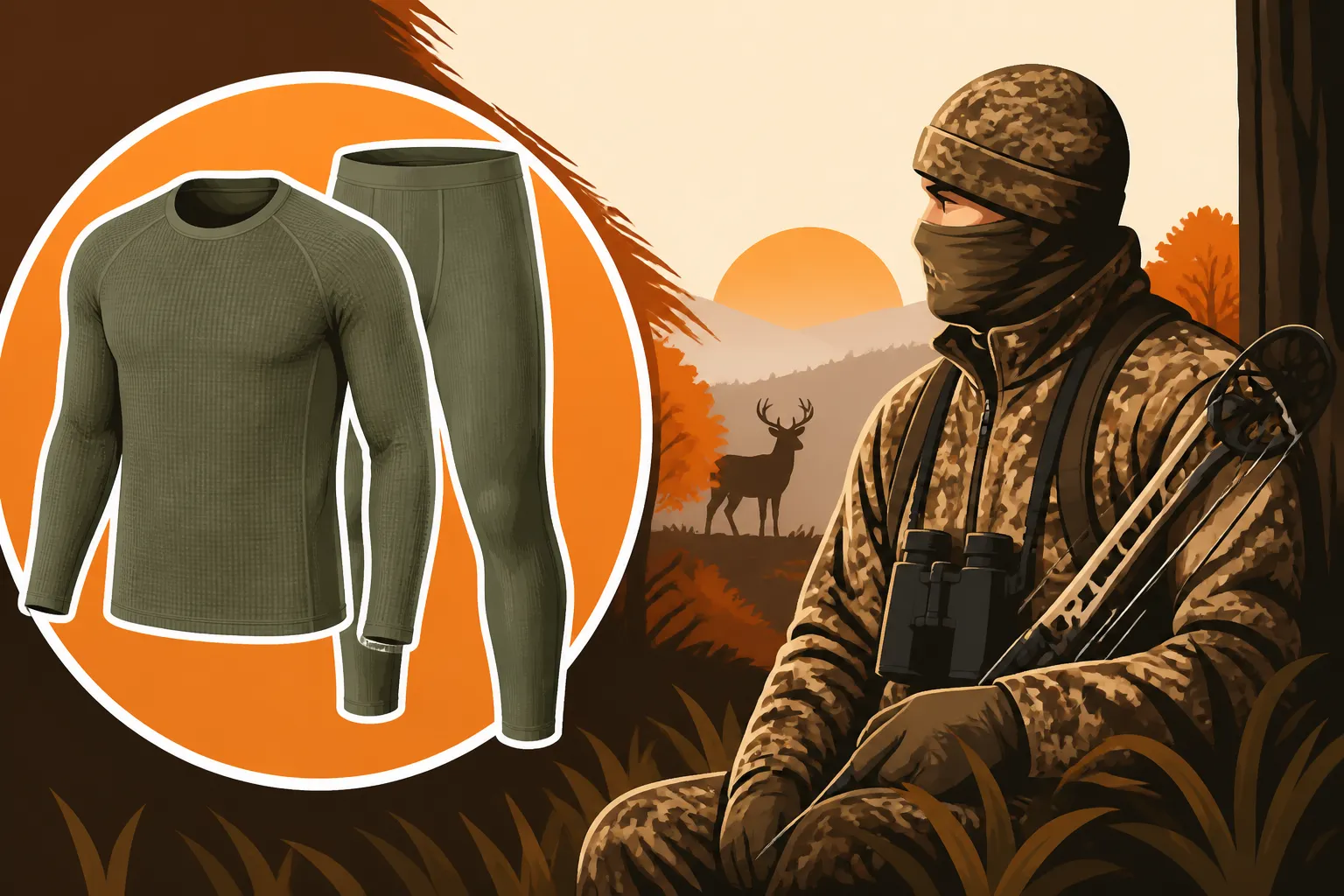
Midweight base layers are the true workhorses for a Wisconsin November. They offer a fantastic balance of warmth and breathability, making them incredibly versatile. For most stand hunting situations, whether you're sitting for a few hours in the morning or planning an all-day sit during the peak of the rut, a midweight bottom and top will serve you well. They provide enough insulation to keep you comfortable in a static position without being overly bulky, allowing for easy layering with your mid and outer shells. This is often the go-to choice for that sweet spot of comfort in typical late fall conditions.
Heavyweight base layers are reserved for the coldest days, especially when low activity is the name of the game. If you're planning a long, stationary sit in below-freezing temperatures, perhaps during Late Antlerless Hunting in Wisconsin or when the wind is really howling across a field edge, a heavyweight base layer will give you maximum insulation. These are thicker, designed to trap more air, and are essential for maintaining core body temperature when your metabolism isn't generating much heat. Layering different weights can also be effective; for instance, a midweight bottom with a heavyweight top if your core gets colder faster.
Regardless of the weight, the fit of your base layer is paramount. It should be snug against your skin, but not so tight that it restricts movement or circulation. A close fit ensures optimal moisture-wicking performance, as the fabric needs to be in direct contact with your skin to pull sweat away efficiently. Baggy base layers create air pockets where moisture can condense and where heat can escape, defeating their primary purpose. Aim for a "second skin" feel that allows a full range of motion.
Building Your Layering System Around Your Base Layers
Your base layer is just the beginning. It's the crucial internal component that allows your entire layering system to perform optimally. Without a functional base, even the best mid-layers and outerwear will struggle to keep you truly warm and dry.
The Importance of a Good Mid-Layer
Once your base layer is managing moisture and providing that initial bit of insulation, your mid-layer steps in to provide the bulk of your warmth. This is typically where you introduce thicker, more insulating materials designed to trap a significant amount of air, which your body's heat then warms. Fleece, down, or synthetic puffy insulation are common choices here.
The mid-layer's job is to be a thermal barrier, holding that precious warm air close to your body, preventing it from escaping. A high-quality fleece jacket or a lightweight insulated vest can make an enormous difference in your comfort levels during a long sit. The key is to have a mid-layer that is breathable enough to allow any residual moisture from your base layer to pass through, but dense enough to hold heat effectively. For instance, a midweight merino base layer combined with a synthetic fleece mid-layer works wonderfully for most November mornings spent Hunting Wisconsin Coulees and Ridge Tops. Choosing the right mid-layer in conjunction with your base is critical for Cold Weather Sitting Strategy.
Outerwear: Protection from the Elements
Finally, your outerwear is your shield against the external environment. This layer needs to be robust enough to block wind, shed rain and snow, and withstand the inevitable scrapes and snags of navigating through brush. While it provides some insulation, its primary role is protection, keeping your inner layers – especially your base layer – dry and functional.
Think of your entire hunting outfit as an onion. Each layer has a specific purpose, and they work in harmony. Your base layer deals with sweat, your mid-layer provides warmth, and your outer shell keeps the elements at bay. If your outer layer fails and allows rain or melting snow to soak through, it compromises everything beneath it. A wet base layer, regardless of its material, will quickly make you cold. Therefore, investing in a reliable waterproof and windproof outer shell is just as important as selecting good base layers. This is especially true when faced with a sudden November downpour; having effective Rain Gear for a Wisconsin Downpour can make or break your hunt.
Practical Tips for Maximizing Base Layer Performance
Even with the best base layers, there are still strategies you can employ to get the most out of them and ensure your comfort and safety in the Wisconsin woods.
Managing Sweat on the Walk In
This is perhaps one of the most common pitfalls for cold-weather hunters. We tend to get dressed in the warm truck or house and immediately feel the chill, so we bundle up completely before starting the walk to the stand. The result? Within minutes of hiking, especially if you’re covering a significant distance or navigating uneven terrain like those steep Entry Routes on Steep Driftless Ground, you’re sweating profusely. By the time you reach your stand, your base layers are damp, and the moment you stop moving, that sweat turns to a bone-chilling cold.
The critical tip here is to underdress for the walk in. This might sound counterintuitive, but it works wonders. Carry your heavier mid-layers and outer shell in your pack. Start your hike in just your base layers, maybe with a light mid-layer if it's exceptionally cold. You'll feel chilly for the first few minutes, but as your body warms up from the exertion, you'll be comfortable without overheating. Once you arrive at your stand, take a moment to cool down, let any minimal sweat evaporate, and then add your insulating mid-layers and outer shell before settling in for your sit. This strategy ensures your base layers stay dry, allowing them to do their job of keeping you warm when you're static.
Care and Maintenance to Prolong Life
Proper care of your base layers isn't just about making them last longer; it's about maintaining their performance. Especially with merino wool, gentle care is key. Most base layers, whether wool or synthetic, benefit from being washed in cold water on a gentle cycle. Harsh detergents, fabric softeners, and high heat in a dryer can degrade the fibers, reducing their wicking ability and overall lifespan.
For merino wool, it's best to lay them flat or hang them to dry. This prevents stretching and helps the garment retain its shape and integrity. Synthetics often dry quickly on their own or can handle a low-heat tumble dry, but always check the care label. For synthetics, which can hold onto odors more tenaciously, using a hunting-specific scent-eliminating detergent can help keep them fresh and reduce human odor, which is particularly important when trying to fool a wary buck during Hunting the Peak Rut Week in Wisconsin. Properly storing your base layers when not in use, perhaps in a tote with other hunting gear, also helps protect them from damage and keeps them ready for your next adventure.
Conclusion
Navigating the challenging and often fickle weather of a Wisconsin November deer season demands smart preparation, and that starts literally with the first layer against your skin. Understanding the science behind base layers – how they wick moisture, insulate, and integrate into a complete system – empowers you to make informed choices that dramatically impact your comfort and effectiveness in the field. Whether you opt for the natural warmth and odor resistance of merino wool or the quick-drying durability of synthetics, investing in quality base layers will allow you to stay warm, dry, and focused on the hunt, extending your time in the woods and increasing your chances of success. Don't let the cold or damp cut your hunt short; layer up intelligently and embrace all that Wisconsin's fall hunting has to offer.
Disclaimer
This article is for general informational purposes only and does not constitute professional advice. Laws, prices and regulations vary by location and change over time. Consult a qualified professional for guidance on your specific situation.