Cut Vests and Gear for Hound Dogs
Let's face it, your hound isn't just a hunting tool; they're a part of your family, a loyal companion you trust your hunt to. When you're running dogs through Wisconsin's thick cedar swamps, rocky coulees, or tangled aspen cuts, the thought of them getting injured by sharp branches, rocks, or worse, an angry boar or even another predator, is a constant worry. This guide is all about equipping your canine partner with the best protection out there – cut vests and essential gear – so you can focus on the hunt, knowing they're as safe as possible in the challenging Wisconsin wilderness.
The Unseen Threats: Why Cut Vests Are Non-Negotiable for Wisconsin Hounds
Wisconsin’s diverse landscape, from the dense northern forests to the rugged Driftless Area, presents a unique set of challenges for any hound dog working the brush. It's not just about tracking; it's about navigating treacherous terrain that can tear skin, bruise muscle, and even lead to more severe injuries. For those of us who run hounds for bear, bobcat, or coyote, we know these dogs are in the thick of it, often out of sight, pushing through cover we wouldn't dare crawl through. The risks are real, and pretending they don't exist is a disservice to our dedicated partners.
Navigating Wisconsin's Rugged Terrain
Imagine a hound, nose to the ground, tearing through a dense thicket of blackberry brambles or a fallen timber stand, driven by instinct and scent. This isn't a stroll in the park. In the northern parts of the state, particularly during pursuits like Running Bear Hounds in Northern Wisconsin, dogs encounter sharp broken branches, jagged stumps hidden under snow, and rocky outcrops. The Driftless Area, with its steep coulees and limestone bluffs, throws in its own hazards with sharp shale and thorny bushes. These seemingly innocuous features can cause deep lacerations and punctures, leading to expensive vet bills and, more importantly, agonizing pain for your dog. A simple run through a seemingly open patch of woods can turn dangerous if there's hidden rebar from an old logging operation or a sharp rock waiting.
Wildlife Encounters and Canine Conflicts
While we primarily think of protection from the environment, the animals we hunt, and other wildlife, pose significant threats. A cornered bear or an agitated bobcat is not going to differentiate between a hunter and a hound; they're going to defend themselves with teeth and claws. Even coyotes, especially a pack, can be dangerous to an unaccompanied hound. Furthermore, Wisconsin is home to a robust wolf population, particularly in the northern counties. The risk of Wolf Depredation on Wisconsin Hounds is a very real concern for hound hunters, adding another layer of urgency to protective measures. A cut vest, while not impenetrable, can offer a vital layer of defense against these direct attacks, potentially turning a life-threatening injury into something manageable. It's about buying time, reducing impact, and giving your dog a fighting chance when instinct takes over and they close the distance.
The Cost of Injury: Beyond the Veterinary Bill
Beyond the immediate physical danger and the often-exorbitant costs of veterinary care for a serious laceration or puncture wound, there's the emotional toll. Seeing your dog come back bleeding, or worse, not coming back at all, is every hound hunter's nightmare. Then there's the downtime: weeks or months of recovery, missed hunting seasons, and the potential for long-term complications or even a permanent disability that could end your dog's working career. Investing in a quality cut vest and other protective gear isn't just an expense; it's an insurance policy for your most valuable hunting asset and a testament to your commitment to their well-being. It allows you to push deeper, to let your hounds work harder, knowing you've done everything you can to mitigate the inherent risks of the chase.
Decoding the Defense: Choosing the Right Cut Vest Materials and Features
Selecting the right cut vest for your hound can feel overwhelming with all the options available. It’s not a one-size-fits-all solution, and what works for one dog or one type of terrain might not be ideal for another. We need to consider the primary threats, the dog's comfort, and the material's durability.
Material Matters: Kevlar, Ballistic Nylon, and Beyond
The core of any cut vest is its material. You'll find a few main players, each with its strengths and weaknesses:
- Kevlar or Aramid Fibers: This is the gold standard for cut and puncture resistance. Layers of Kevlar are incredibly strong, designed to resist sharp objects and even broadhead cuts. Vests made with multiple layers of Kevlar offer superior protection against accidental knife cuts, sharp sticks, and even animal teeth/claws. They tend to be more expensive but provide peace of mind in high-risk environments.
- Ballistic Nylon: Often layered with Kevlar or used on its own for lighter protection, ballistic nylon is a tough, durable synthetic fabric. It's excellent for abrasion resistance and can withstand a lot of abuse from brush and minor impacts. While it offers good cut resistance, it's generally not as puncture-proof as pure Kevlar.
- Cordura Fabric: Similar to ballistic nylon, Cordura is known for its durability and resistance to abrasions, tears, and scuffs. It's a popular choice for outer layers of vests, providing a tough shell. When combined with internal protective layers, it forms a robust vest.
- UHMWPE (Ultra-High Molecular Weight Polyethylene): Sometimes marketed under brand names like Spectra or Dyneema, this material offers an incredible strength-to-weight ratio, even surpassing Kevlar in some applications for cut resistance. It's becoming more prevalent in high-performance gear, including some dog vests, offering excellent protection without excessive bulk.
Consider the primary risks your dogs face. If you're running in areas known for aggressive game or extremely dense, thorny cover, investing in a multi-layered Kevlar or UHMWPE vest is probably the smartest move. For general brush protection in less extreme environments, a well-constructed ballistic nylon or Cordura vest might suffice.
Key Features for Functionality and Safety
Beyond the material, the design and features of a cut vest are crucial for your hound's comfort and effectiveness in the field.
- Coverage: Look for vests that offer comprehensive protection, particularly around the chest, belly, and sides. These are the areas most vulnerable to attacks and ground-level hazards. Some vests extend protection up the neck or over the shoulders, which can be invaluable.
- Fit and Adjustability: A properly fitting vest is paramount. It should be snug enough not to shift or snag, but not so tight that it restricts movement or breathing. Adjustable straps (often Velcro or buckles) are essential for a custom fit, especially considering the varied sizes and builds of hounds. Always measure your dog carefully according to the manufacturer's guidelines.
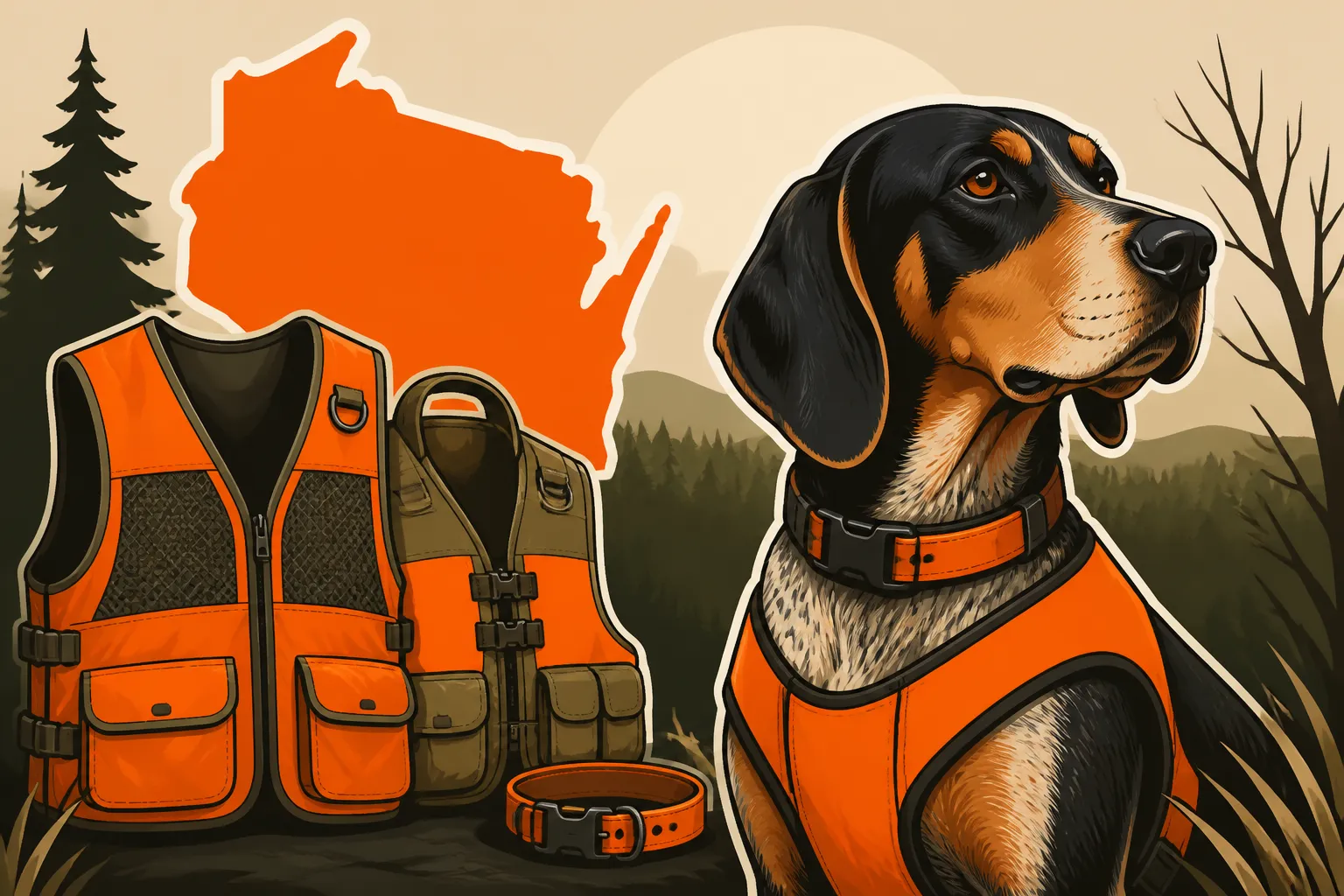
- Visibility: Most quality cut vests incorporate high-visibility colors like blaze orange or bright yellow. This is not just for you to spot your dog easily; it's also critical for other hunters in the field, especially during peak seasons like Wisconsin's Nine-Day Gun Deer Season or Wisconsin Bear Season Dates by Method. Some vests also include reflective strips for low-light conditions.
- Ventilation: Hounds work hard, and they can overheat, especially during strenuous chases. Look for vests that incorporate breathable mesh panels or designs that allow for air circulation without compromising protection. This is a delicate balance, but a good vest finds it.
- Integrated GPS Pouch: Many modern vests come with integrated pouches or attachment points for GPS tracking collars. This is a huge convenience and ensures the valuable GPS unit stays secure and protected. Speaking of GPS, it’s an absolute lifesaver when your hounds are far out on a chase. While a mapping tool like GoHunt can show you topographical features and potential hazards from above, a reliable GPS collar is your direct link to your dog's location on the ground.
- Durability and Stitching: Examine the quality of the stitching and hardware. Reinforced seams, heavy-duty buckles, and durable closures will stand up better to the rigors of hunting. Poor stitching can lead to premature failure, leaving your dog unprotected.
Here's a quick comparison of common vest materials:
| Feature / Material | Kevlar/Aramid Layers | Ballistic Nylon/Cordura Blends | UHMWPE (Dyneema/Spectra) |
|---|---|---|---|
| Primary Protection | Superior Puncture & Slash | Excellent Abrasion, Good Cut | Exceptional Puncture & Slash |
| Weight | Moderate to Heavy | Moderate | Lighter |
| Flexibility | Good, can be stiff if many layers | Very Good | Excellent |
| Durability | Very High | High | Very High |
| Cost | Higher | Moderate | Higher |
| Best Use in WI | High-risk game, dense thorny cover | General brush, good all-around | High-risk, prioritizing lightweight |
Beyond the Body Armor: Essential Supplementary Gear for Your Wisconsin Hound
While a cut vest is paramount, it’s just one piece of the puzzle when it comes to keeping your hound safe and effective in Wisconsin’s wild places. There's a whole suite of other gear that works in concert with the vest to ensure your dog's well-being and your peace of mind.
The Lifeline: GPS Tracking and Communication Collars
This is arguably the most critical piece of supplementary gear for any hound hunter. Whether your dog is out of sight in a dense cedar swamp or running a line over a distant ridge, a reliable GPS tracking system is non-negotiable. Systems like those offered by Garmin or SportDOG allow you to monitor your dog's exact location, track their speed, and even communicate with them remotely through tone or vibration commands. For hunters pursuing bear or bobcat, knowing precisely where your dog is – and critically, where they aren't – is invaluable. If your dog is hanging up on a track or has gone quiet, a GPS collar is the only way to quickly locate them. This is especially vital when hunting large tracts of public land, such as the Chequamegon-Nicolet National Forest, where losing a dog could mean days of searching. When you're Running Hounds for Wisconsin Bobcats in vast timber, the ability to see their exact position on a map on your handheld device, and even on a comprehensive mapping platform like GoHunt back at camp, can literally be a lifesaver. This technology is essential for ensuring your hounds make it back home after a long chase.
Boots, Bells, and Bling: Protecting Paws and Alerting Others
- Dog Boots: Just like your own feet, your hound's paws take a beating in rugged terrain. Sharp rocks, thorns, ice, and prolonged running can cause cuts, abrasions, and bruising. Dog boots offer protection against these elements, especially if you're hunting in particularly harsh conditions or on extended chases. Ensure they fit well to prevent rubbing and chafing, and introduce them to your dog gradually before a hunt.
- Bells: Attaching a small bell to your dog's collar or vest can serve several purposes. It helps you keep track of their general location, especially in thick cover where visibility is low. It also alerts other hunters to your dog's presence, which is a significant safety factor, particularly during gun seasons.
- Reflective and Blaze Orange Collars: Even if your dog is wearing a blaze orange vest, a secondary blaze orange or reflective collar adds an extra layer of visibility. This is crucial for roadside safety if your dog crosses a road, or for spotting them if they're moving through an area where the vest might be temporarily obscured. Many hunters use these in conjunction with their GPS collars.
First-Aid Preparedness: When Accidents Happen
No amount of gear can completely eliminate the risk of injury. That’s why a comprehensive First Aid Kits for Remote Northwoods Ground tailored for canine emergencies is an absolute must-have. When you're miles deep in the woods, access to veterinary care isn't immediate. Your kit should include:
- Antiseptic Wipes and Solution: For cleaning wounds.
- Gauze Pads and Vet Wrap: For bandaging cuts and controlling bleeding.
- Hemostatic Powder: To help clot blood on minor cuts.
- Tweezers/Forceps: For removing splinters or thorns.
- Benadryl (Diphenhydramine): For allergic reactions (bee stings, etc.), consult your vet for dosage.
- Pain Relief: Discuss appropriate canine pain relievers with your vet. Never give human pain medication without professional guidance.
- Scissors: For cutting bandages or removing matted fur.
- Electrolyte Supplements: To help combat dehydration in hard-working dogs.
- Emergency Blanket: To prevent shock in injured dogs.
Knowing how to use these items quickly and effectively can make a huge difference in the outcome of an injury. It’s not just about having the gear; it's about being prepared to use it. Many hunters also carry a small bottle of water and a collapsible bowl to ensure their hounds stay hydrated, especially during warmer hunts.
Maintaining Your Hound's Gear and Field Preparedness
Having the right gear is only half the battle; keeping it in top condition and ensuring your hounds are ready to wear it effectively is equally important. Neglecting maintenance or failing to properly prepare your dogs can diminish the protective benefits and even create new problems in the field.
Cleaning, Inspecting, and Repairing Protective Vests
After every hunt, especially one through rough terrain or in wet conditions, take the time to properly clean and inspect your hound's cut vest.
- Cleaning: Most synthetic vests can be rinsed off with water to remove mud, blood, and debris. For deeper cleaning, follow manufacturer instructions, but generally, a mild soap and thorough rinse are sufficient. Avoid harsh chemicals that can degrade protective fibers. Ensure the vest is completely dry before storing to prevent mildew and odor, which can also break down materials over time.
- Inspection: Look for any signs of wear and tear: fraying seams, torn fabric, punctures, or stretching of the material. Pay close attention to Velcro closures, buckles, and straps, ensuring they are still secure and functional. A small tear can quickly become a large one, compromising the vest's integrity.
- Repair: Minor damage, like loose stitching or small tears in non-critical areas, might be repairable. High-quality heavy-duty thread and a strong needle can fix many issues. However, if the vest has sustained a significant puncture or tear in a protective layer, its effectiveness is compromised, and it's time to consider replacement. Don't gamble your dog's safety on a compromised vest.
Regular maintenance extends the life of your expensive gear and, more importantly, ensures it provides maximum protection when it's needed most.
Acclimation and Training for Comfort and Effectiveness
Putting a vest on your hound for the first time on opening day is a recipe for disaster. Dogs need to be acclimated to wearing any new gear, especially something as substantial as a cut vest or boots.
- Gradual Introduction: Start by having your dog wear the vest for short periods around the house or yard. Reward them with treats and praise to create a positive association.
- Increase Duration and Activity: Gradually extend the time they wear the vest and incorporate light activity like walks or short training sessions. Observe how they move, ensuring the vest doesn't chafe or restrict their natural gait. For hunters focused on specific skills like Dog Training on Wisconsin Public Land, integrating vest wear into these sessions is perfect.
- Boot Training: Dog boots often take more getting used to. Many dogs will try to shake them off or walk awkwardly at first. Start with short periods, perhaps just one boot at a time, and gradually work up to all four. Patience and positive reinforcement are key.
- Checking Fit Consistently: A dog's weight and muscle mass can fluctuate throughout the season, so always check the fit of the vest before each hunt. Adjust straps as needed to ensure it remains snug but comfortable. A poorly fitting vest can cause chafing, restrict movement, or even get snagged, putting your dog at risk.
Proper acclimation ensures your dog is comfortable, happy, and unhindered by their gear, allowing them to perform at their best while staying protected. After all, a distracted or uncomfortable hound is a less effective hound, and our goal is to empower them to do what they do best, safely.
Disclaimer
This article is for general informational purposes only and does not constitute professional advice. Laws, prices and regulations vary by location and change over time. Consult a qualified professional for guidance on your specific situation.