Rattling and Grunting in Wisconsin
It's incredibly frustrating, isn't it? You've put in the time scouting, picked out what looks like a prime spot, and you're just not seeing the deer you know are in the area, or worse, they're cruising by just out of range. That feeling of a buck skirting the edge of your property, just taunting you, is enough to make any hunter throw their hands up. But what if you could actually talk to those deer? This guide is going to dive deep into the art and science of rattling and grunting for whitetails in Wisconsin, giving you the real-world tactics to turn those near misses into successful encounters, making your time in the woods far more productive and exhilarating.
Understanding Deer Communication and Timing
Deer are constantly communicating, even if we don't always pick up on it. Their world is a symphony of subtle cues, and if you can learn to mimic just a few key notes, you can often draw them right into your setup. It's not about being a deer whisperer, but about understanding their basic social structure and emotional triggers.
The Language of Grunts and Rattles
Think of deer sounds as their social media feed. Grunts are often the everyday posts – "Hey, I'm here," "Found some good food," or "Checking things out." They’re pretty common and serve a variety of purposes, from simple contact calls between deer to more intense social interactions. A buck grunt is generally a low, guttural sound, indicating his presence or even a level of agitation. Does and fawns have softer, higher-pitched bleats that mean different things depending on the context, from contentment to distress.
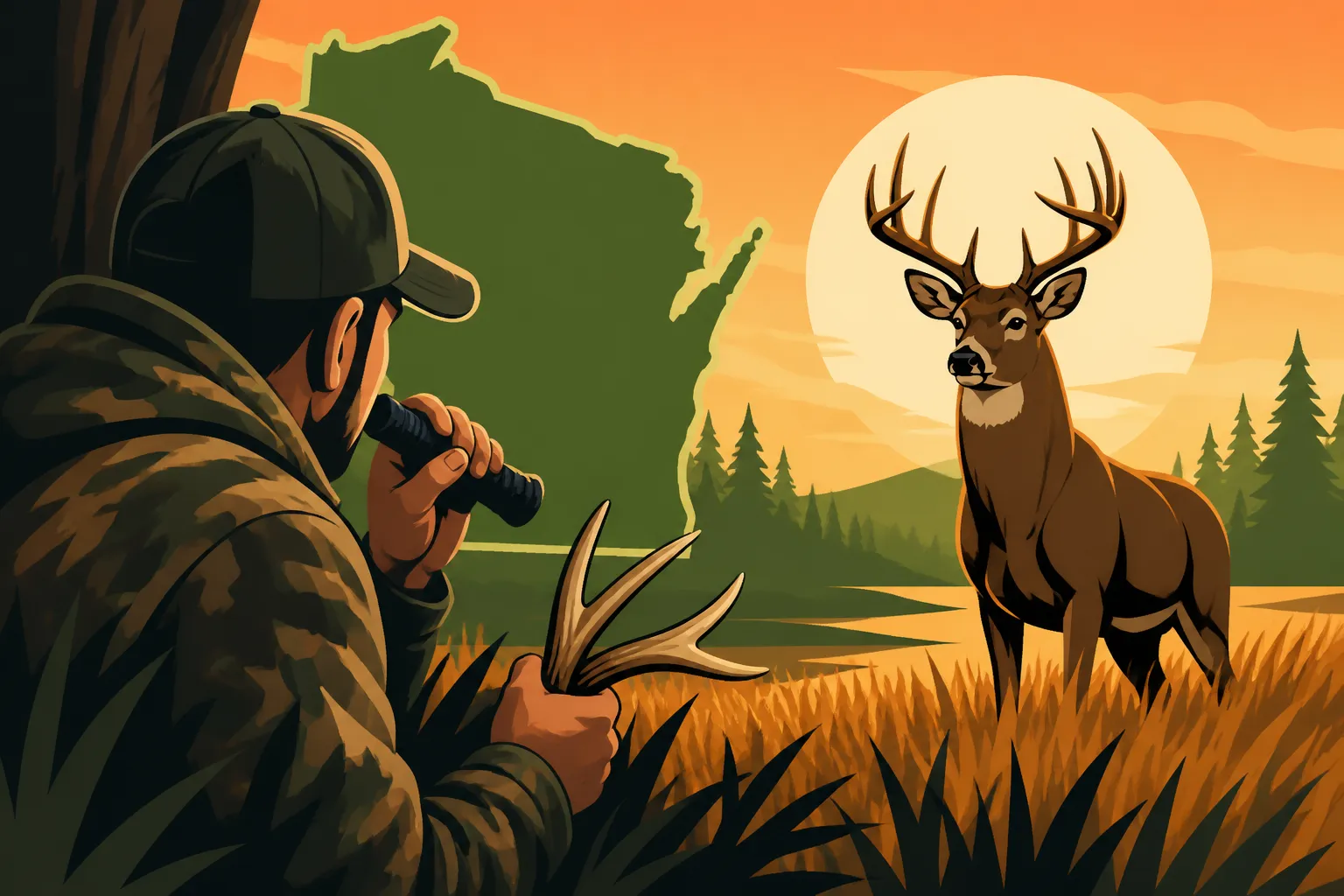
Rattling, on the other hand, is like a major breaking news alert. It mimics the sound of two bucks fighting or sparring, which immediately signals competition and potential breeding opportunities to other deer. An aggressive rattling sequence can be a huge magnet, drawing in curious younger bucks eager to see the action, or more dominant bucks ready to defend their territory or breeding rights. It's a primal sound that speaks directly to their instincts, and when done right, it can be incredibly effective at cutting through the noise of the woods and getting a deer's attention from a significant distance. The key is understanding what you're saying and who you're trying to say it to.
The Importance of Timing: When to Call
Timing is everything in deer calling, and it's not a one-size-fits-all approach throughout the season. Early in the archery season, before the main event, bucks are still relatively calm. During this pre-rut phase, you might have some success with light sparring sounds or softer grunts, simulating two smaller bucks testing each other or a buck just cruising through. This can pique curiosity without immediately alarming a wise, older buck. You're trying to create a subtle disturbance, not a full-blown war.
As we move closer to the middle and end of October, and especially into November, when the actual breeding activity starts picking up, rattling and grunting become significantly more potent. This is the fabled rut, and bucks are no longer just thinking about food; their minds are dominated by does and establishing dominance. During this period, particularly during the Hunting the Peak Rut Week in Wisconsin, aggressive rattling sequences can be incredibly effective. Bucks are pumped full of testosterone, ready to challenge rivals or investigate any commotion that might involve a hot doe. However, even in the rut, factors like high winds can carry your scent or drown out your calls, so pay attention to conditions. A calm, crisp morning during the pre-rut or peak rut, when deer are actively on their feet, is often prime time for calling.
Essential Gear for Successful Calling
You don't need a truckload of gadgets to call deer, but having the right tools and knowing how to use them effectively will dramatically increase your odds. Like any skill, practice with your chosen gear is paramount.
Choosing Your Rattling Antlers or Bag
When it comes to rattling, hunters usually fall into one of two camps: real antlers or synthetic rattling bags/horns. Both have their merits and drawbacks. Real antlers, typically shed antlers from a mature buck, offer the most authentic sound. The bone-on-bone collision creates a rich, resonant sound that perfectly mimics two bucks locking up. The downside is they can be bulky, awkward to carry, and can sometimes bang together inadvertently while walking, potentially alerting deer. If you're going with real antlers, try to find a set that has good tine mass and a heavy base to produce a louder, more convincing sound.
Synthetic rattling bags or molded plastic horns, on the other hand, are incredibly convenient. Brands like Primos and Knight & Hale offer compact, easy-to-carry options that can be operated with one hand. They're much quieter to transport and ideal for hunters who want to reduce bulk. While the sound might not be exactly like real antlers, modern synthetic calls have come a long way and can produce very convincing sparring and fighting sounds. Practice with whichever you choose to understand its range and the variety of sounds you can create. Remember, it's not just about clashing them; it's about grinding, raking, and breaking branches to create the full illusion of a fight.
Selecting the Right Deer Calls
Beyond rattling, a good grunt tube is an indispensable tool in any Wisconsin deer hunter's arsenal. Grunt tubes come in various designs, from simple fixed-tone models to adjustable versions that allow you to mimic a wide range of buck, doe, and fawn sounds. An adjustable grunt tube offers versatility, letting you switch from a deep, aggressive buck grunt to a softer, inquisitive doe bleat with just a slide. It's worth investing in a quality tube that produces clear, consistent sounds.
The beauty of a grunt tube is its ability to communicate different messages. A standard buck grunt is short and guttural, used to get a deer's attention or challenge a buck. A tending grunt is longer and softer, mimicking a buck trailing a receptive doe, often a sound that triggers an immediate response from other bucks looking for a breeding opportunity. Then there are snort-wheeze calls, a very aggressive, often high-pitched sound that bucks use to challenge a rival – a true "come here and fight me" message. Fawn or doe bleats can also be effective, especially during the early season or to draw in a doe, which might bring a buck along with her. While electronic calls are legal for some species, always double-check the Wisconsin DNR regulations, as they are generally prohibited for deer hunting to ensure fair chase. GoHunt's mobile application can be a quick reference for these rules, ensuring you stay compliant.
Mastering the Art of Rattling Sequences
Effective rattling isn't just smashing antlers together; it's about crafting a narrative, making the sounds believable, and understanding when to be subtle versus when to be aggressive.
Aggressive vs. Light Rattling
Knowing when to go all-in with an aggressive rattling sequence versus a more subtle approach is crucial for success in Wisconsin's diverse deer habitats. Aggressive rattling is your go-to tactic during the pre-rut and especially the peak rut, when bucks are actively seeking out does and are ready to assert dominance. Think loud, drawn-out sequences that mimic two mature bucks engaged in a serious battle. This involves not just clashing the antlers fiercely, but also thrashing nearby brush, scraping the ground with your boot, and even adding a snort-wheeze or a few tending grunts to complete the illusion of a full-blown confrontation. You want to sound like a fight that just started, not one that's been going on for minutes, so keep your sequences fairly short—30 to 60 seconds of intense action, followed by a long silence of about 15-20 minutes. This gives an approaching deer time to cover ground without feeling rushed or suspicious.
On the flip side, light rattling is often more effective during the early season, post-rut, or in areas with high hunting pressure. In these scenarios, a full-on brawl might spook more deer than it attracts. Light rattling involves subtle clicks and gentle grinding of antlers, mimicking two smaller bucks sparring or an older buck just casually testing his rack. This approach is less intimidating and can still pique the curiosity of a passing deer without putting them on high alert. You might use this sparingly, just a few seconds of light contact every 10-15 minutes, almost like a "what's that?" sound rather than a "fight to the death." Understanding Rattling Volume in Thick Cover is especially important here; too loud and you overwhelm, too soft and it doesn't carry.
Integrating Grunts with Rattling
The real magic happens when you weave grunts into your rattling sequences, creating a compelling "story" that sounds incredibly realistic to a deer. Imagine a buck fight: it's rarely just clashing antlers. There are grunts, snorts, heavy breathing, and chasing. By adding these vocalizations, you turn a simple sound effect into a believable scenario unfolding in the woods. A typical sequence might start with some aggressive rattling for 20-30 seconds, mimicking two bucks locking up. Immediately after, add a few loud, aggressive buck grunts, as if one of the fighters is voicing his frustration or dominance. Then, pause for a moment to listen intently.
You can also integrate a tending grunt after your rattling sequence, especially if you're trying to simulate a buck that just "won" the fight and is now tending a doe. This adds another layer of realism and can be a powerful draw for other bucks looking for a breeding opportunity. The key is to make it sound natural and varied, just like real deer communication. Don't be afraid to experiment with the timing and intensity of your grunts in relation to your rattling. Some hunters even add a snort-wheeze right at the beginning of a rattling sequence to signal an immediate challenge. Practice these combinations at home to get the rhythm and timing down, ensuring that when it counts in the field, your performance is convincing.
Effective Grunting Techniques
While rattling might be the dramatic centerpiece, grunts are the everyday conversation of the whitetail world. Mastering them gives you incredible versatility in the stand.
Standard Grunts and Tending Grunts
The standard buck grunt is a hunter's bread and butter. It's a short, guttural "Uhh-uhh" sound that bucks make for a variety of reasons – often to acknowledge another deer's presence, express curiosity, or sometimes even mild irritation. This call is fantastic for getting a deer's attention, especially if they're moving through thick cover or if you need them to stop and present a shot. A single, crisp grunt can often make a deer freeze in its tracks, giving you that precious second to raise your bow or rifle. The volume should match the situation; a soft grunt for a close deer, a louder one for a deer further away.
The tending grunt, however, tells a much richer story. This is a longer, more drawn-out, often softer series of grunts, like "Mmm-uhh-uhh-uhh." It mimics a buck that is actively trailing a doe, especially one that is close to or in estrus. This sound implies that a hot doe is nearby, which is irresistible to other bucks. When using a tending grunt, vary the pitch and duration slightly to make it sound more realistic, as if the buck is working through the woods, focused on his lady. This call is particularly potent during the peak rut, when bucks are actively seeking receptive does. Listen for a response – a deer might grunt back, or simply change its travel direction to investigate. Remember, Grunt Calls in Mature Timber need to be projected effectively without sounding artificial.
Snort-Wheeze and Estrus Bleats
The snort-wheeze is perhaps the most aggressive call in a buck's vocabulary. It's a short, sharp snort followed by a drawn-out wheeze, a sound of pure challenge and dominance, essentially saying, "I'm bigger and tougher, get out of my territory, or prepare to fight!" This isn't a call to use lightly. It's best reserved for a specific situation: when you've spotted a mature, dominant buck that is either ignoring your other calls, or is clearly challenging another deer (or your rattling). Deploying a snort-wheeze can immediately get his attention and, if he's feeling particularly feisty, bring him in spoiling for a fight. However, be ready; he'll likely come in fast and aggressively, and if he pegs you, he's gone. Use it as a last resort, or when you’re confident in the buck’s aggressive temperament.
Estrus bleats, sometimes called "bawls," are high-pitched, drawn-out bleats made by a doe when she's ready to breed. This is an extremely alluring sound for bucks, signaling an immediate breeding opportunity. You can use a specific estrus bleat call or, with practice, replicate it on an adjustable grunt tube. While potent, it's often most effective when combined with a tending grunt. Picture this: you hear some crunching leaves, then you hit a few soft estrus bleats, followed by some subtle tending grunts. This creates the illusion of a hot doe being pushed by a buck, which can often bring other interested bucks charging in. These calls can be particularly useful in late November and early December when the primary rut winds down, but secondary estrus cycles occur.
Placement, Wind, and Realistic Scenarios
Calling isn't just about making the right sounds; it's about making them from the right place, under the right conditions, to maximize your chances of success. Your setup is just as critical as your calling technique.
Positioning Yourself for Success
Where you choose to set up before you start calling can make or break your hunt. Deer, especially mature bucks, are incredibly cautious animals. When they hear a call that sounds like other deer, their instinct is to approach cautiously, often circling downwind to catch a scent and confirm what they're hearing. This means you absolutely must position yourself to account for their approach. An elevated position, such as a treestand or saddle, is often ideal. It gets your scent cone higher off the ground, making it harder for an approaching deer to bust you. When contemplating Treestand Setups in Wisconsin Hardwoods, always consider your potential calling locations.
Look for natural funnels, pinch points, or travel corridors where deer are likely to move. Set up so that you have good visibility in the direction you expect deer to approach, but also ensure you have shooting lanes clear in multiple directions. If you're calling from the ground, pick a spot with thick cover behind you to break up your silhouette and try to call from a kneeling or seated position. After each calling sequence, remain absolutely still and scan intensely for any movement. Often, a deer will appear silently, sometimes already looking in your direction, trying to pinpoint the source of the sound. Being ready for a quick shot is paramount. Using mapping tools like GoHunt can help you identify these strategic setup locations on public land, showing terrain, cover, and potential deer movement corridors.
Playing the Wind and Terrain
Ignoring the wind when calling deer is like inviting them to bust you. Scent is a deer's primary defense mechanism, and they will almost always try to get downwind of any perceived activity to verify with their nose. Therefore, you must always call into the wind or with a crosswind. This way, if a deer circles to get downwind of you, they have to pass through your shooting lanes first, giving you an opportunity before they scent you. Never call with the wind at your back, pushing your scent directly towards where you expect the deer to be.
The terrain in Wisconsin, particularly in the Driftless Area Deer Hunting in Wisconsin region with its steep coulees and ridge tops, plays a huge role in how sound travels and how deer move. Sound can carry differently over open fields versus through dense timber or across deep valleys. Thermals, the rising and falling air currents, also drastically affect scent and sound distribution, especially in hilly country. In the morning, as the sun warms the earth, thermals rise. In the evening, as the air cools, they fall. Understanding Wind and Thermals in a Coulee is critical. You might need to adjust your setup or calling times to capitalize on these natural airflows. For example, setting up on a ridge point in the evening might allow your calls to carry down into a valley while keeping your scent from blowing directly into a bedding area below. Knowing your terrain and how to use it to your advantage will enhance the effectiveness of your calling greatly.
Common Mistakes and Advanced Tips
Even experienced hunters can make mistakes when calling. It's a nuanced art, and continuous learning and adaptation are key to consistent success.
Pitfalls to Avoid
One of the most common mistakes hunters make when rattling and grunting is over-calling. It's tempting to keep clashing those antlers or blowing that grunt tube when nothing seems to be happening, but remember, less is often more. A deer will investigate sounds, but if the "fight" or "conversation" goes on too long without any visual, they become suspicious. Keep your sequences relatively short (30-60 seconds for rattling, a few grunts at a time) and follow them with extended periods of silence (15-20 minutes). This gives deer time to react and approach without feeling pressured.
Another major pitfall is not being ready for an immediate shot. When a buck responds to a call, especially an aggressive one, he can come in fast and silently. He might pop out of cover 20 yards away, already looking for the source of the sound. If you're fiddling with your call, putting antlers down, or simply not positioned correctly, you'll miss your chance. Always assume a deer is coming in right now and be prepared. Similarly, calling when a deer is already looking at you is almost always a mistake. If a deer has spotted you or is staring in your direction, calling will only confirm their suspicion and send them running. It's crucial to remain still and let them move on, or wait until they look away before trying a soft grunt to stop them. Finally, impatience can kill an otherwise perfect setup. Deer can take their time responding, circling widely or approaching very slowly. Don't pack up too soon; that big buck might just be taking his sweet time. This patience is especially important when dealing with Hunting Pressure on Wisconsin Public Land, as wary deer will be extra cautious.
Refining Your Approach
To truly master deer calling, you need to go beyond the basics. One advanced tip is to consider using visual attractants in conjunction with your calling, such as a decoy. A well-placed buck or doe decoy can provide the visual confirmation that an approaching deer needs, making your calls even more convincing. Always check Wisconsin DNR regulations regarding decoy use, as rules can vary. For example, some states restrict antlered decoys during certain seasons.
Experimentation is also key. Don't be afraid to try different call types, volumes, and sequences. What works on one property or with one buck might not work on another. Some days, aggressive rattling is the ticket; other days, a soft series of tending grunts is all it takes. Pay attention to deer behavior you observe without calling; this can inform your future strategies. Practice your calling sequences at home, not just the sounds, but the full action – rattling, grunting, breaking branches, then immediately getting your weapon ready and freezing. This builds muscle memory for when it counts. GoHunt's detailed mapping allows you to mark successful calling locations and note the conditions, helping you build a personal database of what works in specific Wisconsin terrains. This kind of systematic approach, coupled with patience and a willingness to adapt, will elevate your deer calling to an entirely new level, making you a much more effective and confident hunter.
| Calling Technique | Best Time to Use | Primary Purpose | Considerations |
|---|---|---|---|
| Aggressive Rattling | Pre-Rut, Peak Rut (mid-October to mid-November) | Challenge dominant bucks, attract curious younger ones | Requires long silence periods, accounts for circling deer, loud and realistic |
| Light Rattling | Early Season, Post-Rut, High-Pressure Areas | Pique curiosity, subtle communication, less intimidating | Shorter sequences, softer sounds, ideal for closer deer |
| Standard Buck Grunt | Any time deer are present | Get attention, stop moving deer, express presence | Vary volume based on distance, quick and guttural sound |
| Tending Grunt | Peak Rut, Secondary Rut Cycles | Mimic buck trailing hot doe, attract breeding bucks | Longer, softer, drawn-out sounds; implies nearby breeding |
| Snort-Wheeze | Peak Rut, for dominant bucks ignoring other calls | Aggressive challenge, last resort for dominant bucks | Use sparingly, be ready for fast, aggressive approach, high-risk/high-reward |
| Estrus Bleat | Peak Rut, Secondary Rut Cycles | Attract bucks seeking breeding opportunities | Best when combined with tending grunts, very alluring |
Disclaimer
The information provided in this guide is for educational and informational purposes only. Hunting regulations, seasons, and licensing requirements can change, and it is the hunter's responsibility to review and comply with all current Wisconsin Department of Natural Resources (DNR) rules and local ordinances. Always prioritize safety, ethical hunting practices, and respect for wildlife.