Layering for a Wisconsin Deer Stand
Sitting for hours on a Wisconsin deer stand can be incredibly rewarding, but the constant battle against the elements is a real challenge. One minute it's crisp and cool, the next a biting wind rips through, or an unexpected drizzle sets in, chilling you to the bone and sending you home early. This comprehensive guide will walk you through the art of layering, helping you build a versatile clothing system that keeps you warm, dry, and comfortable, no matter what Mother Nature throws your way during your hunt.
The Foundation: Base Layers for Moisture Management
The very first layer you put on, directly against your skin, is arguably the most critical for overall comfort and warmth. Its primary job isn't necessarily to add bulk or insulation, but rather to manage moisture. Whether you're hiking into your stand in the pre-dawn dark or dealing with the natural metabolism of your body, you're going to sweat. If that sweat stays trapped against your skin, it will cool you rapidly, making you feel cold even if you have heavy outer layers.
Many hunters make the mistake of wearing cotton as a base layer. While cotton feels soft, it absorbs moisture like a sponge and holds onto it, effectively turning your base layer into a cold, wet rag once you start to perspire. This can quickly lead to hypothermia in colder temperatures, even if you're otherwise well-insulated. Understanding the crucial role of moisture-wicking is the first step in mastering layering for the Wisconsin woods.
The Importance of Wicking Fabrics
Wicking fabrics are specifically designed to draw moisture (sweat) away from your skin and transfer it to the outer surface of the fabric, where it can evaporate. This process keeps your skin dry, which in turn helps regulate your body temperature much more effectively. When your skin stays dry, the insulating layers above it can do their job without being compromised by dampness.
Consider a typical walk to a stand in early November. You're loaded down with your pack, your rifle or bow, and maybe a portable stand. The exertion of getting to your spot, especially if it's hilly terrain in the Driftless Area, will generate body heat and sweat. If your base layer isn't wicking, that sweat will chill you as soon as you stop moving and the wind starts to cut through. A good wicking base layer means that moisture moves away, keeping you drier and allowing your mid-layers to provide actual warmth without a cold, damp barrier against your skin. This makes a huge difference in staying on stand longer, especially during the peak rut when every minute counts.
Material Choices: Synthetic vs. Merino Wool
When it comes to wicking base layers, you generally have two excellent choices: synthetic fabrics and merino wool. Both perform the essential task of moving moisture, but they do so with different characteristics that might make one a better fit for your personal hunting style and the specific conditions you anticipate. Many hunters choose to have both types in their gear locker to adapt to various hunts.
Synthetic base layers, often made from polyester or polypropylene, are fantastic at wicking moisture rapidly and drying very quickly. They are typically durable, often more affordable than merino, and come in various weights for different conditions. However, a common drawback is that synthetic fabrics can retain body odor over time, which isn't ideal for scent-conscious deer hunting. Some brands incorporate antimicrobial treatments to mitigate this, but it's still a factor to consider, especially if you plan on multiple days of hunting without washing. They excel in high-exertion situations where rapid drying is paramount, such as a long hike into a remote public land spot in the Chequamegon-Nicolet National Forest Hunting.
Merino wool, on the other hand, is nature's marvel. While it also wicks moisture effectively, it has the incredible property of insulating even when damp. It's naturally antimicrobial, meaning it resists odor buildup much better than synthetics – a huge advantage for multi-day hunts or when sitting in close quarters in a ground blind. Merino wool is also incredibly soft, quiet, and comfortable against the skin, making it a favorite for many a long sit. The trade-off is often a higher price point and a slightly longer drying time than synthetics. For a detailed comparison, check out Wool Versus Synthetics in Wet Snow. Many veteran hunters find merino wool base layers indispensable for those chilly, damp Wisconsin mornings.
Building Warmth: Mid-Layers for Insulation
Once your base layer is set to manage moisture, your mid-layers step in to provide the critical insulation that traps your body heat and keeps you warm. This is where you really customize your warmth level based on the temperature, your activity level, and how long you plan to be stationary on the stand. A well-chosen mid-layer system allows you to add or subtract warmth as conditions change throughout the day.
The key to effective mid-layering is to use garments that are warm for their weight, breathable enough to prevent overheating during movement, and compressible so they don't add excessive bulk to your pack. You're essentially creating pockets of air that your body heat warms, and the more trapped air you have, the better insulated you'll be. This is a crucial concept, especially when facing the unpredictable swings of Wisconsin weather.
Fleece and Down: Your Insulation Core
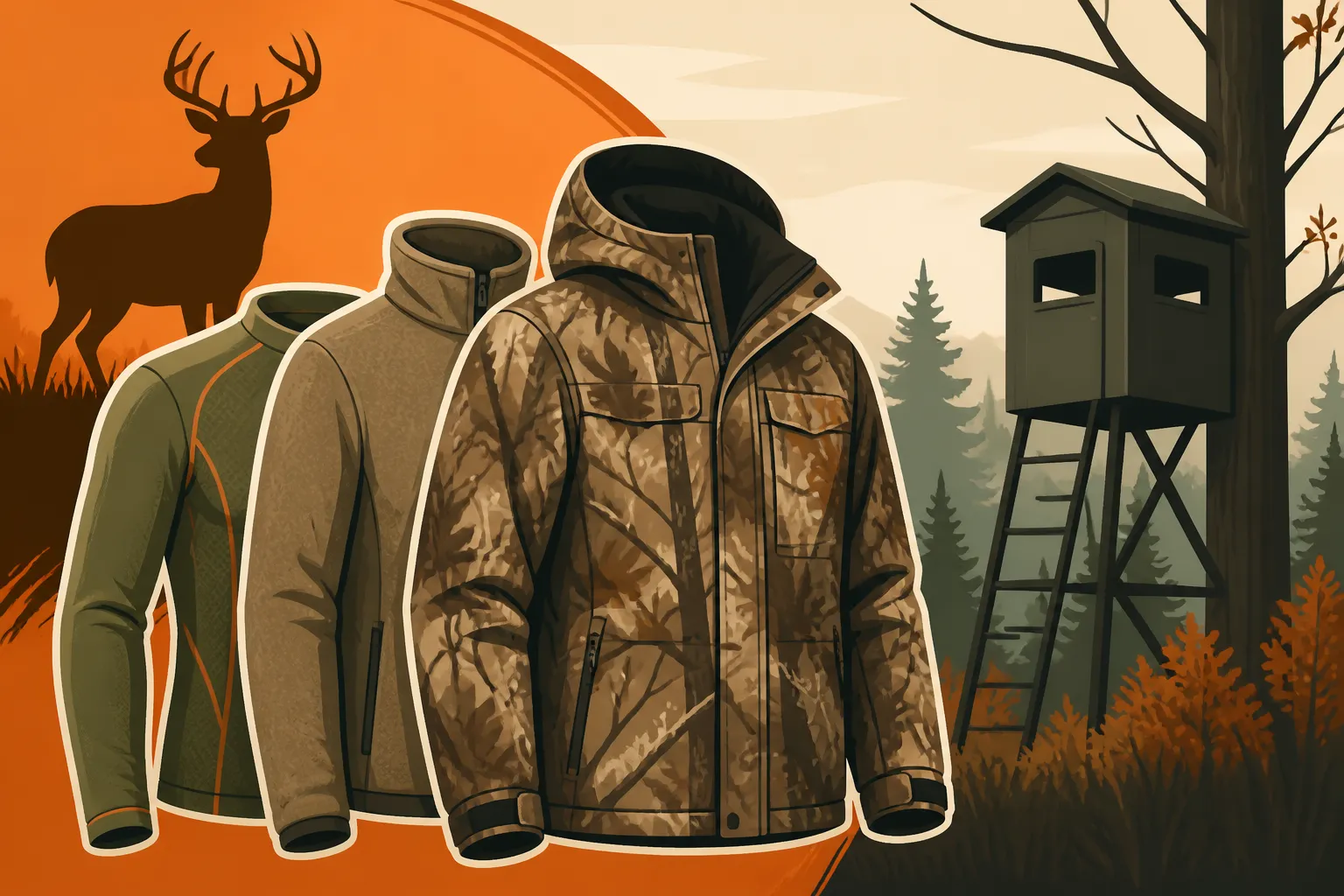
When it comes to mid-layer insulation, fleece and down are two of the most popular and effective materials. Fleece, typically made from synthetic polyester, is a fantastic choice for its versatility, affordability, and ability to retain some insulating properties even when damp. It's breathable, dries relatively quickly, and comes in various weights (from microfleece to heavy-duty grid fleece) allowing you to fine-tune your warmth. A grid fleece, for example, has channels that help regulate temperature, making it excellent for active periods when you need to dump some heat without fully removing a layer. Fleece jackets and vests are quiet, which is a major bonus in the deer woods, and can be easily layered over your base layer and under an outer shell.
Down insulation, often goose or duck down, offers superior warmth-to-weight ratio and incredible compressibility. It's incredibly light and can pack down to a tiny size, making it ideal for carrying in a pack and donning once you're settled on the stand. However, down's major weakness is moisture; it loses almost all its insulating power when wet. For this reason, many hunters prefer down as an insulation layer worn under a waterproof outer shell, or for dry, extremely cold conditions. High-quality synthetic insulation (like Primaloft or Thinsulate) has emerged as a fantastic alternative, offering much of down's warmth and compressibility while retaining insulating power even when wet, making it a more reliable choice for the damp, snowy conditions often found during Muzzleloader Tactics in December Cold or Hunting Wisconsin's Late Archery Season.
Strategic Layering for Changing Temperatures
The beauty of mid-layers is the ability to adjust your warmth as conditions fluctuate. It's never a "one and done" proposition. You might start your walk to the stand wearing a lighter fleece over your base layer, then add a heavier fleece jacket or a synthetic insulated vest once you stop moving. If a bitter cold front rolls in, you might then pull out a packable down or synthetic puffy jacket to wear under your shell.
One effective strategy is to "over-dress" slightly for the walk in, but carry your heaviest mid-layer in your pack. That way, you don't break a sweat getting to your stand, which would dampen your base layer. Once you arrive, you can immediately put on that warm, dry insulation. Alternatively, if you know you'll be active and then stationary, consider wearing just your base layer or a thin mid-layer for the hike, and then adding all your insulating layers once you're perched on your stand. This dynamic approach ensures you're never too hot or too cold, maximizing your comfort and focus during critical moments on stand. Cold Weather Sitting Strategy often hinges on this careful management of insulation.
Here's a quick comparison of common mid-layer materials:
| Material Type | Pros | Cons | Ideal Use Case in Wisconsin |
|---|---|---|---|
| Merino Wool | Excellent warmth-to-weight, still insulates when damp, odor resistant, quiet | Can be slower to dry than synthetics, can be pricier, heavier than synthetics | Base & mid-layers, quiet hunting, variable temps, long sits |
| Synthetic Fleece | Dries quickly, affordable, good warmth-to-weight when dry, breathable | Poor insulation when wet, can be bulky, not always windproof | Mid-layer for active hunting, mild to moderate cold |
| Down | Superior warmth-to-weight, highly compressible, comfortable | Loses insulation dramatically when wet, expensive, requires careful washing | Stationary hunting in dry, extreme cold; outer layer for travel |
| Synthetic Insulation (e.g., Primaloft) | Insulates when wet, good warmth-to-weight, durable, often water-resistant | Can be bulkier than down for similar warmth, less compressible than down | All-around insulation, wet/damp conditions, good outer layer choice |
The Outer Shield: Protecting Against the Elements
The outer layer, often called the shell, is your first line of defense against the harsh realities of the Wisconsin outdoors. Its job is to protect your carefully constructed inner layers from external threats like wind, rain, snow, and even abrasive brush. Without a proper outer shell, even the warmest base and mid-layers can be quickly compromised, leaving you cold and miserable. This layer is crucial for maintaining the integrity of your entire system.
Just like with base and mid-layers, choosing the right outer shell involves balancing protection with breathability and the need for stealth. A shell that's too bulky or noisy will be a detriment, while one that doesn't offer adequate protection will leave you exposed. Think of it as the shield that allows your other layers to do their best work.
Waterproof and Windproof Shells
Wisconsin weather is famously fickle. One moment it's calm, the next a fierce wind howls, driving rain or snow sideways. A good outer shell needs to be both waterproof and windproof. Waterproofing is typically achieved through membranes like Gore-Tex or similar proprietary technologies, which allow sweat vapor to escape (breathability) while preventing external moisture from penetrating. This is vital for staying dry during unexpected showers or light snowfalls often encountered during Hunting the Wisconsin Rut in November. A truly waterproof layer is essential for comfort and safety.
Windproofing is just as important, if not more so, on a cold stand. Wind can strip away your body heat at an alarming rate, a phenomenon known as wind chill. Even on a relatively mild day, a sustained breeze can make you feel significantly colder. A windproof outer shell, whether it's a softshell or hardshell, prevents this convective heat loss, allowing your insulated mid-layers to retain their warmth much more effectively. When you're sitting exposed on a ridge point in Buffalo County, understanding Wind and Thermals in a Coulee and having a solid windproof layer can be the difference between a productive hunt and retreating to the truck.
The Quiet Factor: Fabric Noise on the Stand
While protection is paramount, a hunter's outer layer also needs to be quiet. A stiff, crinkly rain jacket might keep you dry, but the sound it makes every time you move can easily spook a wary whitetail at close range. Imagine slowly raising your bow for a shot, only to have the rustle of your jacket alert the buck. This is a common frustration that many hunters face.
Modern hunting apparel brands understand this dilemma and offer outer shells made from quiet, brushed fabrics that are bonded with waterproof/windproof membranes. These garments often use softer napped materials that minimize sound, even when rubbing against themselves or your pack. When selecting an outer shell, always test its noise level by moving your arms and torso. The quietest options will use soft-face fabrics that don't compromise your stealth. Look for outer layers that are designed specifically for hunting, as they often incorporate quiet zippers, snaps, and fabric choices. Even something as simple as a backpack can produce noise, so choose wisely, especially when carrying your gear into dense cover for Hunting the Wisconsin Northern Forest for Deer.
Adapting Your System to the Wisconsin Seasons
Wisconsin's deer seasons span a wide range of weather conditions, from the mild warmth of early autumn to the bitter cold of late December. A one-size-fits-all layering approach simply won't cut it. To truly master layering, you need to be able to adapt your system to the specific season and the expected forecast, sometimes even within the same day. This flexibility is key to staying comfortable and extending your time in the woods.
Understanding the typical weather patterns and deer behavior for each segment of the season allows you to make informed decisions about your clothing choices. Packing light on some hunts and bringing out the heavy artillery for others is part of the game.
Early Season Comfort and Concealment
Wisconsin's archery season kicks off in mid-September, a time when temperatures can still reach into the 60s or even 70s during the day, cooling significantly at night. The challenge here is staying cool enough during the walk in, while having enough warmth for a chilly morning or evening sit. You're also dealing with abundant foliage, requiring good camouflage and scent control.
For early season, a lightweight, highly breathable merino or synthetic base layer is critical. Your mid-layer might be a light fleece vest or jacket that can easily be shed and stowed in your pack. An uninsulated, quiet softshell or rain jacket can serve as your outer layer for wind and light rain protection, without adding excessive warmth. Scent control is also paramount; make sure all layers are clean and scent-free. You'll want to avoid heavy insulation that causes you to sweat excessively, as that can lead to discomfort and increased human scent. Consider a lightweight pack for your extra layers, like those often seen with the GoHunt app users who track their movements and gear.
Mid-Season Versatility and Cold Management
As October progresses into November, Wisconsin's weather becomes much more variable and generally colder, especially during the crucial rut period. This is when Hunting the Peak Rut Week in Wisconsin requires serious attention to layering. You might encounter crisp, clear days, sudden snowfalls, or cold, driving rain. The key is versatility.
During the mid-season, you'll likely start with a medium to heavy base layer, potentially two mid-layers (e.g., a grid fleece and a puffy synthetic insulated jacket or vest). Your outer shell needs to be robustly waterproof and windproof, often with some built-in insulation. The ability to shed or add layers quickly is vital. Many hunters will walk in with fewer layers on and add their heaviest mid-layer once they are settled on stand. This prevents overheating and sweating during the approach, especially if you're navigating steep terrain in the Driftless Area. Having a reliable mapping tool, like the GoHunt app, to scout your routes and assess potential wind exposure, can help you plan your layering strategy even before you leave the truck.
Late-Season Arctic Defense
Late season, which includes the muzzleloader and Wisconsin's Holiday Antlerless Hunt, often means battling truly frigid temperatures, deep snow, and biting winds. This is where your layering system is put to the ultimate test, and comfort can be the difference between filling a tag and going home empty-handed.
For late season, everything gets heavier and warmer. You might wear a heavyweight merino or synthetic base layer, followed by multiple heavy mid-layers, perhaps a heavy fleece combined with a thick synthetic insulated jacket. Your outer shell will be a heavily insulated, waterproof, and windproof hunting suit designed for extreme cold. Think bibs and a parka-style jacket. For these conditions, proper insulation in headwear, gloves, and Insulated Boots for All-Day Sits is not just about comfort, but safety. You'll prioritize warmth over everything, knowing that sitting still for hours in sub-zero temperatures demands the best gear you can get. Don't forget your Hand Warmers That Last a Full Sit!
Practical Considerations for Deer Stand Success
Beyond the scientific principles of layering, there are practical aspects that can make or break your comfort and effectiveness on a Wisconsin deer stand. It's not just about what you wear, but how you manage it, protect your extremities, and stay organized. Ignoring these details can lead to discomfort, premature departure from your stand, or even missed opportunities.
Paying attention to the smaller details of your layering system and overall gear management will significantly enhance your hunting experience. These are the lessons learned from countless hours spent in tree stands and ground blinds across the state.
Head, Hand, and Foot Protection
Your extremities are often the first parts of your body to get cold, and keeping them warm is paramount for overall comfort. A significant amount of body heat can escape from an uncovered head, so a good quality beanie or insulated hood is essential. For hands, a layering system often works best here too: thin, wicking glove liners for dexterity, covered by warm, insulated mittens or gloves that can be easily pulled off for shooting. Many hunters opt for fingerless gloves or a shooting muffs that offer a good balance of warmth and trigger feel.
For feet, the combination of a good wicking sock (merino wool is excellent here) and an insulated, waterproof boot is non-negotiable, especially when dealing with damp leaves, snow, or muddy trails. Remember, even the best boots won't keep you warm if your socks are cotton and damp with sweat. Always carry an extra pair of dry socks in your Packs for a Day on Public Land. Sometimes, for really cold days, toe warmers can be a game-changer. These small, air-activated packets can provide hours of warmth, especially when tucked into a secondary sock layer.
Staying Mobile and Organized with Your Layers
A great layering system is only effective if you can manage it efficiently. This means being able to add or shed layers quietly and quickly. Your backpack becomes a critical piece of gear here, serving as storage for extra layers, Late-Season Food Sources for Whitetails, and other essentials. Choose a pack with easily accessible compartments and quiet zippers or buckles.
When you pack, consider how you'll access layers. Keep commonly needed items, like your heaviest puffy jacket, on top or in an easily reached pocket. When shedding layers, fold them neatly to minimize bulk and prevent them from rustling. Some hunters even use compression sacks for their puffy jackets to save space. Finally, remember that your layers will dictate your movement. Too many bulky layers can impede drawing a bow or shouldering a rifle. Practice moving in your full hunting attire before opening day to ensure you maintain a full range of motion. This attention to detail, from Scouting Wisconsin Public Land Before Season to how you store your gear, can make all the difference.
Disclaimer
This article is for general informational purposes only and does not constitute professional advice. Laws, prices and regulations vary by location and change over time. Consult a qualified professional for guidance on your specific situation.