Timber Cuts and Where Deer Move After
We’ve all driven past a fresh clear-cut in Wisconsin, or hiked into a block of public land only to find a recent logging operation. It can feel like a punch to the gut, making you wonder where all the deer went and if your hunting spot is ruined. This comprehensive guide is here to demystify how timber cuts, from selective harvests to aggressive clear-cuts, impact deer movement and how you can adapt your hunting strategies to these ever-changing landscapes across our beautiful state.
The Immediate Impact of Timber Operations on Deer
When the chainsaws start humming and the heavy machinery rolls in, it’s a seismic event in the deer woods. The immediate aftermath of a timber cut isn't just about changing the visual landscape; it profoundly affects the deer population, often creating an initial disturbance that sends animals scattering before drawing them back in with new opportunities. Understanding this initial shockwave is key to predicting their first reactions.
Short-Term Displacement and Stress
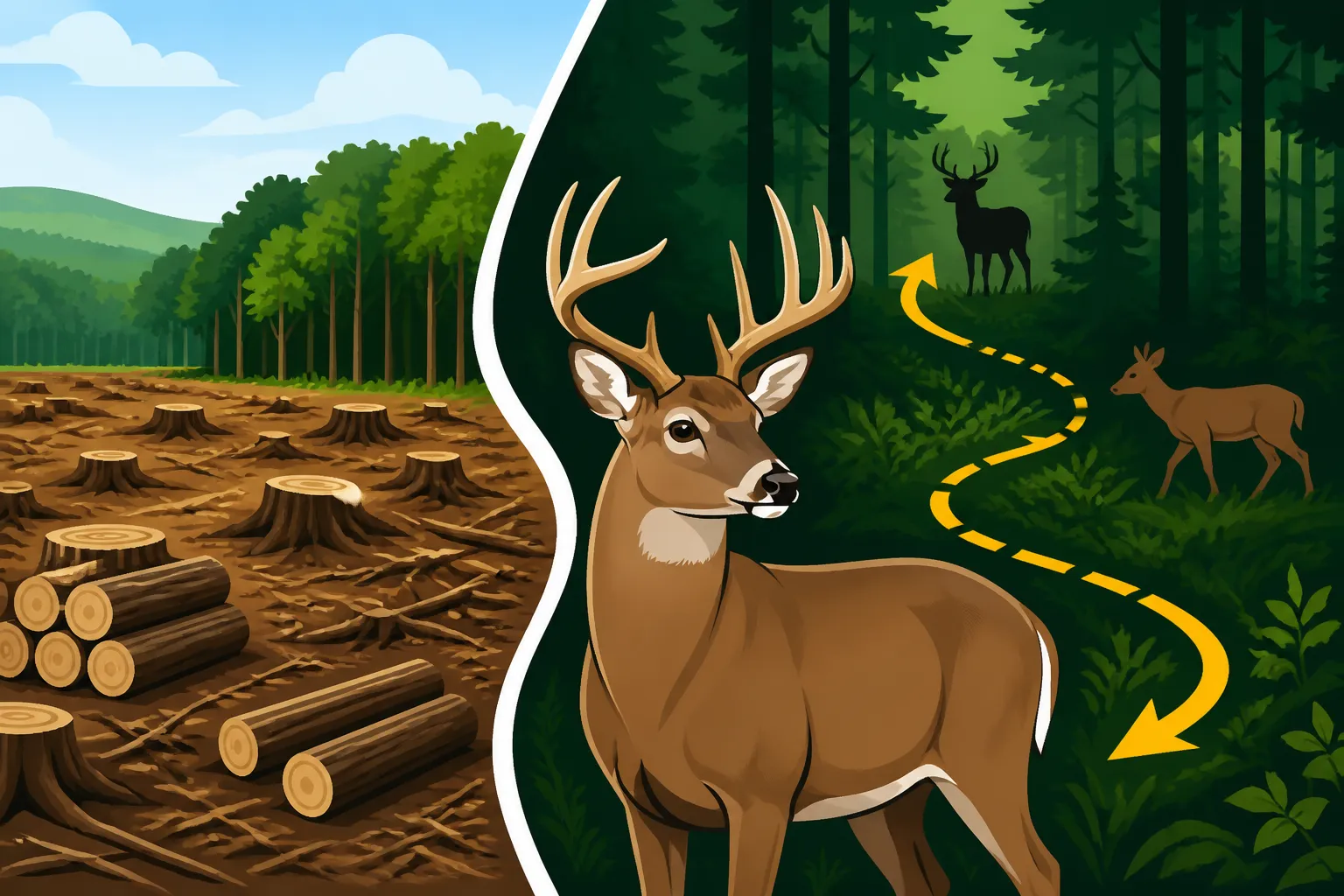
Think about it from a deer's perspective: their quiet, familiar bedding or feeding area suddenly becomes a cacophony of roaring engines, falling trees, and human activity. This isn't just a minor inconvenience; it's a massive threat. Deer are creatures of habit and security, and sudden, intense disturbances trigger their primal flight response. In the immediate days and even weeks following a logging operation, deer will often vacate the affected area entirely. They don't just move a few yards; they might relocate miles away to undisturbed cover, especially if the cut is extensive or ongoing. This displacement isn't just physical; it's also a period of high stress. They're trying to find new safe havens, new food sources, and re-establish their routines, all while potentially being pushed into unfamiliar territory where other deer already exist, leading to increased competition or conflict. It can feel like your hunting season is completely derailed, but this initial scattering is usually temporary, as long as there's suitable refuge nearby.
Residual Cover and Food Sources
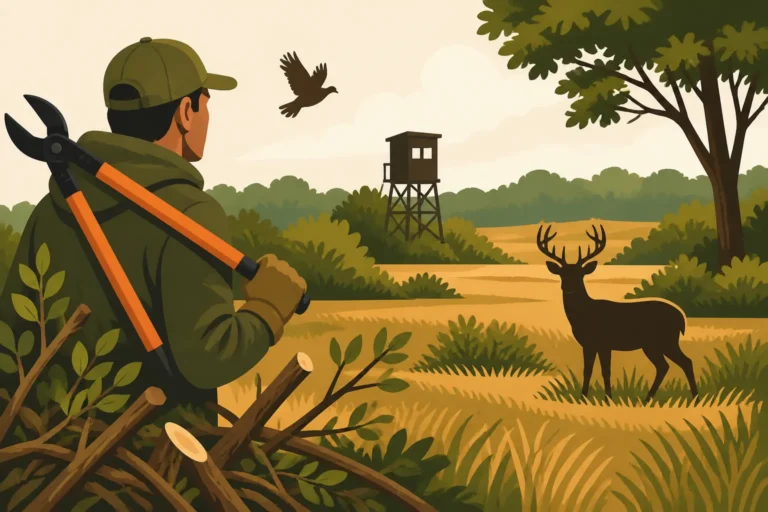
While the heavy machinery is active, deer will bolt. But once the loggers pack up and the noise dies down, the landscape, though altered, begins to offer new opportunities that can draw deer back. Even a "clear-cut" rarely means every stick of timber is gone. There's often a significant amount of "slash" – treetops, limbs, and smaller trees – left behind. This can create surprisingly dense, albeit chaotic, new bedding cover, particularly for fawns and smaller deer seeking refuge from predators. The sheer volume of downed material can make it difficult for hunters to penetrate, but it's exactly what deer need to feel secure. Beyond cover, the act of cutting often brings fresh browse within reach. Before, leaves and tender shoots might have been too high on trees; now, they're on the ground, offering an immediate food source. Furthermore, the increased sunlight hitting the forest floor stimulates rapid growth of herbaceous plants and new woody browse, creating a buffet that can attract deer back surprisingly quickly once the initial shock wears off. These "hidden" resources are often overlooked by hunters who just see the devastation, but savvy deer quickly recognize the new potential.
Understanding Deer Movement in Freshly Cut Areas
Once the initial dust settles and the noise dissipates, deer don't just disappear forever. They begin to cautiously explore and adapt to their new environment. Freshly cut areas, while initially jarring, quickly become dynamic zones that can offer both challenges and immense opportunities for whitetails. Their movement patterns shift dramatically, and understanding these changes is vital for hunters.
Navigating the Slash and Debris
Anyone who has tried to walk through a recent timber cut knows it's a brutal experience. The ground is a tangled mess of branches, tree tops, and stumps. For a deer, this landscape is a double-edged sword. On one hand, it's incredibly difficult to move through silently, making deer more cautious and often pushing them to seek out paths of least resistance. They might utilize old logging roads, skid trails, or game trails that were once overgrown but are now more open due to the activity. On the other hand, this dense, chaotic slash provides an incredible amount of security. A deer can disappear into a pile of tops, virtually invisible from above or from a distance. It's a fantastic place for them to bed during the day, especially if it offers some overhead cover from rain or snow. As hunters, we often avoid these areas because they're so tough to navigate, but that's precisely why deer use them. Their ability to slip through tight spaces far exceeds ours, making these seemingly impenetrable tangles prime bedding locations, especially for mature bucks looking to escape hunting pressure. You might be surprised to find fresh sign deep within a messy area that looks impossible to hunt. Hunting Wisconsin Clearcuts and Aspen Cuts delves deeper into these specific tactics.
New Browse Opportunities
The most significant long-term draw for deer in a cut-over area is the explosion of new plant growth. When sunlight suddenly hits the forest floor that was once shaded, a huge variety of seeds, dormant for decades, spring to life. This, combined with the regeneration of cut saplings and bushes, creates a phenomenal source of new browse. Young aspen shoots, briars, clover, and a multitude of forbs quickly colonize the disturbed soil. Deer will gravitate to these areas for feeding, particularly in the later parts of the season when other food sources become scarce. The sheer density of palatable new growth makes these areas incredibly attractive. Bucks and does alike will spend significant time browsing, often moving from secure bedding in the residual slash or adjacent standing timber directly into these feeding zones. The timing of this new growth depends on the season of the cut and subsequent weather, but it’s a powerful magnet for deer once established. You'll often find trails leading from dense thermal cover into the edges of these clearings, especially in the mornings and evenings.
Long-Term Habitat Evolution and Deer Preference
A timber cut isn't a static event; it's the beginning of a long process of ecological succession. The clear-cut you see today will look vastly different in five, ten, or even twenty years, and deer preferences will evolve right along with it. Understanding these stages is crucial for long-term hunting success.
From Clear-Cut to Regenerating Forest
Initially, a clear-cut looks stark and, to some, desolate. However, within a few growing seasons, it transforms into a dense thicket of young saplings, briars, and various undergrowth. This stage, often referred to as early successional habitat or a young regenerating forest, is incredibly valuable for deer. The sheer density of young trees like aspen, oak, maple, and pine provides both exceptional browse and nearly impenetrable security cover. For a deer, this is a supermarket and a fortress rolled into one. As these trees mature, typically between 5 and 15 years post-cut, the understory can become so thick that it's nearly impossible for a human to walk through, making it a sanctuary for deer escaping pressure. They'll bed in these thickets and browse on the tender tips of the young trees. Later, as the trees grow taller and the canopy closes, shading out the understory, the area becomes less attractive for browsing, though it may still offer thermal cover in winter. The sweet spot for hunting deer in these areas is often when the new growth is between waist and head high, offering both food and security.
Edge Effect and Habitat Diversity
One of the most profound impacts of a timber cut is the creation of new "edge." The transition zone between the clear-cut (or regenerating forest) and the adjacent mature timber is a highly productive area for wildlife, including deer. This "edge effect" combines the best of both worlds: the dense cover and abundant browse of the regenerating cut, and the mature mast-producing trees, thermal cover, and travel corridors of the older forest. Deer will frequently travel along these edges, using them as natural highways between bedding and feeding areas. They feel secure with the dense growth of the cut on one side and the escape routes into mature timber on the other. This habitat diversity attracts a wider array of species and often concentrates deer movement. When you're Setting Up on an Aspen Cut Edge, paying attention to these transition zones can be incredibly productive. Look for natural funnels, pinch points, or slight elevation changes along these edges where deer might be channeled. Scouting these edges using tools like onX Hunt to identify different timber types can reveal prime travel corridors.
Hunting Strategies Around Timber Cuts in Wisconsin
Adapting your hunting strategies to timber cuts requires keen observation, a willingness to get into the thick stuff, and an understanding of how deer use these changing landscapes. It's not about abandoning your old spots but rather adjusting how you approach them.
Scouting and Interpreting New Sign
Scouting around timber cuts becomes a year-round endeavor. During the off-season, before the leaves pop, is an excellent time to get in and see the "bones" of the new terrain. Pay close attention to how deer are navigating the slash. Are there established trails? Are they skirting the edges, or plunging into the depths? Look for fresh browse lines on young saplings, especially in the winter months when deer are stripping bark and twigs. During the hunting season, focus on fresh rubs and scrapes along the edges of the cut and any internal travel corridors, like old skid roads. You’ll often find these Scrape Lines Along a Logging Road. If the cut is dense with young growth, look for "tunnels" through the thicket where deer are pushing their way through. Use your mapping apps like onX Hunt to identify the cut boundaries and then walk the perimeter, looking for entry and exit points. Don't be afraid to put your boots on the ground, even if it's slow going. Finding Sign in Big Timber takes on a new meaning when that timber has been recently altered.
Stand Placement and Approach Routes
Given that deer often use the thick, regenerating growth for bedding and feed in the surrounding edges or adjacent mature timber, your stand placement needs to reflect this. Consider setting up where trails exit the thickest parts of the cut, or along the prominent edges, especially where those edges intersect with natural funnels or pinch points. If the cut is large, deer may bed deep within it, making morning hunts particularly challenging. In such cases, focusing on evening hunts as deer emerge to feed can be more productive. Alternatively, if you're hunting during the Hunting the Wisconsin Rut in November, bucks might be cruising these edges looking for does.
When choosing a specific tree, look for one that provides good concealment both from the deer coming out of the cut and from those moving along the edge. Consider trees that offer a clear shot into potential travel lanes without exposing you. Your approach and exit routes are paramount. You want to get to and from your stand without alerting deer that might be bedded in the thick stuff. Utilize wind direction religiously and use natural terrain features or existing logging roads to minimize your impact. Sometimes, an elevated position on a ridge overlooking a regenerating clear-cut, if available, can provide an excellent vantage point for glassing deer moving in the denser undergrowth before they hit the more open areas. For strategies specific to hunting without bait, which is relevant in some areas affected by CWD, you'll need to rely even more on these natural food and cover dynamics. Hunting Without Bait in a Banned County provides valuable insights into these alternative tactics.
Strategic Considerations for Different Seasons
The attractiveness of a timber cut can vary significantly throughout the hunting season. In early archery season, before heavy frosts, the lush green browse in a younger cut can be a major draw. As the season progresses into late fall and early winter, that thick cover becomes incredibly important for thermal protection, especially in the northern parts of Wisconsin where deep snow and bitter cold are common. Late-Season Food Sources for Whitetails are often found in these cut-overs, as other forage becomes scarce. Deer will seek the sunniest, thickest spots for bedding, and the remaining browse in these cuts can keep them well-fed. During the gun season, the sheer density of a regenerating cut makes it a prime location for deer to escape pressure. Bucks will often hold tight in these areas, moving very little unless pushed. This makes them ideal for carefully executed Deer Drives on Wisconsin Public Land if you have a group, or for still-hunting extremely slowly and methodically. Knowing when and how to approach these areas will significantly increase your odds.
Here's a quick look at how deer generally respond to timber cuts over time:
| Stage of Timber Cut | Deer Behavior & Preferences | Hunting Strategy |
|---|---|---|
| Active Logging | Immediate displacement, high stress, avoidance of area. | Avoid hunting directly in active areas; focus on adjacent undisturbed cover. |
| Freshly Cut (0-1 year) | Cautious return, use of slash for immediate bedding/cover, browse on downed limbs. | Scout for trails entering/exiting slash; focus on edges; use quiet approach. |
| Young Regeneration (1-5 years) | Heavy use for dense bedding and abundant new browse; security cover. | Hunt edges where deer exit; penetration into thickets for bedding areas. |
| Mid-Stage Regeneration (5-15 years) | Peak use for both food (browse) and security (impenetrable cover); excellent fawning areas. | Focus on travel corridors and internal trails; consider elevated stands or ground blinds overlooking openings. |
| Mature Regeneration (15+ years) | Decreased browse as canopy closes; still offers thermal cover, especially pines. | Hunt travel corridors through the maturing timber, focusing on remaining browse pockets or adjacent food sources. |
Disclaimer
This article is for general informational purposes only and does not constitute professional advice. Laws, prices and regulations vary by location and change over time. Consult a qualified professional for guidance on your specific situation.