Where Wisconsin Sharptails Survive
Finding sharp-tailed grouse in Wisconsin can feel like searching for a needle in a haystack, especially for hunters accustomed to chasing ruffed grouse in dense timber. These magnificent prairie-adapted birds require a very specific, ever-shrinking habitat, and without understanding their unique needs, you could walk miles through fantastic looking woods and never see a feather. This comprehensive guide will illuminate the specific landscapes where Wisconsin's sharptails still survive, offering insights into their preferred environments and the challenges they face.
Understanding the Barrens: Sharptail Habitat Explained
When we talk about where Wisconsin sharptails survive, we're really talking about the state's dwindling "barrens" ecosystems. Unlike their ruffed grouse cousins who thrive in the dense, regenerating forest floors of aspen and birch, sharp-tailed grouse are birds of the open country, preferring a mosaic of grasslands, scattered oak and pine savannas, and shrubby areas. This isn't your typical Wisconsin woods, and that's precisely why they're so unique and challenging to hunt.
The Dynamics of a Barrens Landscape
A true barrens landscape is characterized by sandy, well-drained soils, often dotted with scattered jack pine, scrub oak, and open grassy patches. Historically, these areas were maintained by frequent wildfires, ignited by lightning or Native American practices, which prevented dense forest from taking over. This natural disturbance created the open, shrubby habitat that sharptails absolutely depend on for their survival. They need these open areas for their elaborate courtship displays, known as leks, and the low, dense cover for nesting and brood-rearing.
Think of it as a patchwork quilt of vegetation. You'll find short grasses mixed with blueberries, sweetfern, and other low-growing plants. Interspersed are small groves of young pines or oaks, providing just enough cover to escape a hawk or owl, but not so much that it obstructs their view or flying space. It’s a delicate balance that has been largely lost across much of their historic range. The absence of fire, coupled with widespread agricultural conversion and forest encroachment, has squeezed these birds into isolated pockets.
Why Sharptails Need Open Habitat
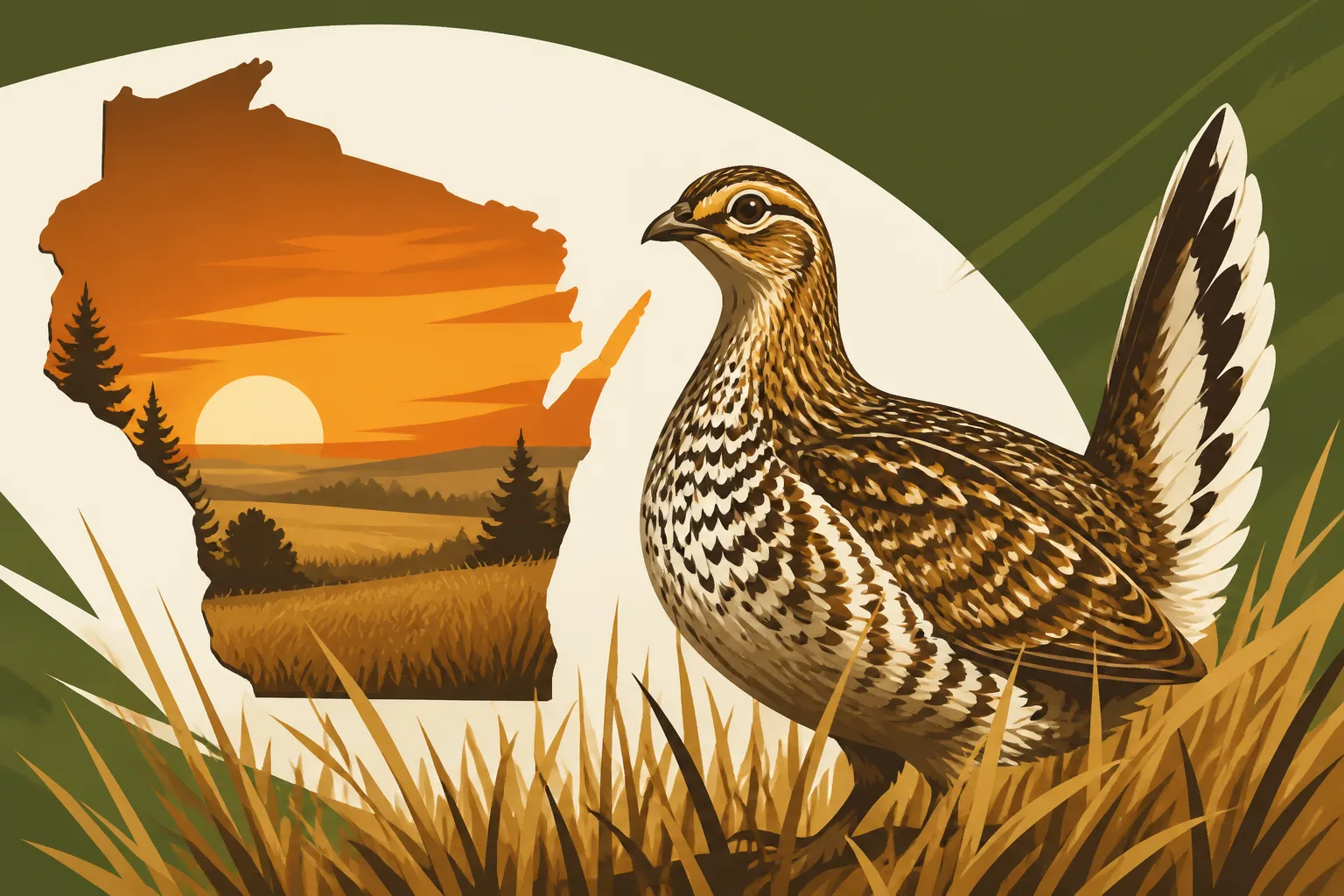
Sharptails are truly creatures of the open spaces. Their famous mating dance, performed on communal display grounds called "leks," requires clear visibility and open ground. Imagine a group of male sharptails, fanning their tails, stomping their feet, and inflating their purple air sacs, all trying to attract a hen. They need an arena for this, a stage free from tall trees or dense undergrowth that would block their view of approaching predators or competing males. These leks are central to their social structure and reproduction.
Beyond the leks, young sharptails, or chicks, feed heavily on insects, which are more abundant in the diverse, sun-drenched flora of the barrens. The low, dense shrub cover provides crucial nesting sites, camouflaging eggs and young from predators like foxes and raptors. As the season progresses, they'll use different parts of the barrens, sometimes seeking shelter in the edges of young forest stands during harsh weather, but always returning to the open areas for feeding and roosting. Barrens Habitat and Sharptail Numbers are intrinsically linked; without this specific type of environment, their populations simply cannot sustain themselves.
Key Sharptail Strongholds in Wisconsin
While their numbers are a shadow of what they once were, Wisconsin still holds onto precious pockets where sharp-tailed grouse can be found. These are primarily concentrated in the northwestern part of the state, an area historically defined by vast pine barrens that managed to escape some of the intensive agricultural and forestry changes seen elsewhere.
Douglas County: The Heart of Barrens Country
Douglas County is often considered the epicenter of Wisconsin's remaining sharp-tailed grouse population. Here, large tracts of public land are actively managed to preserve and restore barrens habitat. The St. Croix River State Forest and large portions of the Douglas County Forest offer some of the best opportunities to find these birds. These areas are characterized by extensive areas of jack pine, scrub oak, and open grasslands, often showing signs of recent prescribed burns or mechanical brush cutting.
When you're Hunting Sharptails on Wisconsin Barrens, you'll notice that the terrain is generally flat to gently rolling, a stark contrast to the coulees and ridges of the Driftless Area. Access is usually good, with many logging roads and fire lanes, but don't expect to find birds right off the main road. Sharptails often inhabit areas with slightly more mature, yet still scattered, jack pine or scrub oak that offer some vertical cover. Look for edges where these sparse woods meet open grassy patches. A mapping tool like GoHunt can be incredibly useful here, allowing you to identify areas with the right vegetation mix and recent habitat management activities, as well as showing you the boundaries of Douglas County Barrens Public Ground.
Burnett and Washburn Counties: Expanding Opportunities
South and east of Douglas County, Burnett and Washburn counties also host significant, though more fragmented, barrens habitat. Crex Meadows Wildlife Area in Burnett County is perhaps the most famous and actively managed sharp-tailed grouse area in the state. This expansive wildlife area is a testament to dedicated conservation efforts, with regular prescribed burns and intensive habitat work creating a mosaic of grasslands, sedge meadows, and brushy cover. Crex Meadows Wildlife Area Hunting offers unique challenges and rewards for the dedicated sharptail hunter.
Beyond Crex, you'll find other promising areas within the Burnett County Forest and Washburn County Forest. While perhaps not as concentrated as Douglas County, these areas still contain crucial pockets. Often, these birds might be found in transition zones, where old farm fields are slowly reverting to brush and scattered trees, or where small, privately owned parcels are managed with a "less is more" approach to timber. Don't overlook these areas; sometimes, less pressured birds can be found away from the most well-known public hunting grounds. The key is seeking out areas that are actively undergoing or have recently undergone habitat management specifically for openland species.
Other Potential Pockets and Private Lands
While the northwestern counties are the primary focus, it's worth noting that smaller, isolated populations might exist elsewhere, particularly on private lands where landowners are actively managing for open or savanna-like conditions. However, these are exceedingly rare and generally not accessible to the public. For the average hunter, focusing on the well-known public lands with active management is the most viable strategy.
Understanding that these birds are rare and geographically limited is crucial. Don't expect to stumble upon them like you might a pheasant or ruffed grouse. Hunting sharptails requires specific knowledge, targeted scouting, and often a willingness to walk considerable distances through their preferred habitat. Using aerial imagery from mapping apps like GoHunt can help you spot the characteristic patchwork of open areas and low woody cover before you even step foot on the ground. This visual scouting, combined with knowledge of where the Sharptail Management Areas in Wisconsin are located, will greatly increase your chances of success.
Conservation and the Future of Wisconsin Sharptails
The story of Wisconsin's sharp-tailed grouse is inextricably linked to habitat conservation. Their current survival is a direct result of decades of hard work by dedicated individuals and organizations. Without these ongoing efforts, it's highly likely that sharptails would have vanished from Wisconsin altogether.
The Role of Habitat Management
The primary challenge facing sharp-tailed grouse is habitat loss and degradation. As fire was suppressed over the last century, dense forests encroached on their preferred barrens, choking out the open conditions they need. Modern conservation efforts, often led by the Wisconsin Department of Natural Resources (DNR) in partnership with groups like the Wisconsin Sharp-tailed Grouse Society and the Ruffed Grouse Society, focus heavily on habitat restoration.
This restoration typically involves a combination of methods:
- Prescribed Burns: Controlled fires are the most effective tool for mimicking historical fire regimes, clearing out woody vegetation, and promoting the growth of grasses and forbs that sharptails depend on. These burns are carefully planned and executed to ensure safety and ecological benefit.
- Mechanical Treatment: In areas where fire isn't feasible or where woody growth is too dense, machinery like brush cutters and masticators are used to remove trees and shrubs, opening up the canopy and creating the necessary low cover.
- Timber Harvesting: Selective timber harvests, particularly of mature jack pine and scrub oak, can also be used to create younger, more open stands that benefit sharptails, though this needs to be done carefully to avoid creating habitat more suited for ruffed grouse.
These management techniques aren't a one-time fix; they require continuous effort and significant funding to maintain the dynamic barrens ecosystem. Areas like Crex Meadows are prime examples of this ongoing commitment. The DNR's comprehensive approach to Sharp-Tailed Grouse Range in Wisconsin reflects this long-term dedication.
How Hunters Contribute to Sharptail Survival
It's easy to think of hunting as simply taking game, but for species like the sharp-tailed grouse, hunters are absolutely vital conservation partners. The funds generated through the sale of hunting licenses and stamps directly support habitat management programs, land acquisition, and research. Every time a hunter buys a license, they're contributing to the very efforts that keep sharptails on the landscape.
Furthermore, sharptail hunters themselves often become passionate advocates for barrens conservation. They are often the first to notice changes in habitat or declines in bird numbers, and their dedication helps rally support for critical projects. These birds, while challenging to pursue, offer a truly unique hunting experience that connects you directly to a rare and beautiful ecosystem. Experiencing a flush of sharptails over a point dog in an open barrens landscape is something you won't soon forget, and it underscores the importance of protecting these special places for future generations.
The Ongoing Challenge and a Hope for the Future
Despite the efforts, Wisconsin's sharptail population remains small and vulnerable. Habitat fragmentation, climate change, and the ongoing battle against forest encroachment present continuous hurdles. The birds are sensitive to changes in their environment, and a harsh winter or a poor nesting season can have a significant impact on local numbers.
However, there is hope. The knowledge and dedication of conservationists, combined with the financial support of hunters, mean that these efforts will continue. New techniques are constantly being explored, and a deeper understanding of sharptail ecology helps refine management strategies. While you might not find sharptails just anywhere in Wisconsin, knowing Where Wisconsin Sharptails Survive gives you a roadmap to some of the state's most unique and hard-won hunting experiences, and a chance to witness a truly special bird in its element.
Disclaimer
This article is for general informational purposes only and does not constitute professional advice. Laws, prices and regulations vary by location and change over time. Consult a qualified professional for guidance on your specific situation.