Wisconsin Deer Vehicle Collisions
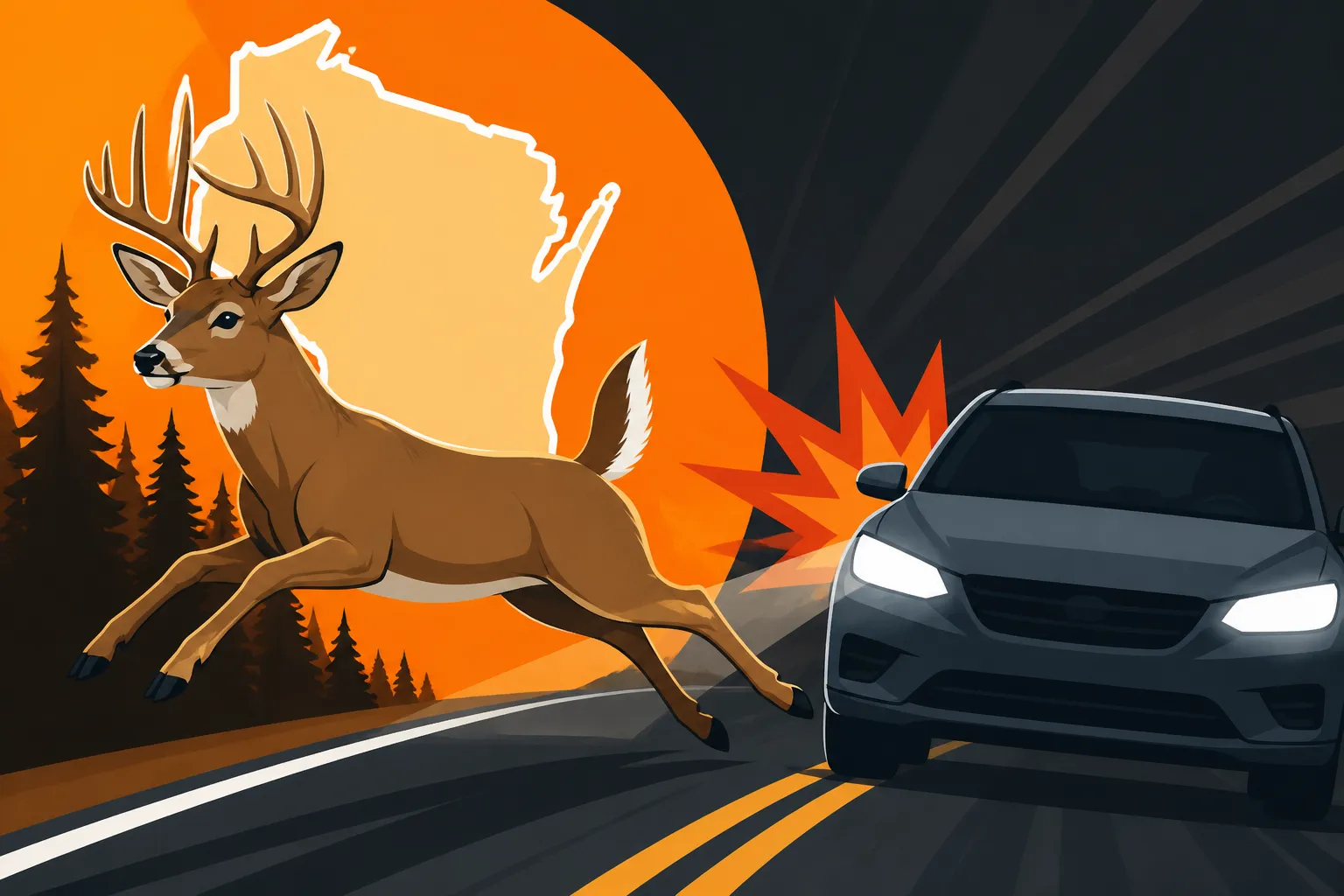
There's nothing quite as jarring, frightening, and potentially costly as a deer vehicle collision. Here in Wisconsin, where our landscape is rich with beautiful whitetails, this isn't just a minor risk; it's a constant, often terrifying reality for drivers, especially during certain times of the year. This guide is here to walk you through why these incidents are so common in our state, what you absolutely need to do if you find yourself in such a situation, and how you can try to prevent them in the first place, keeping both yourself and our deer safe.
The Unfortunate Reality of Wisconsin Deer Vehicle Collisions
Living and driving in Wisconsin means living with deer. They are an iconic part of our wild landscape, but their presence on our roads leads to thousands of collisions every year. It's a frustrating, often terrifying experience that leaves many drivers wondering why it seems so prevalent here.
Why Wisconsin is a Hotspot for Deer-Related Accidents
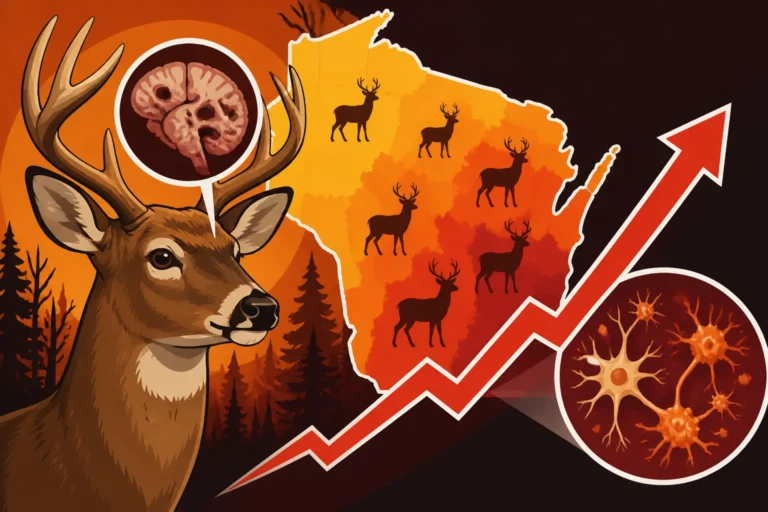
Wisconsin's natural beauty and diverse habitats are a haven for white-tailed deer, leading to a robust and widespread deer population. From the vast forests of the north to the sprawling farmlands of the south, deer thrive. This abundance means more deer are frequently moving across our extensive network of roads and highways. Human development, with its ever-expanding roads and communities, often cuts right through prime deer habitat and their established travel corridors. Imagine a herd living in a woodlot, needing to cross a busy state highway to reach a cornfield or another patch of woods. This daily movement, driven by feeding habits, breeding cycles, and predator avoidance, puts them directly in the path of vehicles. When you factor in the sheer number of deer in the state, it creates an unavoidable recipe for increased deer vehicle collisions compared to many other regions. Understanding the statewide Wisconsin Deer Population Estimate gives a clearer picture of this extensive presence.
Moreover, deer behavior itself contributes significantly. Deer are creatures of habit, often using the same trails and crossings year after year. While hunters spend countless hours using tools like GoHunt to map out these patterns for hunting success, drivers are often unaware of these invisible pathways. The expansion of suburban areas means deer are increasingly comfortable living near human activity, sometimes even frequenting residential areas, blurring the lines between "wild" and "developed" spaces where they might encounter vehicles. This constant interface between wildlife and infrastructure means that no matter how good a driver you are, the chance of a sudden deer encounter is ever-present.
Understanding the Peak Times for Deer Crashes
Deer aren't just crossing roads randomly all day long. There are very specific times when you need to be extra vigilant, and understanding these patterns can be a huge part of prevention. The most dangerous time of year, hands down, is during the fall, particularly October and November. This aligns perfectly with what we call the rut—the deer breeding season. Bucks are actively searching for does, often covering vast distances and throwing caution to the wind. Does, in turn, are more active, either trying to find bucks or avoid their relentless pursuit.
Beyond the seasonal peak, daily patterns also play a critical role. Deer are crepuscular, meaning they are most active during dawn and dusk. Think about your morning commute as the sun is just rising, or your drive home as twilight settles in. These low-light conditions are exactly when deer are on the move, making them incredibly difficult to spot against the dim backdrop. Their natural camouflage blends seamlessly with the environment, and by the time headlights illuminate them, it can often be too late to react. Combining the rut with dawn and dusk driving creates a perfect storm for accidents.
Immediate Steps After Hitting a Deer in Wisconsin
No one ever wants to experience a deer collision, but if it happens, knowing exactly what to do can make a huge difference in safety, legal compliance, and your insurance claim. Panic is a natural reaction, but a clear head can prevent further issues.
Prioritizing Safety and Assessing the Scene
Your safety, and the safety of any passengers, is the absolute first priority after hitting a deer. As jarring as it is, try to remain calm. Immediately pull your vehicle over to the side of the road, if it's safe and operable to do so. Get as far off the main roadway as possible to avoid being struck by oncoming traffic. Engage your hazard lights to warn other drivers of your presence. Once stopped, take a moment to assess yourself and your passengers for any injuries. Even minor bumps can sometimes be more serious than they initially appear due to the adrenaline.
Next, take a look at your vehicle. Is there significant damage? Is it still safe to drive? If fluids are leaking, tires are damaged, or you suspect major mechanical issues, it's best not to move the vehicle further. While it's natural to want to check on the deer, never approach an injured or stunned deer. A wounded deer can be incredibly dangerous and unpredictable, capable of kicking or thrashing violently. Keep a safe distance. If you have flares or reflective triangles, deploy them to further alert other motorists, especially if you're on a blind curve or crest of a hill.
Reporting the Incident: Law Enforcement and Insurance
Once you've ensured immediate safety, the next crucial step is to report the incident. In Wisconsin, if there's significant damage to your vehicle, any injuries to occupants, or if the deer is blocking the roadway, you should call local law enforcement (sheriff's department, city police, or state patrol). Even if the damage seems minor, a police report can be incredibly valuable for your insurance claim. Many insurance companies require a police report for comprehensive claims related to wildlife collisions, so don't skip this step. The officer can document the scene, assess the situation, and determine if the deer needs to be removed from the roadway.
After contacting law enforcement, your next call should be to your insurance provider. The sooner you report the incident, the smoother the claims process will likely be. Be prepared to provide details like the time and location of the accident, the extent of vehicle damage, and whether law enforcement was contacted. It's also wise to take photos of the scene, including your vehicle damage, the deer (from a safe distance), and the surrounding area. These visual aids can support your claim. Even if you don't plan to keep the deer, reporting it is a responsible action that helps the state monitor Wisconsin Deer Harvest Records and overall wildlife impacts.
Dealing with the Deer: Legality and Logistics
After the shock of the collision, you might be left wondering what happens to the deer itself. In Wisconsin, there are specific rules and procedures if you're interested in keeping the animal or if it simply needs to be removed.
The "Deer Tag" and Salvaging the Carcass
In Wisconsin, if you hit and kill a deer with your vehicle, you generally have the option to legally salvage the carcass for consumption. However, this isn't simply a matter of throwing it in your truck. You need to follow a specific process to obtain a "carcass tag" or authorization from law enforcement. Typically, when you report the accident to the sheriff's department or state patrol, they will issue you a permit number that allows you to legally take possession of the deer. This permit often needs to be obtained before you move the deer. It's important to understand that this is for the deer involved in the collision; you cannot take other deer you might see nearby, for example.
Once you have the necessary authorization, the practicalities begin. Field dressing a deer on the side of the road can be a messy and challenging task, especially if you're unprepared or if the deer is large. Many hunters are familiar with the process from their time in the woods during Wisconsin's Nine-Day Gun Deer Season, but doing it under roadside conditions is different. You'll need gloves, a sharp knife, and a plan for how to transport the carcass. Consider the size of your vehicle and whether you have a tarp or game bags to keep your interior clean. Even with a permit, always be mindful of Wisconsin Carcass Transport Rules, especially if you're crossing county lines, as CWD zones might have specific restrictions.
When to Leave the Deer Where It Is
While salvaging a deer can be an economical way to acquire venison, there are many situations where it's simply not advisable or safe to do so. The most critical factor is safety. If you're on a busy highway with high-speed traffic, attempting to field dress or load a deer can put you in grave danger. No amount of venison is worth risking another accident or your own life. Similarly, if the deer is still alive and thrashing, it's far too risky to approach. Law enforcement will often dispatch severely injured animals to prevent further suffering and ensure public safety.
Another reason to leave the deer is if it's simply too large for you to handle alone or if your vehicle isn't equipped to transport it. A mature buck can weigh well over 200 pounds, and trying to load it single-handedly into a small car is often impractical, if not impossible. Additionally, the condition of the deer might make it undesirable to salvage. If the impact has caused extensive damage to the meat, or if the deer has been lying on the roadway for an extended period, it might not be suitable for consumption. In these cases, it's best to let law enforcement or the highway department handle the carcass removal. Using mapping apps like GoHunt can help you pinpoint your exact location for authorities, making it easier for them to find and remove the animal.
Preventing Deer Vehicle Collisions: Proactive Measures
While you can't control every variable on the road, there are definitely things you can do to significantly reduce your chances of hitting a deer. A little proactive thinking can go a long way in avoiding a costly and stressful incident.
Defensive Driving Techniques in Deer Country
The number one defense against deer collisions is always defensive driving, especially when you know you're in deer country. This means reducing your speed, particularly during dawn, dusk, and nighttime hours, and especially during the peak fall rut season. Slower speeds give you more time to react if a deer suddenly appears. It's also crucial to consistently scan both sides of the road ahead, not just the pavement directly in front of your bumper. Deer often dart out from the shoulders, and an early glimpse of their eyes or a shadowy form can give you those precious extra seconds.
Another critical tip: if you see one deer, assume there are more. Deer rarely travel alone. If one crosses the road, keep your eyes peeled for others that might follow closely behind. Using your high beams whenever possible, especially on rural roads without oncoming traffic, significantly improves your visibility. It illuminates the roadside and helps you spot deer further away. However, be ready to dim them instantly for approaching vehicles. Avoid swerving violently to miss a deer. While instinct might tell you to swerve, it's often more dangerous as it can lead to losing control, hitting another vehicle, or striking a fixed object like a tree. Braking firmly and staying in your lane is generally the safer option, even if it means hitting the deer. For areas where deer densities are higher, perhaps indicated by the Reading a Wisconsin Harvest Report for your county, exercise even greater caution.
Vehicle Technology and Aftermarket Solutions
Modern vehicle technology is continually advancing, and some features can indirectly aid in deer avoidance. Advanced Driver-Assistance Systems (ADAS) in newer cars, such as forward collision warning with automatic emergency braking, can sometimes detect large objects like deer and either warn the driver or initiate braking. While these systems aren't foolproof against fast-moving animals, they can offer an extra layer of protection. Some vehicles also come with enhanced lighting options, like adaptive headlights that turn with the steering wheel, improving visibility around curves.
When it comes to aftermarket solutions, many drivers consider deer whistles. These small devices are designed to emit a high-frequency sound, supposedly scaring deer away. However, scientific studies have largely shown them to be ineffective. Deer often don't react to them, or react too late. A more effective aftermarket option for regular night drivers in deer-heavy areas might be auxiliary lighting, such as high-quality LED light bars. These greatly increase your field of vision at night, helping you spot deer much further down the road, giving you more time to react. Remember to check local regulations for auxiliary light use, as some are only legal off-road or require covers on public highways. Always prioritize proven safety measures over unverified deterrents. When you're Scouting With the Wisconsin Hunt Wild App, you're learning about deer habits; applying that knowledge to your driving routes can also be a preventive measure.
| Time of Day | Risk Level | Driving Advice |
|---|---|---|
| Dawn (30 min before sunrise to 30 min after) | High | Slow down, use high beams (if safe), scan both sides of the road, be extra vigilant. |
| Day (Mid-morning to late afternoon) | Moderate | Remain aware, especially near woodlots, fields, and deer crossing signs. Less critical, but still present. |
| Dusk (30 min before sunset to 30 min after) | High | Slow down significantly, use high beams (if safe), assume deer are moving, watch for multiple deer. |
| Night (After dark) | High | Maximize visibility with high beams, reduce speed, scan for eye shine. Be prepared for sudden appearances. |
| Season | Risk Level | Driving Advice |
| Spring/Summer | Moderate | Fawns are born, does are protective. Young deer learning to navigate. Still exercise caution. |
| Fall (Oct-Nov) | Extreme | This is the peak rut. Deer are highly active, often oblivious. Slow way down, be constantly alert. |
| Winter (Dec-Mar) | High | Deer are seeking food sources, often crossing roads. Can be harder to spot against snow, especially at night. |
Disclaimer
This article is for general informational purposes only and does not constitute professional advice. Laws, prices and regulations vary by location and change over time. Consult a qualified professional for guidance on your specific situation.