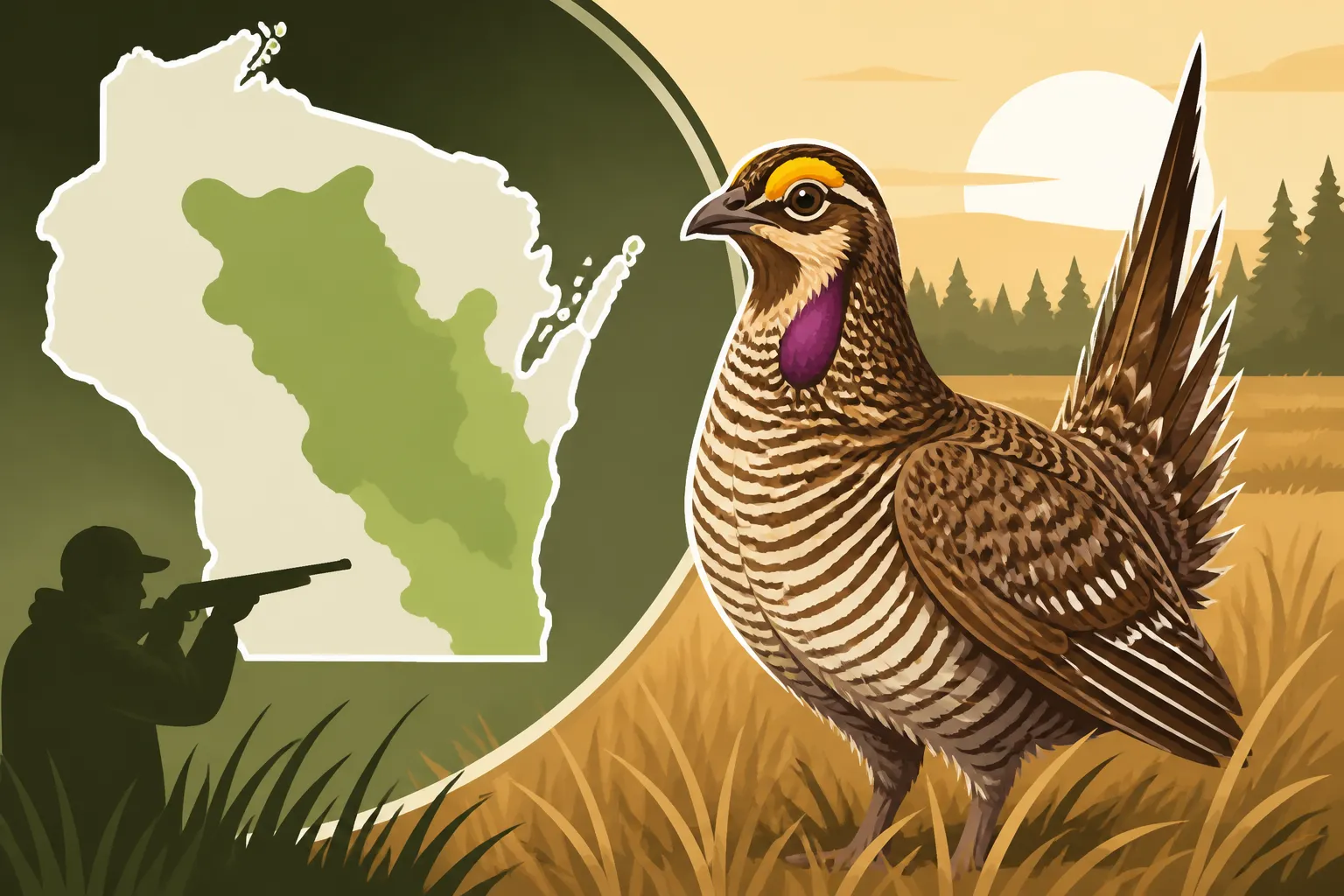
Sharp-Tailed Grouse Range in Wisconsin
For many Wisconsin upland bird hunters, the sharp-tailed grouse is almost a mythical creature. It's not like the ruffed grouse or pheasants that you might encounter in a variety of cover types across the state; finding a sharpie means understanding a very specific, rare habitat. It can be incredibly frustrating to drive for hours, searching vast tracts of public land only to realize you're not even in the right kind of woods. This guide is here to unravel the mystery of Wisconsin's sharp-tailed grouse range, detailing their habitat needs, historical presence, and where you can still find and pursue them today.
Understanding Wisconsin's Sharp-Tailed Grouse Habitat Needs
Sharp-tailed grouse, often just called "sharptails" by those in the know, aren't your typical woodland birds. Unlike ruffed grouse that thrive in young, regenerating forests with a dense understory, or pheasants that prefer agricultural landscapes and grassy cover, sharptails are birds of the open country. Their survival hinges on a very specific, fire-dependent ecosystem known as "barrens."
The Unique Barrens Ecosystem
When we talk about barrens in Wisconsin, we're referring to unique landscapes dominated by prairie grasses, sedges, wildflowers, and scattered pockets of pine or oak trees, often stunted or scrubby. Historically, these areas were maintained by natural wildfires that swept through regularly, preventing forests from taking over. This constant disturbance created a patchwork of open grasslands, brushy areas, and sparse timber – perfect habitat for sharp-tailed grouse. These birds need vast expanses of relatively treeless country for dancing grounds (leks), nesting cover, brood-rearing, and foraging. They are masters of blending into this open environment, often relying on their camouflage to avoid predators. The open nature of barrens also means they often encounter a mix of food sources that aren't typically found in dense forests, such as seeds from grasses, berries from shrubs, and insects. It's this reliance on a specific type of open habitat that makes their presence in Wisconsin so limited.
Why Succession Hurts Sharptails
Natural ecological succession is the enemy of the sharp-tailed grouse. Without periodic disturbances like fire or targeted timber harvesting, barrens areas will naturally transition into dense forests. Small pines and oaks will grow taller and thicker, eventually shading out the grasses and shrubs that sharptails depend on. This loss of open space reduces their visibility to predators like raptors, but more importantly, it eliminates the specific vegetation structure they need for every stage of their life cycle. Their famous dancing grounds, or leks, where males gather to perform elaborate courtship rituals, require clear, open ground. Nests are often concealed in clumps of grass or low brush, and chicks need open areas with abundant insects for protein. When the canopy closes in, these vital components disappear. This is why active habitat management is so crucial for maintaining the few remaining sharp-tailed grouse populations in Wisconsin; simply letting nature take its course would inevitably lead to their complete disappearance from the state.
Historical Range and Decline of Sharp-Tailed Grouse in Wisconsin
Understanding where sharptails once roamed gives us a stark perspective on how much their world has shrunk. They were once a much more widespread species across Wisconsin than they are today, closely tied to the state's natural ecological patterns.
From Ubiquity to Niche
In the pre-settlement era, sharp-tailed grouse were found in significant numbers across the northern and central portions of Wisconsin. These areas featured extensive pine and oak barrens, wetlands, and open plains, all shaped by frequent fires, both natural and those set by Native Americans. The birds thrived in this dynamic landscape, moving with the cycles of disturbance and regeneration. They weren't just confined to the extreme northwestern part of the state as they largely are now; historical accounts suggest they occupied a much broader swath of habitat, making them a more common game bird for early residents and settlers. The scale of their historic range highlights just how much of Wisconsin's original open, barrens habitat has been lost or significantly altered over the centuries, turning a once relatively common bird into a species of special concern.
Impact of European Settlement
The arrival of European settlers dramatically altered Wisconsin's landscape, and with it, the fortunes of the sharp-tailed grouse. Intensive logging practices, while initially creating some temporary open areas, were quickly followed by widespread fire suppression efforts. Settlers viewed wildfires as destructive and worked diligently to prevent them, not realizing they were extinguishing a vital ecological process. This fire suppression allowed forests to grow unchecked, leading to the rapid conversion of barrens into dense timber. Furthermore, agricultural expansion consumed vast stretches of open land, particularly in the southern and central parts of the state, further fragmenting and eliminating critical sharp-tailed grouse habitat. The cumulative effect was devastating, pushing the birds into smaller, isolated pockets where their populations dwindled, teetering on the brink of extirpation in many areas. This period illustrates a classic example of human impact on a species whose survival is inextricably linked to specific ecological conditions that were rapidly changing.
Current Strongholds and Management Efforts
Despite the historical decline, dedicated conservation efforts have helped maintain small, but important, sharp-tailed grouse populations in Wisconsin. These efforts are often intensive and require significant commitment.
The Core Barrens Regions Today
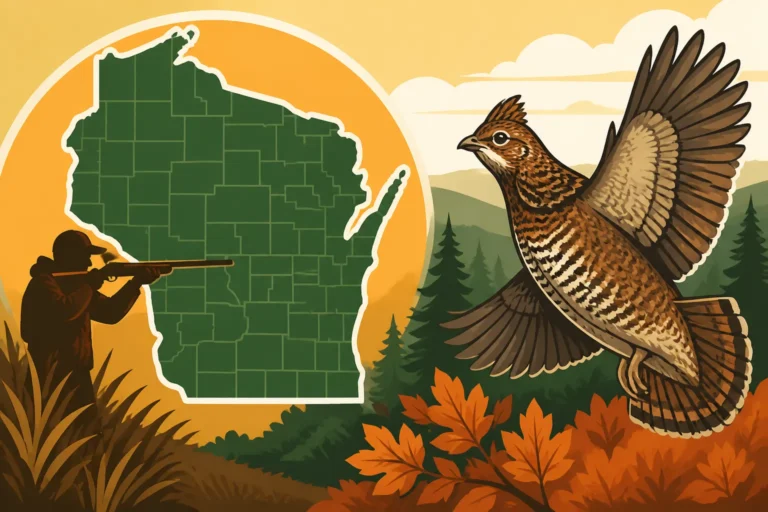
Today, if you're looking for sharp-tailed grouse in Wisconsin, your focus will be primarily on a few specific areas, most notably in the northwest part of the state. The most prominent strongholds are located in the extensive barrens ecosystems of Douglas, Burnett, and Bayfield counties. These regions, particularly the Douglas County Barrens and the Namekagon Barrens Wildlife Account Area, represent some of the largest remaining tracts of suitable habitat. These areas are actively managed to maintain the open, shrubby, and grassy conditions that sharp-tailed grouse require. You won't find significant, self-sustaining populations of sharptails much outside of these core areas, as the necessary habitat conditions simply don't exist elsewhere in sufficient size or quality. For a deeper understanding of these birds, you can learn more about where Wisconsin Sharptails Survive, which details the specific landscapes that host these unique birds.
| Barrens Area | Primary Counties | Key Habitat Type | Management Focus |
|---|---|---|---|
| Douglas County Barrens | Douglas County | Pine Barrens, Grassland | Prescribed Fire, Mechanical Brush Removal |
| Namekagon Barrens WA | Burnett, Bayfield Counties | Oak/Pine Barrens | Timber Harvest, Fire, Grassland Restoration |
| Crex Meadows Wildlife Area | Burnett County | Wetland/Prairie/Barrens | Fire, Water Level Management, Prairie Planting |
| St. Croix Flowage Barrens WA | Douglas County | Pine Barrens | Fire, Forest Thinning |
Note: Wildlife Areas (WA) are actively managed by the Wisconsin DNR.
Conservation Strategies and Partnerships
The survival of sharp-tailed grouse in Wisconsin is a testament to ongoing, proactive conservation. The Wisconsin Department of Natural Resources (DNR) works closely with various partners, including conservation groups like the National Wild Turkey Federation (yes, they do more than just turkeys!), local land trusts, and federal agencies, to manage and restore barrens habitat. The primary tools in their arsenal are prescribed fire, mechanical brush removal, and targeted timber harvests. Prescribed burns are carefully planned and executed fires that mimic natural processes, clearing out woody vegetation and promoting the growth of native grasses and forbs. Mechanical treatments involve using heavy equipment to cut and clear undesirable trees and shrubs. These efforts are expensive and labor-intensive but are absolutely critical for maintaining the open habitat that sharptails need to survive. Beyond direct habitat work, research and monitoring are ongoing to track population trends and refine management techniques, ensuring the best possible outcomes for this unique game bird. These partnerships are vital because the scale of land management needed often extends beyond what any single entity could accomplish alone.
Finding Sharp-Tailed Grouse Public Hunting Opportunities
For the adventurous upland hunter, the pursuit of sharp-tailed grouse offers a unique challenge and a deep dive into some of Wisconsin's most distinctive landscapes. While their range is limited, there are still public access points.
Key Public Lands for Sharptails
Your best bet for finding public hunting opportunities for sharp-tailed grouse will be within the designated sharp-tailed grouse management areas. These are lands specifically managed by the Wisconsin DNR for barrens habitat, often under the banner of State Wildlife Areas. Prime examples include the Douglas County Wildlife Area, the Namekagon Barrens Wildlife Account Area, and the expansive Crex Meadows Wildlife Area in Burnett County. These areas are specifically designed and managed to provide the habitat sharptails need. When planning a trip, it's crucial to consult the Wisconsin DNR's public hunting lands maps, often available through their website or services like Wisconsin Public Hunting Land in Wisconsin. Additionally, some county forests in these northwestern counties might offer small pockets of suitable habitat, but these can be much more challenging to identify without intimate local knowledge or extensive scouting. Always double-check regulations for specific areas, as rules regarding access and hunting methods can vary.
Utilizing Mapping Tools and Resources
In today's hunting world, advanced mapping tools are indispensable, especially when targeting a niche species like sharp-tailed grouse in their limited range. Applications like the Wisconsin DNR's Hunt Wild App, or premium mapping platforms like GoHunt, offer detailed satellite imagery, public land boundaries, and topographic maps that are crucial for scouting. Before you even leave home, you can pore over these maps, looking for the tell-tale signs of barrens habitat: open areas, scattered pines, recent clearcuts, or areas designated for prescribed burns. GoHunt, for example, allows you to overlay different land types and pinpoint areas that resemble the habitat descriptions for sharptails, helping you narrow down your search rather than aimlessly wandering. These digital tools can save countless hours of walking in unproductive cover. When you're out in the field, use the GPS functionality to stay on public land and mark potential flush points or habitat features. It's also wise to research recent prescribed fire activity; areas that have been burned within the last 1-3 years can often be prime sharp-tailed grouse locations, as the fire creates the fresh, open growth they prefer. Learning to read aerial photos for these subtle habitat cues is a skill that pays dividends when hunting these unique birds.
Hunting Tactics for Wisconsin Sharptails
Hunting sharp-tailed grouse is a distinct experience, often requiring different tactics than those used for other upland species. Their open country preference dictates a more expansive approach.
Flushing Birds in Open Cover
Hunting sharp-tailed grouse often involves covering a lot of ground in relatively open conditions. Unlike the quick, explosive flushes from dense cover you might get with ruffed grouse, sharptails will often hold tight in clumps of grass or low brush, but when they do flush, they tend to fly a considerable distance across open terrain. This means a good pair of walking boots and the willingness to log some miles are essential. If you have a well-trained bird dog, especially a pointer or setter, they can be invaluable. Their ability to cover ground and lock up on scent allows you to methodically work through large sections of barrens. Without a dog, it's a game of "pounding the pavement," walking through likely habitat in a grid pattern, pausing frequently to listen and look for any movement. Often, the birds will flush wild, giving you a longer shot, so being ready for those distant opportunities is key. It's a test of endurance and patience, but the reward of a sharp-tailed grouse flush in the vastness of the barrens is truly memorable. For appropriate firearms, consider Upland Guns for Aspen and Alder, though sharptail hunting often calls for even more open chokes than dense alder runs.
Optimal Conditions and Timing
The best time to hunt sharp-tailed grouse in Wisconsin generally aligns with the cooler temperatures of the early fall season. As the leaves begin to turn and before heavy snows arrive, the vegetation starts to thin, making birds a bit easier to spot and allowing dogs to work more efficiently. Clear, crisp mornings after a heavy dew can be particularly productive, as birds may be more active foraging and their scent holds better for dogs. Avoid extremely windy days, as birds can be tucked down tight and harder to flush, and high winds make for challenging shooting. Pay attention to the weather; a drop in temperature can get them moving. Mid-morning to early afternoon, after the dew has burned off but before the heat of midday, is often a prime window. Scouting is paramount; look for sign like droppings or dusting bowls, and if you can locate a lek (dancing ground) outside of hunting season, you'll have a good starting point for where birds are likely to be found. Remember to check the specific Wisconsin Small Game and Furbearer Seasons dates, as the season for sharptails is often shorter and more restricted than for other upland species.
Disclaimer
Hunting is an activity with inherent risks. Always prioritize safety, understand and follow all Wisconsin DNR regulations, and be aware of your surroundings. This guide provides general information and should not replace official hunting regulations or professional safety advice. Seasons, bag limits, and land access rules can change, so always consult the latest Wisconsin DNR publications before heading afield.