Wisconsin Resident Gun Deer Licence Cost
Figuring out all the ins and outs of hunting licenses in Wisconsin can feel like navigating a dense cedar swamp without a compass. It’s not just about the thrill of the hunt; it’s about making sure you’re legal, compliant, and getting the most out of your hard-earned money. This guide is here to untangle the details of the Wisconsin resident gun deer license cost, helping you understand not just the price, but what that investment truly means for your hunting season.
Understanding the Base Cost of Your Resident Gun Deer Licence
Let's get right down to it, because nobody likes surprises when they're trying to gear up for deer season. The cost of a Wisconsin resident gun deer license is one of those foundational pieces of information every hunter needs to know before they even think about scouting new spots or sighting in their rifle. It's a modest investment when you consider the opportunities it opens up, but it's crucial to understand where that money goes and what it covers.
What Your Hard-Earned Dollars Cover
As of the current hunting year, a standard Wisconsin Resident Gun Deer License will typically run you around $24. This isn't just a simple piece of paper; it's your key to participating in the state's storied nine-day gun deer season, as well as the youth deer hunt weekend and the late antlerless gun deer season if you have the proper authorizations. This single license package allows you to pursue white-tailed deer with a firearm, granting you one "buck authorization" – meaning you can harvest one antlered deer during the gun deer seasons. It’s important to remember that this doesn't automatically grant you unlimited antlerless deer; those often require additional bonus antlerless tags, which we'll touch on in a bit. Essentially, this license is your entry ticket to one of Wisconsin’s most cherished outdoor traditions, providing the legal framework for you to chase deer in our diverse landscapes, from the big woods up north to the rolling farmlands of the south. It's truly a foundational piece of any hunter's arsenal.
Why the Price Tag is What It Is
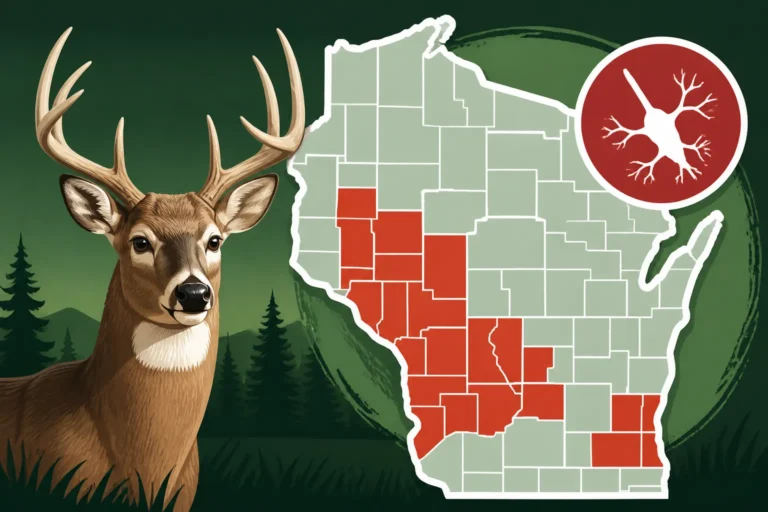
When you look at that $24 price tag, you might wonder how it compares to other states or why it's set where it is. Frankly, for residents, it's a pretty sweet deal when you consider the vast amount of public land and robust deer populations Wisconsin offers. A significant portion of these funds goes directly back into wildlife management and conservation efforts across the state. This includes crucial programs for habitat restoration, disease monitoring (like Chronic Wasting Disease), law enforcement, hunter education, and public land acquisition and maintenance. Think of it as your direct contribution to ensuring healthy deer herds and accessible hunting opportunities for generations to come. The Wisconsin Department of Natural Resources (DNR) manages millions of acres of public land, including state forests, wildlife areas, and even federal lands like the Chequamegon-Nicolet National Forest. Your license dollars help keep these places wild and open for all of us. When you think about the incredible amount of biological research, land management, and enforcement work that goes into sustaining such a vibrant outdoor heritage, that $24 starts to look less like a fee and more like a direct investment in the future of hunting. It's a system designed to be affordable for residents while still generating the necessary revenue to manage our precious natural resources effectively.
Comparing to Other States or Non-Resident Costs
It's natural to compare Wisconsin's resident license fees to those of neighboring states or, more starkly, to non-resident costs. You'll quickly find that Wisconsin residents have it pretty good. For instance, a non-resident gun deer license can cost significantly more, often upwards of $160-$200, highlighting the state's commitment to providing affordable hunting opportunities for its own citizens. Similarly, if you look at states known for their trophy whitetails like Iowa or Kansas, their non-resident tags can soar into the hundreds, if not over a thousand dollars, often requiring preference points and years of applications. Even resident licenses in some states can be higher, particularly those with complex tag systems or specific game species. Wisconsin's straightforward approach and relatively low resident cost make it an accessible passion for many. This affordability means more people can participate, fostering a strong hunting culture and ensuring a consistent stream of funding for conservation through broad participation. It’s a point of pride for many Wisconsin hunters that we can enjoy such rich hunting grounds without breaking the bank, a stark contrast to the often prohibitive costs faced by those hunting out-of-state.
Navigating the Go Wild System for Purchase
The days of standing in line at a local bait shop or the DNR office just to buy your license are mostly behind us. While some vendors still offer in-person sales, the primary way to purchase your Wisconsin hunting and fishing licenses is through the state's online "Go Wild" system. For many, this has been a game-changer, offering convenience and 24/7 access, but for others, especially those less tech-savvy, it can feel like another hurdle before the season even begins.
Step-by-Step: Buying Your Licence Online
The process for buying your Wisconsin resident gun deer license online through the Go Wild system is generally quite user-friendly, designed to be intuitive even if you're not an internet wizard. First, you'll need to visit the Wisconsin DNR's Go Wild website. If you've ever bought a license in Wisconsin since 2016, you likely already have a customer ID number associated with your personal information. You'll log in using this ID number, which could be your driver's license number, or by setting up an account if you're a first-time user. The system will prompt you for your date of birth, last name, and other identifying details to ensure it links to your correct hunter profile.
Once logged in, you'll navigate to the "Buy Licenses" section. Here, you'll see a variety of options, including your annual hunting and fishing choices. Select the "Resident Gun Deer License." The system will then walk you through any required certifications, such as hunter education if you were born after January 1, 1973, or if you're electing for a mentored hunt. You'll confirm your selections, review your cart, and proceed to payment. Payments are typically made via credit card, and once processed, you'll receive a confirmation and a link to print your license. It’s an efficient system that lets you get your tags in hand without ever leaving your kitchen table. For more detailed instructions, check out "Buying Wisconsin Licences on Go Wild".
What to Do If You Don't Have an Account
If you’re a new hunter to Wisconsin, or perhaps you haven’t purchased a license in many years, you might not have a Go Wild account or a customer ID number. Don't sweat it! The Go Wild system is built to handle this. When you first visit the site, look for an option that says something like "Look Up Your Customer ID" or "Create Account." You'll typically be asked for your driver's license number and date of birth, and the system will attempt to find or create your profile. If you don't have a Wisconsin driver's license, you'll likely need to provide other identifying information like your Social Security number to establish your residency and create a unique customer profile. This initial setup is crucial as it ensures all your hunter education records, previous license purchases, and future preference points (for things like bear or turkey drawings) are accurately tracked under one consistent ID. Once this initial hurdle is cleared, all future purchases will be much faster.
Carrying Proof of Your Licence in the Field
After you've successfully purchased your license through the Go Wild system, you have a few options for carrying proof of it in the field, making sure you're compliant with regulations. The most common and convenient method for many is to carry your license digitally on your smartphone. The Go Wild system allows you to access and display your license and tags directly on your phone's screen, which is legally sufficient. Just be sure your phone is charged!
Alternatively, you can print a physical copy of your license. Many hunters prefer this as a backup, especially if hunting in remote areas where cell service is spotty or if they're worried about their phone battery dying. You can print it at home on standard paper, and while not required, some hunters laminate it for durability against the elements. You also have the option to pick up a durable, credit-card-style license from a DNR service center or a participating license vendor for a small fee, which some find more convenient and robust than paper. Regardless of your choice, ensuring you have readily accessible proof of your license is paramount to a stress-free hunt and to avoid any potential legal issues if you encounter a conservation warden. You can learn more about this by checking out "Carrying Licence Proof on Your Phone".
Essential Add-Ons and Other Authorizations
While the resident gun deer license itself is your primary ticket to the deer woods, it's often just the beginning of what you might need, depending on your hunting goals. Wisconsin has a system that allows hunters flexibility in their harvest opportunities, especially when it comes to antlerless deer.
The Buck Authorization: Your First Deer
Your resident gun deer license automatically comes with one "buck authorization." This means that during any of the legal gun deer seasons – the main nine-day hunt, the youth hunt, or the late antlerless hunt – you can harvest one antlered deer. An antlered deer, by Wisconsin definition, typically means a deer with at least one antler three inches or longer. This single buck tag is a cherished part of the hunting tradition, representing the primary goal for many deer hunters. Once you harvest an antlered deer, you must immediately validate and register it. For more on the specifics of what this allows, you can consult "How Many Deer You Can Take in Wisconsin". Remember, this buck authorization is only for one antlered deer per license year, regardless of how many seasons you participate in.
Considering Bonus Antlerless Tags
Beyond your single buck authorization, Wisconsin offers "bonus antlerless tags." These are additional permits you can purchase to harvest antlerless deer (does or fawns) in specific Deer Management Units (DMUs) or counties. The availability and price of these tags can vary significantly each year and by location, based on herd management goals set by the DNR and local County Deer Advisory Councils. Some years, certain areas might have an abundance of antlerless tags, while others might have very few or none at all, especially in areas where deer populations are lower.
These bonus tags are usually sold on a first-come, first-served basis, with sales opening on specific dates, often in late summer or early fall. Many hunters, especially those focused on filling their freezers or managing local deer populations, will purchase several of these. They are usually quite affordable, often around $12 each for residents. Using a tool like GoHunt or checking the DNR website can help you stay on top of when and where these tags become available, which is crucial for planning your season. These tags allow you to maximize your harvest potential and contribute directly to managing healthy deer populations by balancing the buck-to-doe ratio. You can find more information about these sales at "Bonus Antlerless Tag Sales in Wisconsin".
Federal and State Stamps for Other Hunting
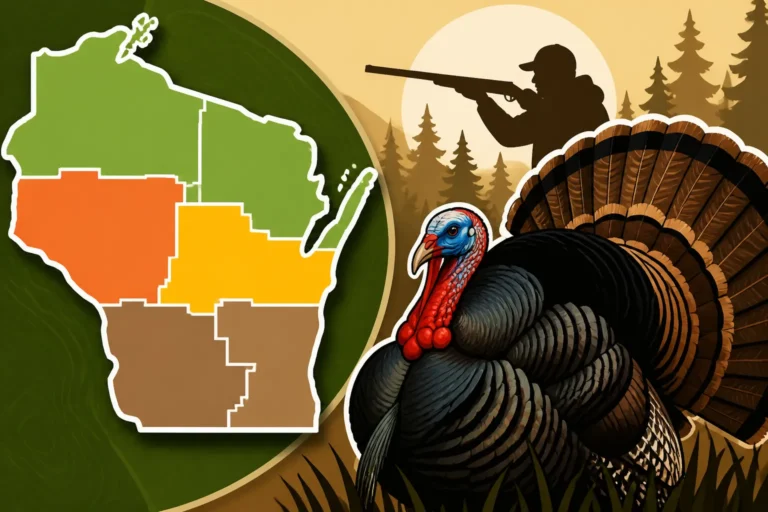
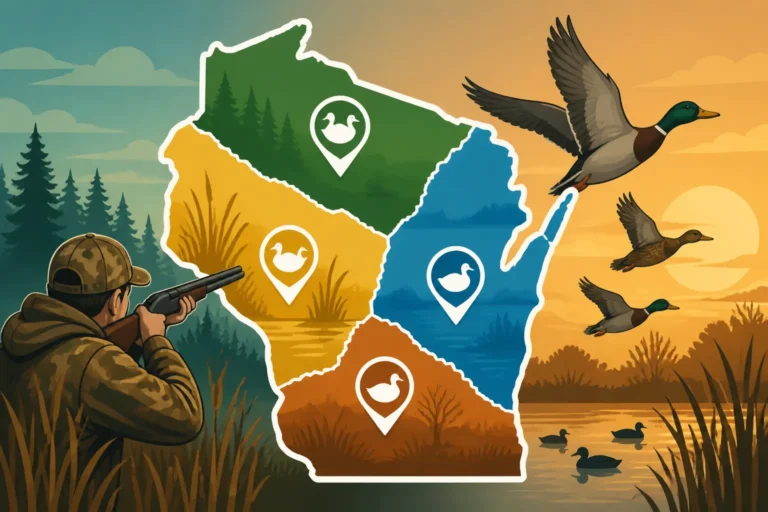
While we're talking about deer licenses, it's worth noting that if you plan on pursuing other game species, you might need additional stamps or licenses. For example, if you dream of calling in a gobbler in the spring, you'll need a specific "Wisconsin Spring Turkey Zones and Periods". If waterfowl hunting on a marsh or river is more your speed, you'll definitely need both a federal duck stamp and a state waterfowl stamp in addition to your small game license. These stamps contribute to waterfowl conservation efforts, including habitat protection and restoration, which benefits a wide array of wildlife, not just ducks and geese. Each of these additional licenses or stamps has its own cost, contributing further to the overall funding for Wisconsin's incredibly diverse wildlife programs. It's a testament to the comprehensive approach Wisconsin takes to managing all its natural resources.
Here's a quick breakdown of common resident license costs to give you an idea of the full picture:
| License Type | Resident Cost (Approx.) | What it Covers | Additional Notes |
|---|---|---|---|
| Gun Deer License | $24 | 1 Antlered Deer (Buck Tag) during gun seasons | Valid for main gun, youth, and late antlerless seasons |
| Archery/Crossbow Deer License | $24 | 1 Antlered Deer (Buck Tag) during archery/crossbow seasons | Also includes a single antlerless tag for specific zones |
| Bonus Antlerless Deer Tag | $12 | 1 Antlerless Deer in designated DMU/County | Availability varies by zone; sales open typically in August |
| Small Game License | $18 | Rabbits, squirrels, grouse, pheasants, coyotes, etc. | Required for hunting most small game species |
| State Turkey License | $10 | One spring or fall turkey authorization (after drawing/purchase) | Drawing application required for spring tags, then period purchase |
| State Waterfowl Stamp | $7 | Required for hunting ducks, geese, and other migratory birds | |
| Federal Duck Stamp | $25 | Required for hunting ducks, geese, and other migratory birds | Purchase from post office or online; physically sign it |
| Conservation Patron License | $165 | Includes all major hunting, fishing, and trapping licenses/stamps | Best value for active, multi-species hunters |
| Junior Gun Deer License | $10 | Reduced cost for hunters aged 10-17 | Requires hunter education or mentored hunting |
| Junior Archery/Crossbow License | $10 | Reduced cost for hunters aged 10-17 | Requires hunter education or mentored hunting |
| Hunter Education Certificate | $10 | One-time fee for online course or in-person class | Mandatory for hunters born after 1973 |
Costs are approximate and subject to change by the Wisconsin DNR.
Beyond the Sticker Price: Maximizing Your Investment
Getting your license is more than just a transaction; it's an investment in your hunting passion and in Wisconsin's outdoor heritage. To truly maximize that investment, it's about understanding the nuances of the season and planning ahead.
When to Buy Your Licence
While you can purchase your resident gun deer license right up until opening day, or even during the season, there are often strategic advantages to buying it earlier. First, it ensures you don't forget it in the pre-season rush. Imagine driving hours up north to deer camp only to realize you forgot to buy your tag! Second, buying early through the Go Wild system gets you into the flow and ready for other important dates, like when "Bonus Antlerless Tag Sales in Wisconsin". These tags can sell out quickly in popular units, so being ready to purchase them the moment they become available is key. Knowing the Wisconsin license year dates, which typically run from April 1st to March 31st the following year, can help you plan your purchases strategically for the upcoming seasons. This early bird approach helps you stay organized and seize all available opportunities, rather than reacting last minute.
Understanding Licence Year Dates
Wisconsin's hunting and fishing license year runs from April 1st through March 31st of the following calendar year. This is a critical detail that sometimes trips up new or infrequent hunters. For example, a license purchased in September 2023 is valid until March 31, 2024, not for a full year from the purchase date. This annual cycle means that even if you buy your gun deer license in July, it will still expire the following March. It’s also important because some permits, like turkey or bear applications, fall within specific windows relative to this license year. Keeping this April 1st renewal date in mind helps you stay current and ensures you're never caught off guard when a new season rolls around. Knowing this also helps when planning for a new license for the next spring turkey season, for instance, or for getting your "Wisconsin Hunting Licences and What They Cost".
The Value of Your Licence Beyond the Hunt
The value of your Wisconsin Resident Gun Deer License extends far beyond the moment you pull the trigger or fill your tag. For many, it's an annual tradition, a connection to family, friends, and the wild places of Wisconsin. It represents the anticipation of fall, the crisp morning air in the deer stand, and the satisfaction of ethically harvesting your own food. Every dollar spent on your license contributes to the conservation efforts that preserve these experiences for all of us. This includes everything from funding research into "Wisconsin Deer Population Estimate", to managing state wildlife areas, and educating the next generation of hunters through programs like "Wisconsin Hunter Safety and Mentored Hunting". It’s about being part of a larger community that respects wildlife and works to ensure its future. So, when you pay that $24, you're not just buying a tag; you're investing in a legacy.
Disclaimer
Please be aware that hunting regulations, license costs, and season dates are subject to change. Always consult the most current Wisconsin Department of Natural Resources (DNR) regulations and publications before heading into the field. This guide provides general information and should not be considered a substitute for official DNR resources.