Wisconsin Sharp-Tailed Grouse Permits
Trying to understand the ins and outs of Wisconsin's sharp-tailed grouse permits can feel like navigating a dense thicket, especially when you know how rare and special these birds are. Many hunters are eager to pursue these unique upland birds but find the permit process confusing and intimidating. This comprehensive guide will walk you through everything you need to know about securing a permit, understanding the hunting regulations, and maximizing your limited opportunity for Wisconsin's elusive "sharptails."
The Unique Challenge of Wisconsin Sharp-Tailed Grouse Hunting
Hunting sharp-tailed grouse in Wisconsin is truly a privilege, not just another season to mark on the calendar. Unlike ruffed grouse or pheasants, sharptails exist in a much more delicate balance with their habitat, and their presence in the state is a testament to dedicated conservation efforts. This rarity is precisely why the permit system is so vital, and understanding its roots helps appreciate the opportunity.
Why Sharptails Are Different: A Conservation Story
For many years, the sight of a booming male sharp-tailed grouse on a spring lek was a common spectacle across Wisconsin's vast pine and oak barrens. These unique grasslands and savannas, characterized by fire-dependent ecosystems, were once widespread, especially in the central and northern parts of the state. Sharptails thrive in these open, shrubby environments, relying on them for nesting, foraging, and their elaborate mating displays. However, as Wisconsin's landscape changed with European settlement, agriculture expanded, and fire suppression became common, these critical barrens habitats began to shrink dramatically. Large tracts were converted to forest, farmland, or urban development, isolating existing sharptail populations.
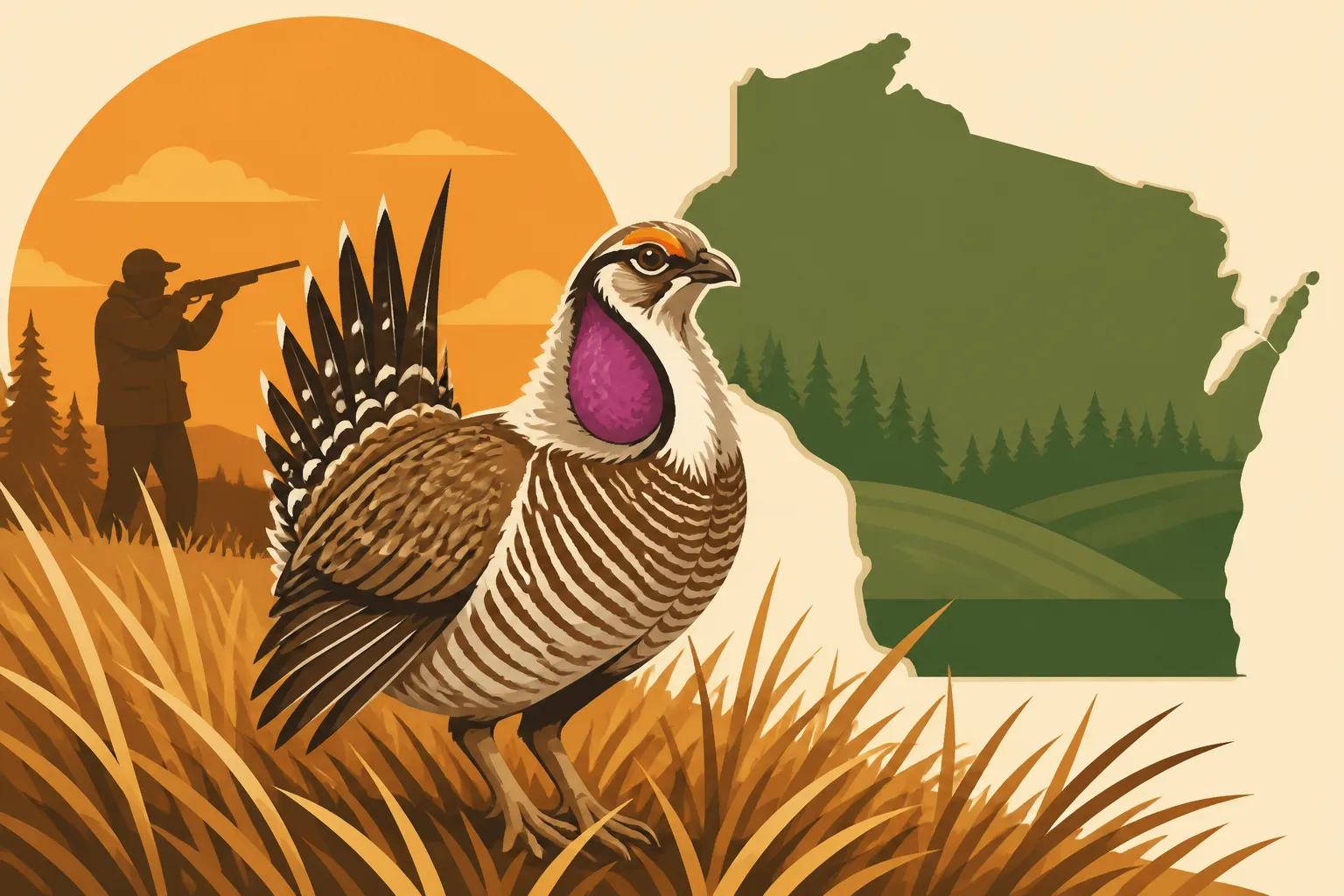
The decline was stark, pushing these beautiful birds to the brink in Wisconsin. Today, the remaining populations are highly localized, primarily in the northwestern part of the state, in areas like Douglas, Bayfield, Burnett, and Washburn counties, where significant barrens restoration efforts have been underway. Seeing a sharptail flush with its distinctive pointed tail is a reminder of a bygone era and the fragile success of conservation. This means every bird, and every hunting opportunity, is managed with extreme care to ensure the species' long-term survival here in Wisconsin. You're not just hunting; you're participating in a vital conservation story.
The Essential Role of the Permit System
Given the precarious status of sharp-tailed grouse, a highly regulated permit system isn't just a bureaucratic hurdle; it's the cornerstone of their management. The Wisconsin Department of Natural Resources (DNR) utilizes this system to carefully control harvest levels, ensuring that hunting pressure doesn't jeopardize the fragile breeding populations. Without it, even a small increase in hunter numbers or harvest could have devastating long-term impacts on these localized birds.
Each year, the DNR assesses the health of the remaining sharptail populations through surveys, habitat conditions, and previous harvest data. Based on these assessments, a very limited number of permits are issued through a random drawing. This keeps hunter numbers low in specific management units, preventing overcrowding and minimizing disturbance to the birds and their habitat. It also allows the DNR to gather precise data on hunter effort and success, which is crucial for adaptive management. While it can be frustrating to not draw a permit, knowing that the system safeguards the future of sharp-tailed grouse for generations to come makes the anticipation, and the occasional disappointment, a bit easier to swallow. It truly is about prioritizing the resource above all else.
Navigating the Sharp-Tailed Grouse Permit Application
The application process for a Wisconsin sharp-tailed grouse permit is relatively straightforward, but it's absolutely critical to pay attention to the dates and understand how the draw works. It all funnels through the state's convenient Go Wild system, which you'll become very familiar with as a Wisconsin hunter.
Understanding the Go Wild Application Process
The Go Wild system is your central hub for all things licensing and permitting in Wisconsin, from your general Wisconsin Hunting Licences and What They Cost to specific draws. To apply for a sharp-tailed grouse permit, you'll need to log into your Go Wild account. If you don't have one, creating one is simple and will be your gateway to applying for various hunting and fishing opportunities. Once logged in, navigate to the permit application section. The system will clearly list all available permit drawings for the current year.
You'll select the sharp-tailed grouse permit application. The beauty of Go Wild is its user-friendly interface; it guides you step-by-step. You won't be picking specific zones during the initial application, as the permits are typically valid statewide in areas open to sharptail hunting. Ensure all your personal information is up to date, and then simply submit your application. It's a quick process, but don't let its simplicity fool you into missing the critical deadlines. Many hunters, myself included, have had that heart-sinking moment of realizing they missed a draw window by a day or two. Trust me, set reminders!
Critical Dates and How the Draw Works
The sharp-tailed grouse permit application period typically falls in the late winter or early spring, usually running from March 1st through March 31st. This is a hard deadline, and applications submitted outside this window will not be accepted. The draw itself usually takes place in April, with successful applicants notified shortly thereafter. You can usually check your Go Wild account online to see your draw results.
Unlike some other limited draws in Wisconsin, such as those for bear or elk, the sharp-tailed grouse permit drawing does not utilize a preference point system. It's a purely random lottery. This means everyone who applies has an equal chance of drawing a permit each year, regardless of whether they applied last year or how long they've been trying. While this can feel disheartening if you've been unsuccessful for several years, it also means every hunter has that same shot, every single year. There's no build-up of points to rely on, just the luck of the draw. This democratic approach ensures new hunters or those who haven't applied before aren't at a disadvantage, offering a fresh slate each year.
To help visualize the timeline and outcome possibilities:
| Action | Date/Period | Details |
|---|---|---|
| Application Window | March 1 – March 31 | Apply online via The Wisconsin Go Wild Licence System |
| Draw Date | Typically April | Random lottery; no preference points. |
| Notification | April | Check your Go Wild account for results. |
| Season Dates | Mid-October (varies) | Very short season, typically 3-7 days. Check current regulations. |
| Bag Limit | 1 bird per day, 1 per season | Strict limits reflecting the species' rarity. |
Maximizing Your Chances: What to Know
While the sharp-tailed grouse permit draw is purely random, there are still a few things you can do to ensure you're in the best position to succeed, not just in drawing but in making the most of a drawn permit. First and foremost, mark that March 1-31 application window on every calendar you own – digital and physical. Set multiple alarms. The number of permits issued is extremely low, often only a few hundred statewide, so missing the application period means missing your only chance for the year.
Secondly, familiarize yourself with the current regulations, even before you draw. Knowing the specific season dates, bag limits, and any zone-specific rules will help you hit the ground running if you're successful. The season for sharp-tailed grouse is notoriously short, often only a few days in October, so preparation is key. You don't want to be scrambling for information once you get that coveted email. Finally, if you're hunting with a partner or group, coordinate your applications. While each person must apply individually, you might consider applying for different permits if there were ever zone-specific permits (currently, it's a statewide permit, but rules can change). For now, it's just apply and hope for the best. Good luck!
Hunting the Barrens: Zones, Regulations, and Opportunities
Once you've secured that highly sought-after permit, the real adventure begins: planning your hunt in Wisconsin's unique barrens habitat. This isn't your typical ruffed grouse woodlot hunt; sharptails call specific, open landscapes home, and understanding these areas is paramount.
Designated Hunting Zones for Sharptails
Wisconsin's sharp-tailed grouse are primarily found in the northwestern part of the state, an area characterized by scattered open pine barrens, brushy grasslands, and young aspen cuts. These "barrens" are critical habitat and are often specifically managed for sharptails and other fire-dependent species. Key counties to focus your research on include Douglas, Burnett, Bayfield, and Washburn. Within these counties, you'll find large tracts of public land managed by the state and counties, as well as portions of the Chequamegon-Nicolet National Forest.
While the permit itself is typically valid statewide in open zones, the reality is that productive sharp-tailed grouse habitat is concentrated in a few specific areas. Famous areas like Crex Meadows Wildlife Area in Burnett County, Namekagon Barrens Wildlife Area in Burnett and Washburn counties, and parts of the Douglas County Forest are prime examples. These aren't vast, continuous forests; rather, they are mosaics of open grassland, scattered pines, oak savanna, and regenerating shrubby areas. Learning to identify these distinct habitat types is the first step in finding birds. Using resources like the Using the Wisconsin Hunt Wild App or advanced mapping tools from brands like GoHunt can be incredibly beneficial for pinpointing these areas and understanding land ownership. They allow you to overlay public land boundaries and habitat types, which is crucial when trying to locate Wisconsin Barrens and Sharptail Country.
Key Regulations and Legal Requirements
Beyond the permit itself, sharp-tailed grouse hunting comes with its own set of very specific regulations, reflecting the delicate nature of the species. As mentioned, the season is typically very short, often only a few days in mid-October. The daily bag limit is usually one bird, and the season limit is also one bird. This is one of the most restrictive bag limits in Wisconsin hunting, underscoring the preciousness of each bird. You're not looking to fill a freezer; you're cherishing a rare outdoor experience.
You'll need your general small game license in addition to your sharp-tailed grouse permit. Always double-check the current year's regulations pamphlet published by the DNR for the exact season dates, shooting hours, and any specific rules for the management areas you plan to hunt. Blaze orange requirements generally apply during any open gun deer seasons or if you're hunting within the nine-day gun deer season, but for the typically solitary sharp-tail hunt in October, it's always wise to wear some amount of Wisconsin Blaze Orange and Pink Rules for safety, even if not strictly required at that precise moment. Transporting your harvested bird also has specific rules; typically, you must leave one wing attached to the bird until you've reached your home or a processing facility, for identification purposes.
Finding Public Access in Sharptail Habitat
One of the biggest advantages of sharp-tailed grouse hunting in Wisconsin is that much of their remaining habitat is on publicly accessible land. This often includes state wildlife areas, county forests, and national forest lands. However, "public land" in these barrens regions can still be vast and challenging to navigate, making good scouting and mapping essential.
Start by researching the specific management areas known for sharp-tailed grouse, such as Namekagon Barrens Wildlife Area or Crex Meadows. These areas are actively managed for sharptails and often have good access roads and designated parking areas. Utilizing the DNR's online mapping tools or premium hunting apps can help you identify public land boundaries, roads, and even habitat types within these zones. You might be surprised at how many acres are open for Public Hunting Land in Wisconsin, but the challenge is often finding the right kind of acres. Look for clearings, areas with young scrub oak or pine regeneration, and edges between different cover types. Be prepared to walk, as the best sharptail cover is often away from easily accessible roads. Remember to always respect signage and private property boundaries, even when hunting vast public tracts.
Successful Strategies for Your Sharptail Hunt
Actually hunting sharp-tailed grouse is an experience unlike any other upland bird hunt. They are wary, fast, and inhabit landscapes that require a different approach than chasing pheasants in a cornfield or ruffed grouse in a dense alder run. Success hinges on understanding their environment and adapting your tactics.
Deciphering Sharptail Habitat and Behavior
Sharp-tailed grouse are creatures of the open barrens, preferring large expanses of grassland, prairie, and scattered brush, particularly areas with low-growing oak, aspen suckers, and young pines. They thrive in areas maintained by fire, which keeps woody vegetation from encroaching and creating dense forests. You won't typically find them in mature timber or thick cattail marshes. Instead, focus on edges where different cover types meet – a grass field bordering a young pine plantation, or a brushy draw winding through an open savanna. These areas provide cover from predators, food sources (like berries, seeds, and insects), and dusting areas.
Their behavior is also distinct. Unlike ruffed grouse which might hold tight, sharptails are known for flushing wild, often well out of shotgun range, especially if pressured. They might run before flushing, making a good bird dog invaluable. In the early morning and late afternoon, they often feed in more open areas, then retreat to denser cover during the midday heat. Keep an eye out for dust baths, droppings, and shed feathers, which can indicate their presence. Recognizing the subtle signs of Sharp-Tailed Grouse Range in Wisconsin and understanding Barrens Habitat and Sharptail Numbers are far more effective than just randomly walking.
Effective Hunting Tactics and Approaches
Given their tendency to flush wild, a strategic approach is crucial for Hunting Sharp-Tailed Grouse. Many successful hunters employ a slow, deliberate walk, often in a zigzag pattern, to cover ground methodically. Pushing through the edges of brush patches, especially where they meet open grass, can often get birds up. However, the most effective tactic, if you have access to one, is often hunting with a good pointing dog. A dog that can scent and hold a sharptail allows you to close the distance and get within shotgun range before the bird takes flight. This is where a well-trained setter or pointer truly shines.
If you're hunting without a dog, consider hunting with a partner. One hunter can walk through the thicker cover while the other walks the edge, potentially getting a shot at a bird that flushes out the side. Be prepared for long shots; these birds are powerful fliers. Shotguns choked in modified or full, loaded with larger shot sizes (like 4 or 5), are often preferred to maximize range and hitting power. Early mornings, when birds are feeding, can be productive, as can late afternoons. Pay close attention to wind direction, trying to approach with the wind in your face to carry your scent away from the birds and help your dog (if applicable) pick up scent more effectively.
Essential Gear for Barrens Hunting
Hunting sharp-tailed grouse in the barrens requires specific gear to maximize comfort and success. First, footwear is paramount. You'll be covering miles over uneven, often sandy or brushy terrain. Good quality, waterproof hunting boots with ankle support are a must. Lightweight but durable brush pants or chaps are also highly recommended to protect against thorns, briars, and sharp vegetation common in barrens habitat.
A comfortable upland vest or bird bag is essential for carrying shells, water, snacks, and, hopefully, your harvested bird. Given the open nature of the barrens, binoculars can be incredibly useful for spotting distant birds or observing their behavior from afar. Don't forget ample water, as these areas can feel hot and exposed, even in October. For navigation, a GPS unit or a reliable hunting app like GoHunt with offline map capabilities is invaluable, helping you stay oriented in large, often featureless landscapes and mark prime cover. Finally, carry a first-aid kit, especially if hunting with a dog, as paw pads can take a beating in this terrain.
Beyond the Hunt: Conservation and Future Generations
Securing a sharp-tailed grouse permit and successfully harvesting a bird is an incredible accomplishment and a memorable experience. But the journey doesn't end when the shot is fired. Your participation extends beyond the hunt itself, playing a critical role in the ongoing conservation of this special species.
The Importance of Post-Harvest Reporting
One of the most crucial responsibilities of a sharp-tailed grouse permit holder is to accurately report your harvest, or lack thereof. The Wisconsin DNR relies heavily on this data to monitor the health of the population and inform future management decisions. Whether you successfully harvest a bird or not, you are typically required to report your hunt results within a specific timeframe (often within 48 hours of the end of the season or your hunt). This process is usually done quickly and easily online through your Go Wild account.
Failing to report means the DNR has incomplete data, which could lead to inaccurate population estimates or inappropriate permit allocations in subsequent years. Every hunter's report, even those reporting zero birds, contributes to a more accurate picture of hunter effort and success, which directly impacts the conservation strategy for sharp-tailed grouse. It's a small act that makes a huge difference, ensuring that future generations of hunters and wildlife enthusiasts will continue to have the opportunity to experience these magnificent birds in their unique barrens home.
Supporting Sharptail Habitat Restoration
Even if you don't draw a permit every year, or choose not to apply, supporting sharptail habitat restoration efforts is something every Wisconsin hunter can do. The very existence of sharp-tailed grouse in Wisconsin is a testament to decades of habitat work, often involving prescribed burns, brush cutting, and careful timber management to create and maintain the open, shrubby environments they need. Organizations like the Wisconsin Sharp-tailed Grouse Society and groups like Pheasants Forever play a vital role in these efforts, often partnering with the DNR.
Consider volunteering for a habitat workday, donating to a conservation organization, or simply advocating for responsible land management practices that favor early successional habitats. Understanding the link between Barrens Habitat and Sharptail Numbers helps underscore this need. By supporting these efforts, you're not just helping sharp-tailed grouse; you're contributing to a healthier, more diverse ecosystem that benefits countless other species, from whitetails that browse young aspen to songbirds that nest in prairie grasses. It's a long-term investment in Wisconsin's wild heritage, ensuring that the drumming of a sharptail on its lek can be heard for years to come.
Disclaimer
Please remember that hunting regulations and season dates can change annually. Always consult the most current Wisconsin Department of Natural Resources hunting regulations pamphlet or their official website before planning any hunt to ensure you have the most up-to-date and accurate information. This guide is for informational purposes only and does not supersede official DNR regulations.