Wisconsin Blaze Orange and Pink Rules
Navigating the myriad of rules and regulations surrounding hunting in Wisconsin can feel like trying to track a mature buck through a blizzard—confusing, frustrating, and with high stakes if you make a wrong move. Among the most critical, yet often misunderstood, aspects are the requirements for blaze orange and blaze pink. It's not just about looking bright in the woods; it's fundamentally about safety, both for yourself and for every other hunter out there. This guide will meticulously break down Wisconsin's blaze orange and pink rules, helping you understand not just what you need to wear, but why it matters, and how to stay compliant and safe during your hunts.
Understanding the "Why" Behind Blaze Orange and Pink Rules
It's easy to view blaze orange and pink requirements as just another bureaucratic hurdle, another piece of gear to remember. But truly, these rules are born from decades of hard-won lessons in hunter safety. They are the bedrock of responsible hunting, transforming our presence in the woods from potential danger to visible assurance.
The Critical Role of Visibility in Hunter Safety
Imagine walking through dense timber, the light fading as dusk approaches, or the fog hanging heavy after a morning dew. In these conditions, distinguishing between a deer and a fellow hunter, especially one wearing drab, natural colors, becomes incredibly difficult. Historically, this lack of visibility led to tragic accidents, often involving hunters mistaking another person for game. The invention and mandated use of blaze orange drastically reduced these incidents.
Blaze orange, and now blaze pink, are specifically designed to be highly conspicuous to the human eye, standing out starkly against the natural greens, browns, and grays of the forest. Deer, with their dichromatic vision, see these colors as dull gray or yellow, making them largely irrelevant to their detection of danger. But to us, other hunters, these colors scream "human!" It's a universal signal that you are a person, not a target, and it works across varying light conditions and distances. This isn't just about preventing "mistaken for game" accidents; it's also about preventing hunters from being unknowingly in the line of fire during a deer drive or when another hunter takes a shot at moving game. The goal is to make sure every hunter is as visible as possible, creating a safer environment for everyone enjoying Wisconsin's vast natural spaces.
Evolution of Wisconsin's Hunter Safety Laws
Wisconsin has a long and proud history of hunting, but also one marked by a commitment to safety. The journey to mandatory blaze clothing wasn't an overnight decision; it was a gradual evolution driven by accident statistics and a growing understanding of preventative measures. Early hunter safety courses focused on firearm handling, but as hunting pressure increased and methods evolved, the need for better visual identification became clear.
The first significant blaze orange requirements in Wisconsin typically coincided with the firearm deer season, the most popular and often most crowded hunting period. Over the years, these rules were refined, specifying minimum square inches of material and placement to ensure maximum visibility. A more recent and forward-thinking addition to these regulations was the inclusion of blaze pink. Introduced as a way to potentially encourage more women and youth to participate in hunting, while maintaining the same critical safety benefits, blaze pink underwent rigorous testing to prove its visibility was equivalent to, or even superior in some light conditions, to traditional blaze orange. This move demonstrated Wisconsin's adaptive approach to hunter safety, acknowledging both tradition and innovation in protecting its hunting community. For those diving into hunting, understanding these foundational rules is as important as knowing Wisconsin Hunter Safety and Mentored Hunting requirements.
Specific Requirements for Blaze Orange in Wisconsin
The bedrock of Wisconsin's hunter visibility rules is blaze orange. It’s what most hunters immediately think of when safety clothing comes to mind, and for good reason—it’s been keeping us safer for decades. But "blaze orange" isn't just a color; it's a specific set of rules that demand attention to detail.
When and Where Blaze Orange is Mandatory
The primary season where blaze orange is an absolute must-have is during any firearm deer season, including the traditional Wisconsin's Nine-Day Gun Deer Season, the muzzleloader season, and the youth gun deer hunt. If you're out chasing whitetails with a firearm, whether it's the rifle, shotgun, or muzzleloader, you need to be wearing your blaze. This also extends to certain small game hunting during specific periods when firearm deer season is active, to protect those hunters as well.
The rules apply to everyone actively hunting or even accompanying a hunter in the field. This isn't just for the person with the gun. If you're pushing deer, walking to your stand, or even just observing, you need to be visibly marked. Even if you're on private land, the law doesn't differentiate; if it's firearm season, you're wearing blaze. The only exception on private land would be if you're inside a permanent, enclosed structure, like a cabin or barn, and not actively hunting or within sight of a field. For most hunters, this means the minute you step out of your vehicle and head towards your hunting spot, the blaze gear needs to be on and correctly displayed. Keeping up with the various Wisconsin Deer Seasons and Zones is crucial to know precisely when these rules apply.
Minimum Area and Placement Rules
This is where many hunters, even seasoned ones, can sometimes get tripped up. It's not enough to just wear some blaze orange. Wisconsin law specifies a minimum amount and specific placement to ensure maximum visibility from all angles. Generally, hunters must wear at least 50% blaze orange or pink above the waist, including a cap or hat. This means your outer garment, whether it's a vest, jacket, or coat, must be substantially covered in the bright color.
Let's break down the "50% above the waist" rule. This typically translates to needing a solid blaze orange or pink vest or jacket that covers a significant portion of your torso and back. Crucially, a cap or hat must also be blaze orange or pink. Simply having a thin stripe on a camo jacket or a small patch on your backpack isn't going to cut it. The intent is for you to be easily identifiable as a human from 360 degrees. Think about it: if you’re sitting in a stand, your back might be visible. If you’re still-hunting, your front and sides are exposed. A highly visible hat ensures that even if you're partially obscured by brush, your head is still identifiable. This is why having a good, solid blaze orange cap from a reputable outfitter like GoHunt is a smart choice – it meets the requirements and stands up to the elements. For instance, just wearing a blaze orange bandana might not provide enough coverage on its own, especially if tucked into other layers. It's best to err on the side of more visibility rather than less.
Blaze Pink: A Modern Option for Wisconsin Hunters
Hunting, like many outdoor pursuits, often evolves. Sometimes, these changes come from new technologies, and other times, they come from a deeper understanding of human behavior and safety. The introduction of blaze pink in Wisconsin is a perfect example of the latter, offering hunters a vibrant, visible, and fully legal alternative to traditional blaze orange.
The Introduction of Blaze Pink and its Purpose
The idea of blaze pink might have raised a few eyebrows initially, but it wasn't a frivolous decision. It came from a genuine desire to encourage broader participation in hunting, particularly among women and youth, who might prefer an alternative to the often male-dominated aesthetic of traditional hunting gear. The crucial step was ensuring that blaze pink met the same, if not superior, safety standards as blaze orange. Research was conducted, proving that blaze pink is indeed as visible, if not more so in certain low-light conditions, to the human eye. Its unique wavelength allows it to stand out sharply against natural backgrounds, just like blaze orange.
This legislative change wasn't about fashion for fashion's sake; it was about removing perceived barriers and offering choice without compromising safety. For many, having the option of blaze pink makes hunting feel more inclusive and welcoming. It's a testament to Wisconsin's commitment to modernizing its hunting regulations while always keeping the core principle of hunter safety paramount. Whether you choose blaze orange or blaze pink, the underlying purpose is the same: to be undeniably visible to other humans in the field.
Equivalence and Acceptable Use
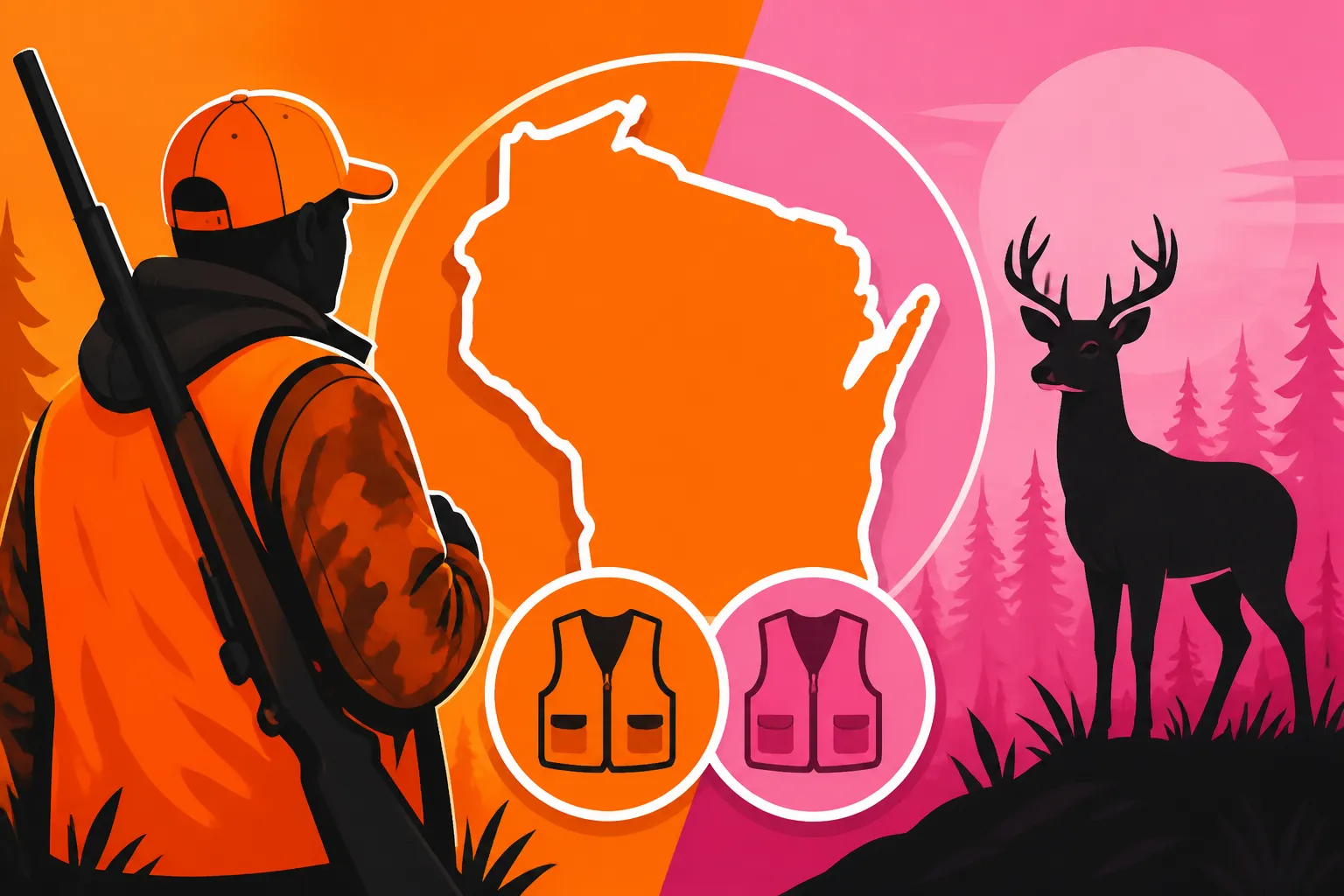
One of the most important things to understand about blaze pink in Wisconsin is that it is fully equivalent to blaze orange under state law. There are no separate rules, no limitations on where or when you can wear it, as long as it meets the same minimum area and placement requirements. This means if the law states you need 50% blaze orange above the waist including a cap, you can substitute 50% blaze pink above the waist including a blaze pink cap. The two colors are treated interchangeably in the regulations.
This equivalence is vital for hunters making their gear choices. You don't have to worry about whether your blaze pink vest is "less legal" than a blaze orange one; it's not. Whether you're hunting during Wisconsin's Gun Deer Season Dates or the Holiday Antlerless Hunt, if blaze orange is required, blaze pink is an equally valid option. This flexibility allows hunters to choose gear that they are comfortable with, while still adhering to the highest safety standards. For someone new to hunting, exploring options from brands that offer both colors, or using resources like GoHunt to compare gear and ensure compliance, can make the preparation process much smoother. Just remember, the key is the visibility and coverage, regardless of which "blaze" color you opt for.
Exceptions and Important Considerations
While blaze orange and pink are essential safety gear for many hunting scenarios in Wisconsin, it's equally important to know when they are not required. Misunderstanding these exceptions can lead to confusion, or worse, unintended safety risks or legal issues.
Seasons and Activities Where Orange/Pink Isn't Required
Not every hunting season in Wisconsin demands blaze orange or pink. Generally, seasons that do not involve firearms, or those where the quarry's keen eyesight makes bright colors a severe disadvantage, often have different rules. For instance, during the majority of the Wisconsin Archery Deer Season Dates, when only bows and crossbows are permitted, blaze orange or pink is not required. This allows archers to utilize camouflage effectively for close-range encounters. The same applies to Spring Turkey Hunting in Wisconsin, where turkeys possess exceptional eyesight and would easily spot a brightly colored hunter.
Waterfowl hunting is another area where blaze requirements are typically absent. Hunters are often concealed in blinds or natural cover, and the focus is on breaking up their silhouette against the sky or marsh background. Similarly, during dedicated furbearer seasons, like trapping or calling coyotes at night, the blaze requirements are usually lifted.
However, a critical nuance arises when seasons overlap. If you are archery hunting for deer during a period when the firearm deer season is also open (e.g., late archery season concurrent with muzzleloader), you must still wear blaze orange or pink. The firearm rules take precedence due to the higher risk associated with projectile range and power. Always check the current year's regulations for the specific dates and concurrent seasons you plan to hunt.
The Importance of Personal Responsibility Beyond the Law
Even in seasons or situations where blaze orange or pink isn't legally mandated, exercising personal responsibility and common sense is paramount. The law sets the minimum standard, but safety-conscious hunters often go beyond it. Consider squirrel hunting in Wisconsin hardwoods during a period when no firearm deer season is active. While legally you don't need blaze orange, wearing a blaze orange hat or vest could still be a smart move, especially if you know other hunters or outdoor enthusiasts might be in the area.
This consideration extends to other outdoor activities as well. Hikers, mushroom foragers, bird watchers, or even just people out walking their dogs might be sharing public lands. Wearing a visible color, even if it's not the legally defined blaze orange or pink, helps prevent misunderstandings and keeps everyone safer. It’s about being a good steward of the outdoors and respecting all users. The regulations for Wisconsin Small Game and Furbearer Seasons might not always require it, but a little extra visibility never hurts, especially when you consider potential visibility from non-hunting recreationists. It is a commitment to ensuring every hunting trip is not only successful but also safe for everyone involved.
Practical Tips for Choosing and Wearing Your Gear
Selecting and wearing your blaze gear correctly can make a significant difference in your comfort, effectiveness, and, most importantly, your safety in the field. It’s not just about compliance; it’s about smart choices that enhance your hunting experience.
Selecting the Right Blaze Orange or Pink Gear
When it comes to blaze apparel, quality matters. You want gear that not only meets legal requirements but also stands up to the rigors of Wisconsin weather and terrain. Look for materials that are durable, quiet, and suitable for the conditions you'll be hunting in. For cold November hunts during the gun season, a solid blaze orange or pink outer shell that's waterproof and windproof, or at least a highly visible vest to go over your insulated layers, is essential. Wool, while heavier, is often favored for its quietness and warmth retention even when wet, making it an excellent choice for a Clothing for a Wisconsin November. Modern synthetics can offer lighter weight, breathability, and quick-drying properties.
Consider the fit as well. Your blaze garment should be comfortable enough to wear over multiple layers for warmth, without being so baggy that it snags on branches or inhibits movement. Ensure the color itself is vibrant and hasn't faded over time from sun exposure or repeated washing. Faded orange is less effective. Many reputable brands like Carhartt, Arctic Shield, or even specific hunting apparel lines found through resources like GoHunt, offer excellent blaze orange and pink options that integrate warmth, weather protection, and durability with high visibility. Don't skimp on your headwear either; a sturdy blaze orange or pink cap or beanie that stays put and provides good coverage is crucial.
Avoiding Common Mistakes and Ensuring Compliance
Even experienced hunters can sometimes make simple mistakes with their blaze gear. One common oversight is letting a backpack or another piece of gear obscure too much of the blaze material. Your blaze garment should be the outermost layer, worn in a way that provides maximum visibility from all angles. If your pack covers your entire back, you're losing significant visibility. Consider a blaze orange or pink pack cover, or a vest designed to accommodate a pack without hindering the display of color.
Another mistake is relying on older, faded gear. If your blaze orange jacket has seen too many seasons and its color has dulled, it's time to replace it. The vibrancy is key to its effectiveness. Always double-check the current year's regulations, especially for concurrent seasons or new changes. The rules can be slightly tweaked year to year, and staying informed is part of responsible hunting. A quick glance at the Wisconsin DNR website or a consultation with resources like GoHunt's regulation summaries before you head out for a hunt can save you a headache and ensure you're fully compliant. Remember, the goal is not just to technically meet the minimum requirements but to maximize your safety and the safety of those around you. Being diligent about these details contributes to a safer and more enjoyable experience for all in Wisconsin's hunting grounds.
| Hunting Season/Activity | Blaze Orange/Pink Required? | Specific Rules/Notes |
|---|---|---|
| Firearm Deer Seasons | Yes, mandatory | Applies to the 9-day gun deer, youth gun, muzzleloader, and holiday antlerless hunts. Must wear at least 50% blaze orange or pink above the waist, including a hat or cap. This applies to all hunters and those accompanying hunters in the field. |
| Archery/Crossbow Deer | No (unless concurrent) | Not required during dedicated archery/crossbow seasons. EXCEPTION: If firearm deer season (any type) is also open, blaze orange/pink is required. Always check overlapping season dates carefully. |
| Spring Turkey Hunting | No | Turkeys have excellent eyesight; camouflage is preferred. |
| Fall Turkey Hunting | No (unless concurrent) | Not required during dedicated fall turkey season. EXCEPTION: If firearm deer season is open during the fall turkey season, blaze orange/pink is required. |
| Waterfowl Hunting | No | Hunters are typically in blinds or camouflaged. |
| Small Game Hunting | No (unless concurrent) | Generally not required. EXCEPTION: If firearm deer season is open, small game hunters must wear blaze orange/pink. |
| Bear Hunting | No (unless concurrent) | Not required during dedicated bear seasons. EXCEPTION: If firearm deer season is open, bear hunters must wear blaze orange/pink. |
| Trapping | No | Blaze orange/pink is not required for trappers. |
| Crow Hunting | No | Not required. |
Disclaimer
The information provided in this guide is intended for general informational purposes only and does not constitute legal advice. Hunting regulations in Wisconsin are subject to change, and it is the hunter's responsibility to consult the most current Wisconsin Department of Natural Resources (DNR) regulations and statutes before engaging in any hunting activities. Always prioritize safety and compliance with all applicable laws.