Hunting Bear Without Bait or Dogs
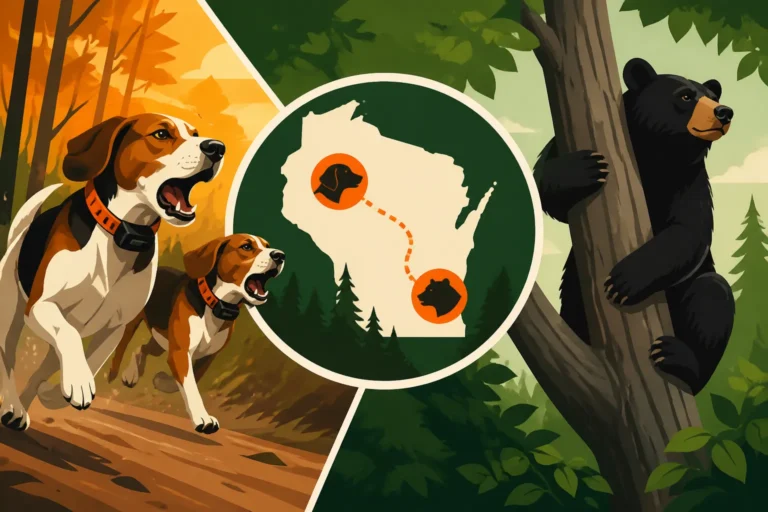
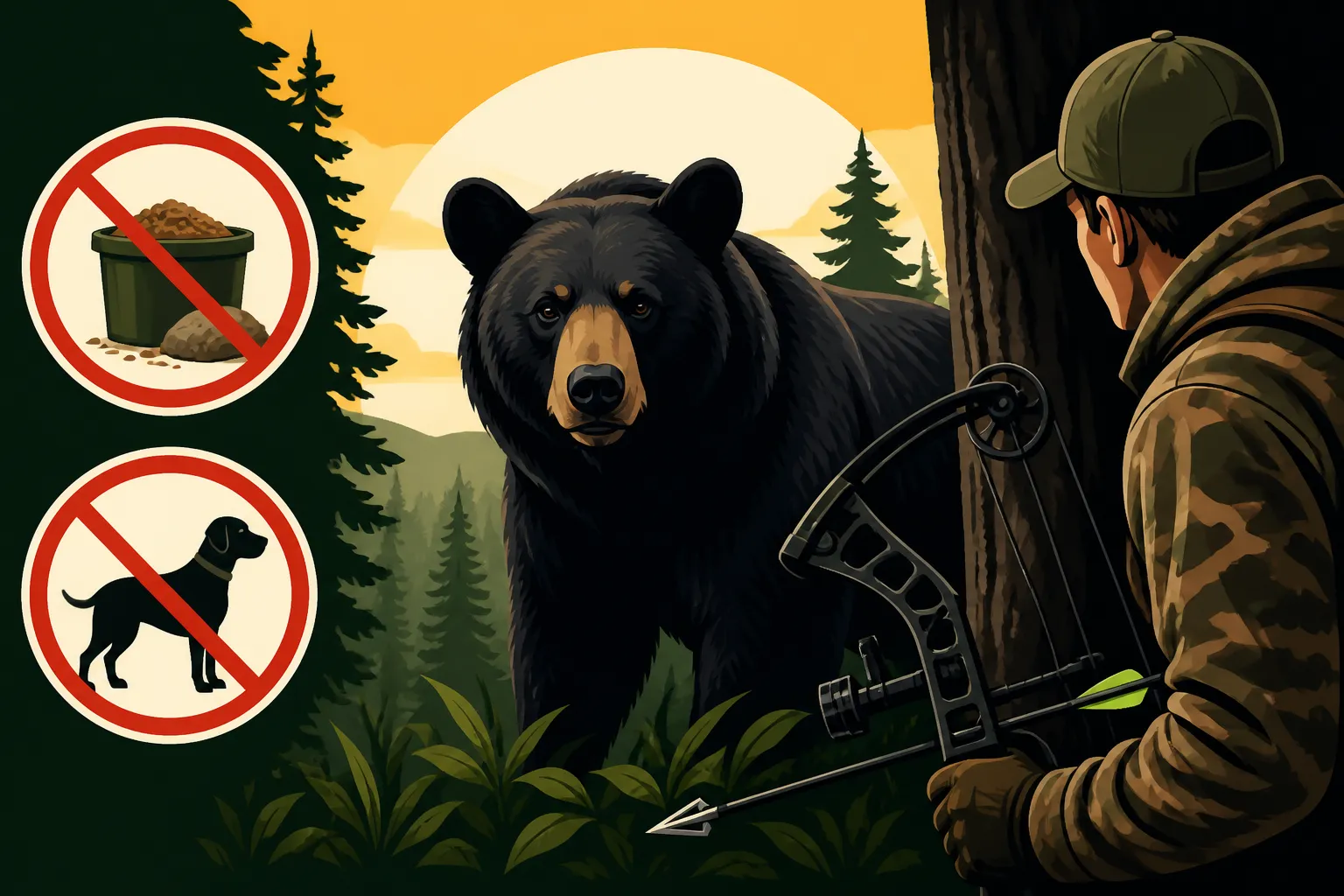
Many Wisconsin bear hunters dream of a truly wild experience, but the traditional methods of baiting or using hounds aren't for everyone, or perhaps aren't even allowed in your chosen zone. The frustration of feeling limited can be real, but finding a bear fair chase, on their own terms, offers an unparalleled challenge and immense satisfaction. This comprehensive guide will walk you through the rewarding yet demanding world of hunting black bear in Wisconsin without the aid of bait or dogs, equipping you with the knowledge to pursue these elusive animals.
Understanding the "Why" Behind Fair Chase Bear Hunting
For many hunters, the appeal of pursuing a black bear without the use of bait or hounds isn't just about adhering to a specific hunting style; it's about embracing a deeper connection to the wild and the animal itself. It's a method that relies purely on your woodsmanship, patience, and ability to read the landscape and the subtle signs left by these intelligent creatures.
The Unique Challenge and Immense Reward
Let's be honest, hunting bear without bait or dogs is tough. It’s physically demanding, mentally taxing, and success rates can be significantly lower than with conventional methods. You're not relying on enticing a bear to a specific spot or tracking them with a pack of trained dogs. Instead, you're trying to intercept a naturally moving animal in its vast, wild habitat. This means covering a lot of ground, often in dense cover, constantly searching for subtle clues. The bears you encounter will be less habituated to human presence and incredibly wary.
However, this difficulty is precisely where the immense reward lies. When you successfully locate, stalk, and harvest a bear using only your scouting prowess and hunting skills, the sense of accomplishment is profound. It's a primal satisfaction, knowing you outwitted an animal on its home turf, purely on your own terms. It teaches you an incredible amount about bear behavior, habitat, and your own capabilities as a hunter. This method truly epitomizes fair chase and offers a deep sense of respect for the animal and the wilderness.
Navigating Wisconsin's Regulations and Ethics
Wisconsin offers specific regulations for bear hunting, and while baiting and dog hunting are popular, pursuing a bear by still-hunting or stalking is entirely legal and encouraged within the framework of general hunting laws. You'll still need to secure a bear harvest authorization, which can be a multi-year process due to the preference point system. Understanding the Wisconsin Bear Preference Points and Zones is crucial, as different zones might have varying success rates and bear populations.
Ethically, hunting without bait or dogs is often seen as the purest form of hunting, allowing the bear to act entirely on its natural instincts. There’s no artificial food source drawing them in, and no pursuit by hounds. You are entering their world, on their terms. This approach demands meticulous attention to wind direction, scent control, quiet movement, and precise shot placement. It also requires an understanding of bear behavior that goes beyond simply knowing when they visit a bait pile. Always ensure you are familiar with the specific Wisconsin Bear Season Dates by Method for your chosen zone and weapon.
Mastering the Art of Scouting for Unbaited Bears
Successful fair chase bear hunting in Wisconsin hinges almost entirely on meticulous, year-round scouting. You're looking for evidence of a bear's daily life, not just where they might pass through. This means getting boots on the ground long before the season opens.
Decoding Bear Sign: More Than Just Tracks
Bears leave a wealth of signs if you know how to read them. Tracks are the most obvious, and a large front paw print can indicate a mature bear. Look for scat to determine diet and recent activity; fresh scat means a bear is nearby. Claw marks on trees, especially on large, soft-barked species like aspen or pine, indicate a bear has been climbing, often to rub its back or mark territory. Debarked trees, particularly near wetlands or food sources, can show where bears have stripped bark to eat the cambium layer.
Overturned rocks and logs, especially around ant hills, are classic signs of a bear foraging for insects. Torn-up stumps or rotten logs can also reveal feeding activity. Consider the season and food sources. In spring, bears will graze on tender new growth and search for winter-killed deer. Summer brings berries like blueberries, raspberries, and chokecherries. As fall approaches, their focus shifts to acorns, beechnuts, and hazelnuts – critical caloric sources for denning. Using a comprehensive scouting tool like GoHunt can help you overlay habitat maps with known food sources and historical bear sightings, giving you a serious edge in identifying potential areas.
Here's a quick reference for common bear signs:
| Bear Sign | What it Indicates | Best Season to Find | Key Details to Note |
|---|---|---|---|
| Tracks | Presence, size, direction of travel, recent activity | Year-round, best in soft ground | Front paw (wider), hind paw (longer), claw marks |
| Scat | Diet (berries, nuts, insects), recent activity | Year-round, varies with diet | Contents (seeds, hair), freshness, location |
| Claw Marks on Trees | Climbing, marking territory, back rubbing | Year-round | Height, depth, diameter of tree, species (often aspen/pine) |
| Overturned Rocks/Logs | Foraging for insects, grubs | Spring to Fall | Size of disturbance, presence of ant mounds/rotten wood |
| Debarked Trees | Feeding on cambium layer (inner bark) | Spring, early Summer | Often on conifers, indicates hunger after denning |
| Rub Marks | Scent marking, grooming | Pre-rut and rut, year-round | Height on tree, hair presence, scent |
| Wallows/Dust Bowls | Cooling off, insect relief, scent dispersal | Hot Summer months | Depressions in moist soil, often near water or thick cover |
Habitat Hotspots and Seasonal Food Sources
Black bears are creatures of opportunity and comfort. They thrive in large tracts of timber, often interspersed with wetlands, swamps, and dense regenerating forest that provides excellent cover. In Wisconsin, this description often points to areas like the Chequamegon-Nicolet National Forest Hunting or the expansive county forests found across northern Wisconsin. These areas offer both the remoteness bears prefer and a diverse diet.
Focus your scouting efforts on areas rich in their primary fall food sources. Oak ridges, particularly those with a high mast crop, are like magnets for bears. Look for clusters of white oaks or red oaks. Beech trees and hazelnut thickets are also prime spots. If you're in an area without a strong mast crop, bears will shift their focus to berry patches, wild apple trees, or even agricultural fields like corn or oats if they are adjacent to heavy cover. Pay attention to how Northern Forest Deer Density in Wisconsin correlates with bear activity, as both species often utilize similar cover types and food sources, though bears are typically found in denser, more remote pockets. Use aerial photos to pinpoint these habitat features, looking for varied terrain, thickets, and water sources. GoHunt's mapping features can be incredibly useful for this, allowing you to mark potential feeding and bedding areas from your computer.
Leveraging Technology and Remote Scouting
While boots on the ground are irreplaceable, technology can significantly narrow your focus. Start with online mapping tools and satellite imagery (like what you'd find on GoHunt or the Wisconsin DNR’s Public Access Lands tool). Look for large, unbroken blocks of timber, especially those with diverse habitat features: swamp edges, mature timber, thick clear-cuts, and natural funnels. Identify potential bedding areas, often found in dense thermal cover like cedar swamps or thick conifer stands, and connect them to likely feeding areas. This is similar to how you might analyze an area for deer, like when you're Reading Aerial Photos for Coulee Deer.
Don't just look at the obvious. Zoom in to identify small, overlooked pockets that might hold a bear trying to avoid human pressure. These could be small island swamps within larger wetlands or remote draws that are difficult to access. Remember, bears prefer to travel under cover whenever possible. Pinpoint natural travel corridors, such as saddlebacks between ridges, creek bottoms, old logging roads that have grown over, or thick edges between different cover types. During your actual scouting trips, mark every sign you find on a GPS or mapping app. This builds a valuable database of bear activity over time, helping you identify patterns and high-traffic areas.
Tactics for Still-Hunting and Stalking Wisconsin Black Bears
Once you've done your homework and identified promising areas, it's time to put your hunting skills to the test in the field. Still-hunting and stalking are incredibly effective when executed with precision and patience.
The Art of Slow Movement and Observation
Still-hunting is less about covering ground quickly and more about moving with deliberate slowness, pausing frequently to observe, listen, and scan your surroundings. Imagine yourself as part of the forest, melting into the shadows. Take one or two steps, then stop for several minutes, slowly turning your head to scan every tree, shadow, and clump of brush. This allows you to pick apart the cover, detect subtle movements, and hear sounds that faster movement would mask. Bears are masters of camouflage, and they can seemingly materialize out of nowhere. Look for a patch of black, the curve of a back, an ear flick, or the distinctive gait of a bear.
When still-hunting, keep the wind in your face or quartering. Bear noses are incredibly sensitive, and they will detect your scent long before you see them if the wind is wrong. Think about where a bear might be bedded – often on a leeward slope, facing downwind, giving them the advantage of hearing and smell. Avoid crunching leaves or breaking twigs by lifting your feet and placing them gently. Wear quiet clothing, preferably wool or fleece, that won't rustle. Consider the terrain; steep hillsides often have more cover and make for quieter movement than flat, open woods.
Playing the Wind and Utilizing Terrain
The wind is your most critical ally (or enemy) when fair chase bear hunting. Always hunt into the wind or with a slight crosswind. If the wind shifts, you need to adjust your approach or backtrack. Bears rely heavily on their sense of smell for survival, and a single gust carrying your scent can send them fleeing without you ever knowing they were there. Use a wind checker frequently, especially when moving through varied terrain where thermals can swirl.
Terrain also plays a huge role. Utilize ridges, creek beds, and thick cover to your advantage. Ridges can act as natural funnels or provide high vantage points for spotting. Creek beds and drainage bottoms, especially those with soft, moist soil, can offer quieter walking. Don't be afraid to crawl or crouch to maintain a low profile, especially when you suspect a bear is nearby. Often, bears will bed in dense thickets or the thickest parts of a swamp. Approaching these areas requires extreme caution and a full understanding of the wind. This is similar to the challenges faced when Getting a Deer Out of a Wisconsin Swamp or approaching a bedding area, as seen in tips for Where Northern Forest Bucks Bed.
Identifying and Approaching Bedding Areas
Finding a bear's bedding area is tough, but incredibly rewarding if you can connect the dots. Bear beds are typically found in the densest, most secluded cover available – think impenetrable cedar swamps, thick conifer stands on north-facing slopes, or jumbles of blowdowns. They'll choose spots with good visibility downwind and thick cover for concealment upwind. Look for areas with heavy rub marks, scat, and fresh tracks leading into and out of thickets.
Once you've identified a potential bedding area, your approach must be meticulous. Circle downwind first, moving slowly and quietly. Never approach directly from upwind. Bears are often bedded for extended periods during the day, so a slow, deliberate stalk is key. If you bump a bear, it's not the end of the world, but it makes the hunt significantly harder. Note where it went and try to circle back downwind for another attempt, sometimes a bumped bear will only go a short distance before bedding again if it feels unpressured. If you have the Scouting Wisconsin Public Land Before Season done, you'll know secondary bedding options.
Ambush and Glassing Strategies for Unpressured Bears
Sometimes, the best strategy isn't to relentlessly pursue, but to let the bear come to you. Setting up an ambush or spending time glassing can be incredibly effective, especially around prime food sources or travel corridors.
Setting Up on Travel Corridors and Natural Funnels
Bears, like all wildlife, use predictable travel routes between bedding and feeding areas, or to water. Identify these funnels and corridors using your maps and scouting efforts. These might be narrow strips of cover between open areas, a pinch point where a ridge meets a swamp, or a dry creek bed traversing dense woods. Old logging roads that have grown in can also serve as highways for bears, as they offer easier travel. A natural funnel doesn't have to be dramatic; even a subtle change in elevation or vegetation can influence animal movement.
Set up a ground blind or a portable treestand well in advance if possible, to allow the area to cool down from your presence. Position yourself downwind of the corridor, ensuring you have clear shooting lanes without exposing yourself. Patience is paramount here. You might sit for hours, even days, without seeing a bear. But when one finally uses that corridor, you’ll be in a prime position. Don't forget to consider areas that other hunters might overlook. Often, Finding Ground Others Walk Past can be highly productive because bears will feel more secure.
Glassing Openings and Hard-to-Reach Basins
While much of Wisconsin's bear habitat is dense, there are still opportunities for glassing. Focus on clear-cuts that are a few years old (offering berries and new growth), natural openings in vast timber, or agricultural field edges bordering heavy cover. Large, remote river bottoms or expansive marsh edges, particularly in areas with good mast production, can also be excellent locations for glassing.
Find a high vantage point before dawn or in the late afternoon and use quality binoculars (10×42 or 12×50 are ideal) to methodically scan every inch of the landscape. Pay close attention to shaded areas, edges where different cover types meet, and any patch of black that seems out of place. This technique is particularly effective in the more rugged terrain of the Driftless Area or along major river systems. A spotting scope can also be beneficial for picking apart distant cover. This can be a game of extreme patience, but for some hunters, the thrill of spotting a bear from a distance and planning a stalk is the ultimate challenge.
Patience and Persistence in a Ground Blind or Treestand
Whether you're waiting on a natural funnel or overlooking a promising food source, patience is your best friend. Bears are not typically out and about all day; they often have periods of activity in the early morning, late evening, and sometimes during the middle of the day if the weather is cool or they are undisturbed. Commit to long sits. Bring enough food, water, and appropriate clothing to stay comfortable and focused. Layering is key for Wisconsin's variable weather, especially during the fall bear season.
A quality, well-brushed-in ground blind can offer excellent concealment and help contain your scent. Similarly, a portable treestand offers a scent advantage by getting you above a bear's primary scenting zone. For safety on public land, always follow regulations about leaving stands overnight. Remember, the goal is to be invisible and scent-free. Use scent-eliminating sprays, wash hunting clothes in scent-free detergent, and store them properly. The pursuit of a fair chase bear is a marathon, not a sprint, and your persistence will ultimately be rewarded. Once you've successfully harvested your bear, remember the critical steps for Handling Bear Meat Safely and ensuring a swift and respectful recovery, much like when Field Dressing a Deer in Cold Weather. Using GoHunt to mark your retrieval route can also save valuable time and effort.
Disclaimer
Always consult the Wisconsin Department of Natural Resources (DNR) official regulations before heading into the field. Hunting laws and seasons can change, and it is the hunter's responsibility to be aware of and comply with all current rules and regulations.