Hunting the Peak Rut Week in Wisconsin
That exhilarating, chaotic week of the whitetail rut can be both a hunter's dream and a source of immense frustration. You've heard the stories, maybe even experienced a few, of bucks seemingly appearing out of thin air, chasing does with reckless abandon. Yet, many of us spend days sitting, seeing nothing but squirrels, wondering if we've missed the magic entirely or if our chosen stand is simply in the wrong spot. This guide is here to cut through the noise, offering a deep dive into what truly defines the peak rut in Wisconsin and providing actionable strategies to help you capitalize on this fleeting, high-octane period.
Understanding the Peak Rut in Wisconsin
The term "peak rut" gets thrown around a lot, and for good reason—it’s the time many hunters live for. But what does it really mean, and more importantly, what does it look like on the ground in Wisconsin? It’s not just a single day, but rather a dynamic period where everything in the deer woods accelerates, driven by primal urges.
What Defines the "Peak"
The "peak" of the rut isn't simply when bucks start chasing does. That's actually the pre-rut, which can be fantastic itself. The true peak is the window when the majority of does enter estrus, making them receptive to breeding. This is when the frenzy really begins. Bucks aren't just cruising; they're actively searching, chasing, and breeding. They've likely been working scrape lines and rubbing trees for weeks, building up to this moment, but during the peak, those specific behaviors might take a backseat to finding and breeding receptive does.
Think of it this way: during the pre-rut, bucks are like kids in a candy store, looking at all the options. During the peak rut, the doors to the store have just opened, and they're rushing in to get their favorites. This means their movements become less predictable in some ways, but also more predictable in others—they'll be wherever the does are. For us hunters, this translates into seeing deer at odd times of the day, with bucks often pushing does relentlessly, sometimes right under your stand in the middle of the afternoon.
Typical Timing Across the State
While deer behavior is largely governed by photoperiod (daylight length), leading to a fairly consistent rut window year after year, local conditions in Wisconsin can still influence the precise timing. Generally, you're looking at the first two weeks of November for the peak rut in most parts of the state.
In the northern forests, where deer densities might be a bit lower, and hunting pressure is sometimes less concentrated than in the farmlands, the peak might feel a little more spread out. Bucks still go hard, but the encounters can be more sporadic. Down in the Driftless Area Deer Hunting in Wisconsin or the southern farmland zones, with higher deer numbers, the peak rut can feel incredibly intense, with more visible chasing and breeding activity in a shorter window. Always keep an eye on historical data and local reports, but planning your prime hunting vacation days for that first or second week of November is usually a safe bet. It's during this window that you’ll be hunting the chaotic energy of Hunting the Wisconsin Rut in November at its absolute finest.
Buck Behavior During This Frenzy
During the peak rut, a buck's primary motivation is to find and breed does. This overrides almost everything else, including much of their innate caution. They'll travel significantly more, often pushing into areas they might normally avoid, solely because a hot doe has led them there.
You'll observe bucks displaying classic rut behaviors: trailing does nose-to-tail, lip-curling (Flehmen response) to analyze doe urine, and engaging in sometimes violent sparring matches with rival bucks. It’s a time of sheer exhaustion for them, as they burn through their energy reserves at an alarming rate. They might momentarily bed down with a doe, but once she's bred or moves on, they're back on the prowl. This is why you often see bucks looking gaunt by the time late season rolls around—they're truly giving it their all. Understanding this intense drive is key to positioning yourself for success, as it dictates their movements and vulnerabilities.
Key Tactics for Hunting the Peak Rut
When the peak rut hits in Wisconsin, it's time to adjust your strategies. What worked in September or even the early pre-rut might not be the most effective approach now. This is a time for more aggressive, opportunistic hunting, focusing on where the action is happening.
Aggressive Calling Strategies
Forget those timid little grunts from early archery season. During the peak rut, you can be much more aggressive with your calling. Bucks are on high alert for receptive does and rival bucks. That means using a full range of calls: grunts, snort-wheezes, and rattling.
- Rattling: This is arguably your most powerful tool. Bucks are constantly fighting and asserting dominance. Mimicking a buck fight with a good set of rattling antlers can pull a curious or aggressive buck right into your lap. I’ve seen it happen time and again in Wisconsin’s hardwoods, where a buck will come charging in, eager to break up a fight or steal a hot doe. Start with light sparring, then increase the intensity. Don't be afraid to put some real muscle into it, especially in timbered areas where sound doesn't carry as far. Pair your rattling with some deep grunts and a snort-wheeze for added realism.
- Grunting: While rattling gets attention, grunts can close the deal. A series of tending grunts can mimic a buck breeding a doe, potentially drawing in an unseen satellite buck looking for an opportunity. Combine shorter, softer grunts with some longer, drawn-out ones.
- Decoys: If you're hunting open country, a doe decoy can be incredibly effective, especially when paired with a buck decoy. A lone doe can sometimes make a cruising buck stop, but a doe with a small buck decoy might trigger a dominant buck to come in and run off the competition. Position them to appear natural and always consider your wind.
Remember that bucks are responding to instinct, so confidence in your calls is paramount. Don't be afraid to experiment with Rattling and Grunting in Wisconsin to see what works in your area.
High-Traffic Stand Locations
During the peak rut, your stand location strategy shifts dramatically from targeting specific feeding or bedding areas. Now, you want to be in funnel points, pinch points, and travel corridors where bucks are likely to intersect does.
- Funnels and Pinch Points: These are your bread and butter. Think narrow strips of timber between open fields, saddles on ridges, creek bottoms that act as natural travel lanes, or even just a thick hedgerow connecting two woodlots. Deer, especially chasing bucks and fleeing does, will use the path of least resistance. A classic example is a narrow strip of woods between two large agricultural fields. Bucks checking fields for does will often move through this cover. Another great spot is a wooded ridge leading down into a coulee, where deer will naturally follow the contour. This is when understanding Hunting Wisconsin Coulees and Ridge Tops truly pays off.
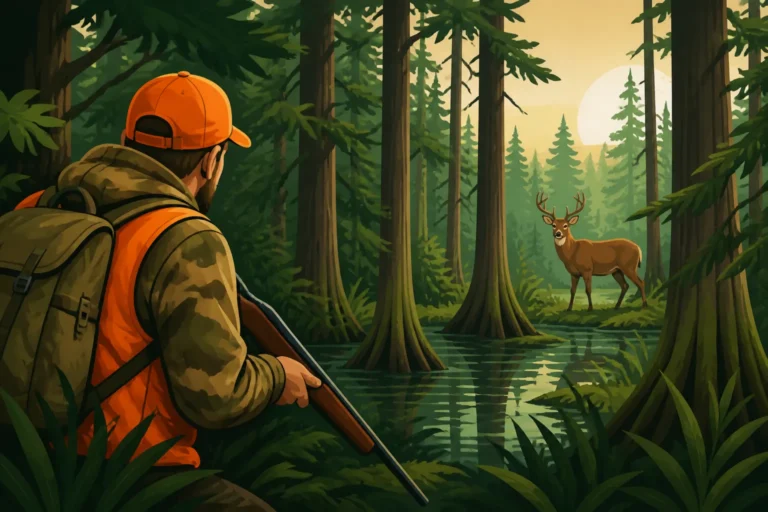
- Transition Zones: The edges of swamps, thickets, and timber where deer transition from dense cover to more open areas are also prime. Does will often try to lose a pursuing buck in thick cover, and bucks will follow. Setting up on the edge of a cedar swamp or a brushy clearcut can put you in the thick of the action. This is the time to really focus on those natural intersections.
- Overlooking Bedding Areas: While you might not want to hunt directly in a bedding area and risk spooking deer, setting up on a travel route just outside or downwind of known doe bedding can be deadly. Bucks will often cruise these areas, checking for the scent of receptive does. If you're on public land, don't be afraid to walk a little further to get to those overlooked spots.
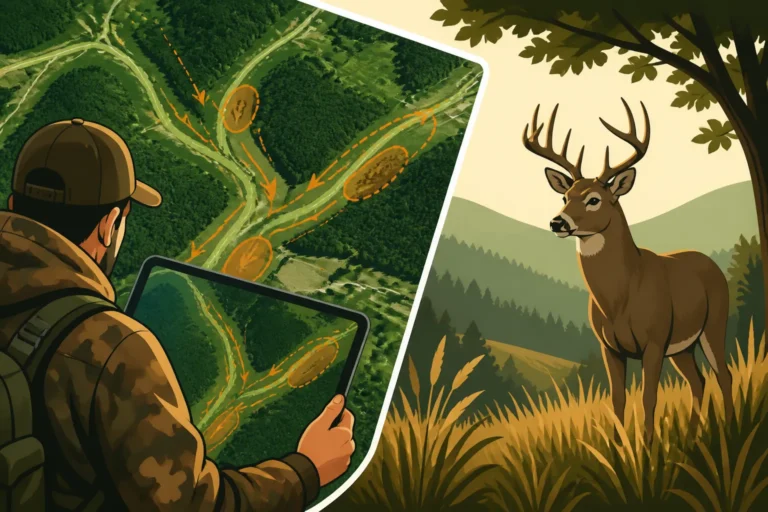
Your goal is to intercept a buck that is actively looking for or pursuing a doe. This means being patient and having faith in your chosen spot. Use mapping tools like GoHunt to identify these terrain features before you even step foot in the woods. Look for those "dark timber" areas connecting larger blocks of cover.
Still-Hunting and Ground Tactics
While stand hunting is popular, the peak rut also offers incredible opportunities for more active approaches like still-hunting, especially if you're comfortable on the ground.
- Still-Hunting: This method involves moving very slowly through the woods, taking a few steps, then stopping for several minutes to scan, listen, and glass. During the peak rut, bucks are often so focused on does that they might be less aware of their surroundings, or at least less wary than usual. Still-hunting allows you to cover ground and find the action rather than waiting for it. Focus on areas with good visibility and lots of sign—fresh tracks, rubs, and scrapes, even if they aren't actively being worked. I’ve had some of my most exciting encounters still-hunting through creek bottoms or along ridge lines in Wisconsin, catching a buck trailing a doe completely off guard.
- Ground Blinds: If still-hunting isn't your style, or if you're in an area with limited trees for a stand, a ground blind can be highly effective. The key is setting it up well in advance or using natural cover to conceal it. Choose a spot that offers a good view of a funnel or a bedding area edge. Being able to move slightly, adjust your shot, and stay hidden can be a huge advantage. Just remember the rules for Using a Ground Blind on Wisconsin Public Land and ensure it's properly brushed in for maximum concealment.
- Using Terrain to Your Advantage: When still-hunting or moving to a ground blind, always use the terrain to break up your silhouette and muffle your sounds. Ridge lines, creek banks, and thick pockets of brush are your friends. Consider the wind and thermals, especially in hilly terrain like the Driftless. Understanding Wind and Thermals in a Coulee can be the difference between busting deer and getting a shot.
These active methods require patience and a keen eye, but they can be incredibly rewarding when a buck is on the move and less focused on detecting predators.
Dealing with Peak Rut Challenges
The peak rut isn't all sunshine and chasing bucks. There are very real challenges that can dampen even the most enthusiastic hunter's spirits. Understanding and preparing for these can make a significant difference.
Adapting to Changing Weather
Wisconsin weather in November is notoriously unpredictable, and it can dramatically impact deer movement during the rut. One day it's unseasonably warm, the next a blizzard hits.
- Warm Fronts: If a warm front rolls through during the peak rut, deer movement, particularly buck movement, can slow down significantly during daylight hours. They'll become more nocturnal, or at least shift their activity to the cooler parts of the day, like early morning and late evening. During these times, focus your efforts on shaded, cooler areas, like north-facing slopes or dense cedar swamps where deer might try to escape the heat. They'll still be breeding, but they'll conserve energy. This is where patience is key; a warm day can often be followed by a cold snap that fires things back up.
- Cold Fronts and Snow: A sudden drop in temperature, especially coupled with fresh snow, can ignite deer movement like nothing else. Bucks, feeling the urge to breed before harsher weather sets in, will often be on their feet more. Fresh snow also makes tracking and spotting deer much easier. This is when those open hardwood ridges or field edges become prime. Dress in layers, because long sits in plummeting temperatures require proper gear. Make sure your hands and feet stay warm.
- Rain and Wind: Heavy rain can suppress movement, though light drizzle often has deer on their feet. Strong winds, however, are a double-edged sword. Deer often hunker down in thick cover to escape the wind, making them harder to find. But if you can find a sheltered leeward side of a ridge or a dense pine plantation, you might find deer seeking refuge there. Strong winds also mask human noise, which can be an advantage for a still-hunter. However, they can also make it harder for deer to hear your calls or detect scent. Always try to hunt with the wind in your favor, especially during the rut when deer are moving so much.
Being flexible with your hunting schedule and location to match the weather patterns is crucial. Don't be afraid to change your plan if the weather suddenly shifts.
Handling Hunting Pressure
Wisconsin's deer season is a cherished tradition, and during the peak rut, public lands, and even some private lands, can feel like a carnival. Hunting Pressure on Wisconsin Public Land is a real concern, and it can absolutely impact deer behavior.
- Find the Sanctuaries: Deer will quickly learn where hunting pressure is highest and seek refuge in thick, inaccessible areas. These might be dense swamps, tangled clearcuts, or steep, nasty terrain that most hunters avoid. Don't be afraid to put in the extra effort to get away from the crowds. While other hunters stick to the easy-to-access logging roads, you should be pushing deeper. Look for terrain features on your GoHunt mapping app that others might pass by. A small, overlooked thicket surrounded by more open woods can be a hidden gem.
- Hunt Mid-Day: Many hunters head back to camp for lunch during the mid-day lull. This is often when pressured bucks, especially during the peak rut, will make their moves. With fewer people in the woods, they might feel safer traveling between bedding and feeding areas, or simply pushing does from one thicket to another. Consider an all-day sit if you can manage it. Pack a good lunch, plenty of water, and embrace the grind.
- Utilize Adjacent Private Land Edges: If you're hunting public land, pay close attention to areas bordering private property where deer might feel safer. Bucks often use these edges, traveling just inside the public boundary but still close to the sanctuary of private ground. However, always be acutely aware of property lines and respect them. Having a reliable mapping application like GoHunt with up-to-date property boundaries is non-negotiable for this tactic.
Pressure forces deer to adapt, and successful hunters do the same. Don't just follow the crowd; think about where the deer aren't being disturbed.
The Importance of Scent Control
During the peak rut, bucks are moving, checking, and sniffing constantly. Their sense of smell is their primary defense mechanism, and it's amplified when they're actively searching for does. Failing at scent control is a sure way to blow your chances.
- A Multi-Layered Approach: Scent control isn't just about spraying down with an aerosol. It starts at home: wash your hunting clothes in scent-free detergent, store them in airtight containers or bags, and shower with scent-free soap before you head out.
- In the Field: Wear rubber boots to minimize ground scent. Avoid touching vegetation unnecessarily. Use scent-eliminating sprays on your outer layers, and consider a scent-controlling base layer. Some hunters even use ozone generators, though their effectiveness is debated, the peace of mind can be valuable. The goal is to minimize, not eliminate, your human odor.
- Playing the Wind: Ultimately, the wind is your most important scent control tool. No amount of spray can overcome a swirling or direct upwind breeze to a deer's nose. Always know your wind direction and hunt accordingly. If the wind shifts, be prepared to move or adjust your setup. In steep terrain, understand how Wind and Thermals in a Coulee can betray your position. During the peak rut, bucks might be so focused they blunder in, but a wary old mature buck will still pick you off if your scent is wafting in his direction. This is especially true on heavily pressured public ground.
Don't underestimate a buck's nose, especially during this critical time. A single whiff of human odor can send him packing, even if he’s driven by the rut.
Scouting and Preparation for Rut Success
While the peak rut is all about in-the-moment decision-making, groundwork laid well before the season, and even during the season, is absolutely vital. You can't just show up and expect consistent success without some intel.
Pre-Season Sign vs. In-Season Hotspots
What you find in August isn't always what's hot in November. Pre-season scouting gives you a baseline, but the rut demands real-time adjustments.
- Summer and Early Fall Scouting: In the months leading up to the season, focus on identifying primary travel routes between known feeding and bedding areas, potential funnel points, and historical scrape and rub lines. Trail cameras are invaluable for pattern recognition, helping you understand Wisconsin Buck Age Structure and how deer use the landscape before pressure hits. This early intel is critical for understanding the general flow of deer movement in your hunting area.
- The Transition to Rut Sign: As the pre-rut begins in late October, you'll start seeing bucks actively refreshing scrapes and making new rubs. These are areas where bucks are communicating their presence and assessing the availability of does. While these signs are important, during the peak rut, bucks might abandon these traditional scrape lines as they become more singularly focused on pursuing does. Don't get hung up on a cold scrape when you could be hunting a fresh rub line along a travel corridor.
- In-Season Hotspots: During the peak rut itself, look for fresh sign of chasing: torn-up ground, broken saplings, and fresh tracks of a buck trailing a doe. These dynamic hotspots often appear quickly and might only be active for a day or two. Being able to adapt and move to where the action is happening is a hallmark of a successful peak rut hunter. This is where your mobile stand or ground blind setup shines, allowing you to quickly move to a new area that just heated up.
Your scouting should be an ongoing process, evolving with the deer season itself. The deer woods are a dynamic environment, and the rut is its most fluid phase.
Using Technology for Real-Time Intel
Modern technology offers hunters incredible advantages, especially during the unpredictable peak rut. Tools can help you analyze terrain, track deer movement, and even predict optimal hunting times.
- Mapping Apps: Applications like GoHunt are indispensable. They provide detailed aerial imagery, topo maps, and property boundaries, allowing you to identify those crucial funnels, pinch points, and escape routes from your couch. You can mark potential stand locations, scout new areas digitally, and navigate silently and confidently in the field. Imagine seeing a narrow strip of timber that connects two bedding areas – that’s a GoHunt hotspot waiting to be found.
- Trail Cameras: While their effectiveness for "patterning" a rutting buck is limited due to their erratic movements, trail cameras can still provide valuable intel. Placing them on major travel corridors or pinch points can confirm if bucks are moving during daylight hours in a particular area. They can also tell you if you're dealing with a good buck-to-doe ratio, which can influence how intense the rut will be.
- Weather Apps: Reliable weather apps are critical for understanding how deer behavior might change day-to-day. Look for apps that provide hyper-local wind direction, temperature changes, and frontal system movements. As discussed earlier, adapting to weather is key, and good data helps you make those decisions on the fly.
- The Wisconsin Hunt Wild App: The official Scouting With the Wisconsin Hunt Wild App from the DNR is another great tool for checking regulations, unit boundaries, and sometimes even public land access points. It’s always smart to double-check local rules, especially concerning baiting or specific firearm restrictions, as these can change.
Leveraging these tools allows you to make more informed decisions, saving you time and increasing your odds of connecting with a Wisconsin buck during the most exciting time of the year.
Post-Hunt Strategy and Learning
Even if you don't tag a buck, every peak rut hunt is a learning experience. Don't let the season end without a thorough debrief.
- Analyze Your Successes and Failures: Take notes (mental or physical) on what worked and what didn't. Did a particular calling sequence bring in a buck? Did you see deer moving through a specific funnel at a certain time of day, even if you didn't get a shot? Did the wind betray you in a certain stand? This analysis forms the basis for improving next year's strategy.
- Scout After the Season: One of the best times to scout for next year's peak rut is right after the season, especially if there's snow on the ground. You can easily identify fresh trails, rub lines, and bedding areas that were active during the rut. With leaves off the trees, visibility is better, allowing you to see terrain features and funnels that were hidden during the hunting season. You might even find some sheds, giving you an idea of what bucks survived and where they're wintering. This type of reconnaissance is invaluable.
- Connect with Other Hunters: Talk to other ethical hunters in your area. Share observations and learn from their experiences. While every hunter has their secrets, a healthy exchange of information can lead to new insights and strategies for tackling the next peak rut. Remember, the goal is always to grow as a hunter, and the rut offers some of the best lessons.
By constantly learning and adapting, you'll be better prepared for the next time those Wisconsin bucks go completely crazy, making the most of that precious peak rut week.
Disclaimer
Please note: Hunting regulations, seasons, and licensing requirements in Wisconsin can change. Always consult the most current Wisconsin Department of Natural Resources (DNR) regulations and publications before planning any hunting activity. This content is for informational purposes only and does not constitute legal advice.