First Aid Kits for Remote Northwoods Ground
There’s nothing quite like the solitude of hunting deep in Wisconsin’s Northwoods. The towering pines, the quiet crunch of leaves underfoot, the thrill of wild country – it’s an experience that draws us back year after year. But that very remoteness, that beautiful isolation, also comes with a significant responsibility: self-reliance. When you’re miles from the nearest road, let alone a clinic or hospital, a minor mishap can quickly escalate into a serious emergency. This guide is all about equipping you, not just with the right gear, but with the mindset to handle medical situations when help is a long way off.
The Reality of Remote Northwoods Hunting and Why Preparedness Matters
Many of us head into the woods with a small, pre-packaged first aid kit, thinking it'll cover us for a cut finger or a minor scrape. And for a quick jaunt behind the cabin, that might be true. But when you venture into the expansive public lands of northern Wisconsin, where the timber stretches for miles and cell service is a forgotten luxury, those little kits suddenly feel woefully inadequate. The Northwoods isn't your backyard; it's a place where preparedness isn't just smart, it's essential.
The Distant Echo of Help: Understanding Northwoods Isolation
Think about your typical hunting spots up north. Maybe you're deep in the Chequamegon-Nicolet National Forest, or perhaps you've hiked a few miles into a sprawling county forest in Sawyer or Vilas County. You’ve driven a logging road as far as it goes, then walked even further. The silence is profound. That silence is beautiful, yes, but it also means that if you or a hunting partner get hurt, there's no immediate help. There's no quick run to the truck and a five-minute drive to town.
When we talk about "remote" in the context of Hunting the Wisconsin Northern Forest for Deer, we're talking about places where it could take hours to get an injured person to a paved road, let alone to a medical facility. Factor in difficult terrain, potential for bad weather, and the limited daylight of a Wisconsin hunting season, and those hours can stretch even longer. Your phone might be dead, or simply out of service range. Even if you get a signal and call 911, it takes time for emergency services to locate you, navigate rugged trails, and then extract you. This isn't meant to scare you, but to provide a realistic assessment of the environment we love to hunt. Your first aid kit needs to bridge that gap between the moment of injury and the arrival of professional care.
More Than a Scratch: Common Injuries Beyond the Back Forty
While minor cuts and scrapes are certainly possible, the Northwoods environment and hunting activities present a broader range of potential injuries. It’s not just about what you might encounter, but what you can reasonably prepare for, given the limitations of what you can carry.
Consider slipping on wet leaves while carrying a deer out of a cedar swamp, potentially leading to a twisted ankle or worse. Or maybe you're Setting Up on an Aspen Cut Edge and a branch snaps, causing a deep laceration. A simple fall from a treestand, despite all precautions, is a catastrophic event you must be ready for. Hypothermia is a constant threat during the late seasons when temperatures drop quickly, especially if you're wet. Even a severe allergic reaction to a bee sting or a spider bite, something common back home, becomes far more dangerous when you're an hour's walk from your vehicle. These aren't just theoretical dangers; they are real possibilities that require more than just a few adhesive bandages.
Assembling Your Indispensable Northwoods First Aid Kit
Putting together a first aid kit for remote hunting isn't about buying the biggest pre-made kit you can find. It's about a thoughtful, personalized approach, focusing on durability, utility, and what you genuinely need for the specific challenges of the Wisconsin wilderness. You want a kit that's robust enough to handle the elements, organized so you can find what you need in a hurry, and comprehensive enough to address common to moderately severe hunting-related injuries. Don't just throw things in; think about how you'd use each item in a stressful situation.
The Foundation: What Every Kit Needs
Start with the absolute essentials, building outward from there. These are the items that address the most common and immediate concerns, the ones that stop bleeding, clean wounds, and manage pain.
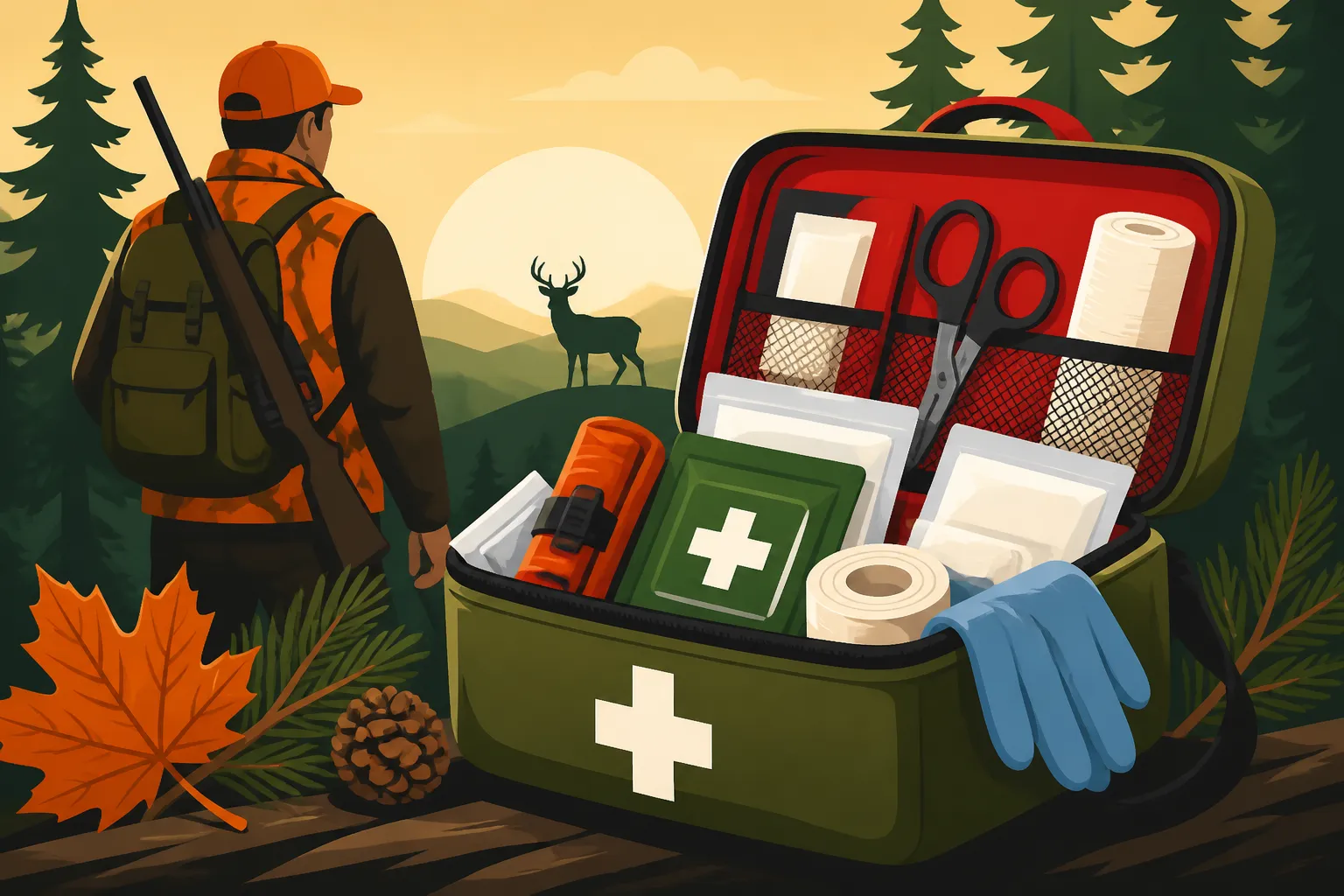
- Wound Care & Trauma:
- Various sized bandages: Adhesive strips for minor cuts, but also larger sterile pads and gauze rolls for significant wounds.
- Trauma dressing/pressure bandage: This is crucial for controlling serious bleeding. Something like an Israeli Bandage or a large, absorbent trauma pad can be a literal lifesaver.
- Medical tape: Strong, waterproof medical tape to secure dressings.
- Antiseptic wipes or small bottle of antiseptic solution: To clean wounds thoroughly and prevent infection when soap and water aren't available.
- Antibiotic ointment packets: Again, for infection prevention.
- Non-stick pads: For covering larger wounds without sticking.
- Burn gel packets: For minor burns, perhaps from a forgotten coffee thermos or a stray spark from a camp stove.
- Pain & Inflammation:
- Pain relievers: Acetaminophen (Tylenol) and Ibuprofen (Advil/Motrin) for headaches, muscle aches, sprains, and general discomfort.
- Antihistamines: Diphenhydramine (Benadryl) for allergic reactions (insect bites, plant contact) and to help with sleep if an injury makes you uncomfortable.
- Tools:
- Trauma shears: Far superior to regular scissors for cutting through clothing to access wounds.
- Tweezers: For splinters, ticks, and other small foreign objects.
- Disposable gloves: Protect yourself and the injured person from infection.
- Small flashlight or headlamp: Essential for working in low light or after dark. You might be Blood Trailing After Dark in Wisconsin and need to tend to an injury.
- Magnifying glass: For tick removal or examining small wounds.
Specialized Additions for the Wisconsin Backcountry
Once you have the basics, consider items tailored to the hunting environment and the potential for more severe issues. This is where your kit moves beyond a home medicine cabinet and truly becomes a wilderness survival tool.
- Splinting Material: A flexible splint, like a SAM Splint, is lightweight and invaluable for stabilizing sprains, fractures, or dislocations of limbs. Pair this with elastic bandages to secure it. If you sprain an ankle deep in the woods, the ability to splint it makes the arduous walk out a little more manageable.
- Blister Treatment: Moleskin, blister pads, or hydrocolloid bandages are game-changers for long walks. A bad blister can render you unable to walk effectively, cutting your hunt short or making an emergency extraction incredibly painful.
- Water Purification: Small tablets or a compact filter. Staying hydrated is always important, but critically so in an emergency where you might be waiting for help.
- Emergency Blanket/Bivy: A Mylar emergency blanket or a lightweight survival bivy sack. Hypothermia is a serious risk, especially if you're injured and immobile, or caught in an unexpected rain or snow shower. A regular blanket is too bulky, but these compact options can retain significant body heat.
- Cordage: A length of paracord or strong rope can be used for improvised splints, securing shelter, or even helping move an injured person a short distance.
- Wound Closure Strips/Super Glue: For small, clean cuts that might benefit from being held closed to promote healing and reduce infection, though this requires good judgment.
- Whistle: For signaling for help. Three short blasts is a universal distress signal.
- Fire Starter: Waterproof matches, a lighter, or a ferro rod. Fire can provide warmth, purify water, and be a signaling tool.
- Map and Compass: Even if you rely heavily on apps like GoHunt, having a physical map of your Finding Your Wisconsin Deer Management Unit and a compass is non-negotiable when batteries die or satellites are out.
- Signal Mirror: For signaling aircraft or distant search parties.
Integrating Personal Needs and Medications
Your first aid kit isn't complete until it reflects your specific health profile and that of your hunting partners. This is often overlooked but can be the most critical aspect for individual safety.
- Prescription Medications: If you or anyone in your group takes daily medication, ensure you have an adequate supply for the duration of your trip, plus a few extra days in case of unexpected delays. Keep these in their original containers, clearly labeled.
- Epinephrine Auto-Injector (EpiPen): If anyone in your party has severe allergies (to bee stings, certain foods, etc.), carrying an EpiPen is non-negotiable. Make sure you and your partners know how to use it.
- Inhaler: For anyone with asthma.
- Diabetic Supplies: Blood glucose monitor, insulin, snacks.
- Eyeglass Repair Kit/Spare Glasses: A small kit for fixing broken frames, or even just carrying an old pair of glasses, can make a huge difference if your primary pair breaks and you rely on them for sight.
- Electrolyte packets: Can help rehydrate and prevent cramping, especially on strenuous hikes in warmer weather.
Consider storing these personal items in a clearly marked, separate, waterproof bag within your main first aid kit, so they are easy to locate in an emergency.
Strategies for Staying Safe and Using Your Kit Effectively
Having the best first aid kit in the world won't do you much good if you don't know how to use it, or if you constantly put yourself in unnecessarily risky situations. True preparedness for Wisconsin Hunting Licences and What They Cost extends beyond just the gear. It involves knowledge, planning, and good judgment.
The Ounce of Prevention: Smart Hunting Practices
The best first aid is the one you never have to use. Proactive safety measures can significantly reduce the likelihood of needing your kit.
- Share Your Plan: Always tell someone responsible exactly where you're going, your planned route, and when you expect to return. Be specific. "I'm heading into the public land off County Road J, about two miles in, near that big cedar swamp, then looping back towards the truck by dusk." This information is vital if you don't check in.
- Dress for Success: Layering is key for Wisconsin's unpredictable weather, especially when hunting Cold Weather Sitting Strategy. Avoid cotton against your skin, as it loses its insulating properties when wet. Opt for wool or synthetics. Ensure your footwear is appropriate for the terrain and conditions, providing ankle support and waterproofing.
- Stay Hydrated and Fed: Even moderate dehydration or low blood sugar can impair judgment and lead to accidents. Carry enough water and high-energy snacks for the day, plus a bit extra for emergencies.
- Mind Your Step: Watch for slippery leaves, uneven ground, fallen logs, and old barbed wire. Especially during periods like Hunting the Peak Rut Week in Wisconsin when attention is often focused solely on deer movement, it's easy to overlook footing.
- Safe Treestand Practices: Always use a full-body harness and a safety rope or lifeline when climbing, descending, and sitting in a treestand. Accidents happen quickly, and a fall from even a moderate height can be devastating.
- Firearm Safety: Always adhere to the fundamental rules of firearm safety. Treat every firearm as if it's loaded, never point it at anything you're not willing to destroy, keep your finger off the trigger until ready to shoot, and be sure of your target and what's beyond it.
- Know Your Limits: Don't push yourself too hard. If you're feeling tired, dehydrated, or overwhelmed by the conditions, scale back your plans. A deer isn't worth a serious injury.
Communicating When Things Go Wrong
Even with the most comprehensive first aid kit, you'll eventually need outside help for serious injuries. Knowing how to communicate effectively is paramount.
- Cell Phone & External Battery: Always carry your cell phone fully charged, even if you don't expect service. Keep it in a waterproof bag. Bring a portable charger (power bank) for extra juice.
- Satellite Communicator/PLB (Personal Locator Beacon): For truly remote areas, these devices are a game-changer. Brands like Garmin inReach or a SPOT device allow you to send pre-programmed messages, text messages (with some models), and most importantly, an SOS signal with your exact GPS coordinates to a global rescue coordination center. This could be the single most important piece of emergency gear you carry in the deep Northwoods.
- Two-Way Radios: If hunting with a partner or group, two-way radios can keep you connected, especially in rolling terrain or dense cover where visual contact is lost. They won't reach emergency services, but they are invaluable for internal group communication.
- Emergency Whistle & Signal Mirror: As mentioned, these are passive signaling devices that can be surprisingly effective over distance or to attract attention from aircraft.
Before you go, make sure you and your hunting partners discuss an emergency plan. Who carries the first aid kit? Who has the satellite communicator? What's the rendezvous point if someone gets separated or injured? Using GoHunt or similar mapping apps to mark potential emergency egress routes and staging areas can make a huge difference in coordinating with rescuers. Have a plan for Getting a Deer Out of a Wisconsin Swamp if someone is injured in there, for example.
| Item Type | Essential for Basic Care | Specialized for Northwoods | Personal/Situational |
|---|---|---|---|
| Wound Management | Adhesive bandages, gauze, tape, antiseptic wipes, antibiotic ointment | Trauma dressing, non-stick pads, super glue/wound closure strips | Allergy medication, EpiPen |
| Pain & Inflammation | Acetaminophen, Ibuprofen | Antihistamines | Prescription medications |
| Tools & Safety | Trauma shears, tweezers, gloves, headlamp | Splinting material, emergency blanket, cordage, whistle, fire starter, signal mirror | Spare glasses, diabetic supplies, water purification |
| Navigation/Comm. | Map, compass, charged cell phone | Satellite communicator, two-way radios, power bank |
Practice, Placement, and Periodic Checks
A first aid kit is only as good as its contents and your ability to use them.
- Learn Basic First Aid: Consider taking a wilderness first aid course. Knowing how to properly apply a pressure bandage, stabilize a fracture, or treat for shock can turn a dire situation into a manageable one. Knowing the techniques is more important than having all the gear.
- Kit Placement: Your first aid kit should be readily accessible. Don't bury it at the bottom of your pack. It should be in an outer pocket or a small, dedicated pack that you can grab quickly. If hunting with a group, ideally each person carries a small personal kit, and one designated person carries a more comprehensive group kit.
- Review and Replenish: At the start of each hunting season, or even before each major trip, go through your kit. Check expiration dates on medications, replace used items, and ensure batteries in flashlights or communicators are fresh. Make sure everything is clean and dry. A moldy bandage or expired EpiPen is useless.
By taking these steps, you transform your first aid kit from a collection of items into a robust, integrated part of your overall safety strategy for exploring Wisconsin's beautiful, yet unforgiving, Northwoods.
Disclaimer
This article is for general informational purposes only and does not constitute professional advice. Laws, prices and regulations vary by location and change over time. Consult a qualified professional for guidance on your specific situation.