Hunting the Wisconsin Rut in November
November in Wisconsin is a magical time for deer hunters, but it can also be incredibly frustrating. One day, bucks are chasing does hard, making them seem predictable, and the next, it feels like the woods have gone silent, leaving you wondering where all the deer went. This comprehensive guide will peel back the layers of the whitetail rut in Wisconsin, offering deep insights and actionable strategies to help you understand and capitalize on the various phases of deer behavior throughout this pivotal month.
Understanding the Phases of Wisconsin's November Rut
The rut isn't a single event; it's a dynamic period with distinct stages that influence deer behavior in profound ways. Missing these nuances can mean the difference between a successful hunt and a long, cold sit in the stand. In Wisconsin, November truly encompasses the most critical parts of this annual spectacle, from the frantic searching of the pre-rut to the intense breeding of the peak rut, and finally, the winding down as bucks recover.
The Pre-Rut Build-Up in Early November
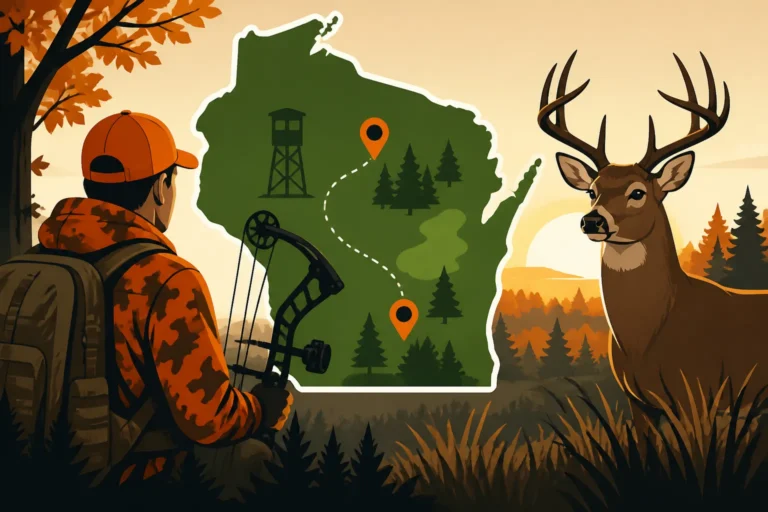
As October gives way to November, Wisconsin's deer woods really start to buzz with activity. This is the "seeking phase" or what many call the pre-rut. Bucks, fueled by rising testosterone, are actively seeking out the first does coming into estrus. They're not yet locked down with does, which means they're covering a lot of ground, often during daylight hours, in search of receptive females. This can be a fantastic time to catch a mature buck off guard, as their guard is often lower than during the archery season's opening weeks.
You'll notice an increase in tell-tale signs: fresh rubs appearing on saplings and small trees, signaling a buck's assertion of dominance and conditioning his neck muscles. Scrapes, once sporadic, become more defined and frequently visited, especially those along field edges or timber transitions. Think of it as the ultimate dating app for deer – they're checking profiles, leaving their scent, and hoping to connect. Hunters who master Hunting the Pre-Rut in Late October will find themselves well-positioned for the early days of November. This phase often sees bucks traveling traditional patterns, like between bedding areas and food sources, but with an added urgency to check scent lines and potential doe hangouts.
The Intense Peak Rut Period
Mid-November, especially the week leading up to and during the first few days of Wisconsin's Nine-Day Gun Deer Season, often represents the true peak of the rut in Wisconsin. This is the "chasing" and "breeding" phase, and it's what most hunters dream about. Bucks are now actively pursuing and breeding does, sometimes running them ragged across vast tracts of land. Their focus shifts almost entirely to reproduction, often sidelining their usual caution. You might see a big buck jogging across an open field in broad daylight, nose to the ground, completely oblivious to your presence, simply because a hot doe led him there.
During this period, deer movements can seem erratic because they're being dictated by the does. A buck might be "locked down" with a doe for a day or two in thick cover, making him incredibly hard to find. However, once that doe is bred, he's back on the prowl, looking for the next receptive female. This high-energy pursuit means bucks are burning a lot of calories, which makes finding secure cover for quick rests and access to water crucial for them. This is when patience and persistence truly pay off, as deer can be moving at any time of day. For those looking to capitalize on this frenetic period, deeper dives into Hunting the Peak Rut Week in Wisconsin are invaluable.
The Late Rut and Post-Peak Slowdown
As the peak breeding winds down in late November, we enter what's often called the "secondary rut" or post-peak phase. Many of the primary estrous does have been bred, and the most intense chasing activity diminishes. However, don't pack away your gear just yet! Younger does that weren't bred during the primary window, or older does that didn't conceive, will come into estrus again, usually about 28 days later. This "second wave" can spark a resurgence of buck activity, albeit often less frantic than the peak.
During this time, bucks are often exhausted and have lost significant body weight. Their energy reserves are depleted from weeks of chasing and minimal feeding. They'll be looking for opportunities to feed and recover, making late-season food sources increasingly attractive. You might still see a buck dogging a doe, but the overall intensity is lower. Hunters need to adjust their tactics, shifting from pure "chase" strategies to focusing more on food and recovery areas, while still being aware of those lingering estrous does. This transition sets the stage for success in the colder December hunts, where understanding Late-Season Food Sources for Whitetails becomes paramount.
Early November Tactics: Capitalizing on Pre-Rut Prowess
Early November is prime time to intercept a cruising buck. They're eager, aggressive, but not yet entirely fixated on a single doe. This balance makes them vulnerable to certain strategies that emulate their natural behaviors.
Exploiting Scrapes and Rub Lines
During the pre-rut, bucks are vigorously marking their territory and communicating their presence through rubs and scrapes. Freshly worked scrapes, especially those under an overhanging branch (a "licking branch") that deer frequently visit, are like community bulletin boards. Bucks will paw the ground, urinate into the scrape, and rub their preorbital glands on the licking branch, leaving a potent cocktail of scent. Finding a "primary scrape" — one that's used year after year by multiple deer — can be a gold mine.
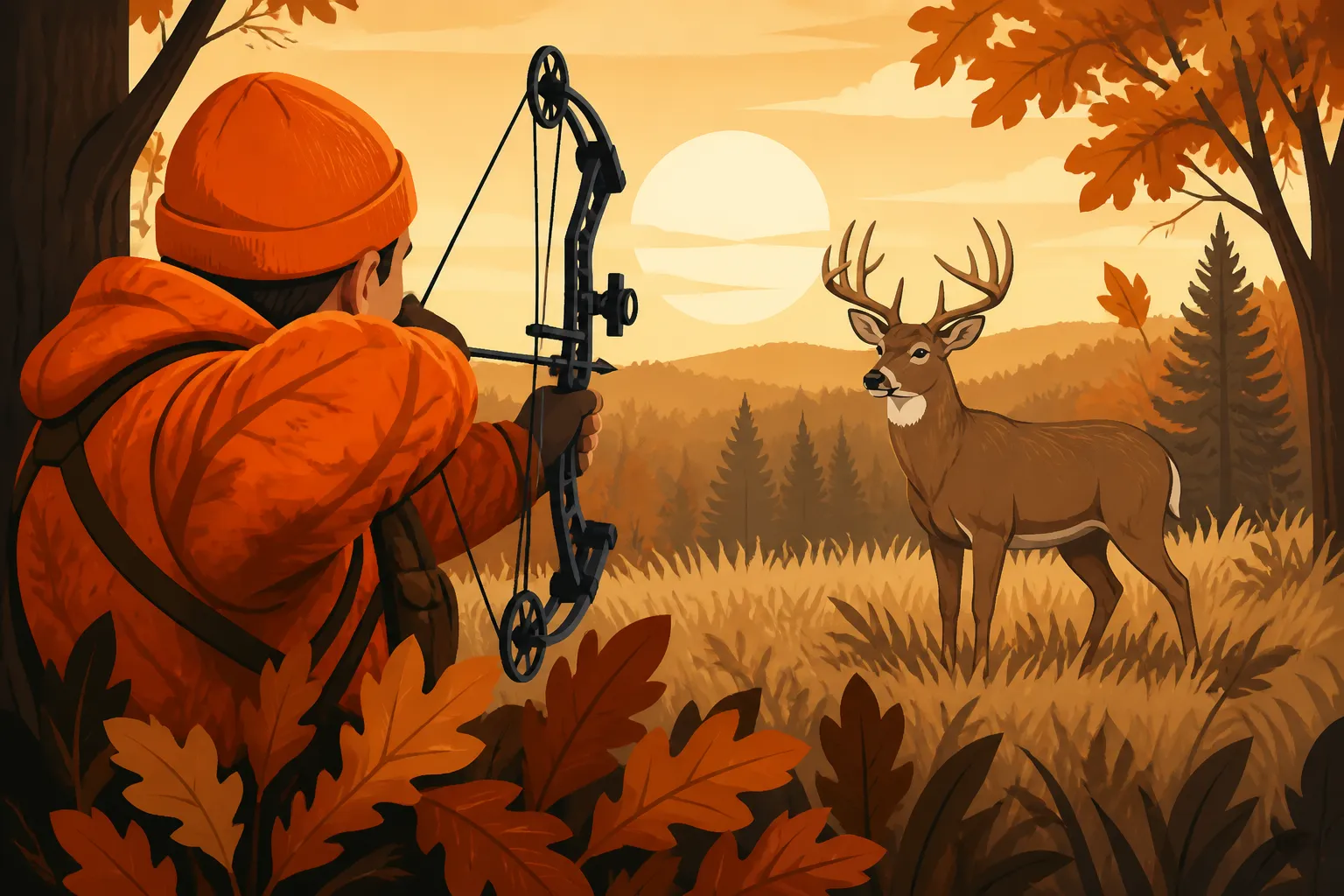
Setting up within bow range of these active scrapes and rub lines, especially where they intersect a travel corridor, can be highly effective. Bucks will often check these signs during daylight hours, particularly in the mornings and evenings, to see who's been around. While many hunters might place a trail camera, actually hunting over these spots, paying attention to wind direction, is key. Consider using a little natural buck urine or dominant buck scent to amp up the allure of a scrape, but always do so sparingly and with caution, as too much can spook wary deer.
Aggressive Calling and Rattling Strategies
The pre-rut is arguably the best time to employ aggressive calling and rattling strategies in Wisconsin. Bucks are feeling their oats and are eager to assert dominance or investigate potential rivals. Soft grunts and doe bleats can pique their curiosity, pulling them closer to investigate a "hot" doe. But the real magic happens with rattling. The sound of two bucks fighting or sparring can be an irresistible siren call to a mature buck looking for a challenge or simply curious about who's invading his turf.
When rattling, it's often effective to employ a sequence: start with a soft spar, build to an aggressive clash, then break a few branches and rake some leaves to simulate a real fight. Follow up with a few grunts, mimicking a buck that just won or lost the skirmish. Then, be quiet and ready. Bucks often circle downwind to scent-check the source of the sound, so position yourself carefully. This technique is especially potent in areas with good buck-to-doe ratios and where bucks are actively seeking interaction. Don't be afraid to experiment with the volume and duration; sometimes a short, sharp rattle is all it takes. More details on these techniques can be found in Rattling and Grunting in Wisconsin.
Hunting Food Sources Before the Chase
While bucks are increasingly focused on does, they haven't completely abandoned their need for calories, especially before the full intensity of the peak rut kicks in. Early November can still see significant deer movement around high-energy food sources, particularly in the late afternoon. Acorn flats, standing corn, or food plots planted with brassicas or winter rye are magnets for deer, especially does. And where the does are, bucks will eventually show up, cruising the edges, scent-checking for receptive females.
Focus on the transition zones between these food sources and thick cover where deer bed. A well-placed stand overlooking a frequently used trail entering a food plot or timber edge where acorns are abundant can be highly productive. This is also a good time to consider hunting field edges during the middle of the day, as bucks might be making passes to check for does without committing to a full-blown feed. When choosing a location, remember that deer will prioritize food that offers good cover nearby, allowing them to feel secure as they feed.
Peak Rut Strategies: When Bucks Are on the Move
This is the phase everyone talks about, and for good reason. Bucks are chasing, often disregarding caution. Your strategies need to reflect this hyper-focused, high-mobility behavior.
Focusing on Funnels and Pinch Points
During the peak rut, bucks are relentlessly searching for and chasing does, often covering vast distances. This makes travel corridors, especially natural funnels and pinch points, absolute hotspots. A funnel might be a narrow strip of timber connecting two larger woodlots, a low saddle between two ridges, or a creek bottom that provides cover between feeding and bedding areas. Anywhere deer are forced into a confined space during their travels becomes a high-odds location.
Pinch points are similar but often refer to obstacles that constrict deer movement, such as a swamp edge, a steep bluff, or a strip of thick brush between two open fields. Bucks will use the path of least resistance when moving between areas, and if that path is narrow, your chances of intercepting one skyrocket. This is where detailed scouting and utilizing tools like the Scouting With the Wisconsin Hunt Wild App or advanced mapping features from services like GoHunt become invaluable. These tools allow you to identify these geographical bottlenecks on aerial photos, helping you predict deer movement. Setting up a stand in a location where deer are funneled through a narrow corridor means you're not just hoping a deer happens by; you're placing yourself directly in their most likely travel path.
All-Day Sits and Stand Placement
The peak rut defies conventional wisdom about hunting only during dawn and dusk. Bucks can be on their feet at any hour, driven by the urge to breed. This makes all-day sits incredibly effective, particularly if you're in a prime location. Many of the biggest bucks are harvested between 10 AM and 2 PM during the peak rut, when most hunters have headed back to camp for lunch. Sustained effort is crucial.
Your stand placement should reflect this all-day potential. Instead of just focusing on food source entries or bedding exits, look for locations that offer good visibility over a travel corridor, a potential staging area, or even a smaller, secluded food plot deep in the timber where a buck might push a doe to bed down. Consider a comfortable setup, especially if you're going to be in the stand for 8-10 hours. A good seat, a quiet access route, and the ability to discreetly relieve yourself are all practical considerations. For specific advice on hanging stands in varying Wisconsin terrain, exploring topics like Treestand Setups in Wisconsin Hardwoods can provide valuable insights.
Decoy Use and Visual Attraction
While calling and rattling appeal to a buck's auditory and olfactory senses, a well-placed decoy can tap into their visual instincts, especially during the peak rut. A realistic doe decoy can be incredibly effective, as bucks are constantly seeking out receptive females. Many hunters also find success with a small buck decoy, particularly if it's positioned to look like it's challenging the dominant buck in the area. The key is realism and proper setup.
Position your decoy in a visible location, often upwind of your stand, so that an approaching buck will scent-check it before reaching your position. This allows for a shot opportunity as he circles. A standing or bedded doe decoy works well to attract cruising bucks. If using a buck decoy, position it to appear subordinate or in a challenging posture. Remember to adjust its pose periodically, using a simple string system, to simulate movement and keep it lifelike. Always consider wind direction carefully, as an approaching buck will almost always try to get downwind of the decoy to confirm the scent, putting him in a perfect position for a shot if you're positioned correctly.
Navigating the Late Rut Challenges
Just because the peak has passed doesn't mean the hunting is over. The late rut presents different challenges and opportunities for the persistent hunter.
Adapting to Exhausted Bucks
By late November, bucks are physically spent. They've been chasing, fighting, and breeding for weeks, losing significant body weight and energy. Their primary focus shifts from frantic breeding to survival – finding food, water, and secure bedding to recover before the harsh Wisconsin winter sets in. This means their movements become more predictable and less erratic than during the peak.
Your strategy must adapt accordingly. Instead of calling aggressively or relying solely on funnels, focus heavily on reliable, high-calorie food sources. Mature bucks will be seeking out the easiest meals with the least amount of energy expenditure. Agricultural fields, especially standing beans or corn that might still be available, or late-season food plots become crucial. Also, scout for thick, south-facing slopes or cedar swamps that offer thermal cover and protection from the elements, as bucks will gravitate to these areas for bedding and recovery. Patience is key, as these bucks might only move during the absolute safest times, often just at dawn and dusk.
Targeting Secondary Estrous Does
While most does were bred during the primary rut, a "secondary rut" can occur in late November and early December. This happens when yearling does come into estrus for the first time, or older does that weren't bred during the peak cycle become receptive again. These "late bloomers" can trigger renewed buck activity, offering a final surge of breeding opportunities.
To capitalize on this, identify areas where doe groups congregate, particularly those with a higher concentration of younger does. This might be around a consistent food source, a sheltered bedding area, or within a specific part of your Wisconsin Deer Management Zones. Bucks will be checking these areas frequently, albeit perhaps with less urgency than during the peak. Using subtle doe bleats or grunts can be effective in drawing in a buck that's still on the prowl for a receptive female. This phase often requires more scouting to pinpoint where these later estrous does are, rather than relying on widespread chasing.
Public Land Considerations for November's End
Hunting public land in late November, especially after Wisconsin's Nine-Day Gun Deer Season has wrapped up, presents a unique set of challenges and opportunities. Hunter pressure, which might have been intense during the gun season, typically drops significantly. This can make deer, especially older bucks, feel more secure and return to their normal patterns, provided the pressure wasn't too high. However, deer will also be warier and more educated from having dodged hunters for weeks.
To succeed on public land late in the rut, you need to find areas that offer sanctuary – thick cover, steep terrain, or places that are simply difficult for most hunters to access. Look for neglected corners, dense swamps, or deep coulees in the Driftless Area where deer can escape pressure and find food and shelter. Scouting for these overlooked spots using aerial photos and topographical maps, perhaps through tools from GoHunt, before the season or even during gun season can give you a significant advantage. Focus on trails leading into and out of these sanctuaries, and be prepared for longer walks to get away from the crowds.
Wisconsin-Specific Rut Considerations
Hunting the rut in Wisconsin isn't just about general whitetail behavior; it's also shaped by the unique landscape, regulations, and environmental factors specific to the Badger State.
Impact of CWD and Baiting Bans
Chronic Wasting Disease (CWD) continues to be a significant concern in certain regions of Wisconsin, particularly in the south-central and western parts of the state. In response, the DNR has implemented baiting and feeding bans in counties where CWD has been detected, as well as in adjacent counties. This directly impacts rut hunting tactics for many hunters. If you're hunting in a banned county, using bait to draw deer in is illegal. This means you have to rely solely on natural food sources and deer movement patterns, which, for many, is a return to more traditional hunting methods.
The absence of bait can actually spread deer out more naturally, making it harder to predict their concentrations. However, it also encourages bucks to travel more widely in search of does, potentially increasing daylight movement across natural funnels and food sources. Hunters in these areas must adapt by intensively scouting for natural browse, acorn crops, and undisturbed bedding areas, and understanding Hunting Without Bait in a Banned County. Knowledge of the Which Wisconsin Counties Have CWD is crucial for all hunters to ensure compliance and ethical hunting practices.
Weather Patterns and Their Influence
Wisconsin's November weather is famously unpredictable. It can swing from crisp, clear autumn days to bitter cold, snowstorms, or even periods of heavy rain. These weather patterns profoundly influence deer activity during the rut. A sudden cold snap after a period of mild weather can kick deer movement into high gear, as they anticipate impending winter and the need to breed before conditions worsen. Conversely, unusually warm temperatures can cause bucks to become more nocturnal or move less during the heat of the day.
Snowfall can be a double-edged sword. A fresh blanket of snow makes tracking easier and reveals recent deer movement, which can be invaluable for pinpointing active scrape lines or travel routes. However, heavy snow can also push deer into dense thermal cover, making them harder to find. Pay close attention to frontal systems; often, the days immediately preceding or following a major weather change (like a cold front moving in) will see increased deer activity as they respond to atmospheric pressure shifts. Dressing appropriately for Wisconsin's extreme November weather is essential for staying out longer and remaining effective.
Pressure from Wisconsin's Nine-Day Gun Deer Season
The single biggest factor influencing the Wisconsin rut in mid-to-late November is, without a doubt, the state's traditional Wisconsin's Nine-Day Gun Deer Season. This hunt, a cherished tradition for generations, brings tens of thousands of hunters into the woods, especially on public lands. This sudden influx of pressure can drastically alter deer movement patterns, pushing bucks and does into the thickest, most secluded cover they can find.
While the sheer volume of hunters can sometimes inadvertently "push" deer towards others, it generally makes deer more cautious. Bucks that were boldly cruising during the early November archery season might become largely nocturnal or hole up in heavy cover during the gun season. Savvy hunters adapt by targeting these deep cover sanctuaries, understanding that deer might move short distances within them during daylight, or they focus on the days immediately after the gun season ends when pressure drops and deer begin to relax a bit. Knowing how to adapt to this pressure is critical for success in the latter half of the month.
Essential Gear and Scouting for Rut Success
Success during the rut in Wisconsin isn't just about understanding deer; it's also about being prepared and utilizing the right tools.
Optics and Trail Cameras for Real-Time Intel
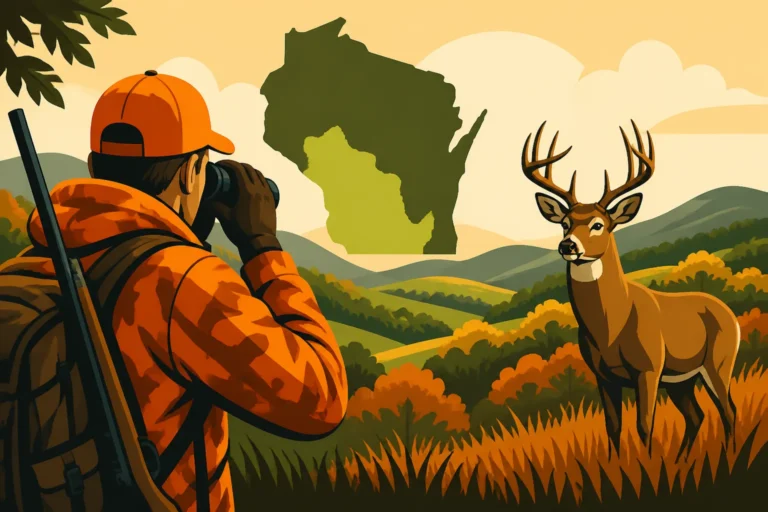
High-quality optics are not a luxury, but a necessity when hunting the Wisconsin rut. Binoculars, like a good pair of 10x42s, are essential for scanning timber edges, distant food plots, or open ridge tops for cruising bucks and does. During the rut, deer are often on the move, and spotting that subtle flick of an ear or a movement in thick brush can make all the difference. For those long sits overlooking expansive areas, a spotting scope can also be invaluable.
Trail cameras become your eyes in the woods when you're not there. Strategically placing cameras on active scrapes, rub lines, or funnels can provide real-time intelligence on buck movement patterns, their travel times, and which specific deer are in the area. Checking cameras too frequently can disturb the area, so consider cellular trail cameras if available and permissible, which transmit photos directly to your phone, minimizing your disturbance. This intel allows you to fine-tune your stand locations and hunt times to align with the deer's actual schedule. When choosing, consider Low-Light Performance in a Scope and binoculars, as rut activity often occurs in dim conditions.
Layered Clothing for Shifting November Weather
Wisconsin's November weather demands a versatile clothing system. You could start a morning hunt in freezing temperatures, experience a mid-day warm-up, and then face a bitter wind and snow by evening. The key to comfort and effectiveness is layering. Start with a moisture-wicking base layer to draw sweat away from your body. Add insulating mid-layers, such as fleece or down, that can be easily added or removed. Your outer shell should be waterproof, windproof, and quiet, especially for archery hunting.
Don't forget critical accessories: a warm hat, insulated gloves or mittens (perhaps with fingerless options for shooting), and most importantly, warm, waterproof boots. Cold feet can cut a hunt short faster than anything. Consider bringing hand warmers for those frigid days. Staying warm and dry allows you to remain focused and stay in the stand longer, increasing your chances of encountering a rutting buck. Materials like wool or modern synthetics are excellent choices for their warmth-to-weight ratio and ability to insulate even when damp.
Utilizing Digital Tools like GoHunt
In today's hunting world, digital scouting and mapping tools have become indispensable, and services like GoHunt offer a wealth of information that can give you a real edge during the Wisconsin rut. These platforms provide detailed aerial imagery, topographical maps, property boundaries, and often public/private land distinctions, all overlayed in a user-friendly interface. This allows you to identify potential funnels, pinch points, bedding areas, and food sources from the comfort of your home.
Before you even step foot in the woods, you can use these tools to mark potential stand locations, plan your approach and exit routes to minimize disturbance, and even predict how deer might move given different wind directions. During the season, you can record observations, mark fresh sign, and track deer movement patterns. Many hunters find that GoHunt helps them "hunt smarter, not harder" by maximizing their time in the woods and making more informed decisions about where and when to hunt. This digital approach complements traditional boot-on-the-ground scouting, giving you a comprehensive understanding of the terrain and deer behavior.
November Rut Phase and Tactics Summary Table
To help consolidate the information, here's a quick overview of the November rut phases and the tactics best suited for each in Wisconsin:
| Rut Phase | Typical Timing in November | Buck Behavior | Key Tactics | Ideal Stand Locations |
|---|---|---|---|---|
| Pre-Rut | Early Nov (1st-10th) | Actively seeking does, making rubs/scrapes, cruising | Hunt active scrapes/rubs, aggressive calling/rattling, hunt food sources | Food source edges, scrape lines, travel corridors |
| Peak Rut | Mid-Nov (10th-20th) | Relentless chasing/breeding, high mobility | All-day sits, focus on funnels/pinch points, doe/buck decoys | Funnels, pinch points, thick cover near doe groups |
| Late Rut | Late Nov (20th-30th) | Exhausted, seeking recovery/food, secondary rut | Focus on high-calorie food, thermal cover, hunt doe groups for secondary rut | Late-season food sources, south-facing slopes, thick bedding |
Disclaimer
Hunting is an inherently dangerous activity. Always prioritize safety, understand and follow all Wisconsin Department of Natural Resources (DNR) regulations, and obtain appropriate licenses and tags before hunting. Wildlife behavior can be unpredictable. This guide is for informational purposes only and does not guarantee hunting success.