Grouse and Woodcock Hunting in Wisconsin
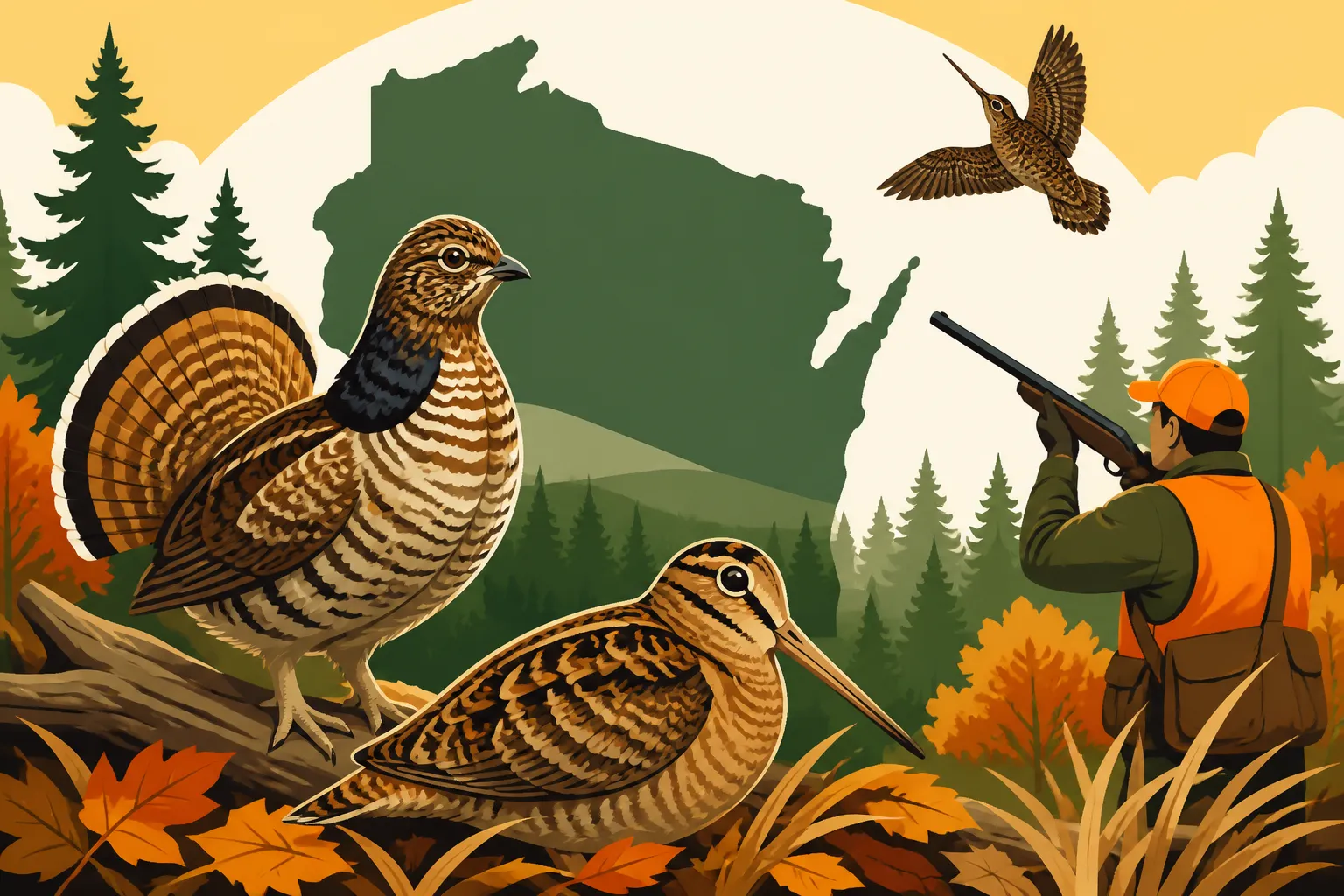
There's nothing quite like the heart-stopping thunder of a ruffed grouse exploding from cover or the whimsical, twittering flight of a woodcock flushing from a damp alder run. But for many hunters, finding these elusive upland birds in Wisconsin can feel like a daunting task, fraught with confusing habitat, unpredictable migration patterns, and the sheer challenge of hitting such fast-flying targets. This comprehensive guide will unravel the mysteries of grouse and woodcock hunting in Wisconsin, offering seasoned advice and practical strategies to help you navigate the thickets and find success.
Understanding Wisconsin's Ruffed Grouse Population and Habitat
Wisconsin is a classic grouse state, known for its healthy ruffed grouse populations, especially in the northern half of the state. However, understanding where and when to find these birds requires a deeper dive into their natural cycles and preferred environments. It's not just about walking through the woods; it's about walking the right woods.
The Ruffed Grouse Cycle and What It Means for Hunters
One of the most talked-about aspects of ruffed grouse populations is their cyclical nature. For decades, biologists have observed a roughly 8 to 10-year boom-and-bust cycle, particularly in the northern states and Canadian provinces. This means that some years, grouse seem to be everywhere, flushing from nearly every patch of cover, while in other years, they feel incredibly scarce. This isn't just anecdotal; scientific data, including drumming surveys, consistently shows these peaks and valleys in populations. Understanding where Wisconsin sits in the Grouse Cycle can significantly impact hunter expectations and strategies.
During peak years, hunters often report higher flush rates and more successful hunts. The birds are simply more abundant, and even less-than-ideal cover can hold a few. Conversely, during the low years of the cycle, hunting can be tough, demanding more effort, smarter scouting, and a willingness to cover more ground to find fewer birds. It's during these lean years that experienced hunters truly shine, as they know how to hone in on the most productive habitat.
It's important to remember that this cycle isn't uniform across the entire state. Local factors like severe winters, particularly those with deep, soft snow (which grouse need to "snow roost" for warmth and predator evasion), or unusually wet springs during nesting season, can impact local populations regardless of the broader cycle. Disease outbreaks, like West Nile Virus in Wisconsin Grouse, have also been shown to impact populations in certain areas, adding another layer of complexity.
Ideal Habitat: Aspen Stands and Forest Management
If you're serious about finding ruffed grouse, you need to understand their home: young, regenerating aspen forests. Aspen management and Wisconsin Grouse go hand-in-hand. Ruffed grouse absolutely thrive in dense, young aspen stands, typically those that are 5 to 20 years old since logging. These areas provide the perfect combination of food and cover. The dense saplings offer incredible protection from avian predators like hawks and owls, while the buds and catkins of aspen trees are a vital food source, especially in winter.
When you're walking through these areas, look for thick, almost impenetrable stands where you can barely see twenty yards in any direction. This is exactly what grouse love. The older, mature aspen stands, while beautiful, don't provide the same dense overhead cover or food sources that younger stands do. As aspen stands mature past 20-25 years, they start to thin out, losing their appeal for grouse. This is why active forest management, involving clear-cutting and prescribed burning, is so crucial for maintaining healthy grouse populations. Without it, these critical young forest habitats would disappear, replaced by older, less productive timber.
Beyond aspen, grouse will also utilize mixed hardwood forests, especially those with an understory of hazel, dogwood, or ironwood, which provide supplemental food and cover. Conifer stands, particularly those with a dense component of balsam fir or spruce, can also be important, especially in severe weather for thermal cover. However, the consistent thread throughout prime grouse habitat is density. If you can walk through it easily, it's likely too open for optimal grouse numbers.
Where to Find Grouse Across Wisconsin
Wisconsin's geography lends itself to excellent grouse hunting opportunities, primarily in the northern and central parts of the state. These regions are characterized by expansive public lands and active timber management, creating the mosaic of habitats that grouse prefer. You'll find the highest densities of birds in areas with large tracts of managed forest land.
The Chequamegon-Nicolet National Forest is a prime example, offering vast acreage of diverse timber, including significant aspen regeneration. Similarly, many of Wisconsin's County Forests Hunting are managed for timber production, which benefits grouse. Counties like Bayfield, Sawyer, Price, Ashland, and Iron in the far north are historically strongholds. In the central part of the state, areas around Black River Falls and the Sandhill Wildlife Area also offer good opportunities, though habitat may be more fragmented.
When Scouting Wisconsin Public Land Before Season, focus your map research on identifying areas with a high concentration of timber sales and young aspen cuts. Tools like the Wisconsin Hunt Wild App can overlay public land boundaries and sometimes even timber harvest data, allowing you to pinpoint potential hotspots from your couch. Don't be afraid to put boots on the ground in early fall, even before the season, to confirm habitat and identify access points. Look for thick areas adjacent to slightly older timber, often near water sources, as these edges can be particularly productive.
The Elusive American Woodcock and Its Wisconsin Migration
While often hunted in the same cover as grouse, the American woodcock is a distinctly different bird with unique habitat preferences and a fascinating migratory pattern. These long-billed shorebirds are a true joy to hunt, offering a challenging shot and a delicious reward.
Woodcock Habitat: Alder Thickets and Wet Areas
Woodcock are commonly referred to as "timberdoodles" for a reason – they love to doodle around in moist, boggy areas, probing the soft earth with their long bills for earthworms, their primary food source. This means their preferred habitat is typically quite different from the drier aspen uplands that grouse frequent. Think alder runs, willow thickets, and young, wet lowland forests, often along streams, marsh edges, or beaver flowages. These areas provide the soft, moist soil that allows them to feed efficiently.
When you're searching for woodcock, focus on areas with dense, low-growing woody vegetation, often found in low-lying pockets or along riparian zones. Good indicators include standing water, damp ground, and a mix of alder, dogwood, or young popple. Unlike grouse, who prefer a mix of food and escape cover, woodcock primarily seek out feeding habitat. The cover for woodcock is primarily to conceal them from predators and to provide shade during warmer parts of the day.
Even within a good woodcock cover, specific spots will be more productive. Look for areas where the ground is a little more open underfoot, perhaps with scattered patches of sedge or grass, but still surrounded by dense brush. These pockets allow the birds to move and feed more easily while remaining concealed. When Woodcock Hunting Wisconsin Alder Runs, remember that these birds can be incredibly camouflaged, blending seamlessly with the forest floor, so a good dog is an immense asset.
Timing the Woodcock Migration Through Wisconsin
One of the most crucial aspects of successful woodcock hunting in Wisconsin is understanding their migration. Unlike grouse, which are resident birds, woodcock are migratory, making their way from their northern breeding grounds down to wintering areas in the southern United States. This means their presence in Wisconsin is often ephemeral, a short window of opportunity as they pass through. Wisconsin's Place on the Woodcock Flight path is significant, as the state serves as a major staging and feeding area for birds moving south from Canada and northern Minnesota.
The peak of the woodcock migration in Wisconsin typically occurs from late September through mid-October. The exact timing can vary slightly from year to year depending on weather patterns and the onset of colder temperatures up north. A significant cold front to the north can push a wave of birds south, leading to excellent hunting for a few days or a week. Conversely, a warm, extended fall can delay their departure, stretching out the season.
To stay on top of the flight, experienced woodcock hunters often pay close attention to weather forecasts, especially those indicating sustained cold fronts or light frosts in northern Wisconsin, Minnesota, and even Canada. This is when to be ready to hit the cover. Once sustained freezing temperatures hit and the ground begins to harden, the earthworms become inaccessible, and the birds will quickly move on. This makes hunting the Woodcock Flight particularly exciting, as you can encounter large numbers of birds in a relatively small area.
Key Areas for Woodcock Hunting
While woodcock can be found statewide in suitable habitat, certain regions of Wisconsin are renowned for their consistent woodcock numbers during migration. The northern counties, particularly those with a mix of wetlands, forests, and active timber management, are prime. The same public lands that hold grouse—like the Chequamegon-Nicolet National Forest and various County Forests—will also contain excellent woodcock habitat.
Look for lowland areas adjacent to aspen or mixed hardwood uplands. This "edge" habitat is often used by both grouse and woodcock, making it possible to hunt Grouse and Woodcock Together. Specific wildlife areas that feature extensive marsh or river bottomlands with alder thickets can also be hotspots. For example, areas along the St. Croix River or its tributaries, and many of the smaller state wildlife areas with lowland forests, can be incredibly productive during the peak migration.
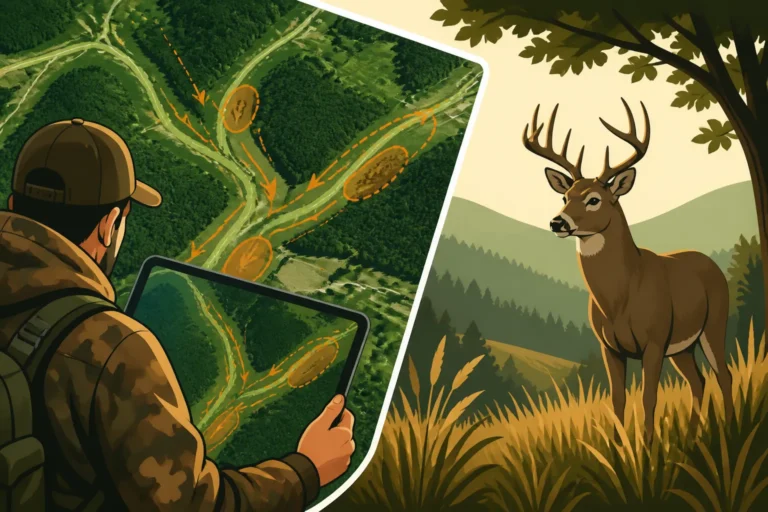
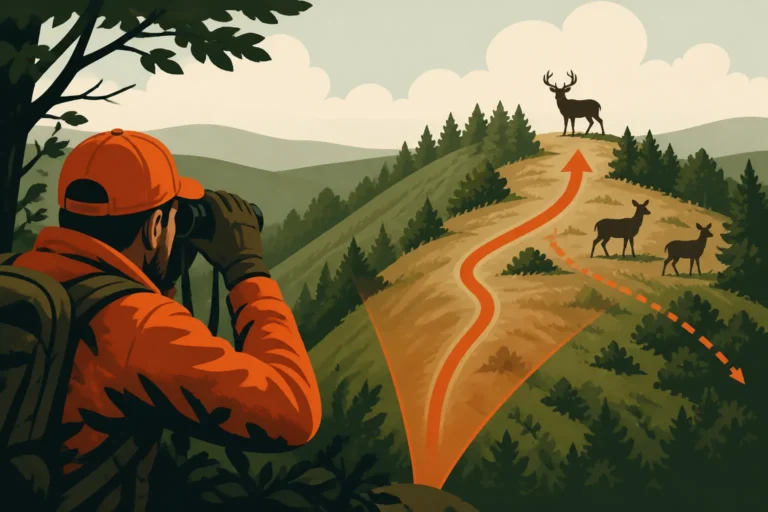
Using detailed topographical maps or mapping apps like GoHunt can help you identify these moist, low-lying areas, often marked by contour lines indicating slight depressions or the presence of perennial streams. Look for areas where the contours flatten out and are often associated with swamp symbols or blue lines on a map. These are often the same places where you'd expect to find deer movement along a Funnel Between Two Swamps, indicating dense cover and potential water sources. Don't overlook abandoned farm fields that have reverted to young woody growth, especially if they have some low-lying areas.
Seasons, Regulations, and Licensing for Upland Birds
Before you even step foot in the woods, it's absolutely critical to be well-versed in Wisconsin's hunting regulations. These laws are designed to manage wildlife populations responsibly and ensure safety for all users of the outdoors. Getting caught without the right license or hunting out of season can lead to stiff penalties and loss of hunting privileges.
Wisconsin Grouse and Woodcock Season Dates
The Wisconsin Grouse Season Dates are typically quite generous, often opening in mid-September and extending through the end of the year, giving hunters a long window of opportunity. However, it's always best to consult the current Wisconsin Department of Natural Resources (DNR) hunting regulations pamphlet or their website for the most up-to-date and exact dates, as they can shift slightly year to year. The longer season allows hunters to target grouse in various conditions, from early fall foliage to late-season snow.
Woodcock season, on the other hand, is shorter and typically opens around the same time as grouse but generally closes in early to mid-November, reflecting their migratory nature. This shorter window underscores the importance of timing the Wisconsin Woodcock Flight correctly to maximize your chances. Daily bag limits and possession limits also apply to both species, so be sure to know them before you head out. These limits are in place to ensure sustainable harvesting of the population.
Remember that shooting hours also apply. Generally, legal shooting hours are from one half-hour before sunrise to one half-hour after sunset. This is a statewide rule for most game birds. Early season hunts might begin in cooler, dewy conditions, while late-season hunts might see you heading back to the truck in the dark, so a good headlamp is always a smart piece of gear to have in your pack.
Licensing Requirements: Stamps and Permits
To legally hunt grouse and woodcock in Wisconsin, you'll need a valid hunting license. For residents, this typically means a small game license. Nonresidents also need a nonresident small game license. Additionally, anyone hunting migratory birds, which includes woodcock, must obtain a Wisconsin Migratory Bird Stamp (HIP certification) and a Federal Duck Stamp if they are 16 years of age or older. While woodcock aren't ducks, they fall under migratory bird regulations. These stamps contribute to wetland and waterfowl conservation efforts, even if you're primarily pursuing upland birds.
The process of purchasing licenses and stamps is streamlined through the Wisconsin Go Wild licence system. You can purchase them online, at a licensed vendor, or directly through the DNR. It's always a good idea to purchase your licenses well in advance of the season and keep proof of your license on your person, whether it's a physical printout or accessible on your phone through the Go Wild app. Enforcement officers will often check for proper licensing in the field.
Keep in mind that if you plan to hunt other small game species like rabbits or squirrels, your small game license will cover those as well. However, if you plan to target pheasants, you will need an additional Pheasant Stamp. Always double-check the specific regulations for all species you intend to hunt, as they can have unique requirements.
Understanding Blaze Orange and Pink Rules for Upland Hunting
Safety is paramount in any hunting pursuit, and Wisconsin has clear rules regarding the wearing of blaze orange or fluorescent pink. When hunting upland birds, hunters are required to wear blaze orange or fluorescent pink clothing during any gun deer season (including the nine-day gun season, muzzleloader season, and any late antlerless seasons). This applies even if you're not deer hunting yourself. The requirement helps ensure visibility and prevent accidents in areas where deer hunters might be present. How Much Blaze Orange Wisconsin Requires is specific: at least 50% of the outer clothing above the waist must be blaze orange or fluorescent pink.
Even outside of established gun deer seasons, many upland bird hunters choose to wear a blaze orange vest or hat for added visibility, especially when hunting with a dog or in areas that might also see other recreational users. While not legally required for grouse and woodcock during the archery-only deer season, it's a common-sense safety measure. The rule about why Wisconsin allows fluorescent pink is simply to offer hunters more options while maintaining the same level of visibility and safety.
It's also important to be aware of the specific blaze orange requirements when hunting on private lands, as landowners may have their own rules. Always communicate clearly with property owners if you have permission to hunt on their land. In dense cover, where birds can flush quickly and unexpectedly, wearing bright colors can make a huge difference in ensuring you're seen by hunting partners or other individuals in the vicinity.
Essential Gear and Shotgun Setups for Wisconsin Upland Hunting
Upland hunting, particularly for grouse and woodcock, is a walking man's (or woman's) game. Your gear needs to be durable, comfortable, and effective. The right shotgun, coupled with appropriate clothing and navigation tools, can make all the difference between a frustrating day and a successful one.
Choosing the Right Shotgun and Choke for Fast Flushes
For grouse and woodcock, the name of the game is quick, instinctive shooting in dense cover. This means you want a shotgun that swings easily, is relatively lightweight, and points naturally. The Best Shotgun Gauge for Wisconsin Grouse is often debated, but 12-gauge and 20-gauge shotguns are by far the most popular. Many hunters prefer a 20-gauge for its lighter weight and reduced recoil, which can be a blessing after a long day of walking. Over-unders and side-by-sides (like 20 Gauge Doubles for Aspen Cover) are popular choices for their balance and the ability to have two different choke constrictions, allowing for a quick, close shot and a slightly longer follow-up. Semi-automatics and pumps are also perfectly effective, but ensure they are short enough to handle easily in thick brush.
When it comes to chokes, open patterns are key. Birds often flush at very close range, sometimes just 10-15 yards away. A tight choke at such distances will turn your pattern into a dense ball, leading to missed birds or excessive damage to the meat. For the first shot, a skeet or improved cylinder choke is ideal. For a second shot on a bird that's gotten a little further out, a light modified or modified choke can be useful. The Choke Choice for Fast Flushes is critical, as these birds offer only a fleeting window of opportunity. Many hunters will opt for an improved cylinder in both barrels of a double gun or stick with a single improved cylinder in a pump or semi-auto.
Barrel length is another consideration. While longer barrels might offer a smoother swing in open fields, in dense aspen and alder, they become unwieldy. Shotguns with 24-inch or 26-inch barrels are often preferred for their maneuverability in tight cover, allowing you to quickly shoulder and swing on a bird without getting snagged on branches.
Ammunition and Shot Sizes for Grouse and Woodcock
Given the close-range nature of these shots, lighter loads and smaller shot sizes are generally recommended. For both grouse and woodcock, 7 ½ or 8 shot is the standard. Some hunters will even use 9 shot, especially for woodcock. The goal is to put enough pellets on the bird to ensure a clean kill without over-penetrating or damaging too much meat.
Lead shot is perfectly acceptable for upland birds on most lands in Wisconsin. However, always verify specific property regulations, as some public lands or managed areas might require non-toxic shot, though this is far more common for waterfowl. For instance, Where Nontoxic Shot Is Required in Wisconsin is typically associated with wetlands and waterfowl hunting. Pay attention to the dram equivalent or velocity of your loads; you don't need magnum loads for these birds. Standard game loads that offer a good balance of speed and pattern density will suffice.
Carrying enough ammunition for a day's hunt is important, but you don't need a full box in your vest at all times. A small bag or pouch that holds a dozen or so shells, easily accessible, is usually plenty. Remember, you'll be doing a lot more walking than shooting!
Footwear and Clothing for Traversing Thick Cover
This is where comfort meets durability. You'll be walking for miles through thorny briars, tangled thickets, and potentially wet ground. Good quality, comfortable boots are non-negotiable. Waterproof boots are highly recommended, as you'll inevitably encounter damp areas and morning dew. Many hunters prefer snake boots for added protection, even if Wisconsin doesn't have many venomous snakes; they offer excellent ankle and shin protection from thorns and brush. Boots for Walking Wisconsin Aspen Cuts need to be tough and offer good traction.
For clothing, layering is key. Early season hunts can be warm, but as fall progresses, temperatures can drop significantly. Start with a moisture-wicking base layer, add a comfortable flannel or fleece mid-layer, and finish with a durable, briar-resistant outer layer. Brush Pants for Wisconsin Alder are a game-changer, protecting your legs from thorns, burrs, and general abrasion. Look for pants with reinforced fronts or made from tough fabrics like canvas or Cordura. A good upland vest with plenty of pockets for shells, water, a whistle (for dogs), and your harvested birds is also essential.
Consider a tough pair of gloves to protect your hands from thorns and cold, and a hat or cap that provides both sun protection and blaze orange visibility. Don't forget bug spray for early season hunts, as ticks and mosquitoes can still be active.
Leveraging Technology: GPS and Mapping Apps like GoHunt
In the dense, often featureless cover where grouse and woodcock thrive, it's incredibly easy to get turned around. This is where modern navigation tools truly shine. A reliable GPS unit or a smartphone with a robust mapping app like GoHunt is an absolute must-have. These tools allow you to pinpoint your exact location, track your path, mark productive flushes, and identify property lines.
The GoHunt app, for example, offers detailed satellite imagery, topographical maps, and public land overlays, making it invaluable for both pre-season scouting and in-field navigation. You can identify potential aspen cuts, alder runs, and public access points well before you even leave home. In the field, its GPS capabilities allow you to confidently explore new areas without fear of getting lost or trespassing. You can drop pins at every flush, mark where you shot a bird, or save a particularly productive patch of cover for future reference.
Before you rely solely on your phone, ensure you've downloaded offline maps for the areas you plan to hunt, as cell service can be spotty or nonexistent in many prime upland hunting spots in Wisconsin. Always carry a portable power bank to keep your device charged, especially on longer hunts. While technology is incredibly helpful, it's also wise to carry a traditional compass as a backup, along with the knowledge of how to use it, just in case your electronics fail.
Effective Hunting Tactics and Strategies for Grouse
Hunting ruffed grouse is an exercise in patience, persistence, and quick reflexes. These birds are notorious for flushing at the most unexpected moments, often putting obstacles between themselves and the hunter. Developing effective strategies is key to consistently putting birds in the bag.
Still-Hunting and Slow Paces in Aspen Cuts
When pursuing grouse without a dog, the most effective tactic is often still-hunting or, more accurately, still-walking. This means moving slowly, deliberately, and with frequent pauses. Instead of crashing through the cover, you want to sneak through it, paying close attention to every rustle and branch snap. The goal is to surprise the grouse, or at least be prepared when they inevitably surprise you.
As you walk through young aspen cuts (or other dense cover), pause every 10-20 yards for 15-30 seconds. During these pauses, actively scan the cover ahead, behind, and to your sides. Grouse will often hold tight, relying on their camouflage, and will sometimes flush only after you've passed them or when you stop, causing them to feel their cover has been compromised. These momentary halts can often trigger a flush. Be ready to mount your gun quickly and swing. Remember that when Still-Hunting Wisconsin Cedar Swamps, the dense conifer cover can mute sound, making visual alertness even more critical.
Vary your pace and your direction. Don't walk in a straight line. Zig-zag through the cover, especially through the thickest parts and along edges where different habitat types meet. These transition zones are often high-traffic areas for grouse. Pay extra attention to blowdowns, brush piles, and dense patches of conifers within the aspen, as these often provide favored roosting or hiding spots.
Working with a Bird Dog: Flushing and Pointing
While it's absolutely possible to hunt grouse effectively without a dog, having a well-trained bird dog is a true force multiplier and, for many, an indispensable part of the upland hunting experience. Dogs can find birds you would walk right past, and their enthusiasm adds an incredible dimension to the hunt. Retrievers, setters, pointers, and flushers all have their place in the grouse woods, each bringing a different style to the hunt.
A good flushing dog, like a Springer Spaniel or a Lab, will work ahead of you, systematically covering ground and pushing birds out. The key is for the dog to stay within gun range, so when a bird flushes, you have a reasonable shot opportunity. Communication between hunter and dog is crucial, often relying on whistles and hand signals. This style of hunting can be fast-paced and exciting, with flushes coming quickly.
Pointing dogs, such as English Setters or German Shorthaired Pointers, offer a different experience. They'll scent a bird, freeze on point, and hold the bird until you walk in and flush it. This gives the hunter time to get into a good shooting position. Walking up on a solid point in thick cover is one of the most thrilling moments in upland hunting. Whichever breed you choose, ensure your dog is conditioned for the arduous task of traversing rough terrain and has protective gear like a cut vest if hunting in extremely thorny areas. Training is essential to keep them safe and effective in the field.
Reading the Cover and Anticipating Flushes
Experience teaches you to "read" the cover, understanding where a grouse is most likely to be. This instinct comes from countless hours in the woods, but there are some universal cues. Look for areas where the cover is particularly dense—almost to the point of being a barrier. Grouse prefer to be unseen, and the thicker the brush, the better.
Pay attention to natural "edges" or transition zones. This could be where a young aspen stand meets an older forest, where a swampy area transitions to higher ground, or along a logging road or game trail. These edges often provide travel corridors and diverse food sources, making them hotspots. On a cold, windy day, grouse might be found on the leeward side of a ridge or in thick conifer pockets, seeking shelter. On a warm, sunny day, they might be dusting themselves in a sandy spot or feeding along a sun-drenched edge.
Learn to distinguish between different types of flushes. A "wild flush" means the bird takes off well out of range, often because you were moving too quickly or didn't notice it. A "tight flush" is when the bird bursts from cover at your feet, often catching you off guard. Anticipating where a flush might occur and being mentally prepared to react is a skill developed over time. Keep your gun mounted in a ready position, especially when entering particularly dense patches, and focus on the small openings ahead where a bird might fly.
Successful Woodcock Hunting Tactics and Strategies
Woodcock hunting shares some similarities with grouse hunting, but their unique habits and migratory nature demand some specific tactical adjustments. They are often found in very different, wetter types of cover, and their flight can be equally challenging.
Systematic Sweeping of Alder Bottoms
When you're in prime woodcock habitat—those alder runs and willow thickets—the key is to hunt systematically. Unlike grouse, which might be spread out in varied cover, woodcock often concentrate in specific, small pockets within these wet areas. A grid search, or a thorough back-and-forth sweeping pattern, is highly effective. You want to ensure you're covering every square yard of the prime ground.
Move slowly, much like still-hunting for grouse, but be even more methodical. Woodcock will hold incredibly tight, relying on their camouflage, and will often let you walk right past them if you're not paying attention. Again, a good flushing dog is invaluable here, as they can work through the dense, low brush much more efficiently and effectively than a human, pushing birds into the air. If you're hunting without a dog, kick every brush pile, stomp through every thicket, and don't assume a spot is empty until you've thoroughly worked it.
As you move, watch for subtle signs of woodcock presence: small, white splashings (droppings) on leaves, or characteristic "borings" – small, pencil-sized holes in the soft earth where they've probed for worms. These are clear indicators that woodcock are feeding in the area. Finding Woodcock in Alder Runs is all about recognizing these subtle clues and systematically working the habitat.
Hunting During the Flight: Concentrated Opportunities
As mentioned, timing is everything for woodcock. Hunting during the peak of the Wisconsin Woodcock Flight offers the best chance at encountering high numbers of birds. When a significant push of migratory birds comes through, you might find dozens, or even hundreds, of woodcock concentrated in relatively small areas of prime habitat. This can lead to incredible hunting action, with multiple flushes in quick succession.
To capitalize on the flight, stay attuned to weather patterns. A cold front from the north, especially one that brings a hard frost, will often trigger a mass exodus of birds, pushing them south. This is when you want to be in the woods. These concentrated opportunities might only last for a few days to a week in any given area, so striking while the iron is hot is crucial.
During the flight, revisit historically productive areas. Birds will often use the same migration corridors and stopover points year after year, especially if they offer ideal feeding conditions. Don't be afraid to hunt the same patch of cover multiple times during the flight; new birds might have arrived overnight.
Deciphering Woodcock Sign: Borings and Splashings
Learning to identify woodcock sign is like finding treasure maps in the woods. Unlike grouse, which leave relatively little obvious trace, woodcock are prolific in leaving tell-tale signs of their presence. The most common and useful signs are their borings and splashings.
Borings: These are small, clean, round holes in the moist soil, typically ¼ to ½ inch in diameter and 1 to 3 inches deep. They look like they've been made by a pencil. Woodcock use their long, sensitive bills to probe the ground for earthworms. Finding an area with numerous fresh borings is a clear indication that woodcock are actively feeding there. These are often found in soft, damp leaf litter, mossy areas, or mud.
Splashings: These are distinct, white, chalky droppings, often streaked with dark material, found on leaves, logs, or the forest floor. They look like tiny splashes of whitewash. If you find a cluster of fresh splashings, it means birds have been roosting or feeding in that immediate vicinity recently. Combined with borings, splashings confirm that you're in a productive area. Deciphering Woodcock Sign is a crucial scouting skill that can save you a lot of fruitless walking.
These signs are particularly useful when you're scouting new areas or trying to determine if a patch of cover is currently holding birds during the migration. Fresh sign means fresh birds, or at least very recent activity. Older, dried-up sign suggests the birds have moved on, or it's not a currently active feeding ground.
Navigating Public and Private Lands for Upland Birds
Finding accessible land to hunt grouse and woodcock in Wisconsin is often as challenging as finding the birds themselves. While Wisconsin boasts a significant amount of public land, knowing how to find it and how to gain permission on private land is vital for consistent success.
Finding Public Land: State Forests, County Forests, and Wildlife Areas
Wisconsin offers a fantastic array of public hunting opportunities. State Forests, like the Northern Highland-American Legion State Forest or the Black River State Forest, are excellent choices, often managed for timber production which creates diverse habitat. Similarly, the Chequamegon-Nicolet National Forest spans over 1.5 million acres in northern Wisconsin, providing extensive opportunities. These large tracts offer plenty of room to roam and escape hunting pressure.
Perhaps some of the best, yet often overlooked, public lands for grouse and woodcock are the Wisconsin County Forest Hunting lands. Many northern Wisconsin counties manage vast acreage of forestland, often with active timber sales that create prime young aspen habitat. Counties like Bayfield, Douglas, Marinette, and Langlade are renowned for their county forest systems. These lands are generally open to public hunting, but it's always wise to check individual county regulations regarding vehicle access, trail cameras, and temporary stands.
State Wildlife Areas are another excellent resource. These lands are specifically managed for wildlife and public recreation, often featuring a mix of upland and wetland habitats. Many of these areas are specifically managed for Ruffed Grouse and Woodcock in Wisconsin, with brush shearing, prescribed burns, and aspen regeneration projects. Using the Wisconsin Hunt Wild App or the DNR's Public Access Lands Maps can help you pinpoint these areas and understand their boundaries. Always confirm specific rules for each area, as some might have special regulations or designated zones.
Gaining Access to Private Land: The Art of Asking
While public lands offer abundant opportunities, gaining access to private land can unlock some of the best, most lightly pressured hunting spots, especially in the central and southern parts of the state where public land is more fragmented. Gaining Access to Private Land in Wisconsin is primarily about respect, communication, and courtesy.
Start by identifying potential properties on aerial maps. Look for unkempt woodlots, alder thickets along stream beds, or young regenerating timber adjacent to agricultural fields. Then, make a polite, in-person visit to the landowner well before the hunting season begins. Dress neatly, introduce yourself, and clearly state your intentions. Bring a map of their property (you can get these from county GIS offices or mapping apps) and offer to show them exactly where you'd like to hunt.
Emphasize safety, your respect for their property, and offer to share your harvest. Offer to help them with small chores around the property, or even to share some of the processed game meat. Be prepared for a "no," and accept it graciously. A single rude encounter can spoil opportunities for all hunters. If you do get permission, make sure you understand the boundaries, access points, and any specific rules the landowner has. Do You Need Written Permission in Wisconsin? While not always legally required for non-posted land, it is highly recommended to have written permission for private land hunting, as it protects both you and the landowner.
Respecting Boundaries and Hunter Etiquette
Whether on public or private land, respecting boundaries and practicing good hunter etiquette is crucial for preserving hunting access and promoting a positive image of hunters. On public lands, always know where you are in relation to property lines, roads, and safety zones. Using a GPS with accurate property line overlays (like those found on GoHunt) is invaluable for this. Do not trespass, even accidentally.
When hunting near other hunters, whether you encounter them in the field or see their parked vehicles, give them ample space. Crowding other hunters is not only poor etiquette but can also be unsafe and reduce everyone's chances of success. Be mindful of noise, especially if hunting without a dog, and avoid driving ATVs or other vehicles in areas where others are walking quietly.
Pick up your spent shell casings, don't litter, and leave the land cleaner than you found it. If you open a gate, close it. If you notice any issues, like downed fences or suspicious activity, report it to the landowner or appropriate authorities. These simple acts of respect and stewardship go a long way in ensuring that hunting opportunities remain available for future generations.
Field Care, Processing, and Culinary Delights
After all the hard work, the thrill of a successful flush, and the satisfying shot, the job isn't quite done. Proper field care and processing are essential to ensure your hard-earned grouse and woodcock make it to the table as delicious table fare. These birds are renowned for their delicate flavor, and you don't want to spoil them.
Proper Field Care for Upland Birds
The most critical step in preserving the quality of your game bird meat is to cool it down as quickly as possible. This is especially true for early-season hunts when temperatures can still be quite warm. As soon as you retrieve a bird, dispatch it cleanly if it's still alive, and if legally permitted and safe to do so, gut it immediately. Removing the entrails helps the body cavity cool much faster, preventing bacterial growth that can taint the meat.
Once gutted, place the bird in a game bag (a simple mesh bag works well) and hang it in a cool, shady spot if you're still hunting. Avoid piling birds in your vest or on the bottom of your pack, as this prevents airflow and traps heat. If you have a long walk back to the vehicle, carrying them outside your pack in a breathable bag is best. For warmer days, a small cooler with ice in your vehicle is a great idea to quickly chill the birds on the drive home. Remember that Game Bags for Warm September Days are invaluable for keeping birds fresh.
If you don't gut them immediately, at the very least, spread them out to cool, and get them cleaned as soon as you return home or to camp. The sooner you can get them processed and into a cooler or refrigerator, the better the meat quality will be.
Plucking Versus Skinning Your Harvest
Once you're ready to process your birds, you have two primary options: plucking or skinning. Each has its pros and cons, and the choice often comes down to personal preference and how you plan to cook the bird.
Plucking: This method keeps the skin on the bird, which many chefs and hunters believe adds flavor and moisture during cooking. The skin also protects the meat from drying out. Plucking can be a bit messy and time-consuming, especially with a bird like a grouse, which has delicate skin. It's often easier if the bird is still warm or has been chilled briefly but not frozen solid. Hot water scalding can make plucking easier, but be careful not to cook the skin. A plucked bird, when cooked, will crisp up beautifully and retain more of its natural juices.
Skinning: This is the faster and cleaner method. Many hunters simply skin their birds, especially if they're pressed for time or dislike plucking. To skin, make an incision down the breast, then pull the skin off, often bringing most of the feathers with it. You'll be left with the breast meat, legs, and thighs. While you lose the skin's benefits for cooking, the meat is still excellent. This method is often preferred for recipes where the skin isn't a critical component or for convenience.
For both methods, once the bird is plucked or skinned, remove any remaining entrails, clean the cavity, and rinse the bird thoroughly under cold water. Pat it dry before bagging it for the refrigerator or freezer.
Simple Recipes for Grouse and Woodcock
Both grouse and woodcock are considered gourmet table fare, prized for their lean, dark, and subtly flavored meat. Their delicate nature means they are best cooked quickly and not overdone.
Simple Seared Grouse Breast: One of the best ways to enjoy grouse is to simply sear the breast. Remove the breast meat (with or without skin). Season lightly with salt, pepper, and perhaps a touch of garlic powder or herbs like thyme. Heat a cast-iron skillet with butter or olive oil over medium-high heat. Sear the breasts for 2-4 minutes per side, until browned and cooked through but still slightly pink in the center. Don't overcook, or the meat will become dry. Serve immediately with a light pan sauce or simply a squeeze of lemon. This recipe truly highlights the natural flavor of the bird.
Woodcock Wrapped in Bacon: Woodcock, being smaller and having a slightly richer flavor, are often fantastic wrapped in bacon to add moisture and a smoky counterpoint. Simply remove the breast meat, season, and wrap each small breast in a thin slice of bacon. Secure with a toothpick. You can then grill them, bake them, or pan-sear them until the bacon is crispy and the woodcock is cooked through. This method prevents the small breasts from drying out and infuses them with delicious bacon flavor.
Remember to consider the smaller size of these birds compared to, say, a pheasant or a chicken. They cook very quickly! For larger recipes, you might need several birds to feed a family. Their mild, earthy flavor pairs well with wild rice, mushrooms, and light gravies.
Disclaimer
Hunting is an inherently dangerous activity. This guide provides general information and strategies, but local conditions, regulations, and personal safety remain the sole responsibility of the hunter. Always consult the most current Wisconsin DNR hunting regulations, understand firearm safety rules, and ensure you have appropriate licenses and permits before heading into the field. Never hunt without informing someone of your whereabouts and expected return time. Hunt ethically, safely, and responsibly.